





The Dutch meat industry and the national government are both failing to adequately protect animal welfare, prioritizing commercial profits over ethical standards within a regulatory framework that remains vague and notoriously difficult to enforce. This sharp critique forms the core conclusion of a comprehensive final report issued by an independent evaluation committee, chaired by former transport inspectorate chief Jan van den Bos.
The special committee was originally established by the Ministry of Agriculture in 2024 to conduct a thorough review of oversight mechanisms across the entire meat production chain. While the panel’s findings acknowledge that public food safety and overall animal health are generally well protected under the current system, it delivers a scathing assessment of how livestock are treated from farm to slaughterhouse.
According to the committee’s findings, animal welfare is being compromised on a massive, structural scale across the Netherlands, even in instances where agricultural and processing companies strictly adhere to existing laws. This paradox exists because the legal standards governing animal welfare are frequently vague, leaving wide margins for interpretation. Furthermore, the committee noted that current industrial production methods and economic costs are invariably used as the foundational starting point when these regulatory standards are drafted and implemented, inherently favoring operational efficiency and profit margins over the living conditions of livestock.
The scale of livestock production in the Netherlands remains immense, underscoring the vast scope of the regulatory challenge. Approximately 535 million animals are slaughtered within the country every single year. The overwhelming majority of these animals are chickens, accounting for more than 518 million birds annually. Inspection figures cited directly within the committee’s report reveal a grim reality regarding the transport and handling of these animals, showing that around 3 million birds arrive at slaughterhouses injured every year.
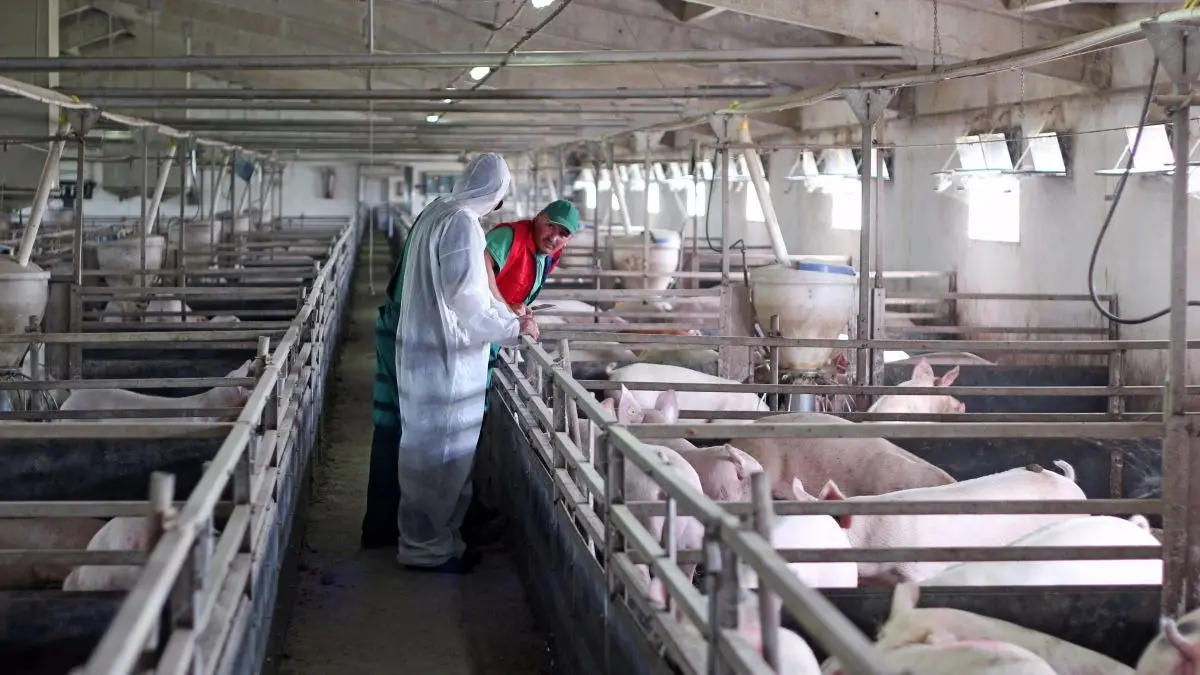
The report also highlights systemic compliance failures within the pig farming sector. Data from the Netherlands Food and Consumer Product Safety Authority, known as the NVWA, indicates that two-thirds of the 170 pig farms inspected during targeted checks in 2023 and 2024 were actively breaking animal welfare rules. Despite these alarming non-compliance rates, the report points out that the regulatory watchdog is severely constrained, spending a mere 8% of its total operational capacity on monitoring and enforcing animal welfare standards.
Delving into the political and administrative dimensions of the crisis, the committee placed significant blame on the governance structure. It concluded that the agriculture minister provides far too little strategic direction to the sector and repeatedly delays crucial policy decisions, leaving enforcement agencies and industry stakeholders in a state of prolonged limbo.
The publication of the report adds substantial pressure on policymakers and industry leaders to reform a system that critics argue has long favored volume and economic output over basic protections for millions of farm animals.