




What began as a deeply personal project for a single residential interior has officially evolved into a comprehensive, multi-room design statement. The journey of Delf started with a single piece of furniture—a bed designed by Danny Kaplan for his own home. Drawing inspiration from the strong, paneled silhouette and architectural presence of the hinged screens designed by Jean-Michel Frank, Kaplan crafted the Paravent Bed. Soon after, recognizing the profound commercial potential and artistic resonance of the piece, he partnered with Vince Patti of the design studio Lesser Miracle to explore a larger commercial collection. That initial vision successfully materialized with a 20th-century-inspired collection launch in 2024. Building on the enthusiastic reception and commercial success of that debut series, the two New York-based designers have returned to expand the universe of their flagship creation with the introduction of Delf II.
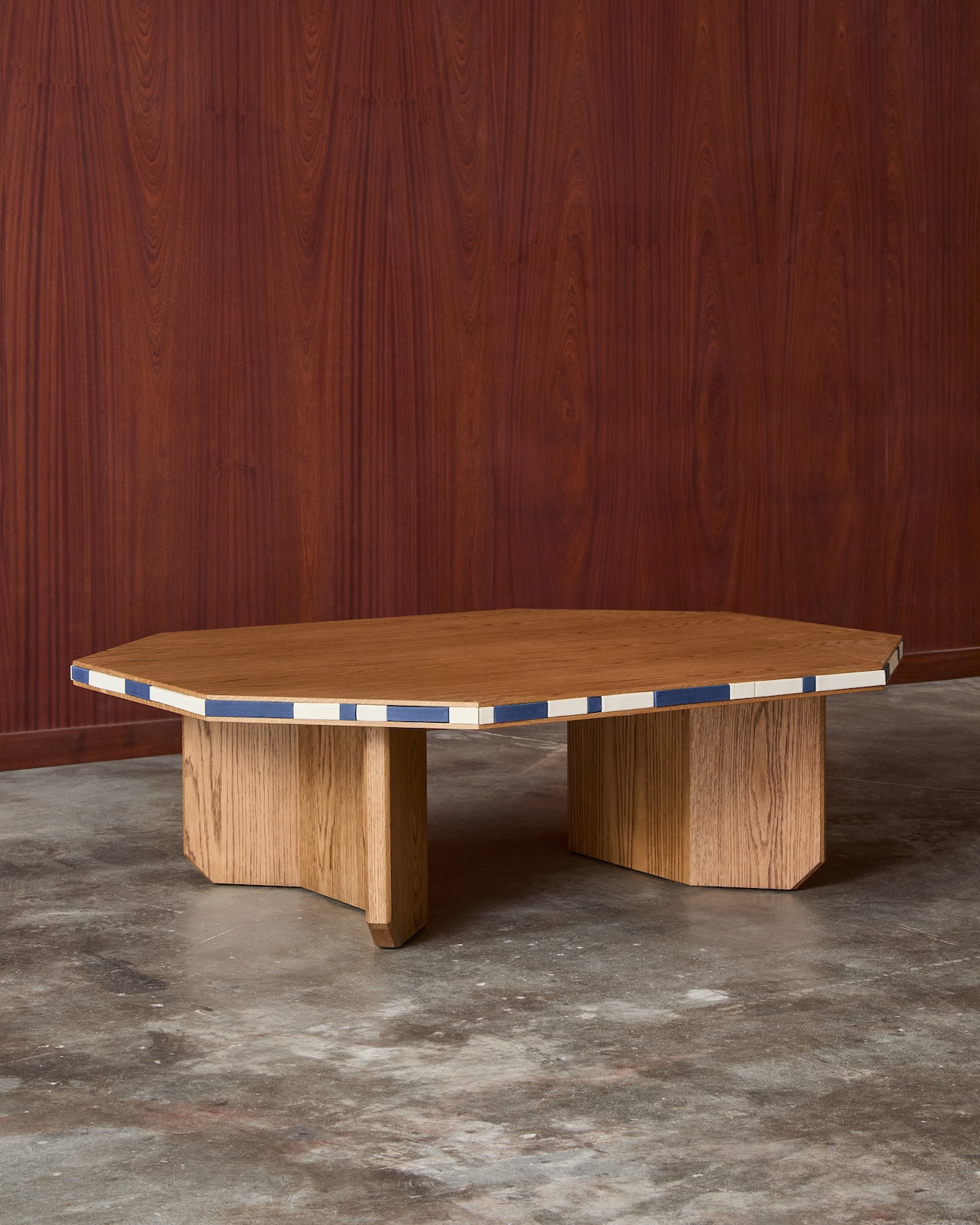
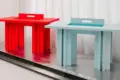
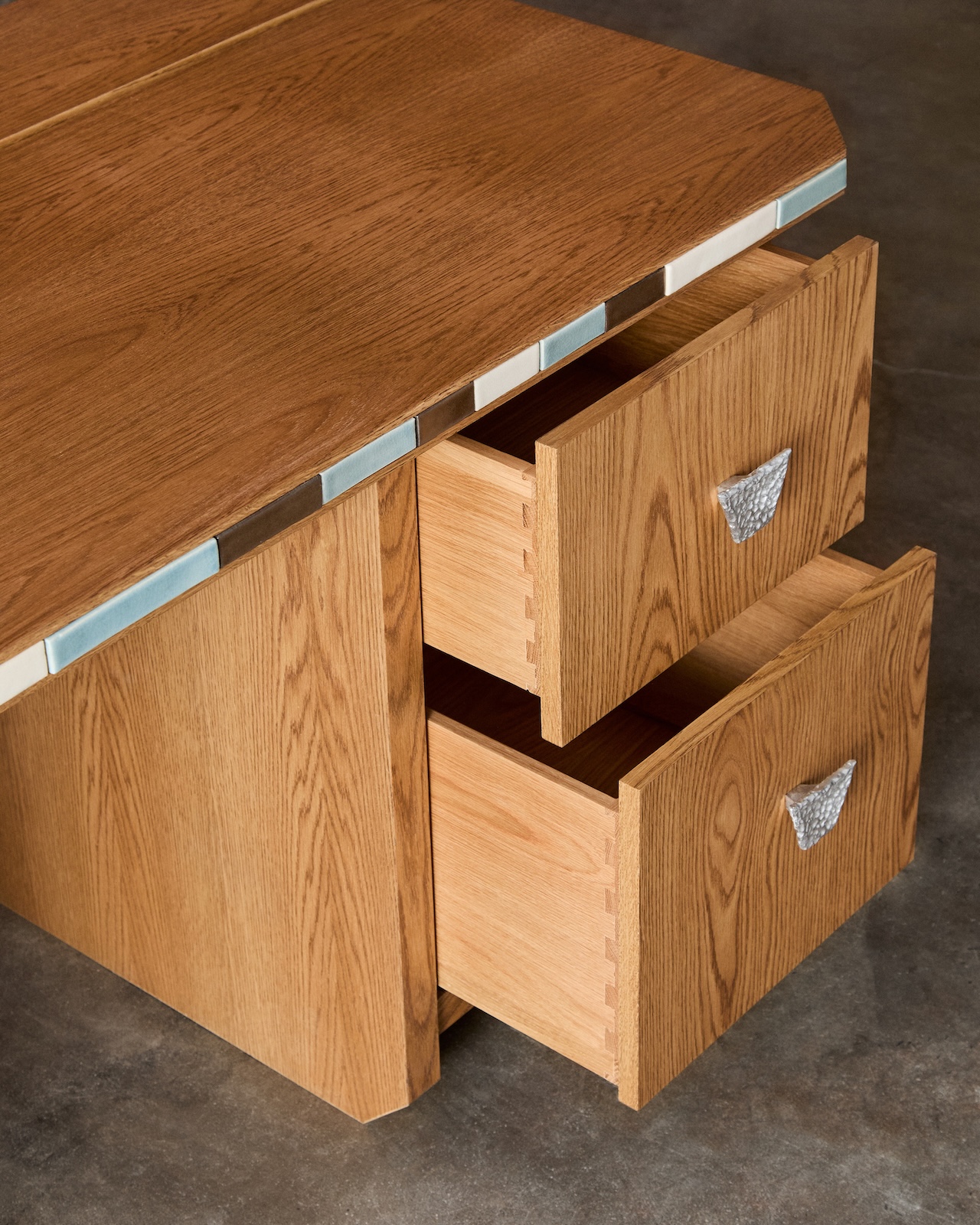
The newly expanded collection thoughtfully extends the series far beyond the intimate confines of the bedroom. With the introduction of a meticulously crafted desk, a versatile coffee table, a sleek console, and a refined nightstand, Delf II allows homeowners and interior architects to weave the unique visual vocabulary of the original pieces throughout an entire residential or commercial space. At the absolute heart of this expanded collection is the enduring, tactile relationship between warm white oak and hand-built ceramic. This exact pairing defined the original Paravent Bed and ultimately inspired the series’ evocative name. The word Delf is derived from delven, an old Dutch verb meaning to mine or to dig. This linguistic root serves as a direct reference to the precise channels and grooves carved directly into the solid wood structures, which are then painstakingly filled by hand with custom ceramic tile inlays.
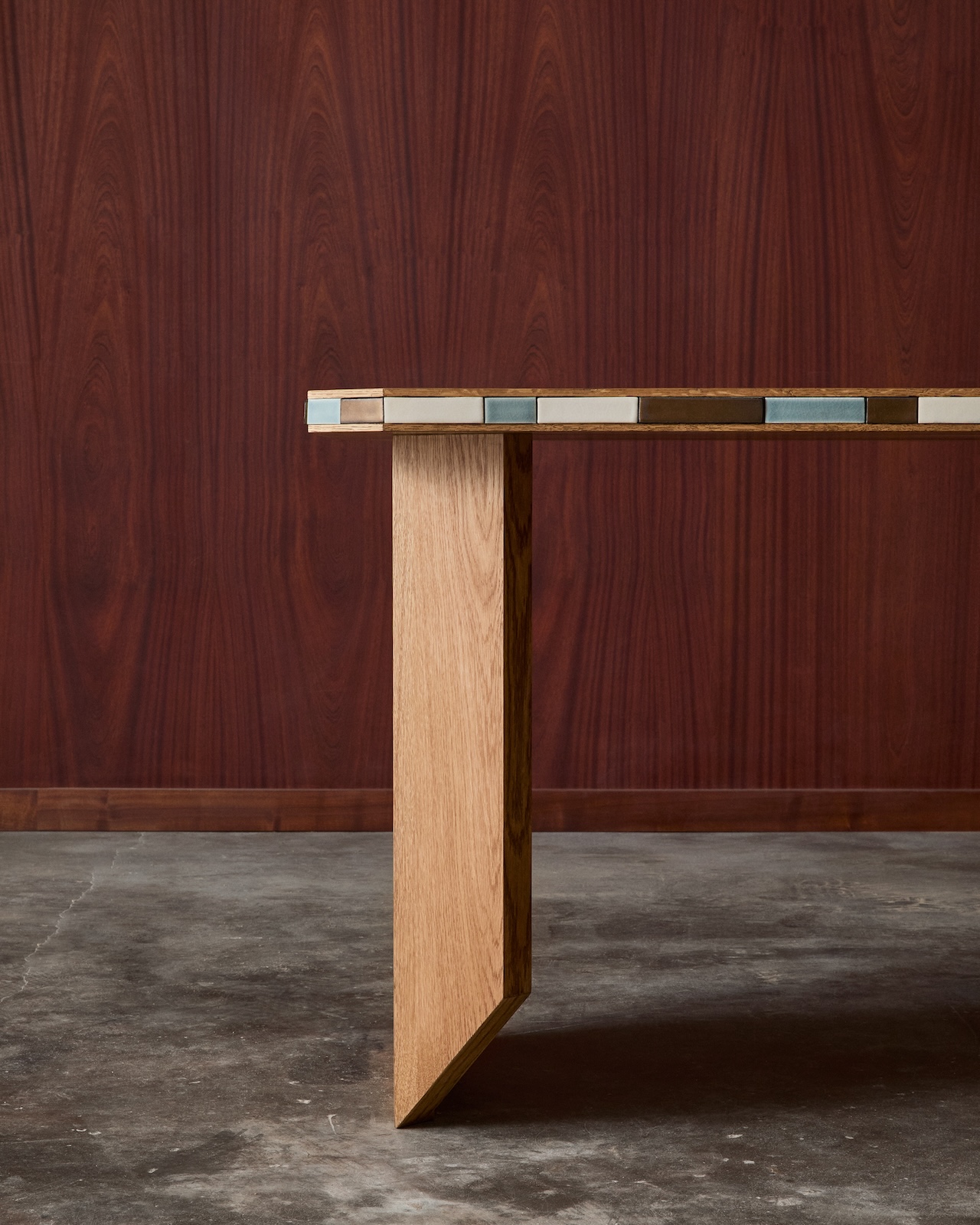
Danny Kaplan, who established his eponymous studio in 2015 as a self-taught ceramicist, personally designs and crafts the intricate tilework that anchors the collection. His artistic direction draws deeply from the rich heritage of pottery traditions found in Vallauris, a sun-drenched commune in southern France renowned for its historic ceramic arts. The ceramic components of Delf II are made available in the studio’s signature palette of sophisticated glazes, including Stone, Anthracite, Terrasig, Ivy, Lapis, Agate, Bronze, and Chestnut, alongside a striking new Navy finish. Surrounding these rich, textural tile inlays, the white oak is shaped into modernist architectural silhouettes that are deliberately softened by gentle, rounded edges and subtle curves. This careful balancing act ensures that the furniture maintains a clean, architectural rigor while remaining inviting and tactile to the touch.
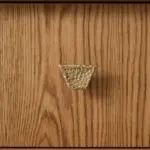
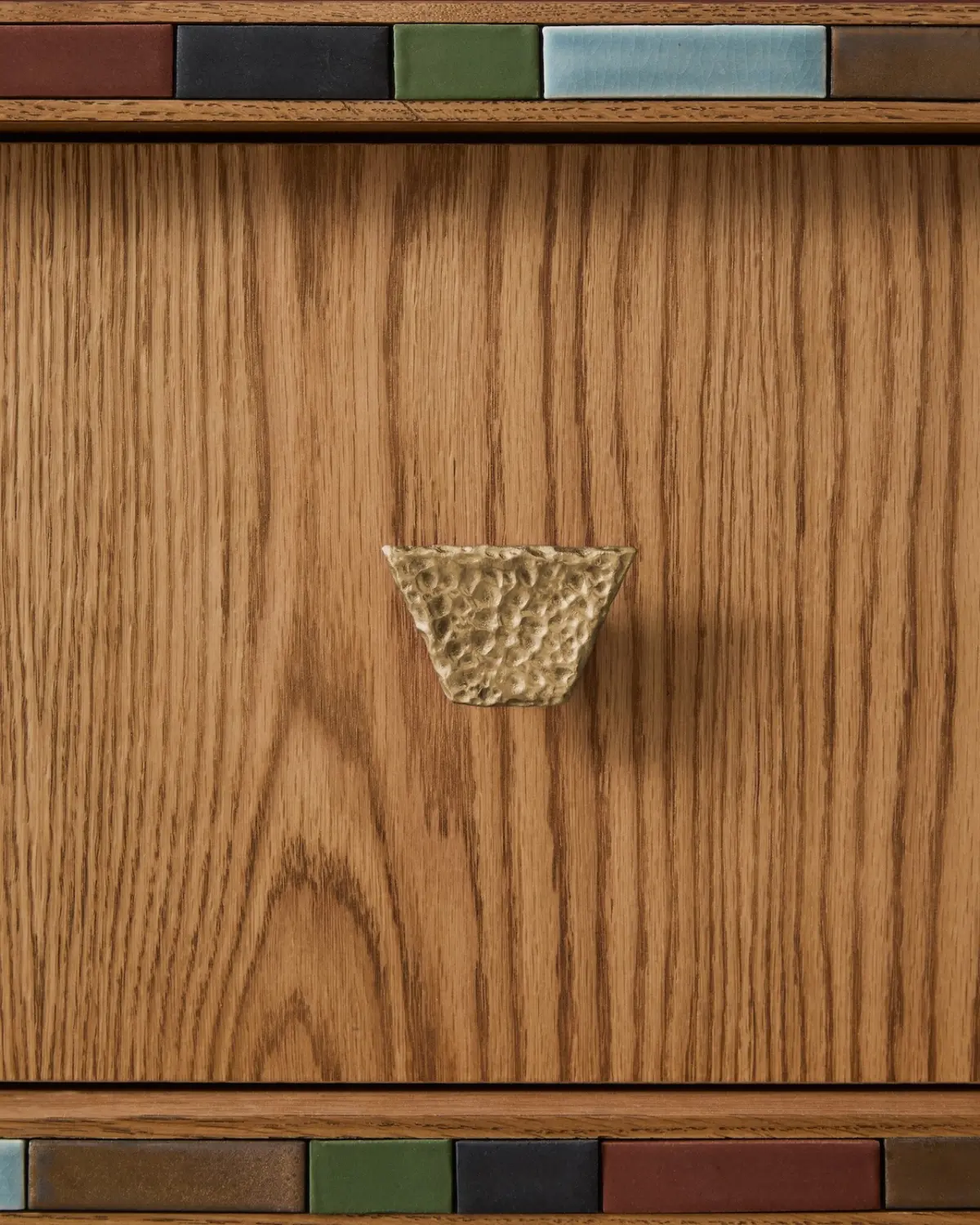
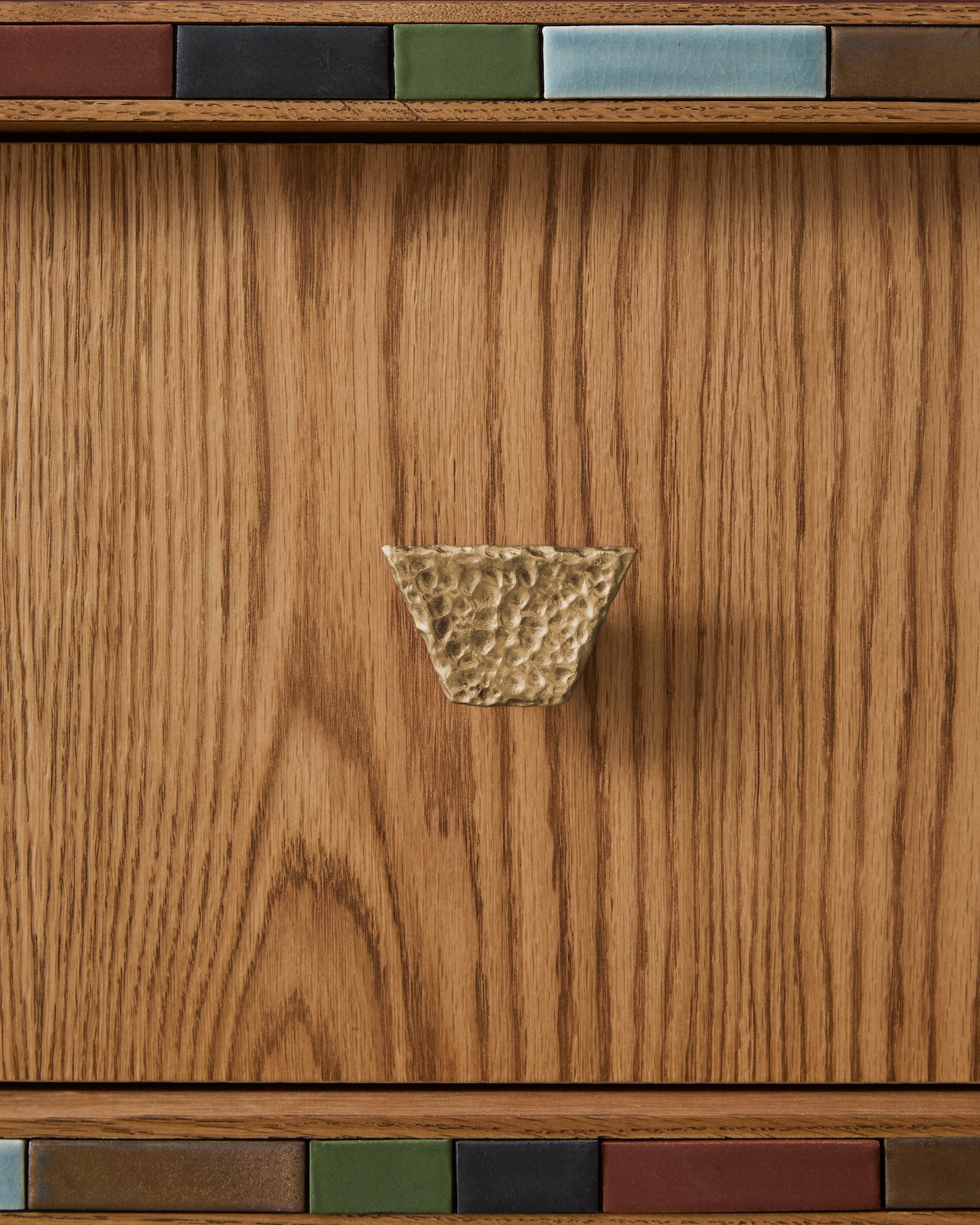
Bringing these two distinct, unforgiving materials together requires a demanding and carefully sequenced production process that leaves no room for error. The ceramic elements must be fired separately in kilns, accounting for shrinkage and glazing nuances, before they are individually fitted into the hand-built wooden frames by skilled artisans. The attention to detail extends even to the hardware; each drawer pull and knob is initially sculpted by hand in clay before being cast in solid brass and aluminum. Because of this rigorous, uncompromising dedication to craftsmanship, the production of even a single piece within the Delf collection spans several weeks from conception to final polish.
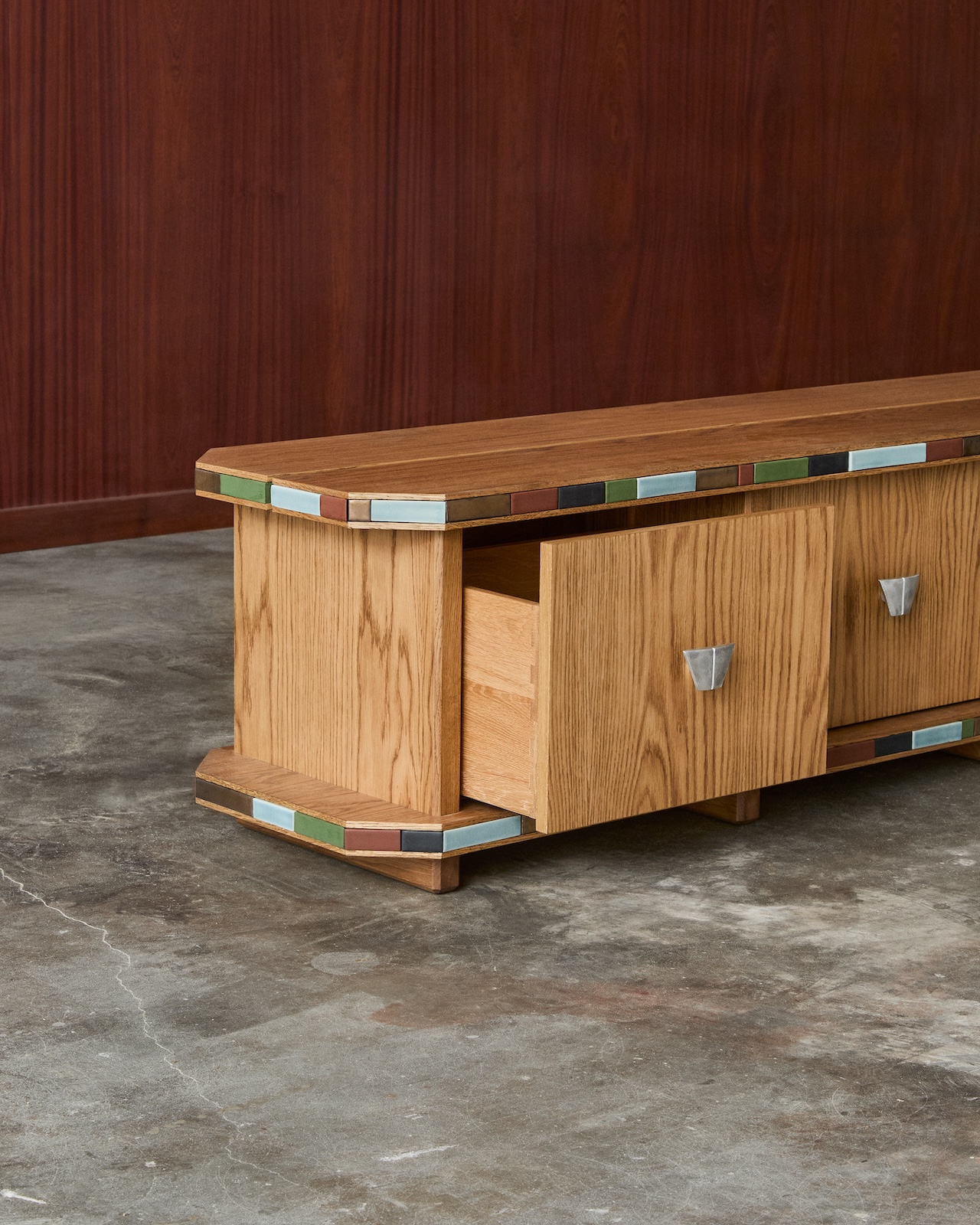
Like the foundational pieces that preceded them, the new additions in Delf II begin their life as hand-drawn sketches by Kaplan. These preliminary drawings then move through iterative phases of sketching, collaborative discussions, physical prototyping, and advanced digital modeling shared seamlessly between the two New York studios. For Kaplan, this ambitious expansion represented a natural and exciting opportunity to investigate how the core design language could successfully adapt to entirely different furniture typologies. The creation of these new pieces provided the creative duo with a platform to continue evolving their shared design vocabulary while deliberately considering how the collection could live fluidly and coherently throughout an entire interior environment.
For Vince Patti, whose Brooklyn-based design practice is heavily influenced by the fantastical aesthetics of 1970s pulp media, the intricate geometry of Timurid architecture, and the timeless principles of Frank Lloyd Wright, the expansion represents a natural and mature evolution of their ongoing creative partnership. Patti notes that the new collection successfully builds upon the exact same foundational principles established by the original pieces, but approaches the execution with an enhanced sense of confidence, depth, and spatial complexity. As the Delf collection continues to grow under the joint vision of Danny Kaplan and Lesser Miracle, it stands as a testament to the power of cross-disciplinary collaboration, proving that meticulous hand craftsmanship and modernist architectural principles can harmoniously coexist across an entire home.