






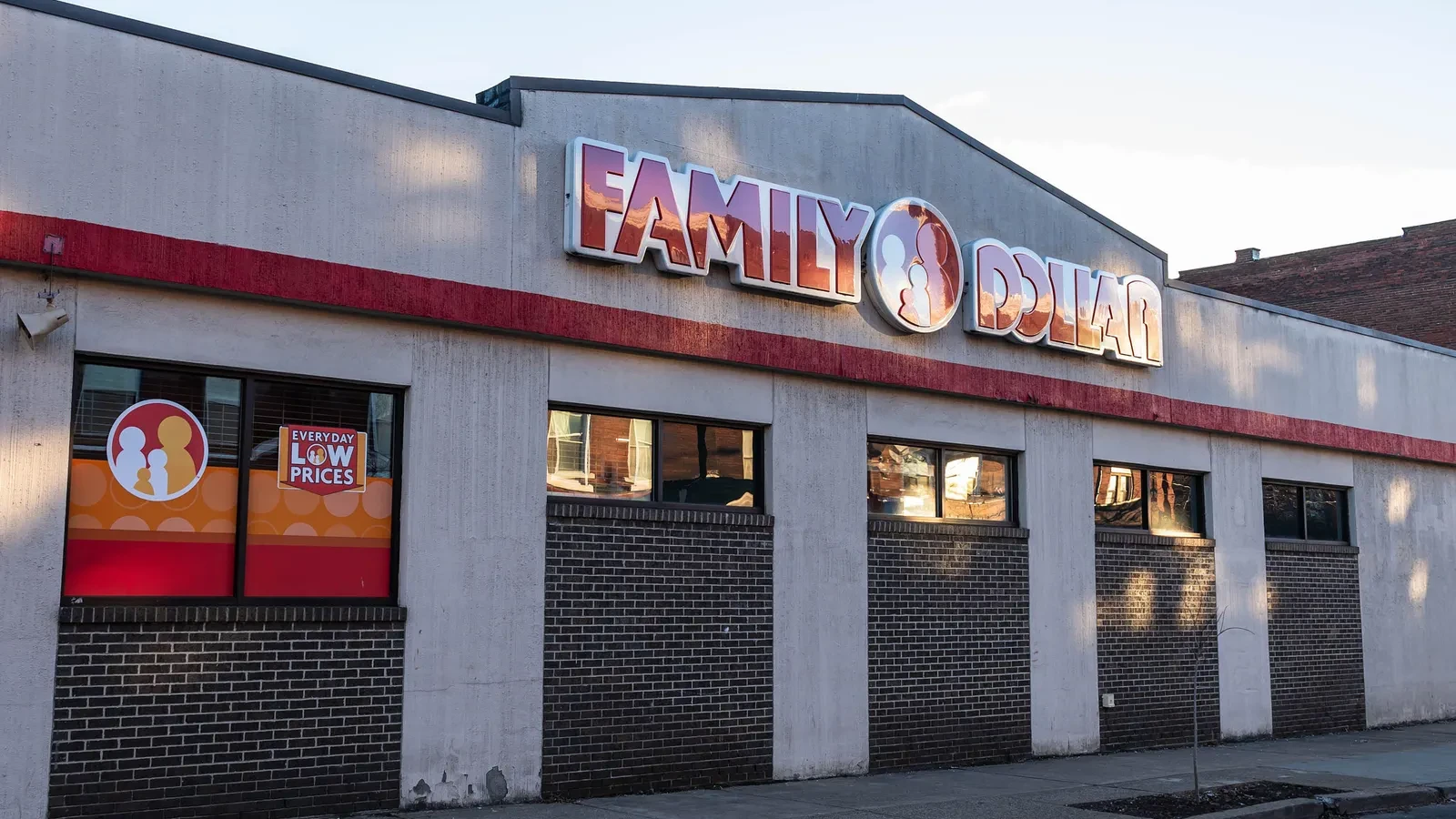
Family Dollar has agreed to a sweeping settlement with federal and state regulators over widespread deceptive pricing practices that cost shoppers millions of dollars. The discount retail chain, which operates thousands of neighborhood stores across the United States, has committed to overhauling its pricing compliance measures, submitting to independent assessments, and providing annual certifications to ensure transparency for consumers navigating tight household budgets.
The legal action and subsequent settlement highlight a growing regulatory crackdown on retail practices that mislead consumers at the checkout counter. As inflation and economic pressures continue to weigh heavily on everyday shoppers, government consumer protection advocates at both the state and federal levels are aggressively targeting discrepancies between shelf tags and register prices.

"The FTC is committed to ensuring price transparency and fairness so consumers can make informed choices," Christopher Mufarrige, director of the Federal Trade Commission’s Bureau of Consumer Protection, said in a statement. "Today’s order will ensure Family Dollar stops deceiving consumers about its prices and returns money to consumers harmed by these practices."
According to extensive court documents, Family Dollar’s systemic pricing discrepancies ran afoul of both federal consumer protection statutes and state laws in 17 states, including Alabama, Arkansas, Colorado, Florida, Illinois, Iowa, Kansas, Louisiana, Mississippi, Nebraska, Ohio, Oklahoma, Pennsylvania, South Carolina, Tennessee, Utah, and Wisconsin. Investigations revealed that shoppers were frequently charged higher amounts at the register than the prices advertised on store shelves, resulting in millions of dollars in unexpected overcharges for budget-conscious consumers who rely on discount retailers for essential goods.
Under the terms of the newly finalized agreement, Family Dollar is required to implement rigorous operational changes to safeguard pricing accuracy. Among the mandatory measures, the discounter must prominently display its comprehensive pricing policy directly next to store registers so that customers are fully aware of their rights. Furthermore, the company must institute technical procedures ensuring that point-of-sale systems do not automatically update to higher prices until those prices are properly and adequately advertised on the sales floor.

To maintain ongoing compliance, Family Dollar is obligated to actively monitor advertised prices for accuracy, conduct mandatory annual training for store employees and management personnel up the corporate chain regarding price verification, immediately honor the lowest advertised price when discrepancies arise, and correct any inaccurate shelf tags instantly. Additionally, the company’s compliance will be subject to independent third-party assessment and annual certification to guarantee that the mandated reforms are effectively enforced across its retail footprint.
A spokesperson for Family Dollar expressed the company’s cooperation with the regulatory bodies and its commitment to rectifying the issues. "The discounter said it’s cooperating and focused on strengthening pricing accuracy across our stores and maintaining our customers’ trust," a company representative stated.
"Family Dollar prides itself on providing convenient, close-to-home stores where customers can shop for everyday essentials at affordable prices," the spokesperson added. "We take our responsibility to deliver a positive shopping experience seriously."

The resolution of the Family Dollar case arrives closely on the heels of a similar high-profile enforcement action launched by the FTC and 20 state attorneys general. Last month, regulators filed a lawsuit against Dollar General, alleging that the competing discount chain similarly and routinely charged consumers more at the register than the prices displayed on its promotional materials and store shelves.
While Dollar General has acknowledged what it termed "occasional price discrepancies" and maintained that its overarching goal is absolute pricing accuracy, the back-to-back legal actions underscore a broader regulatory scrutiny facing the discount retail sector.
As discount retailers increasingly grapple with the complexities of managing vast inventories and frequent price updates across thousands of brick-and-mortar storefronts, the recent enforcement actions signal a zero-tolerance approach from consumer protection agencies. For financially stressed shoppers navigating an uncertain economic landscape, the federal and state interventions represent a crucial step toward restoring baseline accountability, transparency, and trust in everyday retail transactions.