





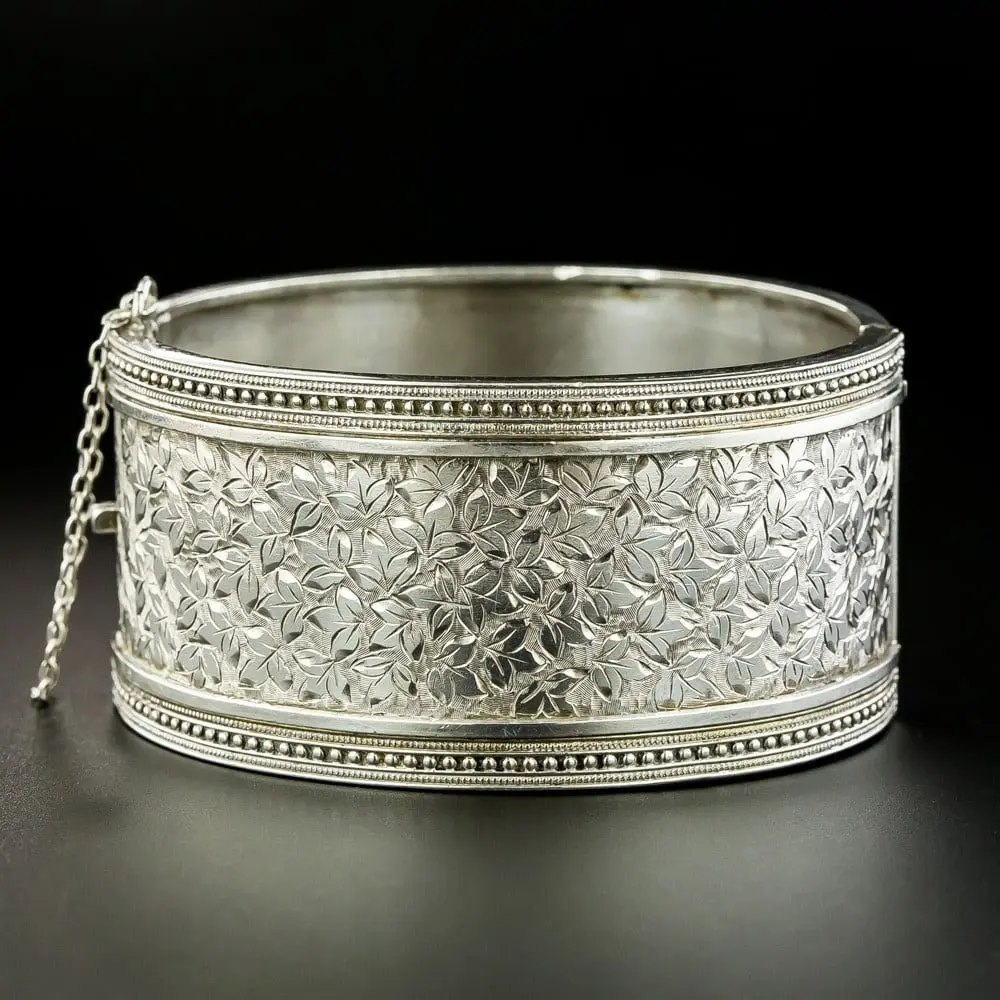
Silver—a brilliant white metallic element designated by the chemical symbol Ag—has long occupied a foundational place in human civilization, trade, and artistic expression. While it is harder than gold, it remains softer than copper and stands second only to gold in both malleability and ductility. Beyond its physical properties, which include exceptional thermal and electrical conductivity, silver is categorized as a noble metal due to its remarkable resistance to oxidation. Throughout history, this versatile element has been a cornerstone in the production of fine jewelry, currency, and objects d’art, typically alloyed with other metals to provide the structural integrity required to maintain intricate shapes and delicate details.
Although modern markets often price silver well below precious counterparts like gold and platinum, dismissing its historical or cultural importance would be a grave mistake. At various points in history, silver commanded a higher value than gold. When evaluating the sheer quantities of the metal utilized in jewelry and decorative arts over the centuries, its usage vastly outweighs that of all other precious metals. Furthermore, the pursuit of silver deposits and the refinement of its metallurgy triggered technological advancements that repeatedly altered the course of human history, shaping entire economies and swaying the outcomes of wars.
Bronze Age Silver Origins and Early Civilizations
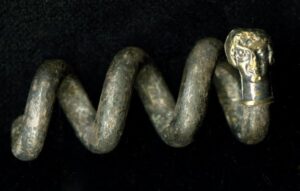
The story of silver unfolds near the end of the fourth millennium BC, when innovative inhabitants of modern-day Turkey discovered that silver could be successfully extracted from lead through the process of cupellation. While surviving artifacts from this nascent period are exceptionally rare, those that remain provide remarkable insight into the advanced capabilities of Bronze Age silversmiths.
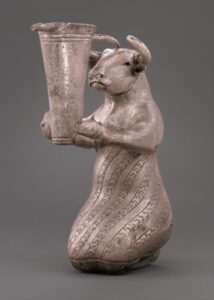
As written history dawned, silver emerged as a primary form of currency in Mesopotamia. Rather than circulating as standardized coins, the metal was traded strictly by weight or shaped into functional rings. The workshop of the Mesopotamian silversmith frequently mirrored—or was identical to—that of the goldsmith. Although silver requires more frequent annealing during manufacturing than gold due to its slightly lower ductility, ancient artisans mastered casting, hammering it into ultra-thin sheets, engraving, embossing, repoussé work, filigree, and granulation. High-purity silver vessels, statuettes, and jewelry recovered from archaeological sites demonstrate the sophisticated techniques of these early craftsmen.
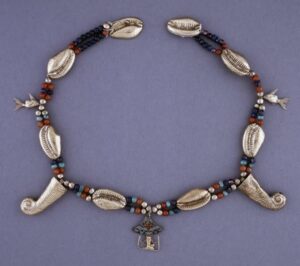
In ancient Egypt, where the rare and exotic were intensely prized, silver arrived via distant trade routes alongside highly valued commodities like Afghan lapis lazuli. Because gold was readily accessible nearby in the mountains of the Eastern Desert and Nubia, and native electrum was also locally available, pure silver had to be imported. Consequently, silver was initially valued higher than gold and was considered an exclusive luxury reserved exclusively for the societal elite.
By approximately 1600 BC, an increase in supply caused the value of silver to drop to roughly half that of gold, establishing it as a more widely used abstract currency with a relatively stable value. Nonetheless, the popularity of silver waxed and waned according to shifting royal fashions. King Tutankhamun’s tomb, for example, contained very few silver artifacts, whereas Pharaoh Sheshonq II was interred in a striking all-silver sarcophagus.
Meanwhile, the Minoans and, to an even greater extent, the Mycenaeans engaged heavily in maritime trade, incorporating silver into their economies and material culture. Early Greek silver jewelry frequently appears in archaeological excavations across the Greek mainland, Crete, and Cyprus. It was the Phoenicians, however, who truly revolutionized the Mediterranean world through their extensive colonization and trade networks. By initiating the large-scale exploitation of rich Spanish silver deposits, the Phoenicians distributed the metal throughout the classical world, forever altering its status from an exotic rarity to a widely accessible resource.
Classical Silver and the Roman Economy
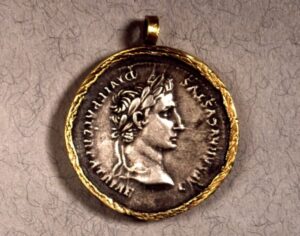
For both ancient Greek and Roman societies, a steady supply of silver was vital because their monetary systems—specifically minted silver coins—depended entirely upon it. While fewer silver jewelry items survive from the classical era compared to gold, this discrepancy is largely attributed to centuries of continuous remelting and recycling. Surviving pieces reveal that silver was fashioned into every conceivable type of personal adornment, including finger rings, anklets, and armlets.
The Romans also cultivated a deep fondness for niello, a surface decoration technique resembling enameling but utilizing silver sulfate rather than glass. Offering superior durability and a distinctive metallic luster rather than a vitreous finish, niello spread widely throughout continental Europe during the Roman occupation, appearing prominently in Anglo-Saxon artifacts in Britain and across Eastern Europe.
The Roman writer Pliny the Elder provided vivid observations of contemporary attitudes toward silver in his monumental Naturalis Historia. Detailing the extraction of silver ore from deep underground shafts, Pliny noted that Spain yielded the finest silver in the empire, recounting that historical mines opened by Hannibal—such as the Bãbelo mine—remained heavily active centuries later, producing massive daily yields. Pliny also documented various ancient methods for testing silver purity, noting how genuine high-quality metal remained white when heated on a white-hot iron shovel, whereas inferior grades turned red or black.
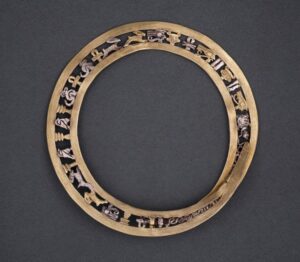
Pliny’s writings further lamented the staggering escalation of Roman luxury, contrasting the traditional frugality of early military commanders—who possessed only modest amounts of silver plate or fought with earthenware—with the lavish displays of his contemporaries. By the height of the empire, wealthy Romans decorated banquet couches with silver plates, adorned carriages with chased silver, and even shod mules in precious metals, driven by a growing appetite for luxury sparked by foreign conquests.
Celtic and Medieval Silver Traditions
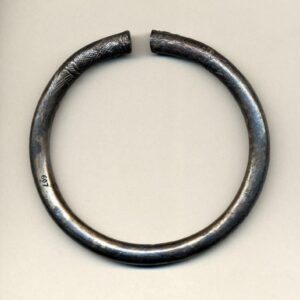
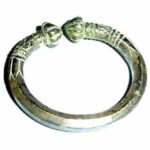
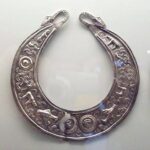
Celtic tribes utilized silver extensively alongside bronze to craft decorated brooches, heavy torcs, and crescent-shaped lunulae. Before Roman expansion into their territories, Celtic communities relied on "ring money"—standardized rings made of silver, copper, bronze, or gold used exclusively for trade rather than personal wear.
Following the collapse of Roman supply lines and trade networks, gold grew exceedingly scarce across Europe, propelling silver to the forefront of jewelry production. Germanic jewelry from this period favored functional items such as fibulae, disc brooches, penannular brooches, and belt buckles fashioned from silver, occasionally gilded or inlaid with garnet gemstones.
Around 800 AD, Viking military campaigns along the northwestern European coast redirected vast quantities of silver toward Scandinavia, where local silversmiths established thriving workshops and cemented silver jewelry traditions. The subsequent discovery of rich Swedish silver deposits near the turn of the first millennium further reinforced this cultural preference. The Romans’ favored technique of niello inlay was adopted by Germanic tribes, who utilized the stark black-and-white contrast to accentuate intricate native engraving styles, as famously exemplified by the ninth-century Anglo-Saxon Fuller Brooch housed in the British Museum.
As European society evolved and eastern trade routes reopened, gold regained its traditional status as the premier metal for elite jewelry. However, expanding trade enabled a newly prosperous middle class to adopt personal adornment previously restricted to royalty and nobility. For those operating on a more modest budget, silver emerged as the accessible metal of choice. The scope of silver jewelry expanded rapidly beyond purely functional fasteners into decorative and symbolic rings, bangles, and pendants, culminating by the late Middle Ages in the establishment of formal silver assaying and hallmarking systems.
Renaissance, Baroque, and Georgian Silver Developments
The Renaissance era brought profound cultural and economic shifts, accelerated by European exploration of the Americas. Following Christopher Columbus’s arrival in the New World, Spanish, Portuguese, French, and Dutch explorers rushed to claim territories, leading to major conquests such as Pizarro’s subjugation of the Incas and Cortés’s defeat of the Aztecs. The discovery of immense silver deposits in regions like modern-day Mexico in 1546 unleashed a massive flow of silver into European trade networks, with portions traveling directly across the Pacific to secure Asian commodities. While traditional silver-working techniques remained largely unchanged, the unprecedented influx of American silver ensured that the metal remained readily available as a currency and an affordable medium for jewelry and silverware.
During the Baroque period spanning the seventeenth century, European maritime powers fiercely contested control of Atlantic shipping routes, frequently intercepting galleons laden with South American silver. While manufacturing methods remained steady, the era introduced new applications, including the production of silver timepieces and the innovative practice of setting diamonds in silver. The cool white tone of silver perfectly complemented the lack of color in diamonds, which were arriving in increasing quantities from India following the establishment of direct trade routes by European settlers.
The Georgian era witnessed booming production from newly discovered South American silver mines, alongside a massive influx of diamonds from India and, after 1727, newly discovered deposits in Brazil. While fine jewelry of the period was frequently crafted from gold with silver-topped fronts, entirely silver pieces remained common, particularly in specialized mountings like cut-down collet settings designed to showcase the brilliance of white diamonds.
A major technological leap occurred in 1777 with the introduction of die striking for jewelry manufacturing. By utilizing mechanical presses and drop hammers to stamp and cut precious metal components, workshops could quickly assemble jewelry by hand at a fraction of the cost of traditional handmade pieces. This innovation heralded the dawn of mass-produced jewelry, flooding European markets with affordable, die-struck silver items.
Victorian Silver and the Industrial Revolution
The Industrial Revolution brought mechanized manufacturing to its zenith during the Victorian era, heavily impacting the production of stamped and die-struck silver jewelry. Cultural trends further fueled demand; following Queen Victoria and Prince Albert’s acquisition of Balmoral Castle in Scotland in 1848, Scottish agate jewelry surged in popularity, predominantly executed in silver in accordance with Northern European traditions.
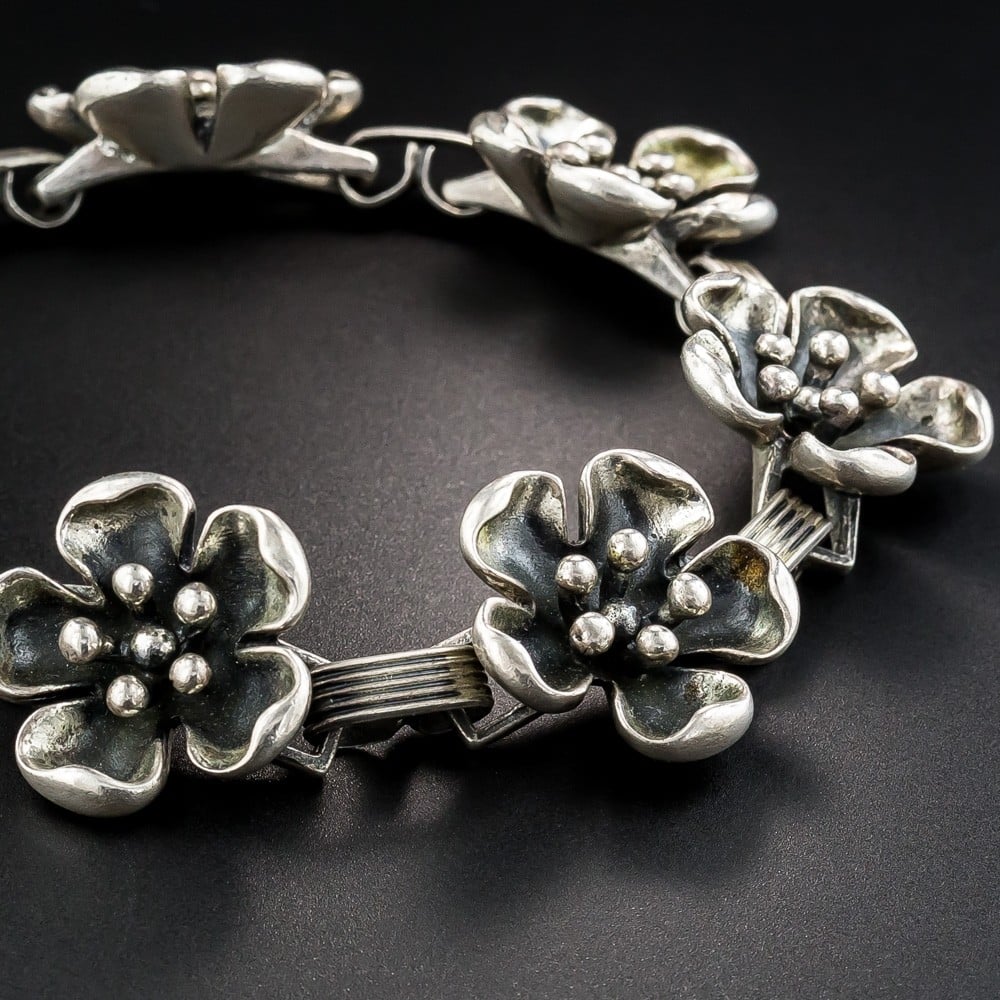
Towards the end of the Victorian period, the Arts and Crafts movement emerged as a direct aesthetic reaction against the mass industrialization of jewelry. Championing artisanal craftsmanship, Arts and Crafts designers prioritized artistic expression over the intrinsic material value of gemstones and precious metals. Rejecting faceted stones in favor of bezel-set cabochons, these creators consistently favored silver over gold, cementing the metal’s enduring artistic reputation well into the modern era.