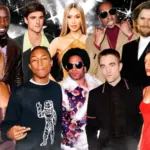





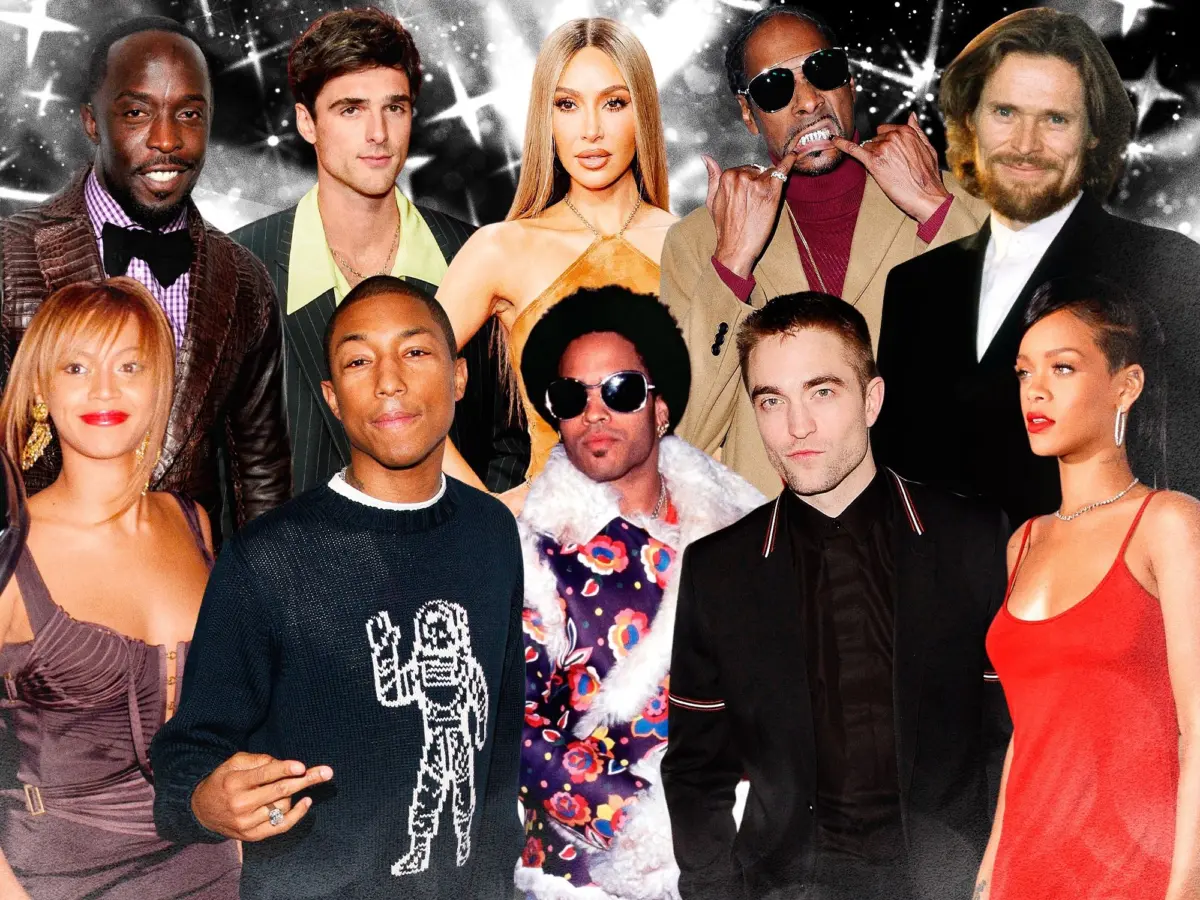
For more than three decades, the arrival of November in Los Angeles has marked one of the most prominent highlights on the entertainment and fashion calendars: GQ’s annual Men of the Year celebration. Established as a seasonal cornerstone, the star-studded event brings together leading figures from film, television, music, sports, and fashion for what has consistently proven to be the most high-profile menswear red carpet of the year. As the publication prepares for its latest iteration, the occasion provides an opportunity to reflect on how the event has chronicled, shaped, and reflected the sweeping evolution of contemporary red carpet style across multiple generations.

While Southern California has long served as the primary backdrop for the star-studded gathering, the event maintains a legacy that is spiritually bicoastal. Throughout its history spanning more than thirty years, the celebration has occasionally stepped outside of its traditional West Coast footprint. A notable example occurred in 2002, when the Men of the Year party relocated to New York City. That landmark East Coast staging honored a distinguished trio of magazine cover stars, including Academy Award-winning actor Denzel Washington, acclaimed actor Hugh Grant, and legendary fashion designer Ralph Lauren. The New York event underscored the franchise’s national resonance and its ability to bridge the entertainment industry of Los Angeles with the fashion and media epicenter of Manhattan.

Central to the enduring fascination with the Men of the Year gathering is its status as a living archive of menswear trends. The red carpet has systematically documented the shifting tides of masculine style, offering a visual timeline that traces the transition from traditional Hollywood formalwear to groundbreaking fashion statements. Over the course of four distinct decades, the aesthetic defining the event has continually adapted to match the prevailing cultural mood, moving from the sleek energy of the 1990s to the uninhibited experimentation of the present day.

During the high-octane 1990s, the Men of the Year red carpet established its reputation as a venue for bold, high-energy fashion. The era was marked by powerful silhouettes, confident tailoring, and an unmistakable sense of Hollywood glamour. Celebrities arriving at the November bash during this decade reflected a period when menswear was beginning to break free from rigid corporate standards, embracing expansive suit cuts, luxurious fabrics, and an elevated sense of casual sophistication that defined the late-twentieth-century aesthetic.

As the calendar turned to the early 2000s, the red carpet underwent a radical transformation, ushering in an era often characterized by its freaky-deaky, rule-breaking approach to personal style. The early aughts were defined by playful experimentation, unconventional pairings, and a willingness among high-profile attendees to push beyond established sartorial boundaries. A quintessential moment from this era arrived at the 2002 celebration, where the legendary hip-hop duo OutKast showcased their singular approach to fashion. Arriving in galactic-level fits, OutKast demonstrated how music culture and futuristic design could collide on a traditional red carpet, cementing their status as boundary-pushing style visionaries and signaling a broader shift toward individual expression in menswear.

Following the eccentricities of the early 2000s, the sartorial pendulum swung back toward structure during the 2010s. This decade brought a distinctly buttoned-up approach to the Men of the Year red carpet, dominated by sharp tailoring, slim-fit tuxedos, precise tailoring, and a return to refined classicism. Throughout the 2010s, attendees frequently favored sophisticated suiting, monochromatic palettes, and meticulous attention to detail. The era re-established the fundamentals of classic menswear while modernizing proportions for a new generation of red carpet regulars.

In contrast, the current decade has rewritten the rules entirely. The 2020s have emerged as a no-rules era for menswear, where rigid dress codes have given way to fluid, highly personalized fashion expressions. On the contemporary Men of the Year red carpet, traditional formalwear seamlessly coexists with avant-garde designs, genre-bending streetwear, and personal cultural statements. This modern approach was fully displayed at the 2024 celebration, where Dwayne Johnson offered his distinctive take on modern red carpet dressing. Blending his unique career trajectory with contemporary tailoring, Johnson stepped out in a post-WWE modern cowboy ensemble, exemplifying how modern icons utilize fashion to tell personal stories and challenge standard expectations of black-tie attire.

The evolution seen across these successive eras highlights the Men of the Year event’s unique position within the fashion ecosystem. Rather than merely reflecting trends established on runway shows, the gathering has consistently functioned as an active launching pad for burgeoning style icons. The red carpet provides a premier platform where established stars reframe their visual identities and rising talents establish their sartorial credentials before a global audience.

As the upcoming iteration of the Men of the Year party approaches this month, anticipation centers on which figures will earn their place in the event’s historic hall of fame. With the fashion landscape continuing to evolve at a rapid pace, the arrival of the latest bash promises to offer a fresh preview of where menswear is headed next. Coverage of the arrivals, red carpet looks, and celebrated honorees will be featured throughout the month on GQ.com, continuing a three-decade tradition of documenting the biggest night in menswear.