






The discovery went viral after a Threads user operating under the handle @fangirlinmegan shared a screenshot of her profile page, revealing a jarring mix of conventional algorithmic deductions and startlingly specific personal observations. Alongside standard behavioral markers like "Shops from women’s departments" and "Probably owns a Shark robot vacuum," her account featured an assumption that left her momentarily speechless: Amazon had deduced that she "has flat buttocks."
"I stumbled upon a page of assumptions that Amazon has made about me based on my purchases and I’m literally speechless," the customer wrote on Threads. "I mean it ain’t wrong, but damn did you have to call me out like that?"
Within less than twenty-four hours, the post accumulated over a million views, setting off a wave of curiosity across social media as thousands of users rushed to check their own accounts to see what kind of digital profile the e-commerce titan had constructed behind the scenes.
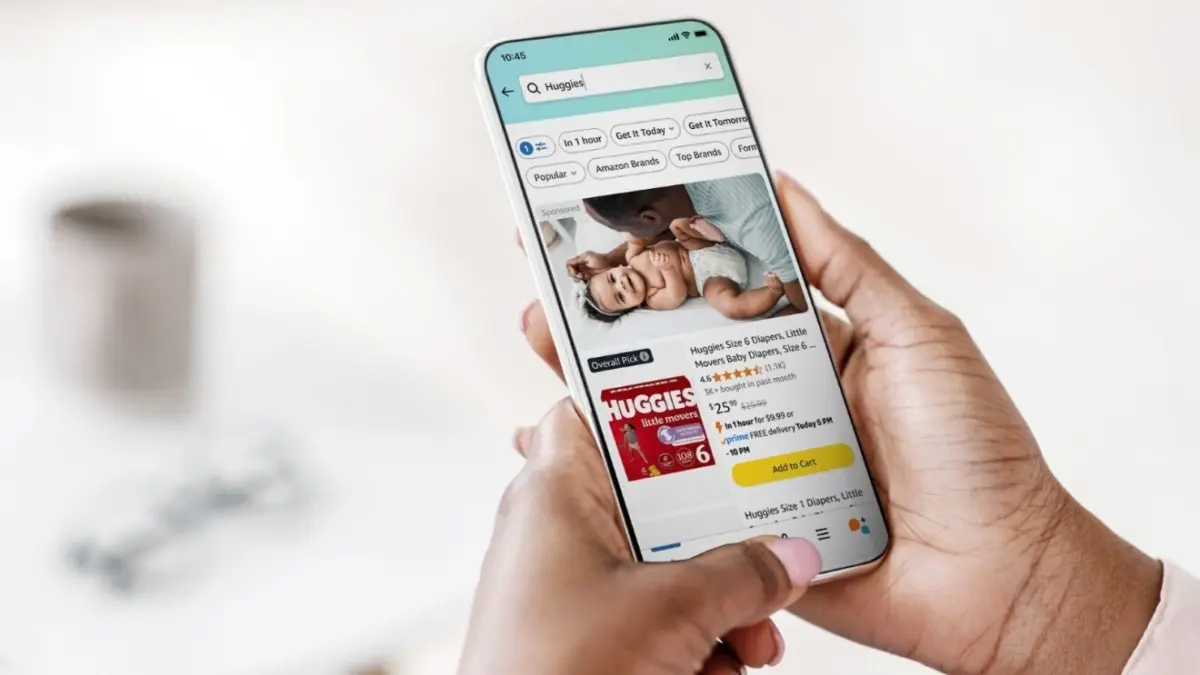
The feature itself is housed within Amazon’s broader customization architecture. On desktop platforms, users can locate the page by navigating through the account menu, selecting "Your Account," and proceeding to the "Ordering and shopping preferences" section to find "Your Shopping preferences." From there, scrolling to the bottom of the page reveals a hyperlinked option labeled "Manage your information," which opens the curtain on the algorithmic profile. Mobile application users can access the same data by tapping the navigation menu, opening the account settings, and following the path through shopping preferences to the "About you" section.
While these preference fields allow users to manually input details such as shoe sizes, dietary restrictions, and personal interests, the automated inferences generated by Amazon’s data models are what caught the internet off guard. For many users, the profiles reflect accurate, if somewhat mundane, representations of their daily lives and consumer habits. Other observers testing the feature discovered that Amazon had correctly mapped out niche hobbies, professional interests, and consumer ecosystems. One user found that the platform accurately noted their regular engagement with photography equipment, collectible card games, and deep investments in the Apple hardware ecosystem. Another noted that Amazon flatteringly observed a penchant for diverse non-fiction reading, effectively casting the shopper as an intellectually curious consumer with a broad literary appetite.
Additional reviews from other tech writers and colleagues revealed similar patterns of algorithmic profiling. Several accounts correctly identified interests in vinyl records, ceramic art, home decor centered around natural materials, and clothing choices prioritizing comfort. While none of those professional observations crossed into the territory of physical anatomy, the viral Threads user deduced why her profile took a more intimate turn. She noted that the distinct physical assumption was almost certainly the result of an online order for "butt scrunch leggings," demonstrating the hyper-specific correlation algorithms draw between niche apparel purchases and physiological traits.
The sudden public fascination with Amazon’s profiling tool highlights a broader, ongoing cultural unease regarding the sheer volume of data collected by modern technology companies. While consumers are generally aware that major platforms track purchasing habits to optimize targeted advertising and product recommendations, seeing those data points translated into blunt, plain-language assertions can be jarring. It serves as an intimate reminder of how closely automated systems monitor consumer behavior, transforming ordinary shopping carts into psychological and physical portraits. In an era increasingly defined by pervasive digital surveillance and automated data collection, discovering that an algorithm has formed a definitive opinion on one’s physical attributes offers a uniquely modern realization of just how transparent consumer lives have become to the platforms they use every day.