





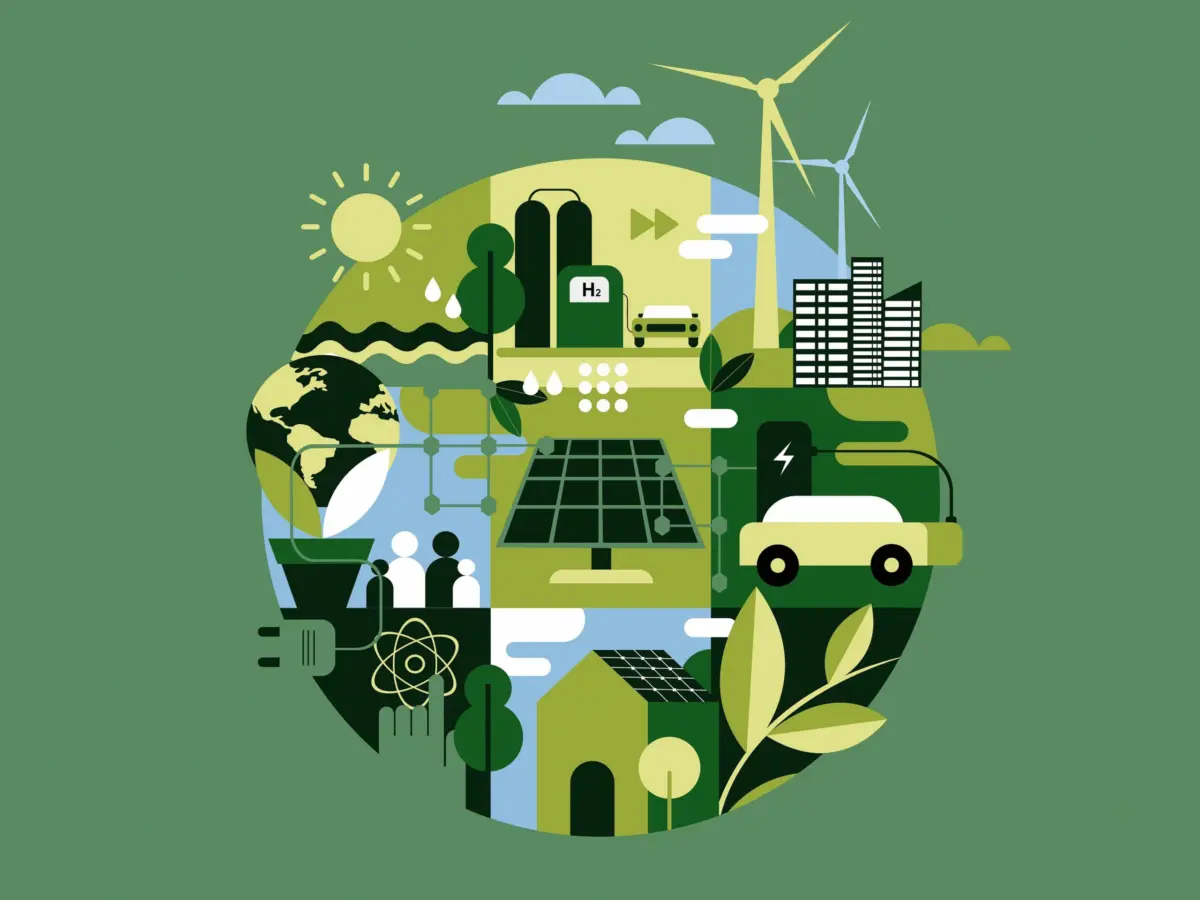
As urban centers across the globe continue to grapple with rapid population growth, resource scarcity, and the demands of modernization, an increasing number of municipal governments are turning to advanced technologies to improve livability for their residents. From metropolises like Dubai and Paris to Coral Gables, Fla., cities have heavily invested in sophisticated digital infrastructure. Municipalities now routinely utilize data harvested from smartphones and a vast array of Internet of Things sensors for traffic enforcement, automated traffic control, and streamlined waste management. Furthermore, many local governments have implemented complex artificial intelligence and deep learning programs to optimize urban operations and predict future infrastructure needs.
However, along with the undeniable conveniences and efficiencies that accompany a smart city transition, cities have encountered significant roadblocks. Urban planners and local leaders face mounting challenges regarding public safety, data privacy, and the erosion of trust between residents and city officials. Although numerous municipal initiatives have successfully delivered genuine innovations that improve daily life, not all projects have achieved their desired outcomes. Inefficient global coordination has frequently hindered progress, leaving projects plagued by unclear technical standards, socioeconomic disparities, and a notable lack of worldwide governance. This systemic fragmentation has too often resulted in a profound disconnect between cutting-edge technologies and a municipality’s actual operational ability to adapt to them.
At the same time, public trust in urban technology has suffered considerably due to recurring privacy breaches, personal data leaks, and a lack of transparency regarding how citizen information is collected and utilized. Because smart city projects represent complex and expensive endeavors that inherently involve a diverse array of stakeholders—including politicians, ordinary citizens, technocrats, and engineers—navigating these hurdles requires a coordinated, multidisciplinary approach. Successful municipal transformations demand that citizens remain fully engaged throughout the process, while also fostering strong, collaborative relationships among all participants. Because engineering serves as the foundational cornerstone of any digital urban transformation, technical expertise must be closely integrated with civic policy.
Establishing close partnerships with universities, research institutions, and specialized technology experts can effectively bridge critical knowledge gaps concerning the behavior of complex socio-technical systems. Yet, despite the clear need for multidisciplinary cooperation, the global community has historically lacked a unified, centralized platform where involved parties can freely discuss their practical experiences, share lessons learned, and establish best practices.
Finding Solutions Through Global Engagement
To help solve these complex challenges and provide a reliable anchor for modernizing municipalities, the IEEE Smart Cities Technical Community—formerly known as the IEEE Smart Cities Initiative—was originally launched in 2013 by IEEE Future Directions, an organizational unit dedicated to incubating emerging technologies and exploring innovative applications of existing ones. From its inception, the technical community has aimed to provide city leaders, urban planners, and engineers with credible, unbiased information and high-quality educational content developed by recognized IEEE experts.
Over the years, IEEE Smart Cities has significantly expanded its portfolio of services to better support the global urban modernization movement. Among its most prominent offerings is its flagship International Smart Cities Conference, which serves as a premier annual gathering for researchers and practitioners. The organization has also established a comprehensive media center loaded with educational and technical resources, alongside a competitive awards program designed to recognize and celebrate the best completed smart infrastructure projects executed by municipal officials. These vital platforms bring together practicing engineers, academic researchers, policymakers, and city leaders from around the world to collaborate, exchange ideas, and share practical experiences regarding the transition toward a mature smart-city model.
Better Serving Humanity Through Structural Evolution
As the initiative grew in scope and global reach, its institutional management underwent strategic updates. In 2021, the IEEE Power & Energy Society assumed management of the Smart Cities program, bolstered by strong collaborative support from the IEEE Communications Society, the IEEE Industry Applications Society, the IEEE Intelligent Transportation Systems Society, and several other allied IEEE entities.
While the dedication and determination of countless volunteers allowed IEEE Smart Cities to launch numerous valuable services early on, the program’s original structural framework ultimately imposed limitations on the development of long-term strategic projects and the creation of dynamic new activities. To effectively address this structural bottleneck and position the organization for sustainable future growth, the IEEE Technical Activities Board created a second-generation technical community ad hoc committee in 2021.
Operating initially as a pilot program, this transition involved the formation of a dedicated board of governors tasked with overseeing the community’s day-to-day operations and overarching leadership. Additionally, the committee drafted a comprehensive policies and procedures manual to streamline governance. These iterative improvements culminated in November 2025, when IEEE Smart Cities officially transitioned into a fully fledged Technical Activities Board technical community.
Today, this vibrant ecosystem boasts more than 7,000 active volunteers who collaborate across various specialized aspects of the community, participating within at least one of its core technical tracks. To support this expanding intellectual capital, the organization is actively developing an array of new webinar series, hands-on workshops, specialized conferences, and modern educational resources designed to keep professionals at the cutting edge of urban technology.
Recent milestones highlight the community’s expanding global footprint. Among them are the IEEE European Technology and Engineering Management Summit, held in May in Belgium with the next iteration planned for 2027, and the upcoming IEEE Sustainable Smart Lighting World Conference, scheduled to take place in Athens. Furthermore, the Smart Cities Ambassadors program works diligently to raise the technical community’s visibility outside of IEEE’s traditional boundaries by hosting targeted roundtables and collaborative events at external, non-IEEE functions.
Looking ahead, IEEE Smart Cities volunteers are actively working toward launching dedicated academic journals to publish peer-reviewed research in the field. Concurrently, new technical standards are being developed in close collaboration with the IEEE Standards Association, various IEEE societies, and specialized councils to ensure interoperability and safety across global municipal deployments.
To maximize its societal impact, the program maintains active partnerships with prominent external organizations, including the Open and Agile Smart Cities and Communities network, the Instituto de Competitividad e Innovación para el Desarrollo y Transferencia de Tecnología, and the International Project Management Association.
Ultimately, all of these strategic actions share the common objective of boosting IEEE Smart Cities’ overall growth, financial sustainability, and institutional resilience. By strengthening leadership pathways and enhancing educational offerings for technical community volunteers, the organization continues to refine its mission of guiding municipalities toward smarter, more sustainable futures. Professionals and researchers interested in contributing to these global initiatives are encouraged to visit the official Smart Cities website to explore volunteer opportunities.