





OpenAI is once again experimenting with how its conversational artificial intelligence assistant, ChatGPT, can help users as they shop online. On Thursday, the company announced the global launch of two new shopping features, marking its latest attempt to carve out a permanent space in the competitive digital retail landscape. The new additions include an innovative way to virtually try on clothing and accessories, alongside a dedicated favoriting function designed to help users save products they like for later reference, making the conversational platform more practical for everyday consumer tasks.
These updates arrive at a time when AI assistants across the technology sector are actively exploring consumer use cases around digital commerce and online shopping. OpenAI has previously tested the waters in this domain, but the journey has not been entirely straightforward. The company previously had to pivot from one of its earlier ideas in this space, an instant checkout feature that ultimately ended up not performing well with consumers. More recently, agentic AI startup Instinct began pushing proactive product recommendations to users, but some felt that these automated suggestions were an overreach, feeling more akin to intrusive advertisements than genuinely helpful recommendations. OpenAI’s latest rollout attempts to strike a more balanced approach by focusing on user-initiated tasks like visual exploration and curation rather than aggressive cross-selling.
According to the company, these new shopping features leverage the newly launched ChatGPT Images 2.5 model. OpenAI claims that this updated underlying model produces significantly more natural lighting and richer textures, follows complex editing instructions much more reliably, and noticeably reduces image generation latency compared to previous iterations. This technological foundation is what enables the assistant to render virtual try-ons with a higher degree of realism than might have been possible with earlier visual models.
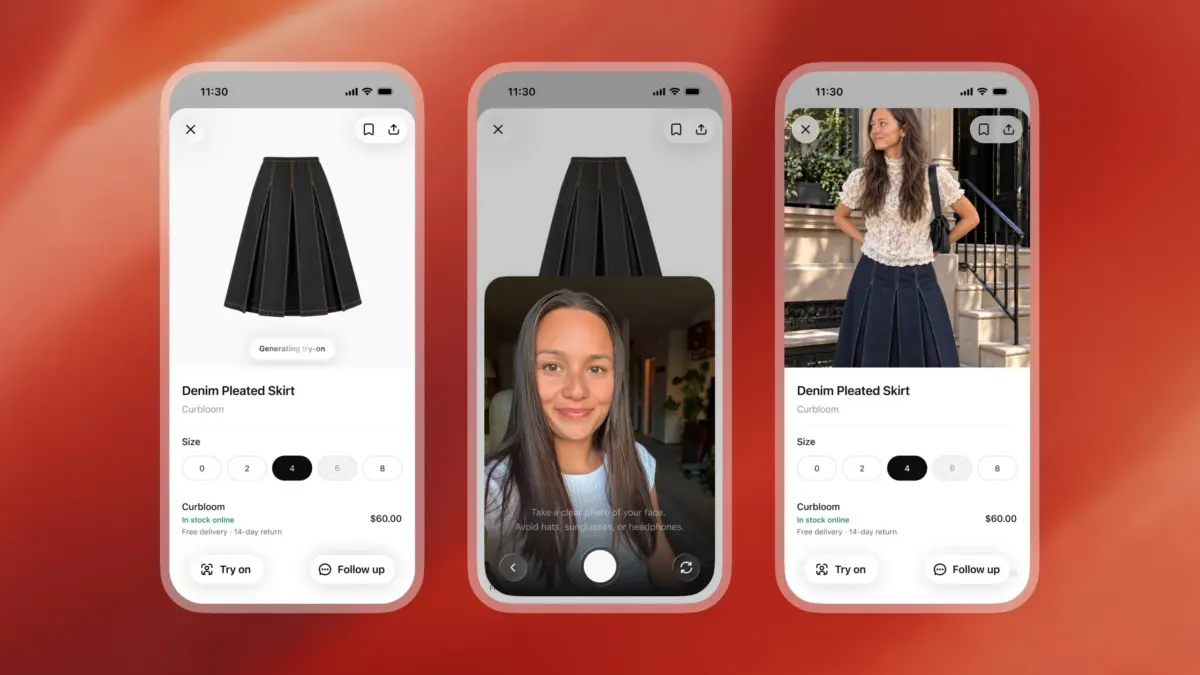
To start, the virtual try-on capability allows ChatGPT users to upload a selfie or a full-body photo in order to visualize how a specific article of clothing or a fashion accessory might look on them. This option will appear as a new "Try On" button directly within ChatGPT’s shopping results whenever relevant products are displayed. Beyond uploading personal photos, users can also upload an image of an item found elsewhere on the web, such as a screenshot from a retailer’s website, and ask ChatGPT to try it on for them digitally, bridging the gap between external inspiration and personal visualization.

The other new option, dubbed Favorites, lets users save products they discover during their chats to a centralized Library within the app so they can easily come back to them later. OpenAI notes that these saved items will live alongside the user’s generated try-on images, keeping all shopping-related exploration neatly organized in one place within the application interface.
Beyond these two primary additions, OpenAI highlighted that ChatGPT can assist users with shopping in a variety of other ways as well. For instance, a user could describe a specific mood, aesthetic, or style that they would like to try, and then ask the assistant to shop for the individual pieces needed to complete that look from scratch. Alternatively, users can upload photographs of celebrity outfits and ask the assistant to identify and find the exact items they are wearing that are currently available for purchase online.
This latter capability sees the AI assistant moving directly into territory that established platforms like Pinterest and Google have dominated in recent years. Both Pinterest and Google have long served as primary digital sources for fashion inspiration and visual discovery, successfully converting user searches and exploratory browsing into actual sales for online retailers.
Whether ChatGPT will ultimately become consumers’ first choice for this type of retail activity, however, remains to be seen. The competitive landscape is fierce, especially given that Google launched its own virtual try-on feature for apparel last year, giving the search giant an established head start in integrating visual simulation directly into shopping queries. As OpenAI rolls out these features globally, consumer adoption will dictate whether conversational AI can successfully transform how people discover, visualize, and purchase fashion online.