






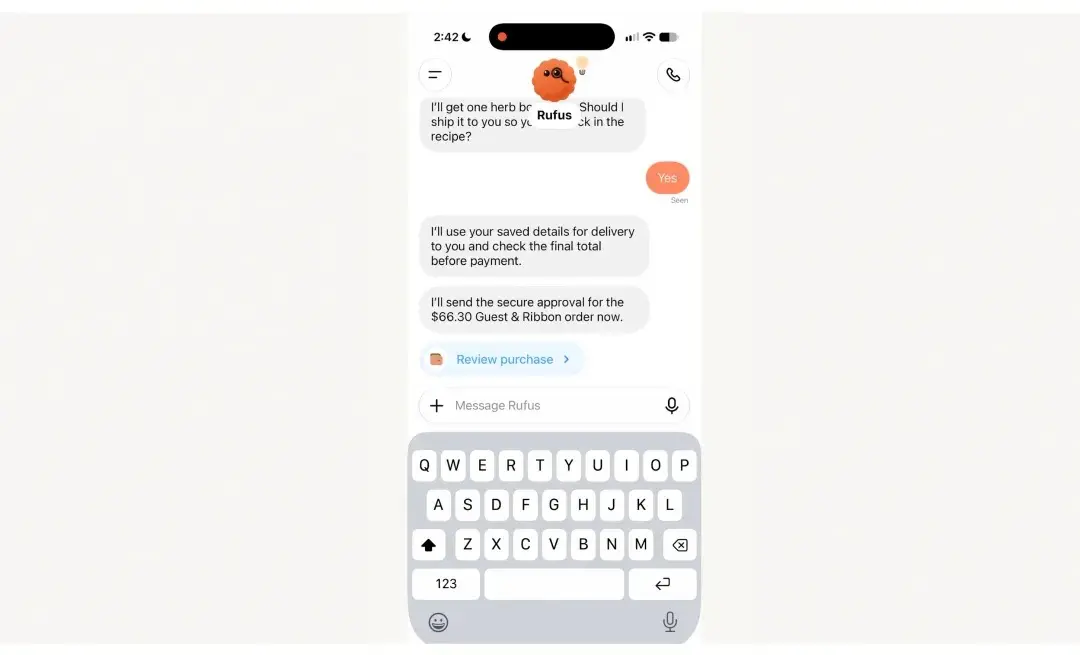
ChatGPT can now go beyond answering questions, writing code, and brainstorming ideas—it can now actively shop for you. OpenAI has rolled out a brand-new wallet feature that allows its AI agents, known as dots, to help users decide what to buy and then seamlessly complete the entire purchase on their behalf.
Initially, this new capability is rolling out to a limited audience. It is available exclusively to adult U.S. ChatGPT Pro subscribers ages 18 and older who possess a U.S.-issued Visa, Mastercard, or American Express card. By restricting the initial launch, OpenAI aims to thoroughly test and refine the feature and its underlying security capabilities before introducing it to a broader global audience.
OpenAI is emphasizing that users maintain complete control over every transaction. Before any checkout takes place, users are given the opportunity to thoroughly review the selected items, the final total cost, and the specific payment card that will be charged. Furthermore, transactions cannot happen autonomously at this stage without direct user intervention; buyers must explicitly approve purchases using a biometric security check, such as Face ID or a fingerprint scan. This verification step also establishes a clear and transparent record of the transaction.
The introduction of the ChatGPT Wallet arrives at a critical juncture for consumer-facing artificial intelligence tools. Across the technology sector, companies are racing to find the right product-market fit for agentic AI, specifically figuring out how these digital assistants can meaningfully help people save time and improve efficiency as they complete complex daily tasks.
Adoption metrics for agentic commerce have varied wildly across the industry. While delivery and transport platforms like DoorDash and Uber have reported relatively low numbers of orders actually placed by automated AI agents so far, other platforms are seeing massive engagement. Meta’s AI assistant, Muse, which has quickly scaled to over 10 million users, has found that AI-assisted shopping has rapidly evolved into one of the top activities performed within its application. Meanwhile, other dedicated personal AI agents, such as Instinct, have similarly integrated capabilities allowing them to make purchases directly on behalf of their users.
Given these shifting consumer habits and the broader industry trend toward transactional AI, it comes as little surprise that OpenAI would choose to enter this space directly with a native, agentic shopping feature of its own.
Getting started with the new feature is designed to be straightforward for eligible subscribers. Users begin by adding their supported payment cards into the newly introduced ChatGPT Wallet. Once the setup is complete, they can ask their dot assistant to help them find, evaluate, and purchase products. Because this is a one-time configuration process, users are spared the tedious task of repeatedly re-entering their payment details every single time they wish to make a purchase.
When it is finally time to check out, the ChatGPT Wallet charges the chosen payment card using a secure payment token. This token acts as a cryptographic substitute for the user’s actual card details, ensuring that sensitive financial information is never shared directly with either the AI dot or the merchant.
Simultaneously, the merchant automatically receives the essential fulfillment details it needs to process and ship the order from the dot, such as the correct shipping address and relevant contact information. OpenAI notes that customers who choose to shop through their dots will still enjoy the standard benefits they are accustomed to with traditional online shopping. This includes earning their standard credit card reward points and maintaining access to standard consumer protections, such as the ability to dispute transactions through their financial institution if something goes wrong.
Looking ahead, OpenAI has ambitious plans to expand the functionality of the ChatGPT Wallet. In future updates, the company intends to provide users with even greater control over their shopping agents by allowing them to establish strict spending limits. Users will also be able to configure parameters around specific purchase categories or designated time periods, enabling them to pre-approve certain types of purchases that their AI agent can then handle much more autonomously.
In addition to expanding user controls, OpenAI aims to make agentic shopping an accepted option across a vastly broader number of supported online retailers. However, achieving widespread retail integration may present significant hurdles. Some merchants have pushed back against the wave of automated shopping tools, with various retailers actively blocking AI agents from accessing and operating on their websites. On the retail front, the largest company to implement a ban against AI agents is Amazon, which has sought to block external scrapers and automated buyers in order to steer consumers toward its own proprietary AI shopping assistant, Alexa.
To help bridge the gap and encourage traditional retailers to adapt to the rising tide of agentic commerce, OpenAI has published a resource called the Commerce Partner Playbook. This guide provides tools, documentation, and strategic guidance to e-commerce websites and merchants that want to proactively support customers who prefer shopping using AI agents.
As OpenAI continues to gather feedback and monitor system performance during this initial limited rollout, the company will use real-world data to iron out bugs, enhance security protocols, and prepare the infrastructure for a wider public release.