


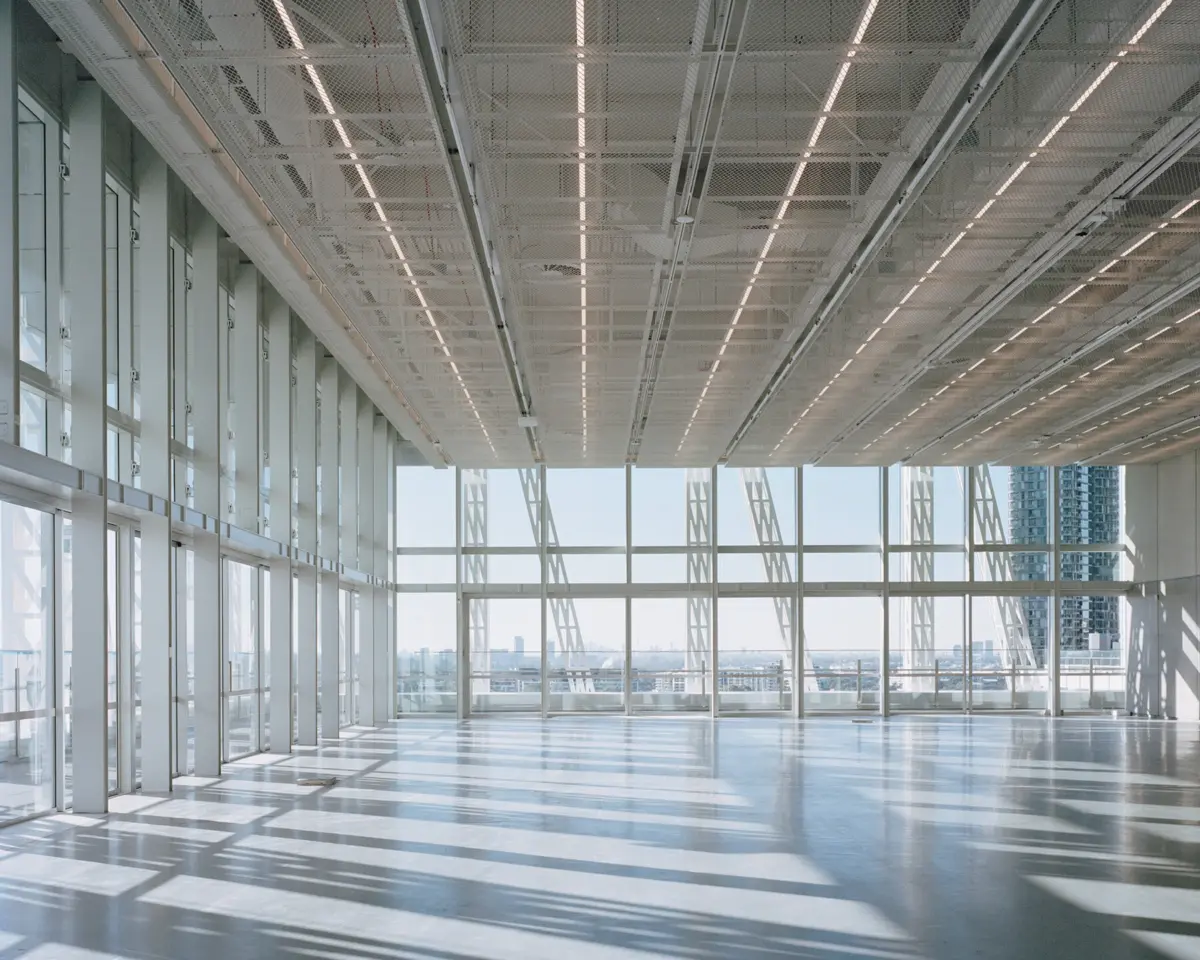
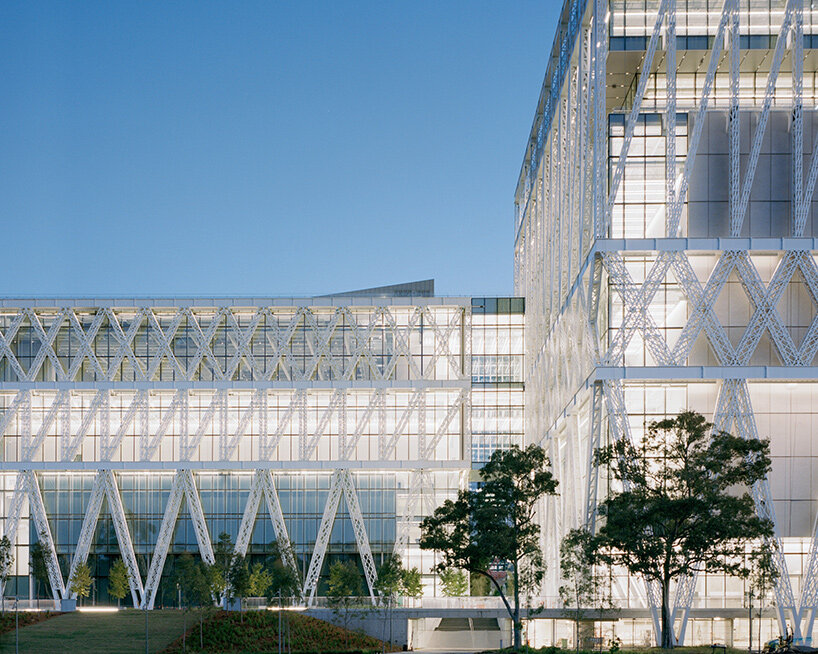
Behind an intricate, luminous white exoskeleton that has quickly become a striking landmark along the Parramatta River, the long-anticipated Powerhouse Parramatta museum is officially welcoming its first visitors. Opening to the public on November 7, 2026, the monumental cultural institution marks a historic milestone for Western Sydney, serving as the region’s very first state cultural institution and the largest museum ever constructed in the state of New South Wales.
Spanning more than 18,000 square meters of expansive public and exhibition space, the striking new building provides a permanent, state-of-the-art home for the Powerhouse’s renowned collections encompassing art, design, science, and technology. As doors open for the inaugural season, more than 3,000 objects are presented across five major opening exhibitions. Designed to engage diverse audiences from across Australia and around the globe, the opening program features immersive, large-scale installations by internationally celebrated figures such as Es Devlin and James Turrell, alongside visionary contributions from architectural powerhouses like OMA/AMO.
Striking Architecture by Moreau Kusunoki and Genton
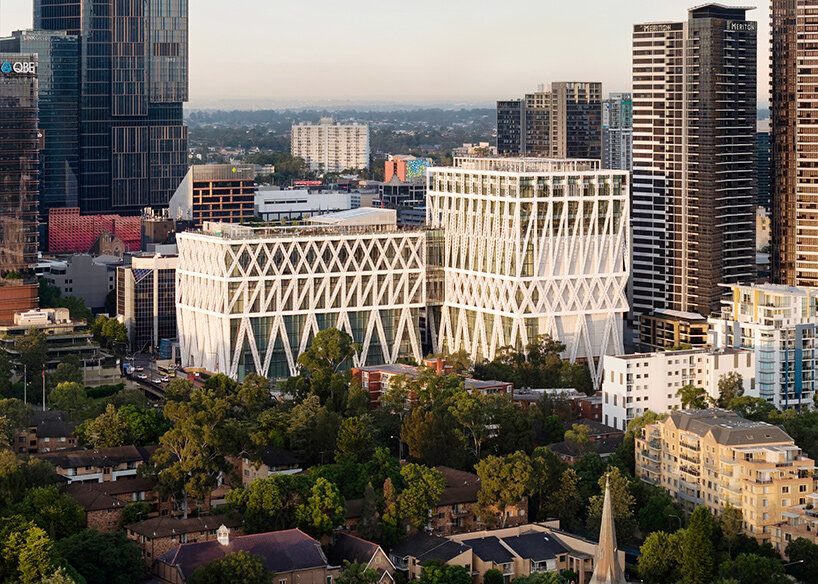
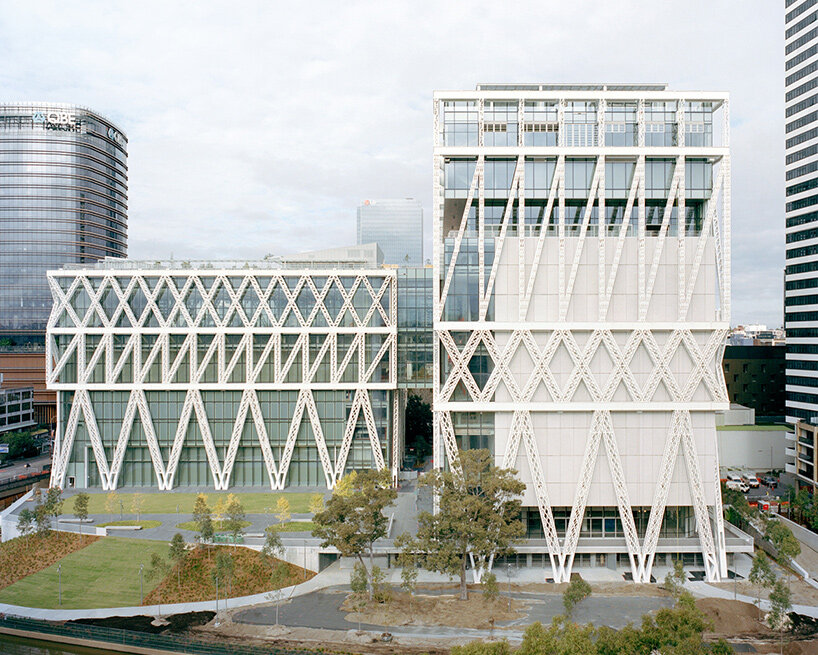
The museum’s distinctive appearance is defined by its cutting-edge steel exoskeleton, an architectural feat that has steadily established a commanding presence along the waterfront throughout its construction phases. The building was conceived through an international design collaboration between the French-Japanese architectural studio Moreau Kusunoki and the Australian practice Genton. Together, the firms designed a structure comprising two large, monumental volumes entirely enclosed by an outward-facing white structural lattice.
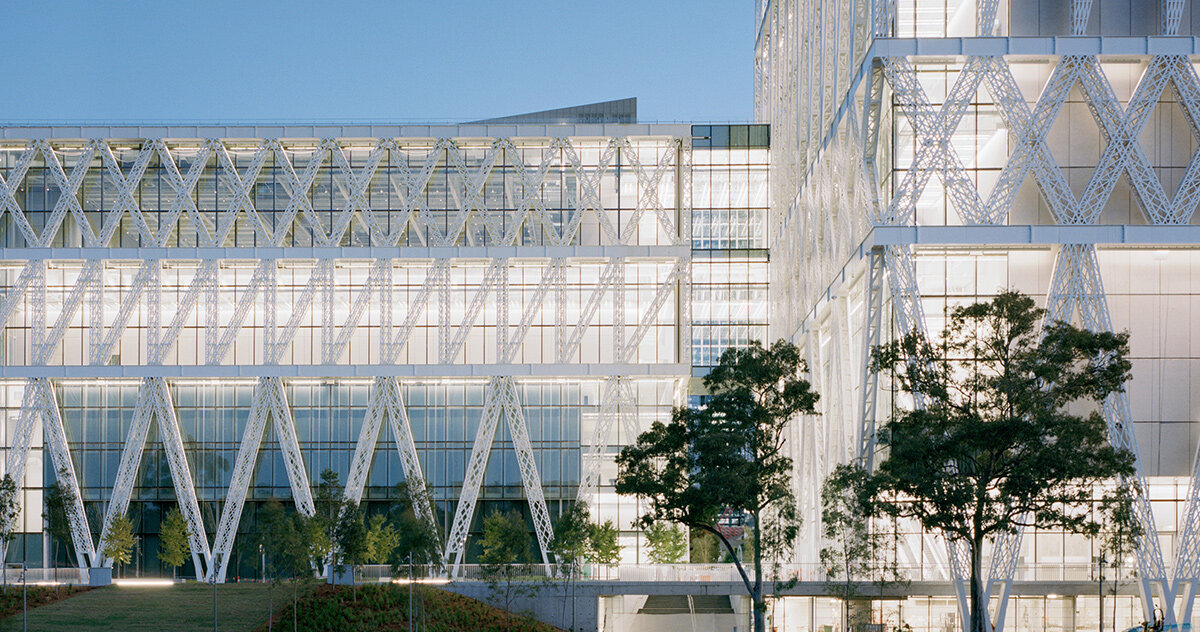
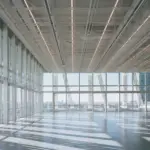
This innovative engineering approach does far more than create a visually arresting facade; it provides practical functional benefits for a modern cultural facility. By shifting the structural support to the exterior framework, the architects engineered completely column-free interiors. These vast, open-plan spaces grant the museum extraordinary flexibility, allowing curators and visiting artists to adapt the galleries for installations of wildly varying scales, dimensions, and technical complexities.
Beyond the threshold of the exhibition halls, the architectural vision extends outward to integrate the museum into the surrounding urban fabric of Western Sydney. The project introduces extensive new public spaces along the riverbanks, including a thoughtfully landscaped public square that seamlessly connects the museum grounds to the flowing waters of the Parramatta River. Additional architectural features—such as a sweeping rooftop garden, an integrated observatory, and dedicated spaces for dynamic educational programming—extend the building’s utility far beyond conventional, closed-door exhibition halls. With the physical construction now complete, the focus has shifted entirely to the vibrant array of artists, collections, and communities animating its voluminous interiors.
Es Devlin’s The Turning Invites Visitors into the Artwork
Among the premier highlights of the inaugural programming is The Turning, the first major Australian museum exhibition dedicated to the celebrated British artist and stage designer Es Devlin. Known worldwide for her breathtaking, large-scale sensory installations and theatrical environments, Devlin brings together a collection of five major works that deeply probe the intricate relationships connecting human perception, collective memory, and the natural world.
The comprehensive exhibition features Forest of Us, an immersive mirrored labyrinth that draws striking visual and biological parallels between the branching, intricate structures of human lungs and the canopies and roots of trees. Another standout work, Memory Palace, presents visitors with a sweeping, three-dimensional sculptural landscape that traces pivotal moments and milestones that have shaped human understanding and civilization across a span of 75,000 years.
In Collective Portrait, the exhibition takes on a deeply personal and interactive dimension. Visitors are invited to sit directly opposite complete strangers and sketch one another, directly contributing to a living, continuously evolving installation. Additional works within the presentation explore the nuances of drawing and the rich biodiversity native to the Sydney region, actively encouraging audiences to step out of a passive viewing role and become active participants in the artistic process.
James Turrell Creates an Immersive Landscape of Light
American artist James Turrell contributes another cornerstone to the ambitious opening lineup with Shangri La (Over The Hump), a monumental and hypnotic light installation presented as a central component of Task Eternal—an overarching exhibition examining humanity’s enduring fascination with flight, aviation, and the exploration of space.
The immersive artwork belongs to Turrell’s celebrated and globally recognized Ganzfeld series, which utilizes advanced manipulations of light and color to intentionally alter the human viewer’s psychological and spatial perception. Upon entering the installation, visitors find themselves enveloped in an environment of shifting, seamless hues where traditional perspective breaks down, the horizon appears to completely dissolve, and familiar spatial boundaries become nearly impossible to distinguish. Rooted in Turrell’s decades of rigorous artistic and scientific research into human vision and sensory psychology, the installation offers an uncanny, profound encounter with the inherent uncertainty of depth, distance, and visual reality.
Five Inaugural Exhibitions Launch the Public Program
Complementing these major solo presentations, the broader opening program unfolds across several diverse galleries to explore multifaceted themes of culture, history, and daily life. Among them is The Mall, an insightful exhibition developed in collaboration with OMA/AMO that critically examines the profound cultural, social, and economic history of shopping centers and consumer spaces.
Local and regional narratives are brought to the forefront through Overflow, a powerful First Nations-led exhibition that investigates complex, historical, and contemporary relationships with water across the landscapes of New South Wales. For younger visitors and families, an imaginative and immersive children’s exhibition titled The Dark rounds out the five core inaugural presentations, ensuring that audiences of all ages find entry points into the museum’s diverse offerings.
The public opening of Powerhouse Parramatta also marks the commencement of a vibrant 23-day festival. Featuring a packed schedule of live performances, interactive workshops, dynamic public conversations, and community events, the festival brings immediate energy and movement into both the newly minted galleries and the surrounding public plazas. Together, these exhibitions and inaugural events represent the long-awaited realization of a cultural hub designed from the ground up to serve the artists, historical collections, and diverse communities of Western Sydney and beyond.