



In the contemporary art landscape, few gestures are as profound as those that attempt to capture the fleeting, catastrophic moments of human history and anchor them into physical space. This is precisely the conceptual terrain explored by artist Saman Sasan Oskouei in his latest sculptural installation, located in Lisbon, Portugal. By turning a transitory, violent image—specifically the devastating visual footprint of a bomb blast cloud—into a lasting spatial presence constructed from raw earth, the work bridges the gap between instantaneous destruction and the slow, enduring processes of geology and architecture.
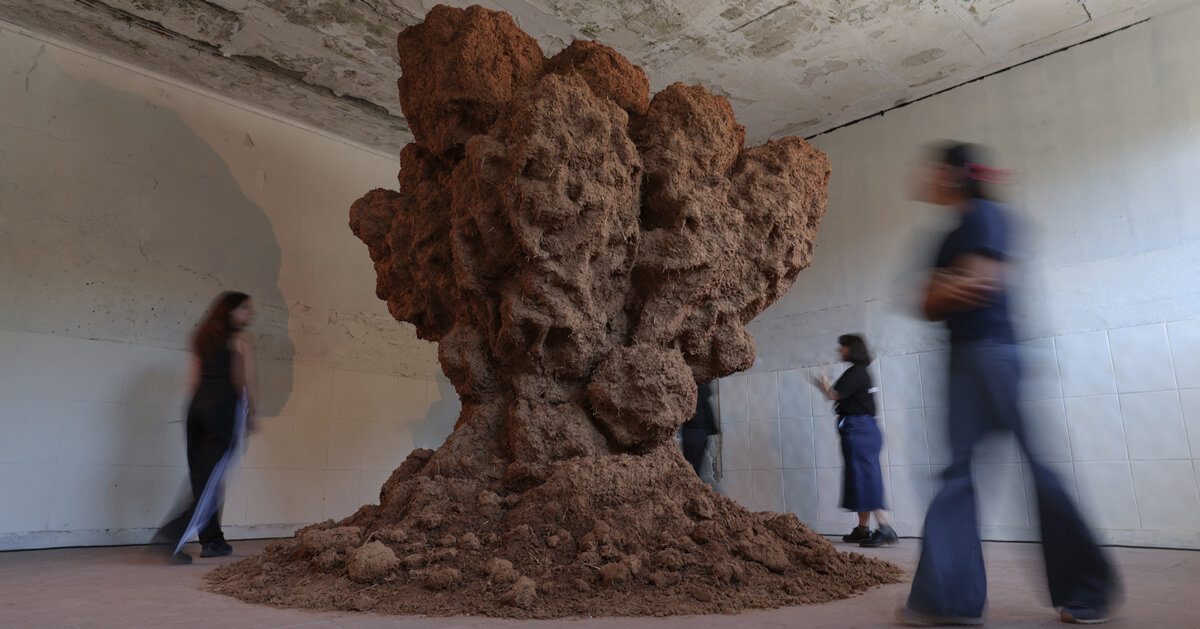
The project relies on a deeply symbolic material palette, utilizing adobe and soil to construct a monumental form that defies its volatile origins. As the raw earth and adobe material hardens under the environmental conditions of Lisbon, the sculpture undergoes a fascinating metamorphosis. What begins as a representation of a destructive shockwave gradually shifts in visual and conceptual character, ultimately taking on the organic appearance of a natural landscape. This transformation from a symbol of volatility into a static, earthen terrain forms the core narrative of Oskouei’s artistic inquiry, challenging viewers to rethink the relationship between humanity, nature, conflict, and permanence.
Turning a Fleeting Image into a Lasting Spatial Presence
At the heart of Saman Sasan Oskouei’s installation in Lisbon is a powerful paradox: the immortalization of the ephemeral. A bomb cloud is, by its very nature, a picture of momentary chaos. It exists for mere seconds—expanding, dissipating, and vanishing into the atmosphere, leaving behind physical ruin but no permanent physical trace of its iconic mushroom-shaped silhouette. It is an image overwhelmingly consumed through digital screens, news media, and historical archives as a fleeting symbol of terror and abrupt devastation.
Oskouei intervenes in this cycle of mediated destruction by giving the ephemeral cloud a permanent, physical body. By translating the transient visual of the blast into a solid sculptural installation, the artist forces an encounter between the viewer and the shape of catastrophe on a human and architectural scale. Yet, rather than utilizing industrial materials typically associated with warfare, such as steel, concrete, or shrapnel, Oskouei chooses earth, soil, and traditional adobe. This choice immediately subverts expectations, grounding a symbol of high-tech destruction in the most primordial and ancient of building materials.
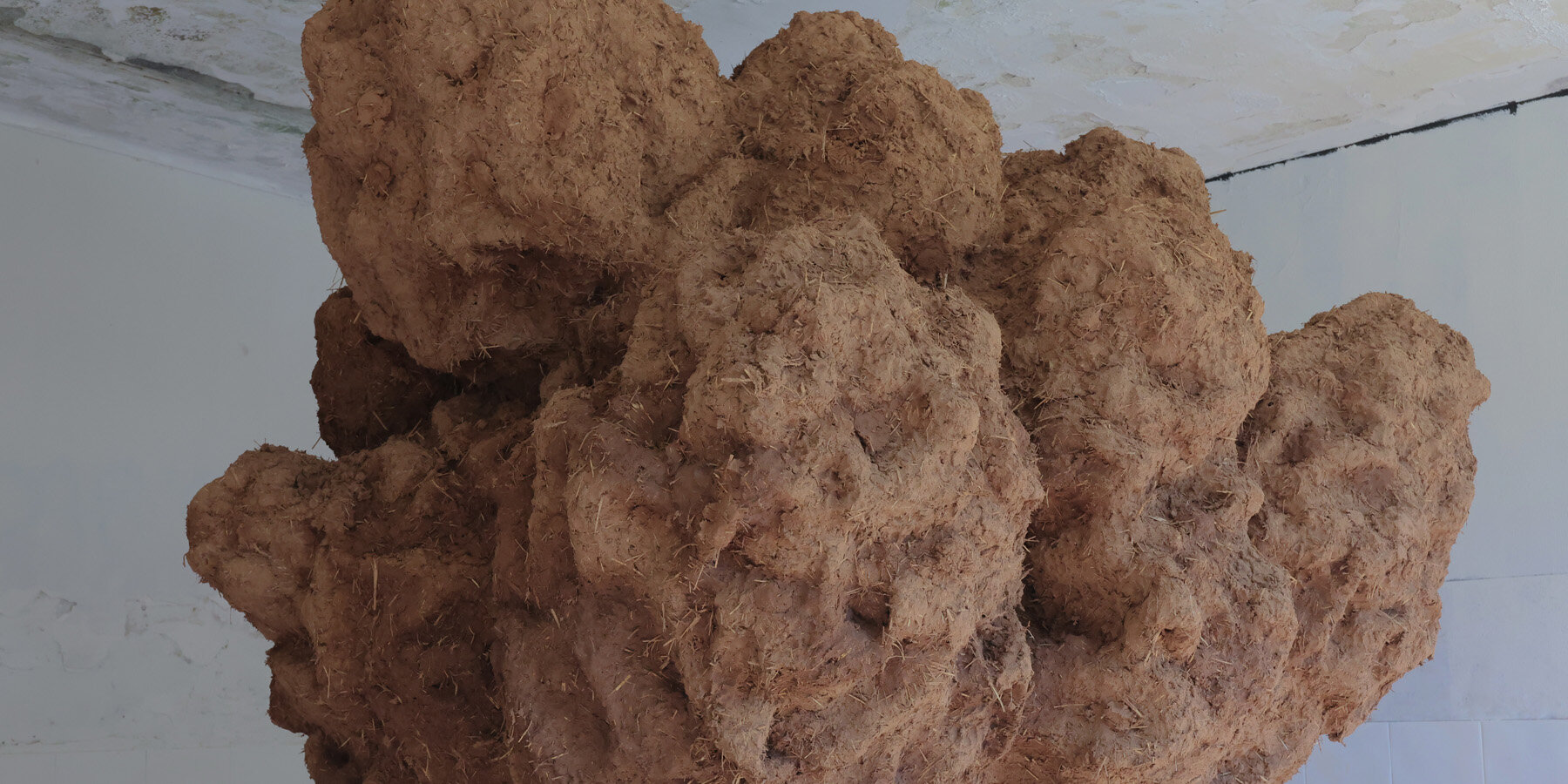
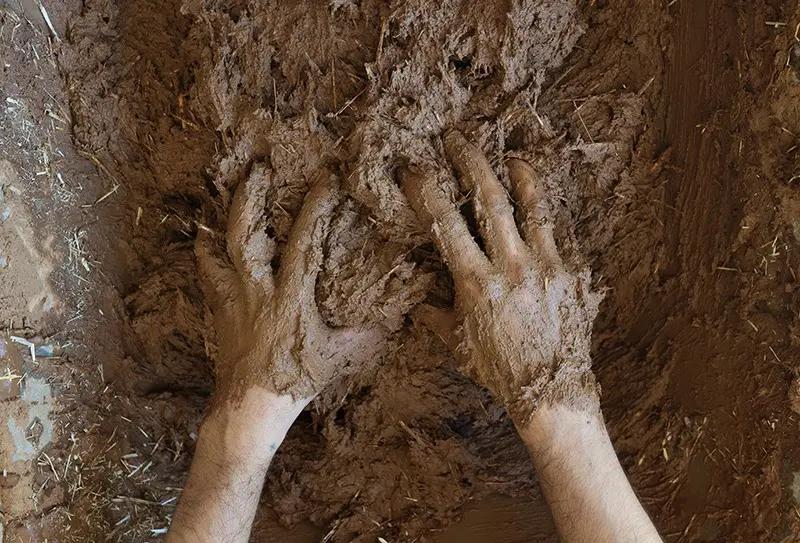
The process of realization is as vital to the work as the final object. As the adobe mixture is sculpted, shaped, and left to dry, it interacts directly with the elements of Lisbon. The local climate, humidity, and sunlight play active roles in curing the sculpture, turning the installation into a collaborative effort between the artist and the environment. The resulting spatial presence commands the room or site it occupies, shifting the viewer’s perception from a passive observer of distant news imagery to an active participant standing in the literal and figurative weight of the installation’s title.
As the Adobe Hardens, the Bomb Cloud Takes On the Appearance of a Landscape
One of the most striking visual and conceptual evolutions of Saman Sasan Oskouei’s work occurs as the adobe material dries and hardens over time. When first sculpted, the silhouette undeniably references the devastating geometry of an explosion. However, as the moisture evaporates from the soil mixture, cracks form, textures settle, and the earthy tones of the material emerge, the sculpture begins to mimic the natural topography of the earth.
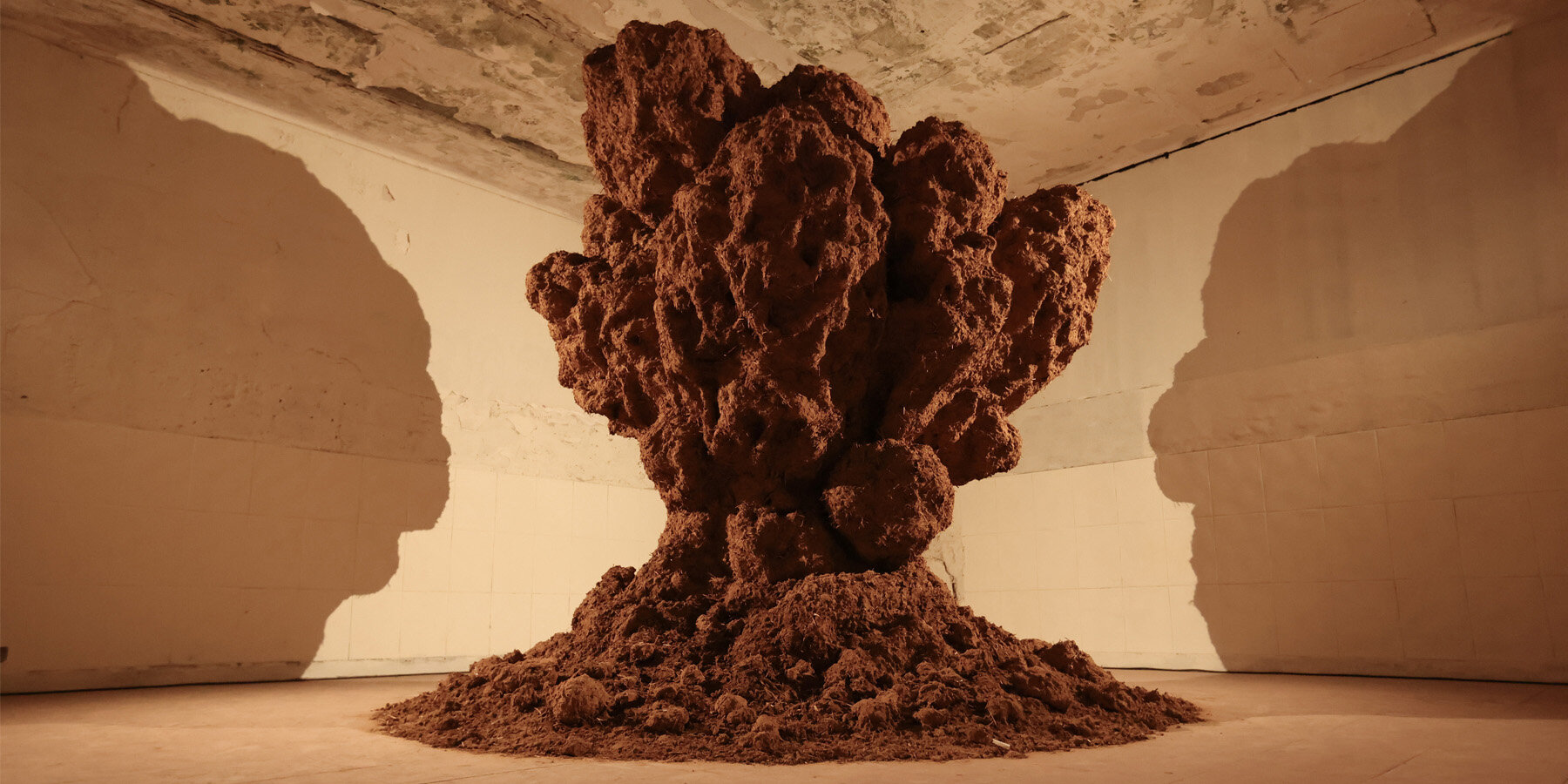
This visual transition—where a symbol of anthropogenic violence morphs into the likeness of a geological terrain, a hill, or a mountain range—carries profound philosophical weight. It speaks to the cyclical nature of time, where nature ultimately reclaims or recontextualizes human destruction. The hard, caked earth evokes tectonic shifts, erosion, and the slow formation of landmasses, suggesting a timeline that stretches far beyond the immediate moment of conflict. By conflating the shape of a bomb cloud with the contours of the earth, Oskouei poses difficult questions about the scars left on the planet and how societies attempt to process, heal from, or memorialize historical trauma.
The installation invites viewers to inspect the granular details of the surface. Up close, the soil reveals its composition—grains of sand, organic matter, and the fissures created by the drying process. These natural imperfections underscore the fragility of the structure while enhancing its resemblance to a real landscape. The monumental scale of the piece ensures that it cannot be easily ignored; it looms as both a warning and a meditation on the persistence of the earth long after human conflicts have played out.
Contextualizing Contemporary Spatial Art
Saman Sasan Oskouei’s work in Lisbon arrives amidst a vibrant international dialogue within contemporary art, where creators increasingly look to unconventional materials and site-responsive installations to engage with pressing global realities. Across Europe and beyond, artists are finding new ways to integrate architecture, weather, and raw elements into their compositions, pushing art out of the neutral white cube and into a direct dialogue with the built and natural environment.
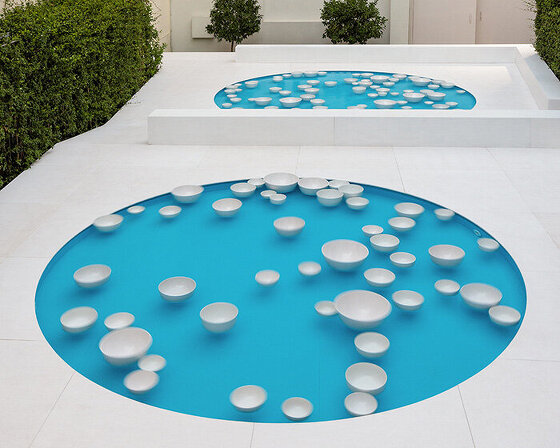
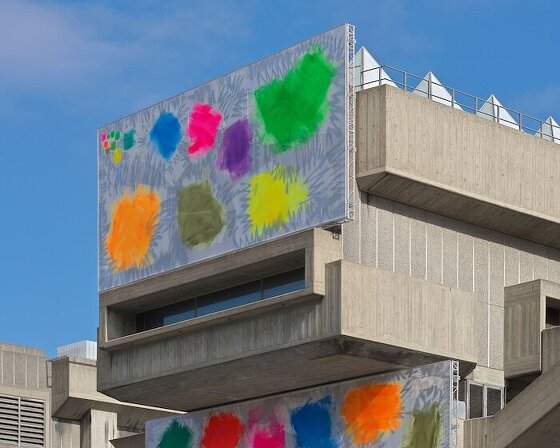
For instance, the ongoing exploration of spatial and environmental interventions can be seen in various high-profile contemporary projects across the art world. In Athens, artists like Céleste Boursier-Mougenot have explored how natural forces—such as water, weather, and the acoustics of porcelain—can turn outdoor installations into evolving, living compositions that respond dynamically to their surroundings. Similarly, in London, interventions on brutalist architectural facades by artists like Renée Levi demonstrate how industrial mesh, raw concrete, and vibrant color can temporarily alter public perception of urban spaces, merging architecture with ephemeral painting.
In Milan, the intersection of history, culture, and spatial design continues to unfold in multi-disciplinary spaces like the Prada Galleria, where fashion, art, and historical preservation meet across grand architectural floors. Meanwhile, historical and cultural retrospectives, such as the preservation and documentation of 20th-century Ukrainian folk art assembled by collaborative projects like GUNIA and Assouline in Naïve My Love, highlight a parallel desire to rescue fragile, overlooked, or threatened cultural narratives from disappearing into history.
Within this broader cultural context, Oskouei’s installation in Lisbon stands out for its stark sobriety and its focus on the materiality of memory. By grounding a terrifying modern symbol in the ancient medium of earth, the artist creates a bridge between the immediacy of contemporary anxiety and the deep, silent time of geology. The work does not offer easy answers or political slogans; instead, it provides a physical space for contemplation, urging viewers to witness how destruction can be re-envisioned, how materials transform, and how the landscape remembers what humanity tries to build and break.