



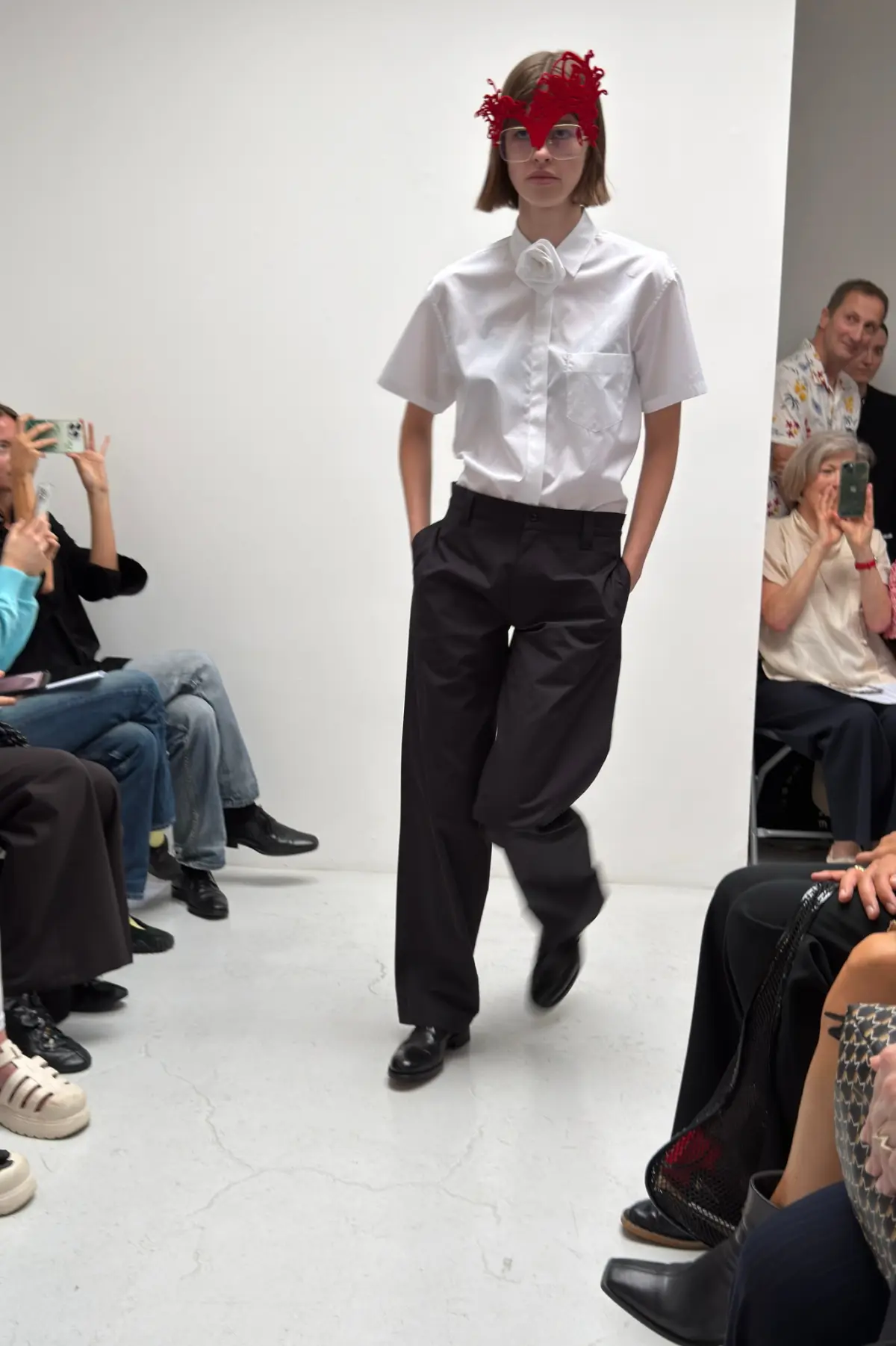
When Matt Empringham and Freddy Coomes debuted their latest collection under the banner of the A Letter show, anticipation among fashion critics and attendees ran high, yet the final presentation ultimately promised more than it ultimately delivered on the runway. Working with a compact cast of just five models, the design duo made the practical decision to have each model walk around the room twice. While this staging choice was largely driven by the physical limitations of working with such a small ensemble, it also served as an intentional bid to give their detailed garment work maximum airtime in an intimate setting.
Yet, the repeated circuits under the harsh light of the room only served to magnify the collection’s shortcomings, transforming what should have been a triumphant showcase into an uneven display. Backstage before the presentation began, Freddy Coomes spoke enthusiastically with reporters about the direction of the brand, articulating a desire to anchor this new collection more firmly in everyday reality. He explained that he and Empringham wanted the pieces to be much more grounded in clothes that people can actually wear and enjoy in their daily lives, moving away from pure abstraction toward a more tangible wardrobe.
On paper, the conceptual framework for the collection presented a fascinating and subversive twist on archetypal British staples. The design notes promised an elevated reimagining of familiar working-class and utilitarian garments, incorporating items such as the traditional donkey jacket, vintage men’s chinos, the quintessential Ben Sherman gingham shirt, and St. Michael’s underwear, to name but a few foundational pieces. Alongside these classic elements, the designers introduced a series of DIY details that sounded remarkably intriguing during the buildup to the show. These included delicate zigzag stitches applied directly to underwear elastic, daring raw-edged transparent jersey panels, and unexpected moments of calico spliced directly into rich silk.
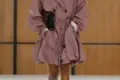
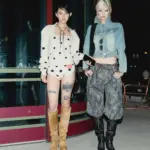
In reality, however, the execution of these ambitious concepts faltered, and the final ensemble frequently came off as unresolved and unfinished. Rather than looking deliberately deconstructed or masterfully distressed, key garments felt merely incomplete. Slipdresses, for instance, were given heavy boxy shapes that failed to flatter, featuring necklines that floated uncertainly against the body without a clear sense of structure or purpose. Elsewhere in the collection, sloppy tailoring details distracted from the overall aesthetic, with pocket linings peeking out unintentionally from beneath hems and seams left half-unstitched, eroding the polish required for a high-profile runway presentation.
Furthermore, certain design choices directly contradicted the designers’ stated intentions of creating realistic, everyday clothing. The inclusion of transparent backs that left nothing to the imagination completely belied the design duo’s repeated claims of focusing on practical, wearable garments. Instead of offering a grounded wardrobe for the modern consumer, these sheer panels pushed the garments back into the realm of impractical runway conceptualism. Compounding this disconnect was the fact that the much-publicized source wardrobe—the classic British staples heralded in the show notes—remained mostly out of sight, obscured or altered beyond recognition beneath layers of experimental styling and unfinished construction techniques.
Also entirely nowhere to be found was the delicate, diaphanous charm that had defined the designers’ previous outing last season. That earlier collection had been widely praised for its ethereal lightness and cohesive vision, creating high expectations for this follow-up. Instead of capturing that momentum, the current showing amounted to a collection that stumbled rather than soaring, falling flat of delivering the "really nice step forward" that Coomes so optimistically felt he and Empringham had successfully taken together.