





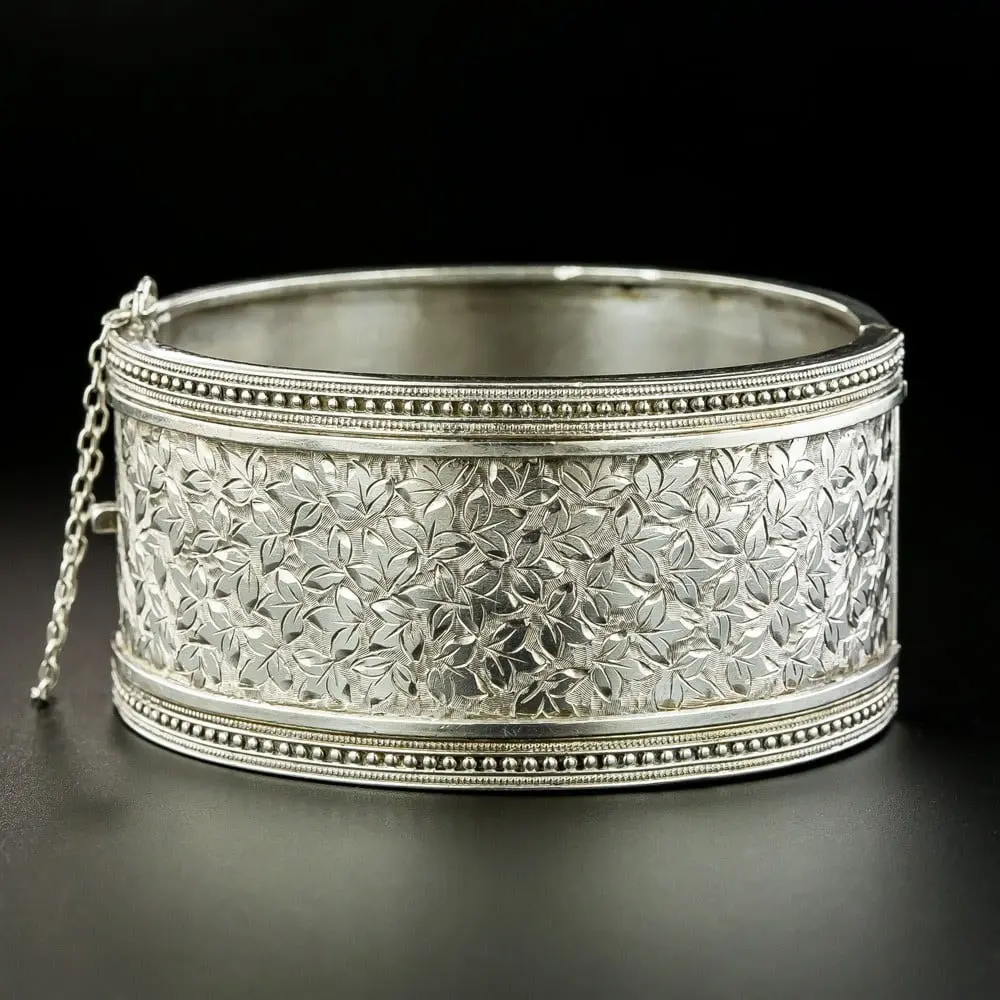
Silver has long occupied a unique place in human history, often overshadowed by the blinding allure of gold yet quietly driving the economic, technological, and artistic engines of global civilization. Represented on the Periodic Table by the symbol Ag, this white metallic element is harder than gold, softer than copper, and second only to gold in its extraordinary malleability and ductility. Because of its exceptional resistance to oxidation, it is classified among the noble metals. Throughout history, silver has played a pivotal role in the production of fine jewelry, coinage, and objets d’art, typically alloyed with other metals to provide the structural integrity needed to maintain complex shapes and delicate details.
While modern perspectives sometimes relegate silver to an inexpensive alternative to gold or platinum, viewing it as secondary in importance is a historical misconception. In various eras, silver was valued more highly than gold. When examining the sheer quantities of silver utilized in jewelry and decorative arts across the centuries, its usage vastly outweighs all other precious metals. Furthermore, this versatile white metal triggered far more technological advancements in mining and metallurgy than its metallic cousins, while access to silver deposits has frequently shifted the balance of power, funded empires, and shaped the course of wars.
Bronze Age Origins and Early Significance
The historical narrative of silver begins in the late fourth millennium BCE, when metallurgists in modern-day Turkey discovered they could extract silver from lead through a process known as cupellation. Although exceedingly few silver artifacts survive from this remote era, those that do endure reveal the remarkable technical capabilities of Bronze Age silversmiths.
At the dawn of written history in Mesopotamia, silver served as a foundational medium of exchange. Rather than circulating as standardized coins, silver functioned as a currency measured strictly by weight or shaped into portable rings. The Mesopotamian silversmith’s workshop closely mirrored that of the goldsmith, frequently operating out of the same physical space. Although silver is slightly less ductile than gold and demands more frequent annealing during fabrication, it possesses immense versatility. Artisans could cast it, hammer it into paper-thin sheets, engrave it, emboss it, execute intricate repoussé work, and embellish it with filigree and granulation. Archaeological discoveries of silver vessels, statuettes, and personal adornments indicate that high-purity silver was regularly employed, resulting in objects of striking softness.
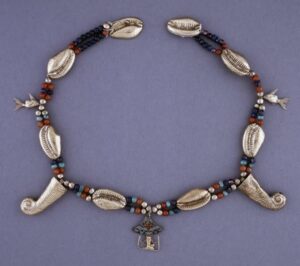
In ancient Egypt, where rarity and foreign provenance dictated value, silver was prized above gold. While gold was readily accessible from local sources in the Eastern Desert and Nubia, pure silver had to be imported over treacherous long-distance trade routes that also brought coveted Afghan lapis lazuli. Consequently, early Egyptian silver was treated as an elite, highly exclusive material reserved solely for the highest echelons of society.
By approximately 1600 BCE, however, the global supply of silver had expanded sufficiently to drive its value down to roughly half that of gold, establishing it as a reliable abstract currency. The popularity of silver in Egyptian culture fluctuated with the shifting tides of fashion; King Tutankhamun’s burial famously contained very few silver objects, whereas Pharaoh Sheshonq II was entombed within a magnificent, all-silver sarcophagus.
Meanwhile, across the Aegean, the Minoans and Mycenaeans incorporated silver into their extensive maritime trade networks, leaving behind a rich legacy of early Greek silver jewelry across the mainland, Crete, and Cyprus. It was the Phoenicians, however, who truly revolutionized the Mediterranean silver trade through their colonization efforts and the systematic exploitation of rich Spanish silver deposits. Their commercial network flooded the classical world with unprecedented quantities of the metal, permanently lifting silver out of its strictly exotic and exclusive status.
Classical Silver and Roman Luxury
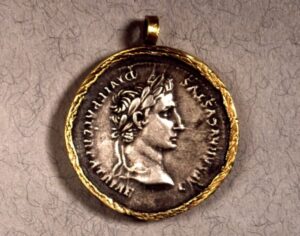
To both Greek and Roman civilizations, a steady supply of silver was an absolute economic necessity, underpinning the minting of reliable coinage. While gold appears more frequently among surviving personal adornments from the classical era—partly due to the continuous recycling and remelting of silver objects—surviving pieces demonstrate that silver was fashioned into finger rings, anklets, armlets, and hair ornaments.
The Romans developed a particular fondness for niello, a surface decoration technique resembling enameling but executed using silver sulfate rather than glass. Niello yielded a much tougher surface with a distinctive metallic luster, a technique that eventually spread throughout Northern and Eastern Europe during the Roman occupation.
The Roman fascination with silver—and the moral anxieties it provoked—was famously documented by the historian Pliny the Elder in his Naturalis Historia. Pliny chronicled the deep shaft mining required to extract silver ore from provinces like Spain, noting the immense scale of operations established by historical figures such as Hannibal, whose Spanish mines reportedly yielded three hundred pounds of silver daily. Pliny also detailed various methods used to test silver purity, ranging from thermal reactions on heated iron shovels to observations of how the metal reacted to human breath.
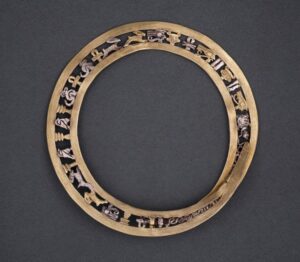
As Roman wealth expanded following conquests in Asia and Greece, a staggering culture of luxury emerged. Pliny lamented the extravagant evolution of Roman silver plate, contrasting the austere habits of early generals—who possessed meager amounts of silver and ate off common earthenware—with contemporary patricians who maintained massive services of silver plate weighing thousands of pounds, adorned their banqueting couches with silver, and even shod their animals in precious metals. Despite official moralizing, the obsession with master silversmiths and finely chased plate defined the material culture of the late Republic and early Empire.
Celtic and Medieval Silver Traditions
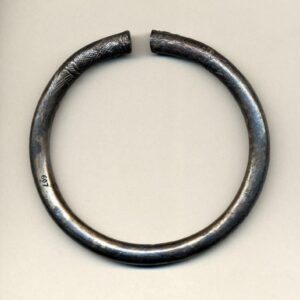
Among Celtic tribes across Europe, silver and bronze were the primary metals utilized for personal adornment, taking the form of elaborately decorated brooches, heavy torcs, and crescents known as lunulae. Prior to Roman contact, the Celts relied on "ring money"—standardized rings of silver, copper, bronze, or gold—purely as a medium of exchange rather than for personal wear.
With the collapse of Roman supply lines and trade networks, gold became an extreme rarity in Western Europe, thrusting silver into the premier position for jewelry and metalwork. Germanic and Anglo-Saxon jewelry of the early medieval period focused heavily on functional items such as fibulae, disc brooches, penannular brooches, and belt buckles, usually crafted from silver and frequently gilded or inlaid with garnet.
The Viking expansions beginning around 800 CE redirected enormous volumes of silver into Scandinavia, where silversmithing reached new artistic heights. This influx was further bolstered around the turn of the first millennium by the discovery of rich Swedish silver deposits. Germanic tribes enthusiastically adopted the Roman technique of niello, utilizing the striking black-and-white color contrast to accentuate intricate engraving patterns. A masterwork of this era is the 9th-century Anglo-Saxon Fuller Brooch, housed in the British Museum, which utilizes hammered silver sheet-metal extensively inlaid with niello to depict personifications of the Five Senses alongside symbolic animal and human motifs.
As medieval society evolved and Eastern trade routes reopened, gold reclaimed its status as the preeminent metal for elite jewelry. Nonetheless, expanding trade networks simultaneously fostered a burgeoning middle class, enabling prosperous citizens to adorn themselves in ways previously restricted to royalty and nobility. Those operating on more modest budgets turned to silver, broadening its application across finger rings, bangles, and pendants. By the close of the Middle Ages, the trade in silver jewelry and silverware had become strictly regulated through systems of assaying and hallmarking.
Renaissance, Baroque, and Georgian Developments
The Renaissance brought renewed economic vitality driven by international trade, urban expansion, and the influx of knowledge following the fall of Constantinople. However, the most transformative event for silver was the European exploration of the Americas. Following Spanish conquests in the New World, vast deposits of silver—notably in modern-day Mexico and South America—were discovered and exploited on an industrial scale from the mid-16th century onward. Enormous armadas transported these riches back to Europe, while a portion flowed directly across the Pacific to China to acquire Asian luxury goods. This steady stream of American silver ensured that the metal remained affordable, accessible, and widely utilized for both currency and accessible jewelry.
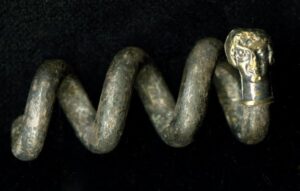
During the Baroque period of the 17th century, European powers vied fiercely for control of Atlantic trade routes, frequently intercepting galleons laden with South American silver. While fabrication techniques remained largely traditional, the era witnessed notable innovations. Portable timepieces emerged as novelties frequently housed in silver cases, and silversmiths began utilizing silver settings to mount diamonds. This technique was developed to complement the colorless brilliance of diamonds arriving in Europe through direct trade with India.
The Georgian era saw diamond imports surge to unprecedented levels, fueled by new discoveries in Brazil starting in 1727. While fine jewelry continued to be crafted predominantly in gold with silver-topped fronts, entirely silver items remained common, particularly in the cut-down collet settings designed to maximize the white brilliance of diamonds. Furthermore, the 1777 introduction of die-striking revolutionized production. By stamping and cutting metal components using mechanical presses, artisans could rapidly assemble jewelry pieces at a fraction of the cost of handmade goods. This innovation birthed the first mass-produced jewelry lines, inundating the market with affordable, die-struck silver items.
Victorian Industrialization and the Arts and Crafts Movement
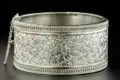
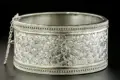
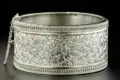
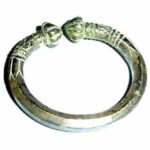
The Industrial Revolution of the Victorian era permanently transformed jewelry manufacturing through the widespread mechanization of stamping and die-striking techniques. Silver was utilized on an industrial scale to produce accessible, highly detailed ornaments for a rapidly expanding consumer market.
Cultural shifts also dictated design trends. Following Queen Victoria and Prince Albert’s acquisition of Balmoral Castle in 1848, Scottish agate jewelry surged in popularity, predominantly executed in silver in accordance with Northern European traditions.
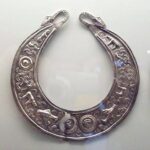
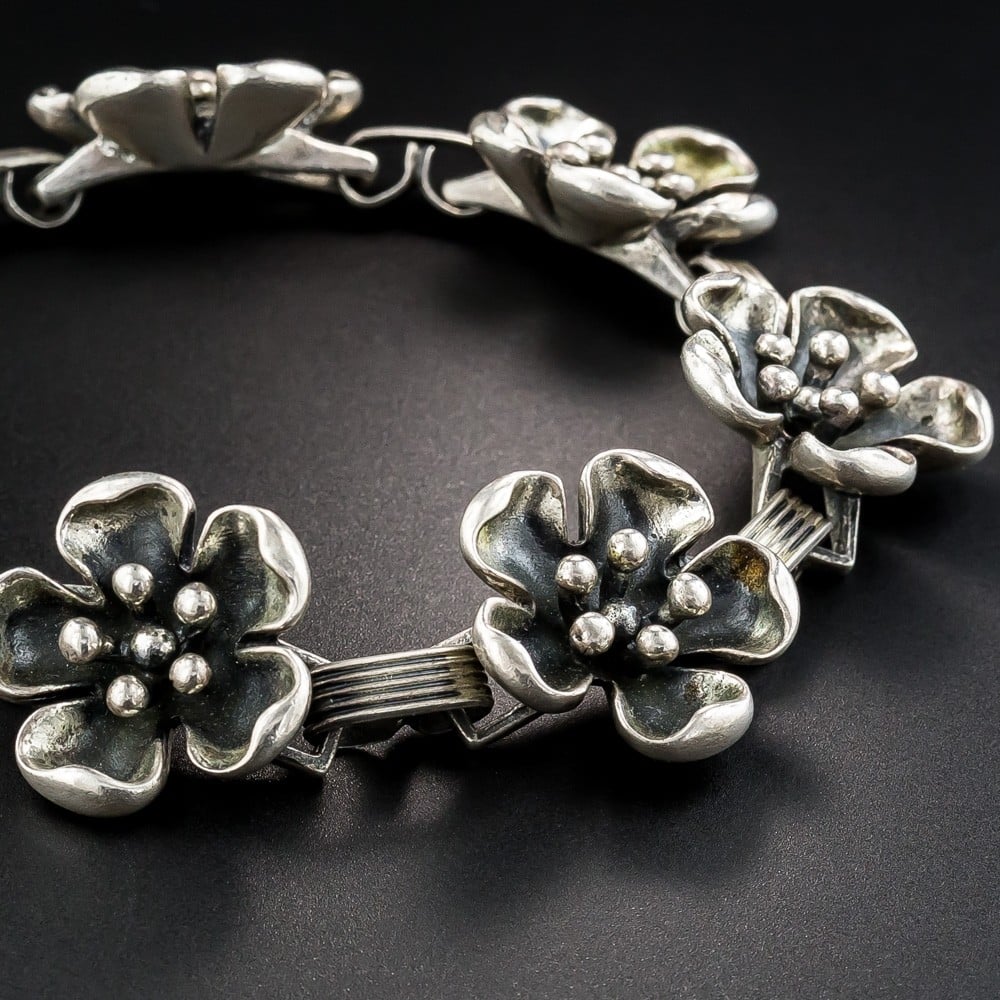
Toward the end of the Victorian period, the Arts and Crafts movement emerged as a direct ideological reaction against the mass production and industrialization of the era. Arts and Crafts artisans prioritized artistic design and handcraftsmanship over the intrinsic material value of precious metals and gemstones. Rejecting the highly faceted stones favored by industrial jewelers, these designers championed cabochon-cut stones in simple bezel settings, overwhelmingly selecting silver over gold as their metal of choice. Through every shift in taste, technology, and empire, silver has continually reinvented its role, cementing its status as one of the most enduring and essential elements in human history.