





Even before Tremaine Emory established his own globally recognized label, Denim Tears, his footprint on the contemporary fashion landscape was already profound and far-reaching. Over the course of a multifaceted career, Emory has lent his visionary aesthetic and cultural insight to a diverse array of popular and influential brands, including Stüssy, Marc Jacobs, and Yeezy. In these roles, he helped shape their distinctive looks and visual identities, cementing his reputation as a vital creative force behind the scenes. However, it is his work under his own banner, along with his high-profile partnerships, that has truly cemented his status as a modern design icon. Since launching Denim Tears, Emory has spearheaded groundbreaking collaborations with legendary luxury houses like Dior, heritage denim pioneers Levi’s, and footwear staple Ugg. Furthermore, his creative network extends deep into the contemporary art and design worlds, marked by close collaborations with visionary artist David Hammons and the late, revolutionary fashion designer and Off-White founder Virgil Abloh. For a brief, highly publicized time, Emory also brought his distinct perspective to the upper echelons of corporate streetwear when he served as the creative director at iconic skate and streetwear brand Supreme, navigating the complex intersections of independent design and global commercial retail.
Throughout this extensive career across various tiers of the fashion industry, Emory has consistently refused to separate his creative output from critical engagements with race, politics, and historical memory. Denim Tears was deliberately launched in 2019, exactly 400 years after the first documented enslaved Africans arrived in North America. The very name of the brand is heavy with socio-political meaning and historical weight, referring directly to cotton—the primary agricultural textile around which the brutal economy of American chattel slavery was built—as well as the immense physical and psychological pain, suffering, and generational trauma that Black people endured to plant, cultivate, and harvest it. By centering cotton as a foundational material and motif in his collections, Emory forces consumers and observers alike to confront the dark histories woven into the very fabric of daily clothing, turning garments into vessels for historical reckoning and cultural commentary.
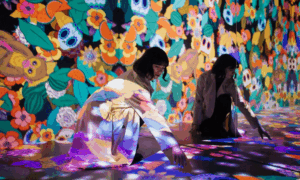
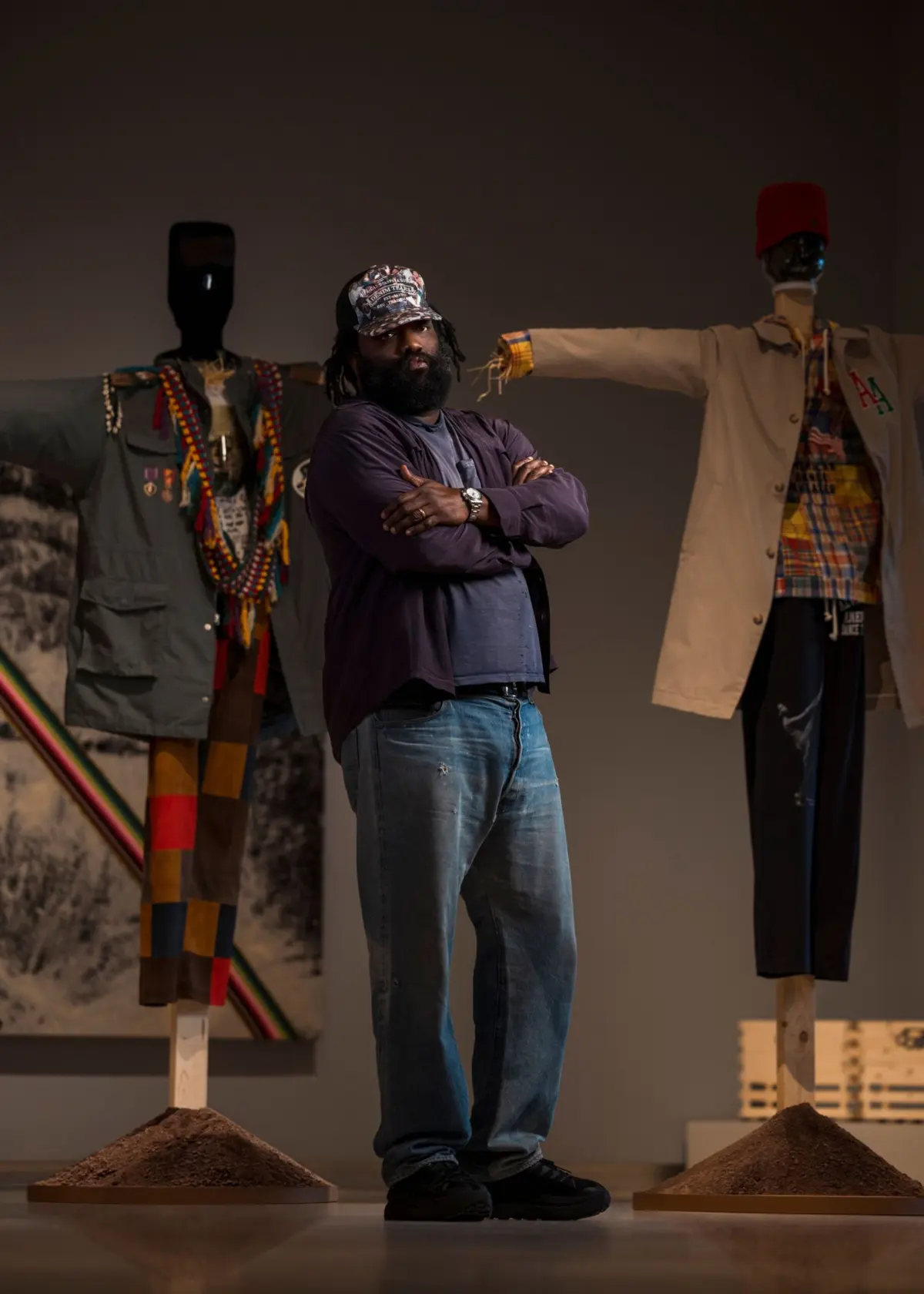
This week, the Savannah College of Art and Design (SCAD) Museum of Art officially opened “Denim Tears From the Pool of Black Genius,” marking a significant milestone in the designer’s career. It stands as the very first solo exhibition and comprehensive retrospective dedicated entirely to Emory and his rich, multidisciplinary creative practice. Rather than presenting his fashion designs in a vacuum or as standard retail artifacts, the expansive exhibition places Emory’s garments and conceptual pieces directly alongside works by some of the visionary contemporary artists who have inspired, influenced, and paralleled his journey. Among these esteemed artistic presences are Arthur Jafa, Hank Willis Thomas, and David Hammons, whose works create a dynamic visual and intellectual dialogue within the gallery spaces. This careful curation powerfully underscores the vast breadth of Emory’s historical and cultural references, reinforcing the fundamental reality that his fashion output has never been created merely for aesthetic consumption; rather, it was always purposefully designed to be in active, provocative conversation with the broader culture, history, and contemporary social discourse.
Through a wide array of mediums—including graphic T-shirts, intricately embellished jeans, heavy workwear-style jackets, and various other garments and accessories—Emory continuously nods to history, ancestral legacies, and collective cultural memory. His designs challenge viewers to look beyond the surface of everyday apparel and recognize the deeper narratives encoded within threads, dyes, and weaves. As a formal press release issued by the museum aptly notes, Emory’s groundbreaking work successfully transforms critical historical references into tangible contemporary objects and immersive experiences. Furthermore, the exhibition highlights how his practice actively builds essential educational pathways connecting Black history to the broader, often Eurocentric history of clothing production and consumption. By challenging established hierarchies within the fashion industry and consistently encouraging critical dialogue among diverse audiences, Emory successfully positions fashion not just as commercial apparel or trend-driven luxury, but as both a sophisticated form of conceptual art and a vital tool for reflection, historical education, and social change.
As visitors and scholars engage with the landmark exhibition, Emory and the SCAD Museum of Art have shared exclusive images and documentation from the retrospective, offering a glimpse into the meticulously curated environment. For those interested in experiencing the intersection of fashion, history, and contemporary art firsthand, “Denim Tears From the Pool of Black Genius” remains on view to the public through January 11, 2027, inviting ongoing conversations about the profound ways clothing can carry the weight of the past while shaping the visual vocabulary of the future.