



A nightclub facade is always an image before it is ever a physical place. Long before doors open, basslines vibrate through walls, or crowds gather under colored lights, the exterior of a club must communicate a promise. It operates as a visual signal, borrowing heavily from cinema, tourism, advertising, and global architectural tropes to transform an ordinary structure into a vessel for popular fantasy.
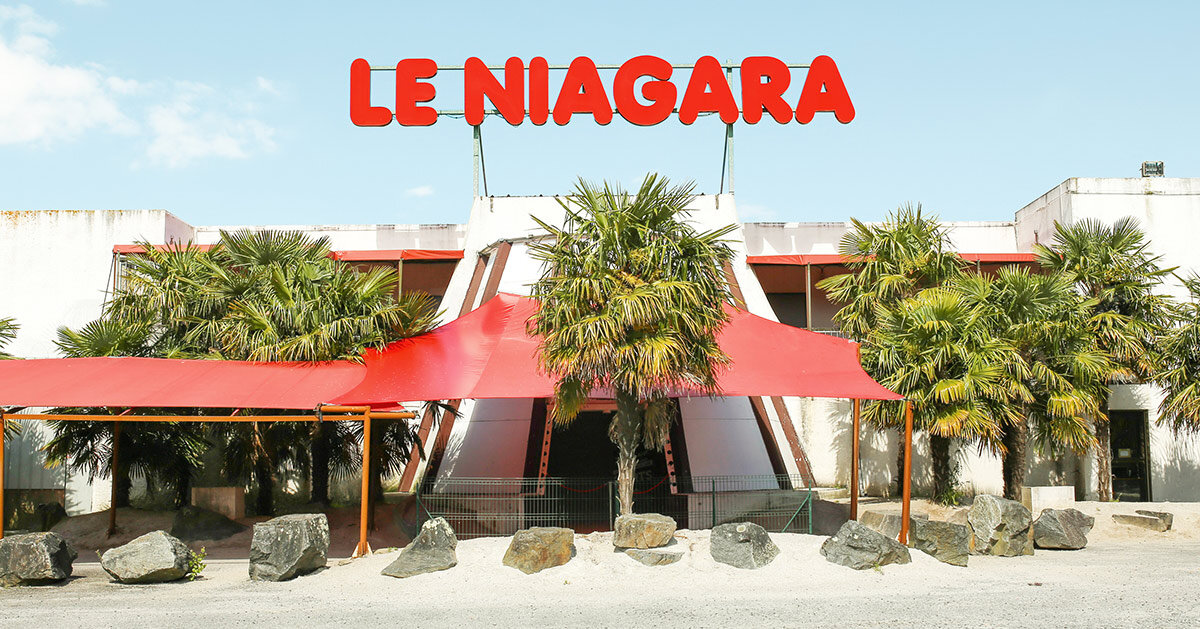
For French photographer and art director François Prost, this interplay between architecture, fantasy, and everyday reality has been an ongoing subject of fascination for more than a decade. His extensive photographic documentation of nightlife architecture explores how these buildings continue to broadcast their promises long after the music has stopped, the crowds have dispersed, and the harsh light of day has exposed the illusion.
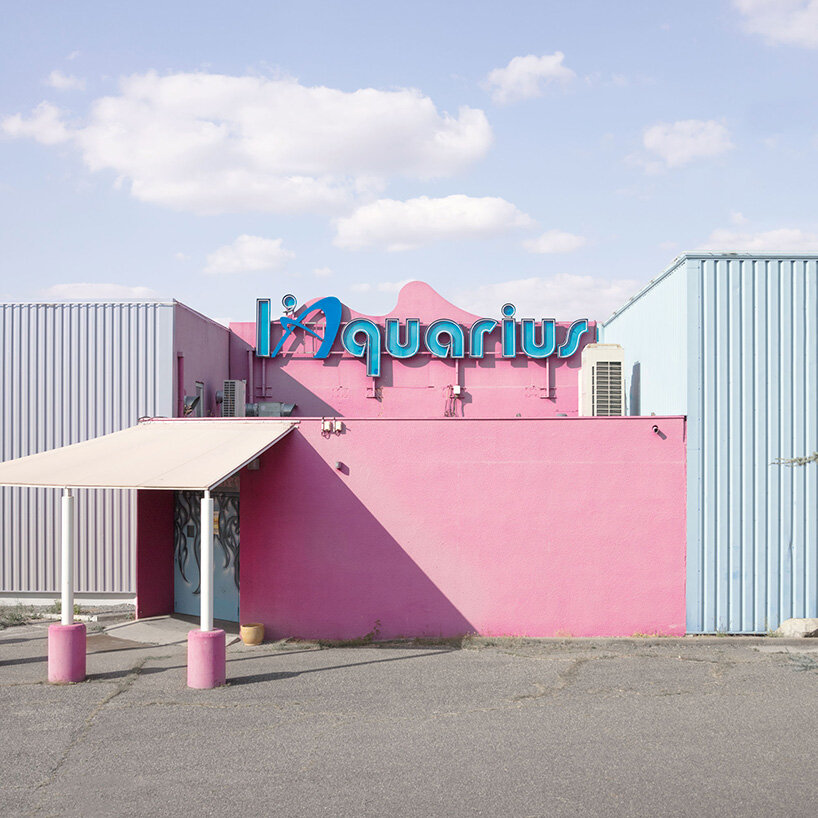
Building the Idea of a Night Out
The genesis of Prost’s long-term exploration dates back to 2011 during a bicycle ride along a canal in Burgundy, France. While navigating a quiet road cutting through rural fields, he encountered an old, traditional farmhouse that had been repurposed into a local nightclub.
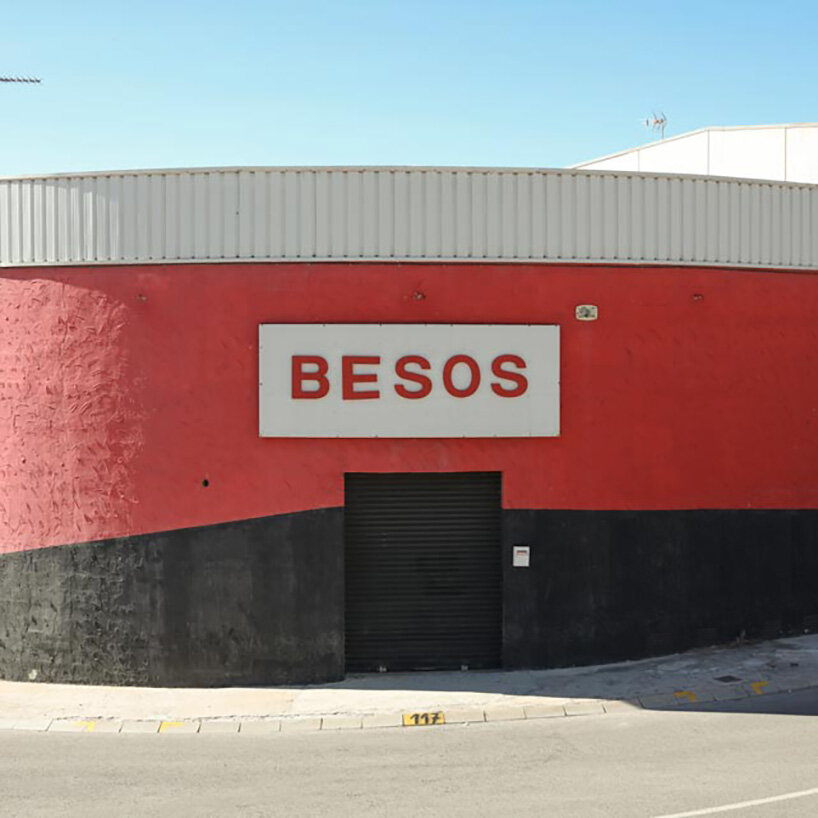
The signs of its nocturnal identity were still clinging to the historic agricultural structure: a glowing lightbox sign screwed haphazardly above the front door, a laser projector installed precariously on the chimney, and fluorescent stars affixed around the entranceway. Scattered across the gravel driveway were tangible remnants of the previous evening—shards of broken glass and discarded flyers.
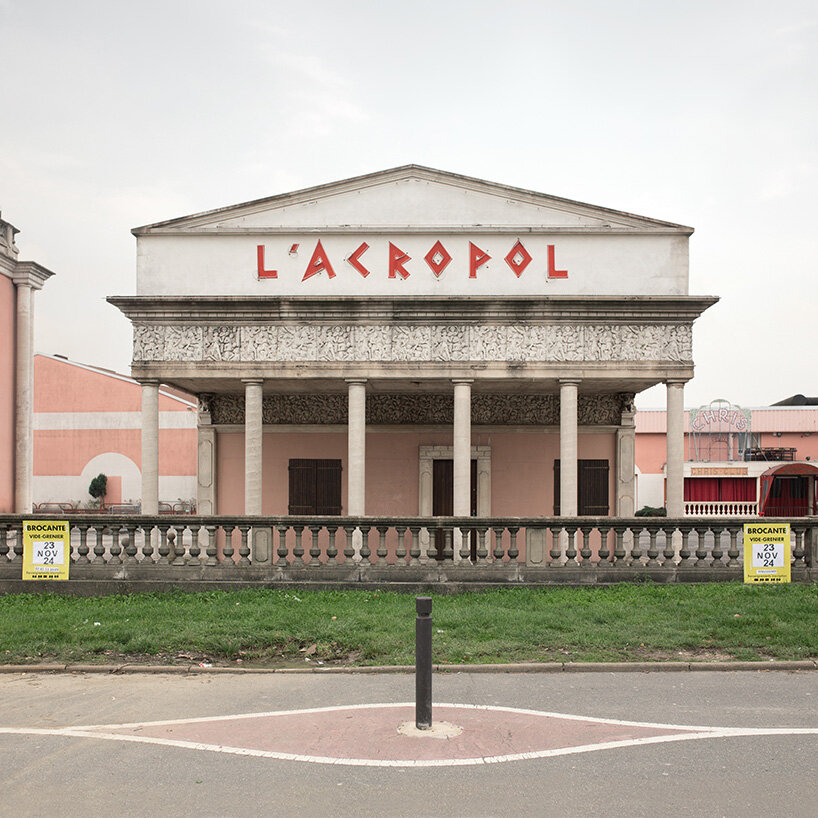
Standing there with his bicycle under the bright, unfiltered sun of a Saturday morning, Prost was struck by the stark visual and atmospheric contrast between the frenetic energy of the night before and the mundane reality of daylight. The club was firmly closed, devoid of music, crowds, and dynamic lighting. Yet, despite its dormancy, the building was still actively attempting to communicate what kind of space it was supposed to be.
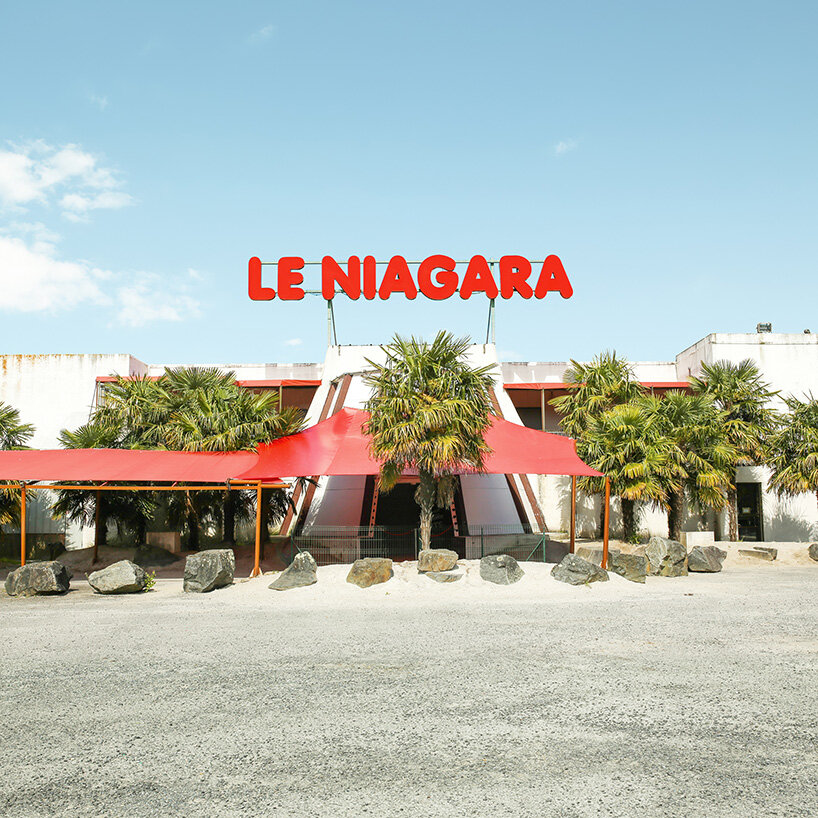
This initial encounter sparked a sustained artistic journey that has since taken Prost across France, various parts of Europe, and eventually to international locations far beyond. Across vastly different cultural contexts and regional landscapes, he repeatedly encountered a remarkably familiar phenomenon: buildings striving to mentally transport patrons somewhere else entirely.
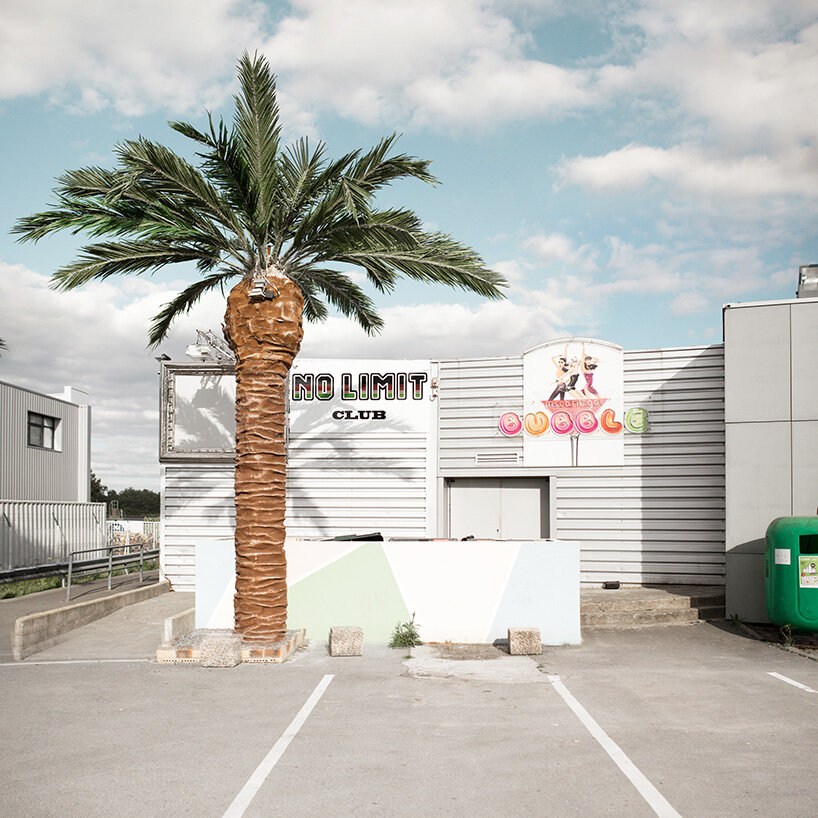
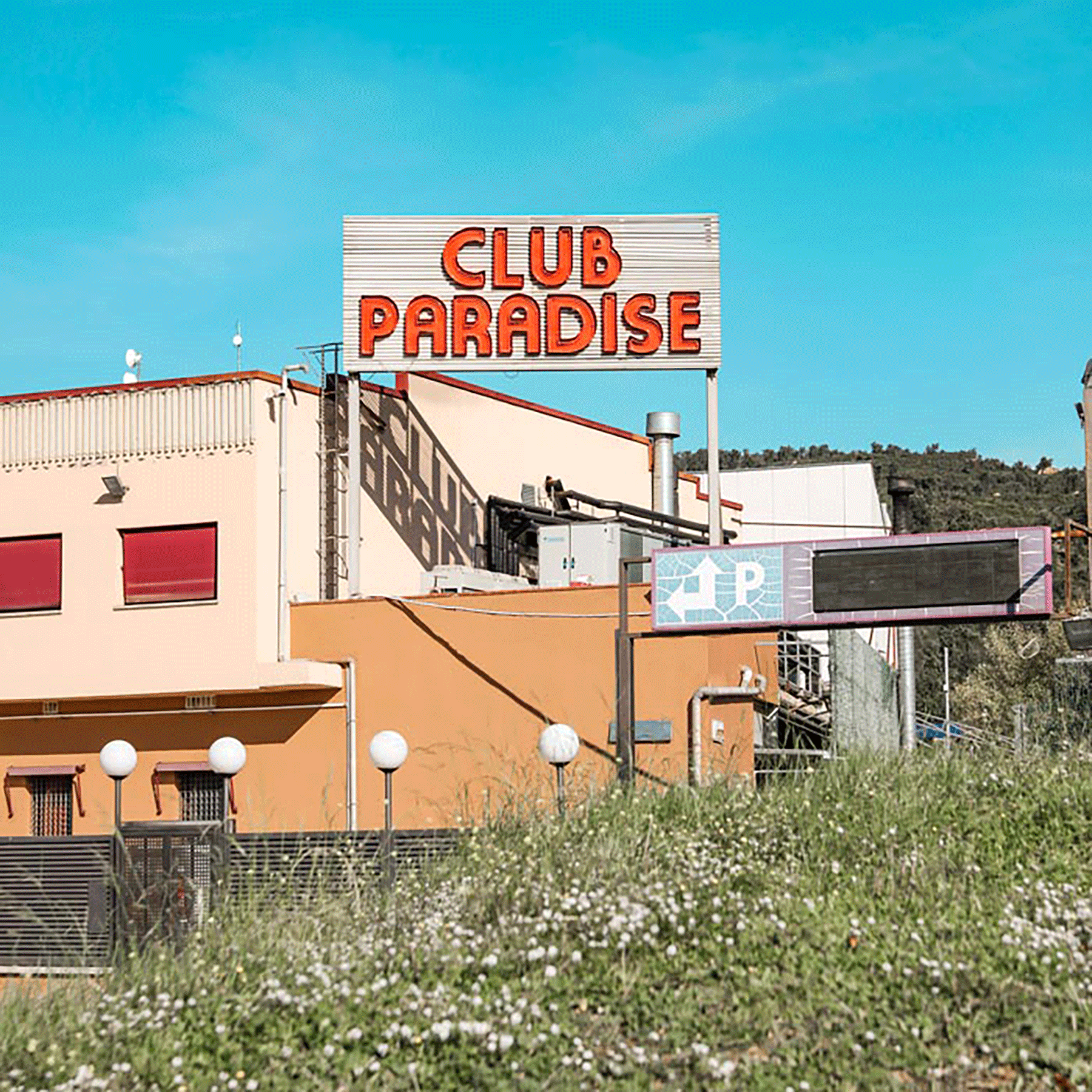
A strategically placed palm tree can evoke the distant tropics; a neoclassical column can summon the grandeur of ancient Greece; glowing neon tubes can channel the electric energy of Las Vegas; and faux marble finishes can simulate high-end luxury. Even a few golden letters mounted above an entrance can elevate an otherwise ordinary structure, while evocative names like Copacabana, Le Mirage, or L’Acropole instantly trigger rich mental imagery. As Prost notes, the facade does not necessarily describe the functional reality of the space behind it; rather, it promises an experience.
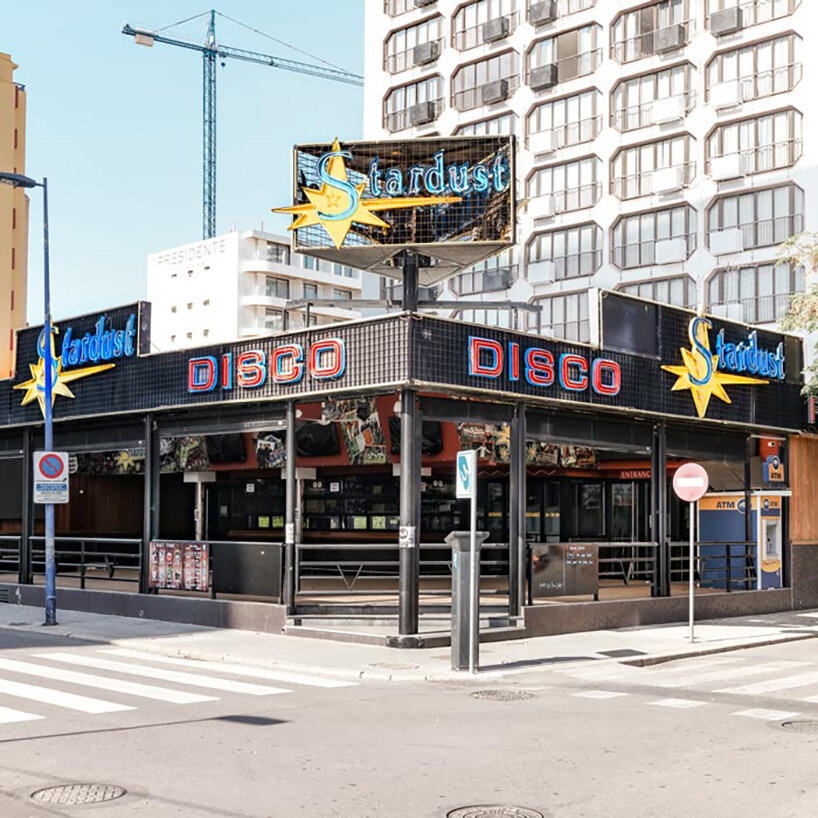
Borrowed Images and Imagined Worlds
What draws Prost to these architectural anomalies is their reliance on a shared, popular visual language harvested from mass media, cinema, and advertising. Sometimes executed with sophisticated professional design, and other times improvised with a rustic clumsiness, the underlying intention remains universally clear: the building must be understood instantly by passersby.
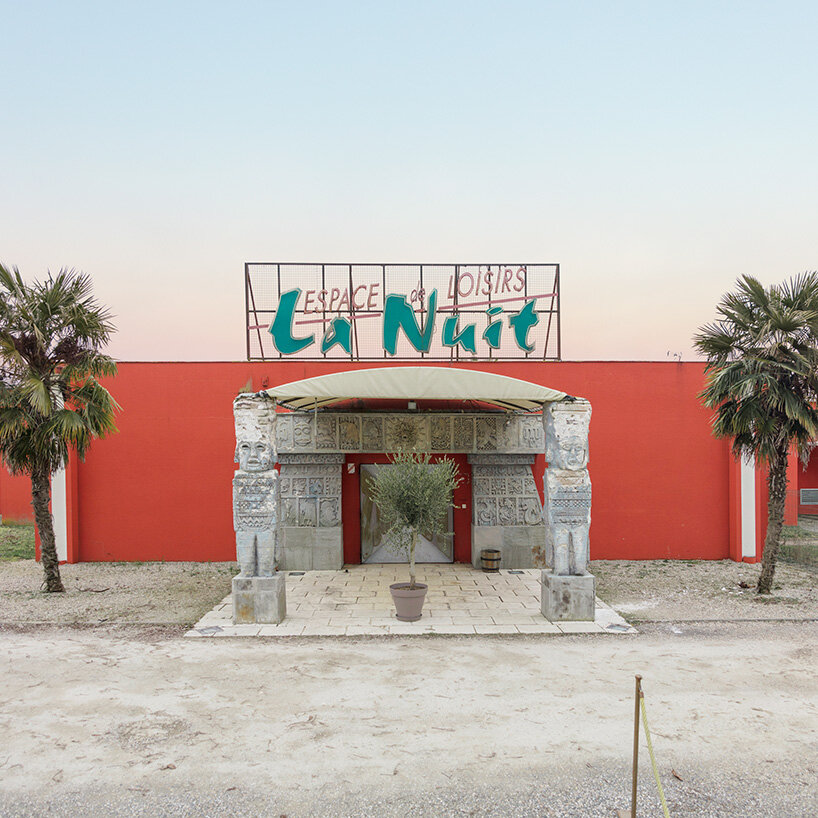
In that regard, these nightclub facades share a direct lineage with commercial advertising. They function as large-scale images engineered specifically to manufacture desire. Rather than outlining the precise events that will unfold inside, they project an emotional atmosphere, offering a preview of how a visitor might feel within those walls.
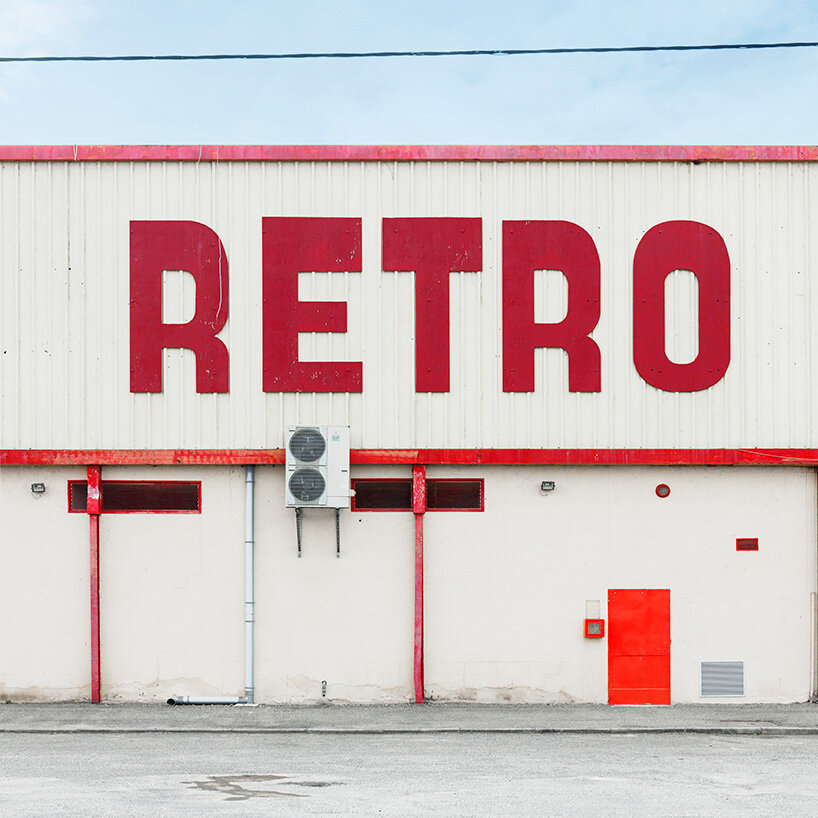
A rural nightclub tucked away in the French countryside morphs into a tropical paradise; a roadside building on the outskirts of a Spanish town adopts the visual vocabulary of the American strip; and local venues borrow the stylistic cues of Greek temples, royal palaces, casinos, or Miami beach hotels. For a few fleeting hours each week, these borrowed aesthetics construct the tangible possibility of an alternate universe.
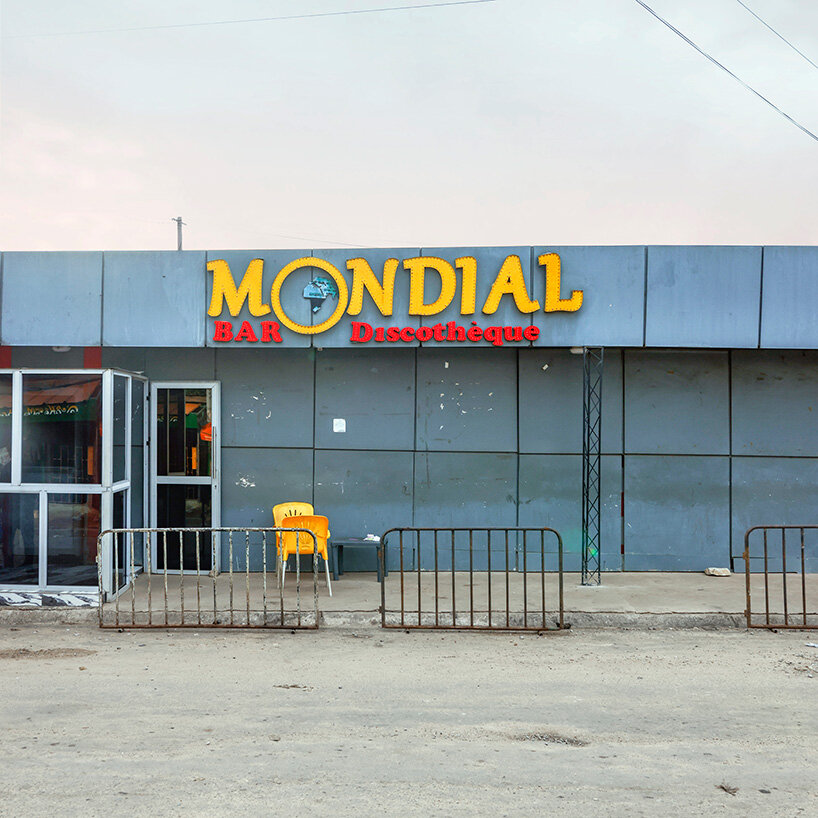
This realization is precisely what guided Prost toward photographing these structures during daylight hours. In the harsh exposure of day, the illusion is laid bare. The neon tubes are switched off, the sound systems are silenced, and the patrons are entirely absent. What remains is the raw physical object—the signage, the decorative columns, the painted facades, the artificial foliage, and the visible scars of years of makeshift modifications and repairs.
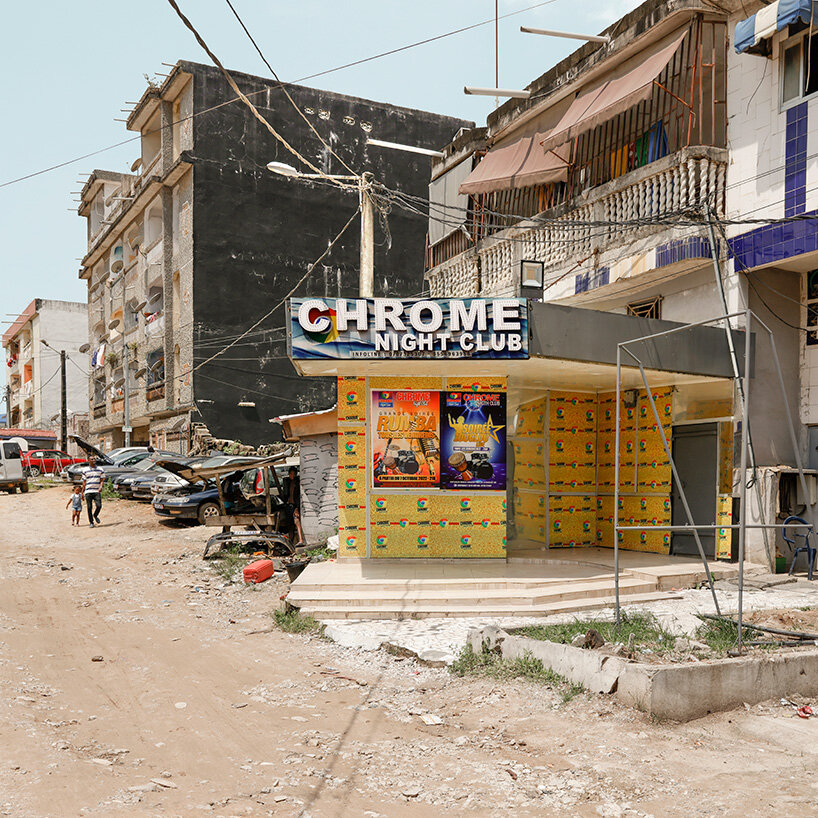
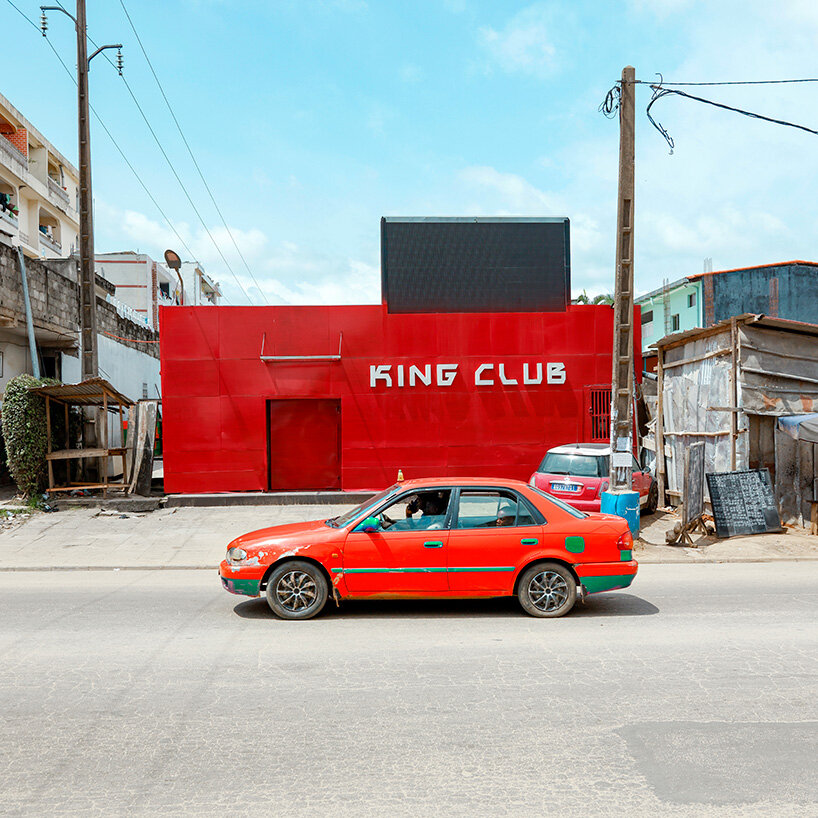
The temporary spectacle has been systematically dismantled, but the permanent machinery responsible for generating that desire remains standing. By capturing these spaces under the sun, Prost shifts the documentary focus away from nightlife culture itself, turning his lens instead toward the physical architecture left behind in its wake.
Popular Fantasies Built in Plain Sight
Beyond their aesthetic quirks, these buildings carry a deeply democratic and unpretentious quality that Prost finds compelling. Unlike institutional architecture or high-end urban developments crafted by elite design firms, these facades are often born from grassroots imagination. They utilize readily available symbols from the collective consciousness—a neon sign, a painted palm, a classical column, or a borrowed foreign name—relying on tools whose meanings are already universally understood.
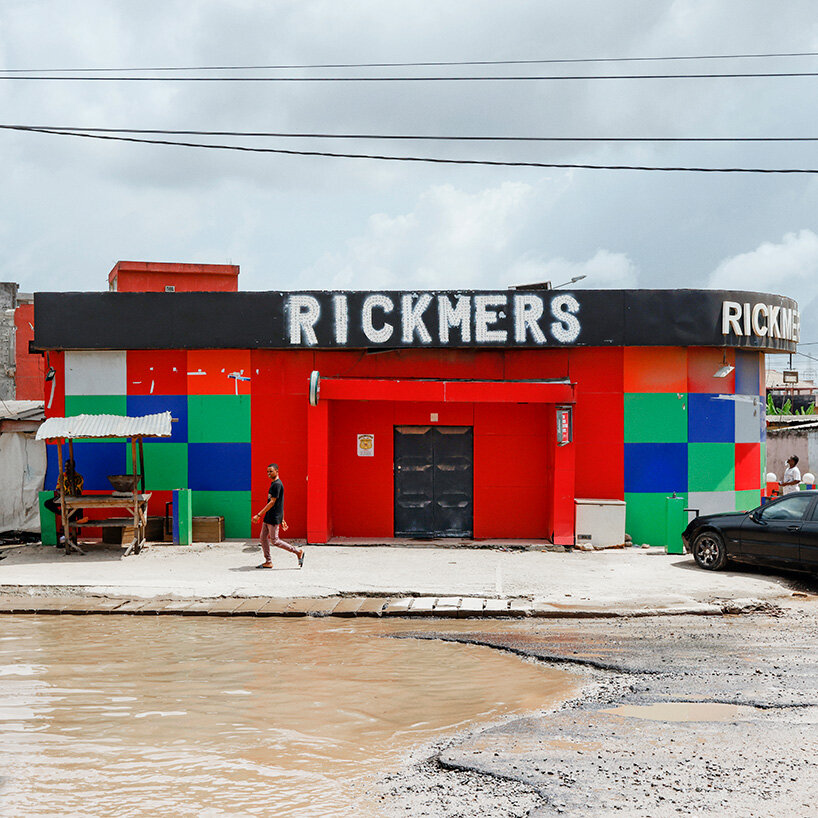
Rather than viewing these vernacular experiments as failed architecture or kitsch objects of ridicule, Prost approaches them as authentic archives of popular visual culture. They serve as physical evidence of how communities construct fantasies using the visual debris of the media landscape that surrounds them.
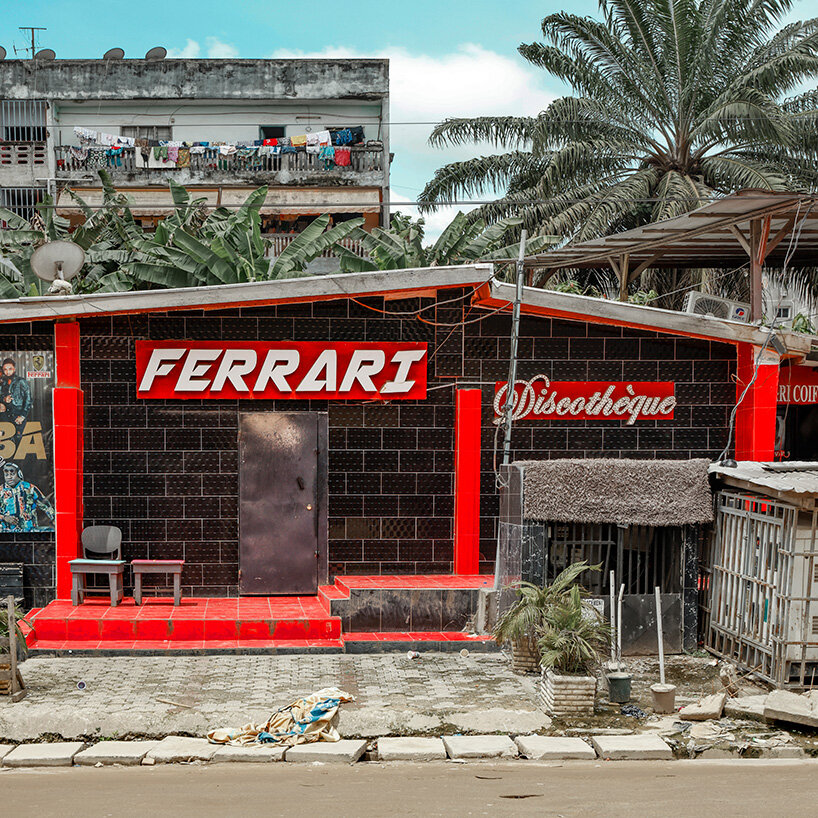
Over the years, this investigative photographic pursuit has naturally expanded toward other typologies of architecture designed explicitly around desire. Prost has turned his camera toward American gentlemen’s clubs, Japanese love hotels, and vibrant nightlife venues in Côte d’Ivoire. While their cultural functions, operational models, and geographical contexts vary wildly, the underlying mechanism remains identical: buildings are transformed into images, and those images are translated into enduring promises.
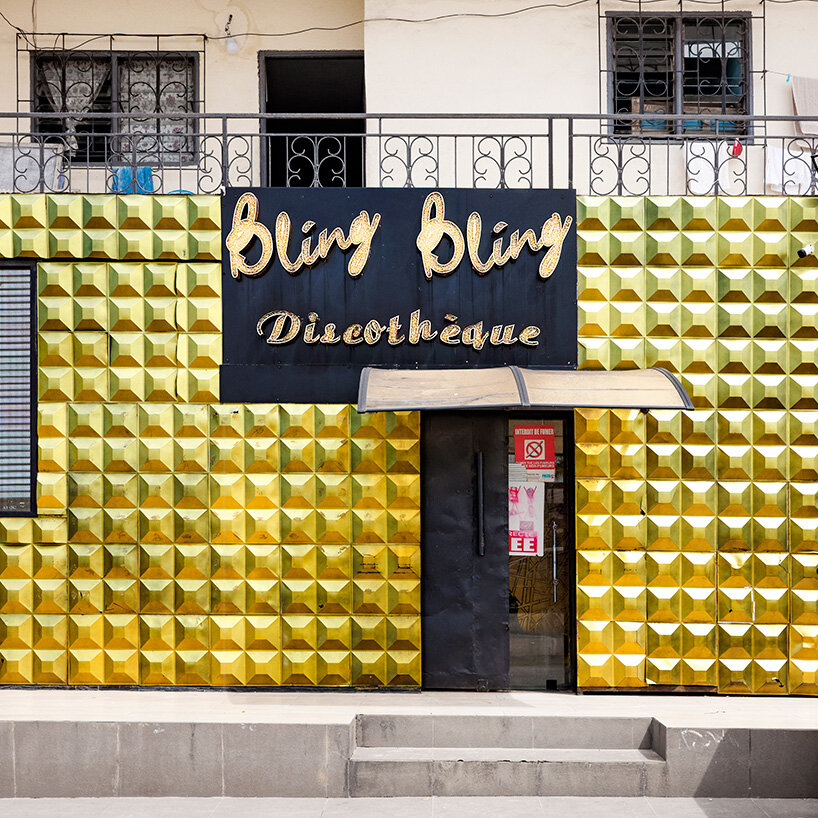
Ultimately, these curated fantasies achieve their highest visibility precisely when they are abandoned by the crowds. In the quiet hours of the morning, when the party has completely dissolved and the architecture returns to its ordinary surroundings, the facade is left alone with its lingering promises. It is in that silent interval between nights that Prost continues to capture them.