





Police have arrested two people in connection with the sophisticated and disruptive railway sabotage that paralyzed train networks across the Netherlands during Prinsjesdag, the public prosecution service, known as the OM, announced on Friday.
The arrests mark a significant development in an ongoing national investigation into the incidents that targeted critical transportation infrastructure on one of the most high-profile days in the Dutch political and constitutional calendar. According to the public prosecution service, a 49-year-old man and a 41-year-old woman, both hailing from the province of Drenthe, were taken into custody on Thursday following coordinated police inquiries.
While the pair remain official suspects in the ongoing criminal investigation, authorities noted that there was currently not enough legal evidence to keep them in custody. Consequently, they have been released pending further investigation while the public prosecution service and specialized police units continue to gather evidence and evaluate the extent of their potential involvement in the sabotage operation.
The arrests represent the first major breakthrough in the high-stakes case since widespread train services across the country were severely disrupted in September. The coordinated acts of sabotage crippled the Dutch railway network just as thousands of citizens, politicians, and international dignitaries prepared to observe Prinsjesdag, the traditional state opening of parliament and the presentation of the national budget in The Hague.
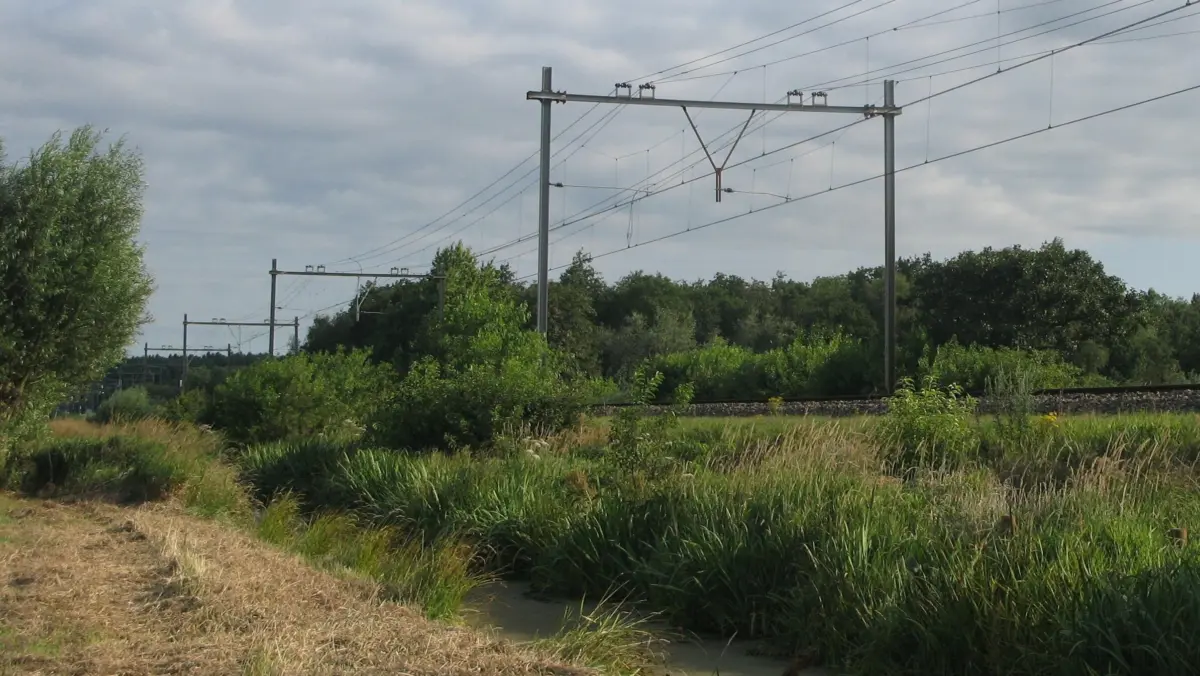
Network operators and security officials at the time described the disruption as a premeditated and well-coordinated assault on critical national infrastructure. The method of sabotage involved attaching heavy steel pipes to the railway tracks at multiple, strategically chosen locations across various regions of the country. This physical obstruction triggered safety mechanisms and forced emergency halts, leading to widespread cancellations, massive commuter delays, and logistical chaos across the national rail grid on a day when public transportation is heavily relied upon to transport attendees to and from the political capital.
The timing of the railway disruptions immediately drew intense scrutiny from law enforcement agencies, intelligence services, and government officials, coming amid a backdrop of heightened social tensions and ongoing protests. On the very same day that the tracks were compromised, several other disruptive incidents occurred across the country. Tractor tires, large agricultural hay bales, and wooden shipping pallets were deliberately set on fire at various highway and roadside locations.
Some of these fiery demonstrations bore the hallmarks of actions previously utilized in agrarian protests, quickly drawing suspicion toward disgruntled agricultural activists. In recent years, Dutch farmers have engaged in widespread demonstrations, blockades, and direct action campaigns to protest strict government environmental regulations regarding nitrogen emissions and agricultural policy.
In the wake of the September disruptions, investigators examined potential links between the burning roadside obstacles and the parallel sabotage of the railway infrastructure. The Farmers Defence Force, a prominent activist group that has been responsible for recent motorway disruptions and high-profile protests across the country, quickly issued statements addressing the railway incidents. The organization publicly stated that it was not directly responsible for the systematic tampering with the train tracks. However, representatives for the group acknowledged that "wild actions" by individual, frustrated farmers acting outside of official organizational channels had been widely anticipated on national budget day.
Despite these early leads and widespread public speculation, it remains officially unconfirmed who ultimately masterminded or executed the coordinated attacks on the rail network. Law enforcement agencies have continued to pursue multiple lines of inquiry, analyzing physical evidence recovered from the various track locations, reviewing security camera footage, and interviewing witnesses across the affected regions.
The apprehension of the 49-year-old man and the 41-year-old woman from Drenthe provides investigators with their first concrete individuals of interest in the judicial process. While their release from custody indicates that prosecutors currently lack the threshold of evidence required for pre-trial detention under Dutch criminal law, the investigation remains very much active. Prosecutors and police detectives emphasize that the status of the two individuals as suspects remains unchanged as forensic analyses and witness interrogations proceed.
The public prosecution service has indicated that further updates regarding the direction of the investigation and any subsequent legal steps will be provided as the case develops.