






In Hanoi, two thousand years of history continue to shape a city changing at a remarkable speed. French colonial villas stand beside centuries-old temples, narrow Old Quarter alleyways give way to wide boulevards, and street-food stalls and family-run cafés share the streets with big-name retailers and cool-kid art galleries. This juxtaposition of ancient heritage and modern momentum creates an urban fabric that is constantly negotiating its past and its future.
For many visitors, Vietnam’s capital is often defined by its ancient past—its dynasties, its lakes, and its resilient cultural traditions. But the best hotels in Hanoi tell a more complete story. They range from iconic Indochine-era landmarks to bold contemporary expressions of Vietnamese maximalism, as well as intimate boutique properties set right in the midst of the city’s everyday rhythms. Increasingly, these properties are also destinations in their own right, featuring Michelin-starred restaurants, award-winning cocktail bars, and design-centric spas that rank among the finest in the world.
The result is one of Asia’s most rewarding and fascinating hotel scenes. Whether travelers are checking into a luxury landmark or a boutique property with refreshingly reasonable rates, choosing where to stay isn’t simply about location or amenities. It is about deciding which version of Hanoi travelers want to experience.
Navigating the Capital’s Neighborhoods and Accommodations
For first-time visitors, travel experts frequently recommend staying around Hoàn Kiếm Lake, the city’s beating heart where the historic French Quarter and the ancient Old Quarter meet. From this central vantage point, guests are within comfortable walking distance of Hanoi’s biggest cultural landmarks and museums. The surrounding streets offer an abundance of excellent restaurants, cafés, cocktail bars, and shopping opportunities, all while maintaining easy access to the rest of the sprawling metropolis.
Luxury travelers seeking a specific architectural and cultural ambiance often look toward the French Quarter, particularly the grand avenues surrounding the historic Opera House. Meanwhile, those who prefer a quieter, more intimate boutique experience can find refuge just beyond the perimeter of the Old Quarter at properties such as the Hotel de Lagom.
When it comes to the pinnacle of hospitality in the city, the landscape is anchored by legendary establishments. If forced to choose a singular defining property, industry authorities frequently point to the Sofitel Legend Metropole Hanoi for its unmatched history, impeccable service, world-class dining, and profound sense of place. More than 120 years after first opening its doors, it remains the city’s defining grande dame, celebrated for its beautifully restored Heritage Wing rooms and the remarkable Path of History tour that details the hotel’s storied past.
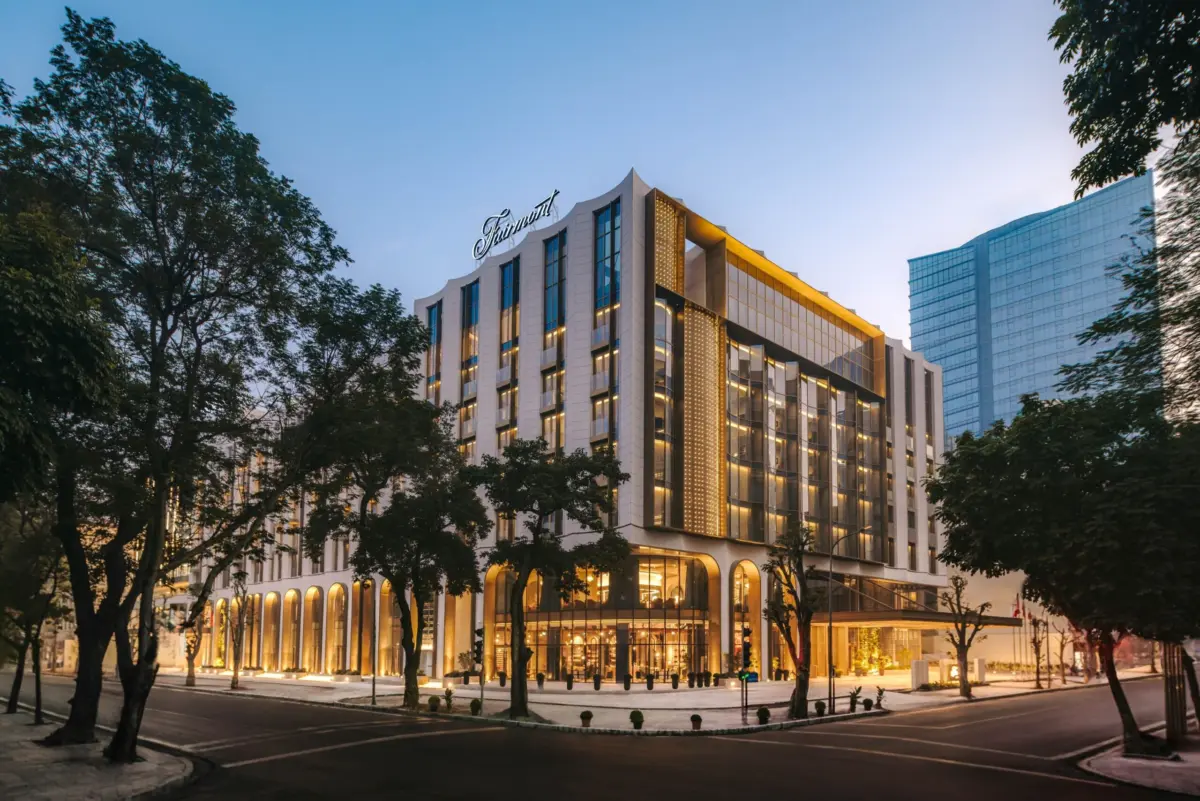
At the same time, travelers looking for contemporary luxury are increasingly turning to newer arrivals like the Fairmont Hanoi. With expansive rooms, a modern and sophisticated take on Vietnamese design, and the sprawling Cirua Spa, it has quickly established itself as one of the capital’s most exciting modern luxury additions.
Planning the Ideal Hanoi Itinerary
For travelers wondering how much time to dedicate to the destination, three days is generally considered sufficient to experience Hanoi’s major highlights. This timeframe allows visitors to explore Hoàn Kiếm Lake, wander through the labyrinthine streets of the Old Quarter, admire the architecture of the French Quarter, and visit the historic Temple of Literature. It also leaves ample opportunity to sample the city’s vibrant local food scene while still allowing time to properly relax and enjoy the amenities of their chosen hotel.
However, for those planning to venture further afield on day trips to regional marvels like Ninh Bình or Hạ Long Bay—located roughly two to four hours away, respectively—experts recommend adding at least one or two extra nights to the itinerary. After all, one of Hanoi’s greatest and most enduring pleasures is the opportunity to slow down. The city invites travelers to linger over classic egg coffee, wander aimlessly through ancient alleys, and spend a quiet afternoon watching local life unfold by the edge of the lake.
Behind the Selection Process
The evaluation of Hanoi’s top hotels is rooted in rigorous journalistic standards. Every hotel review published by leading travel authorities is crafted by specialized journalists who possess deep regional knowledge of the destination and have personally visited the property in question.
When choosing which hotels to feature, editorial teams consider properties across a diverse spectrum of price points. The core objective is to highlight accommodations that offer an authentic and insider perspective of the destination, keeping critical factors such as architectural design, prime location, service excellence, and sustainability credentials top of mind.