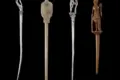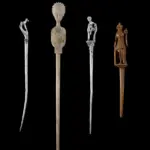






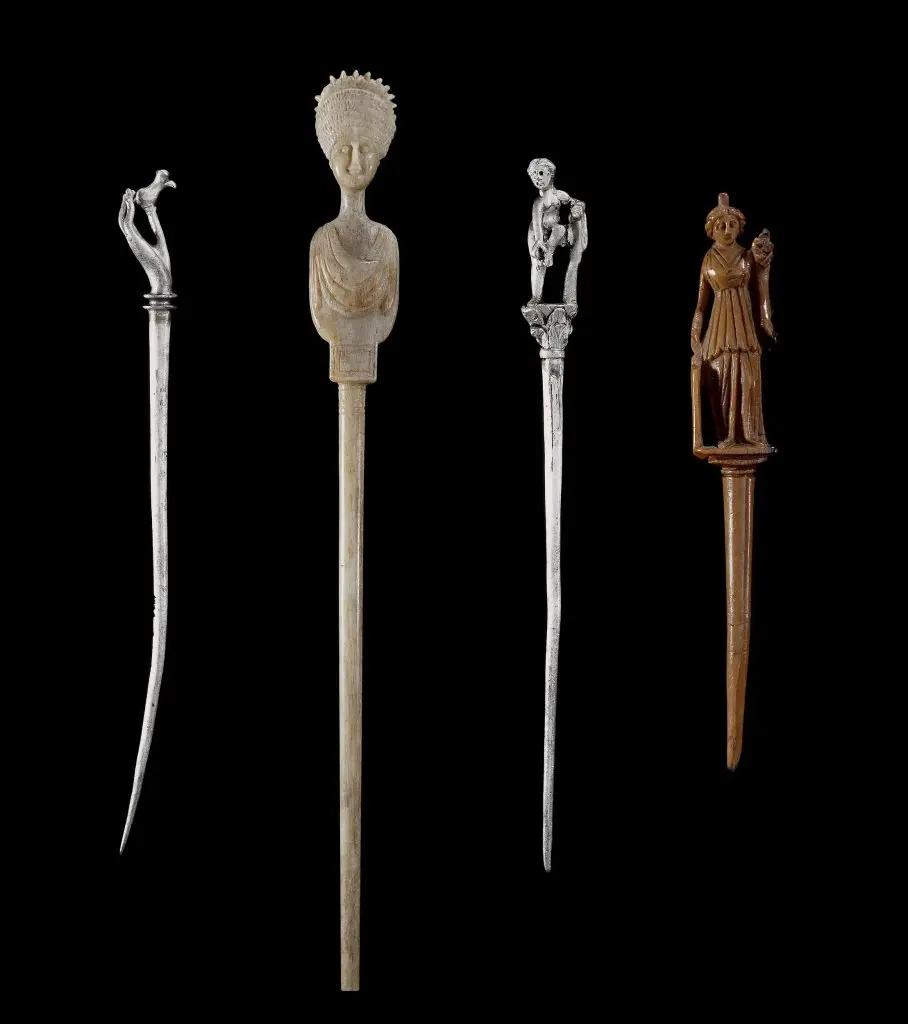
In the vast landscape of ancient material culture, few everyday objects offer as intimate a glimpse into the daily lives, aesthetic values, and practical ingenuity of the Roman Empire as the personal accessories left behind in graves, settlements, and hoards. Among these enduring artifacts, the acus—a term that broadly translates to needle or pin—stands out as a marvel of ancient design. Originally conceived and utilized to secure the elaborate hairstyles of antiquity, these remarkable objects, scientifically and historically referred to as acus crinalis, served a dual purpose in the Romano-British era and across the wider Roman world. Measuring an impressive six to nine inches in length, they were far more than mere decorative elements; they were essential instruments of personal presentation, craftsmanship, and utility in a rapidly changing world shaped by imperial expansion and cultural synthesis.
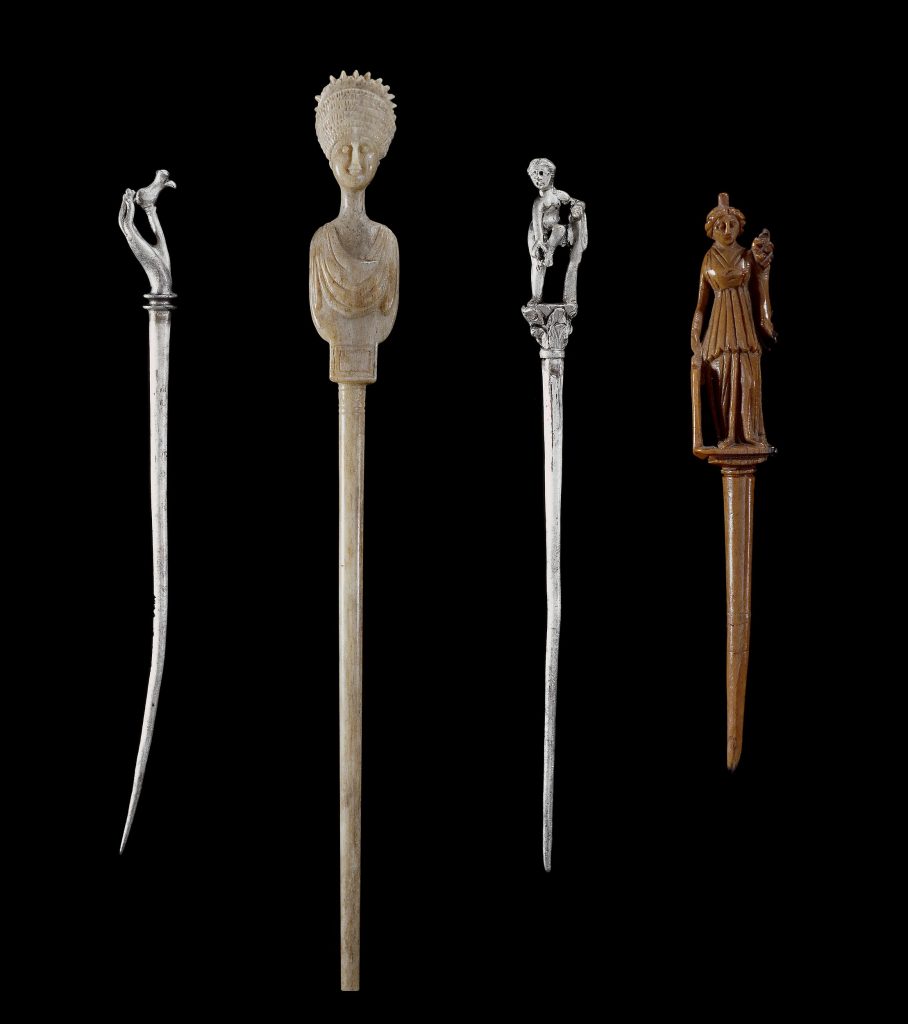
The physical characteristics of the acus reveal much about the technological capabilities and artistic sensibilities of the artisans who crafted them. Typically ranging from six to nine inches long, these slender shafts were fashioned from a diverse array of materials, reflecting both the status of the wearer and the availability of resources within different regions of the empire. Excavations across Britain and continental Europe have yielded examples crafted from precious metals such as gold and silver, which would have been owned by the wealthy elite, alongside more utilitarian versions made from bone, wood, and ivory. Each material imparted a distinct character to the pin. Silver and gold examples often featured intricate wirework, filigree, or sculpted figural heads at the terminal end, turning a functional fastener into a wearable work of art. Conversely, bone and wood variants, while simpler in appearance, demonstrated a high degree of lathe-working and carving skill, proving that personal grooming and fashion were concerns that transcended strict economic divides in Romano-British society.
The primary function of the acus crinalis was deeply tied to the complex architectural hairstyles favored by Roman women, particularly during the late Republic and the imperial eras. As hair fashion evolved from simple Greek-influenced knots to towering, sculpted masterpieces involving curls, braids, and false hairpieces, secure anchoring became an absolute necessity. The long, sturdy shaft of the acus allowed women to pierce through dense layers of braided or coiled hair, locking elaborate updos securely in place without the need for modern elastic bands, synthetic hairsprays, or hidden metal clips. These pins were pushed through the hair matrix, acting as structural anchors that could support considerable weight and volume. For women of high status, the visibility of an ornate silver or gold hairpin protruding from an intricate hairstyle served as a subtle yet powerful social signifier, communicating wealth, refined taste, and adherence to Roman cultural norms even in distant frontier provinces like Britannia.
However, the versatility of the acus extended far beyond the realm of hairstyling. Historical and archaeological evidence indicates that these handy, long pins were frequently put to work in the management of personal attire. In the wardrobes of both men and women during the Romano-British period, garments were often draped, folded, and pinned rather than heavily tailored and sewn. While the fibula—the ancient ancestor of the modern safety pin—is most commonly associated with fastening cloaks, tunics, and robes, the acus could be deployed with or without a fibula to secure loose garments. Because of its length and strength, an acus could gather heavy folds of wool or linen fabric, pinning a shawl securely over a shoulder or fastening the drapery of a tunic. This multifunctionality made the pin an indispensable item in a Roman household, effectively serving as a dual-purpose tool for both grooming and dress.
The discovery of these artifacts in archaeological contexts across Britain provides a fascinating window into the interaction between indigenous Celtic traditions and incoming Roman customs following the conquest. In museums such as the British Museum, collections of Romano-British era bone and silver hairpins vividly illustrate how local populations adopted Roman fashions while retaining local manufacturing techniques. Bone pins, in particular, were often produced locally by craftspeople who utilized readily available animal bones from livestock, carving them down into smooth, polished shafts topped with simple spherical, conical, or carved terminals. These localized productions highlight a thriving domestic industry catering to everyday consumers who desired to participate in broader imperial trends using local materials.
As historians and archaeologists continue to study collections of Romano-British bone and silver hairpins, the acus remains a potent reminder of how the smallest details of material culture can illuminate the broader tapestry of daily life in antiquity. From the elaborate courts of Rome to the damp, stone-built villas and settlements of Britain, these six-to-nine-inch pins bridged the gap between necessity and style. Whether fashioned from humble bone by a local artisan in Britannia or hammered from gleaming silver by a master metalsmith, the acus and acus crinalis endure as timeless testaments to the human desire for self-expression, order, and elegance across the centuries.