





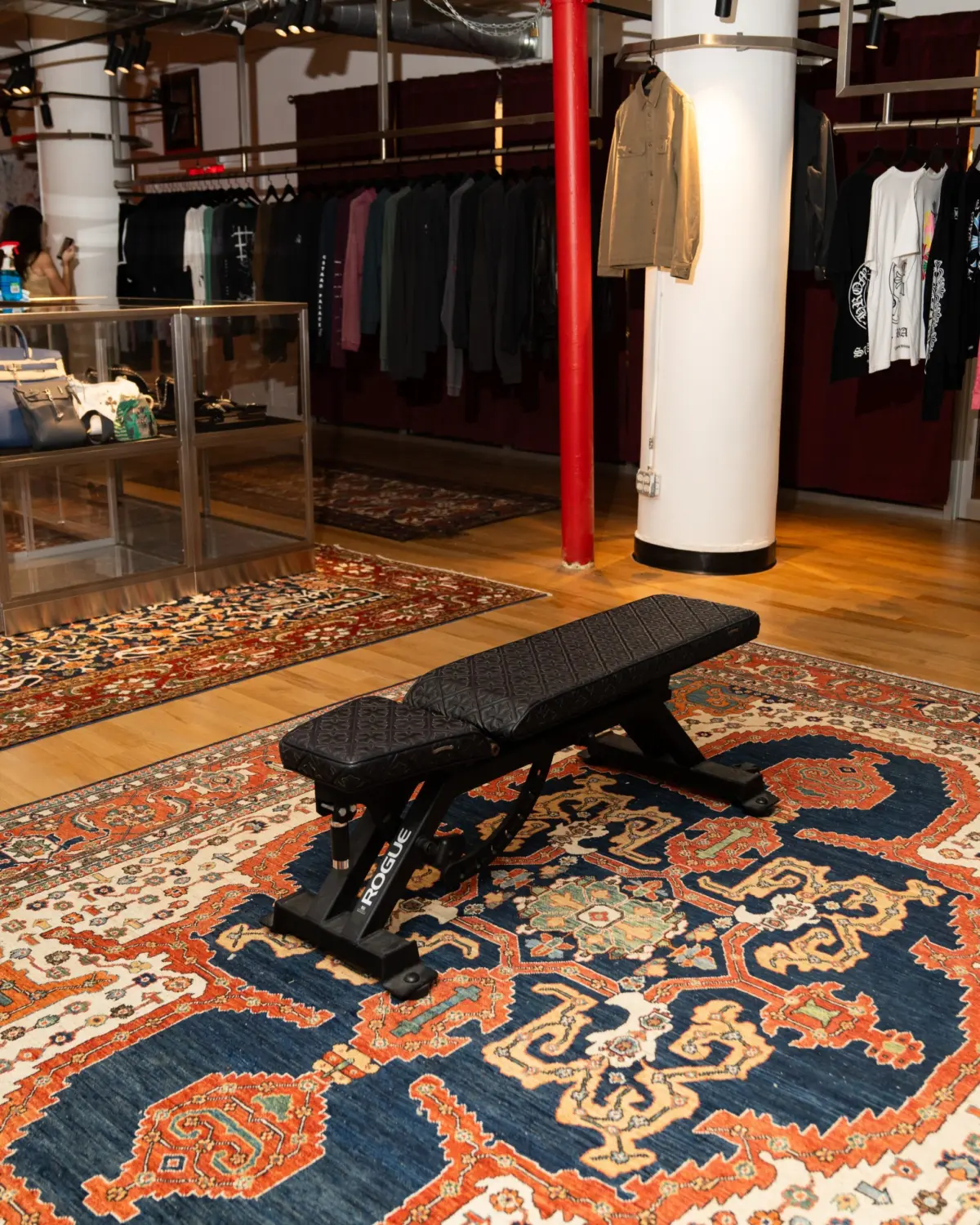
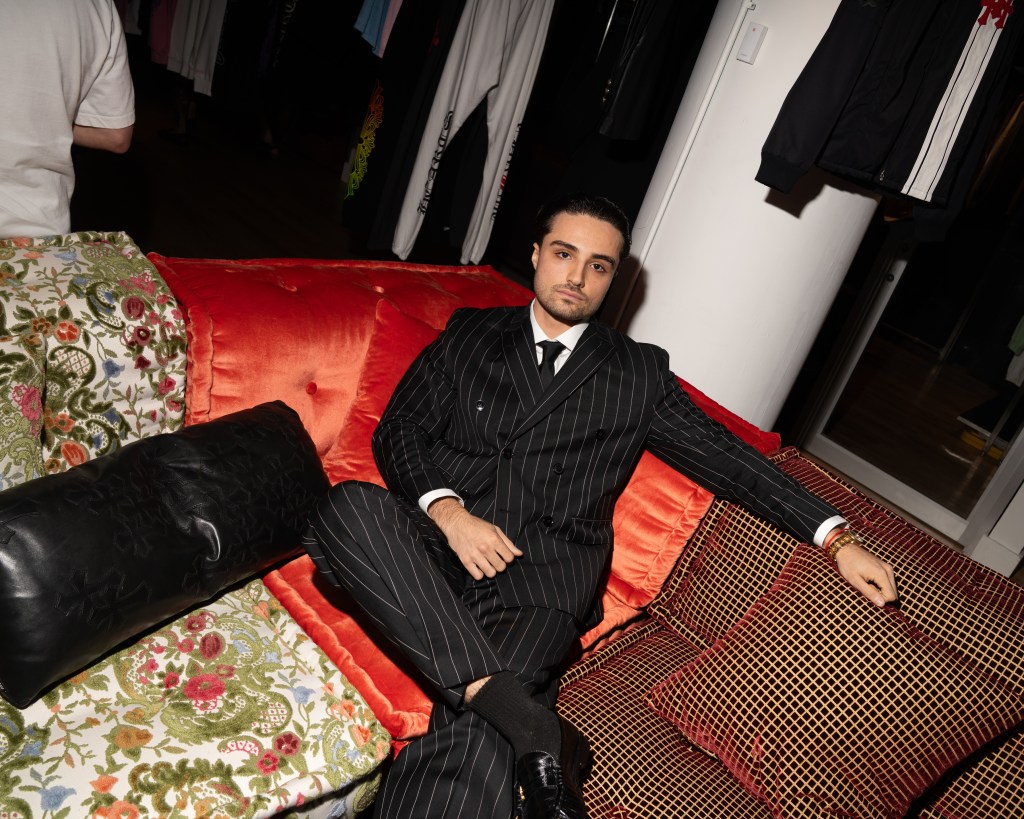
A sprawling 7,000-square-foot apartment opened its doors this month in the Flatiron District, complete with a fully stocked bar, a cozy lounge area, authentic Persian rugs, and a gleaming glass vitrine showcasing an exclusive collection of one-of-one belts. There is just one catch: nobody will ever live there.
This meticulously designed space belongs to Byraph, the private luxury dealership founded by Raphael Badalov when he was just 18 years old. The showroom was constructed around a single foundational philosophy: that serious collectors deserve more than a transactional online cart; they deserve a dedicated room, a drink in hand, and an expert willing to sit down and explain precisely what they are looking at, down to the last detail.
Badalov launched the enterprise in 2022, building a reputation by selling deep product knowledge before he sold a single physical item. He educated his nascent audience on how production years differ, what specific serial numbers signify, and how to spot sophisticated counterfeits in a market rife with them. Consequently, his audience came long before his inventory. Four years later, Byraph operates as an elite private dealership catering to high-end collectors, high-profile celebrities, and international trading houses. Every piece that enters the portfolio is bought outright and rigorously authenticated before it is ever offered to the market.
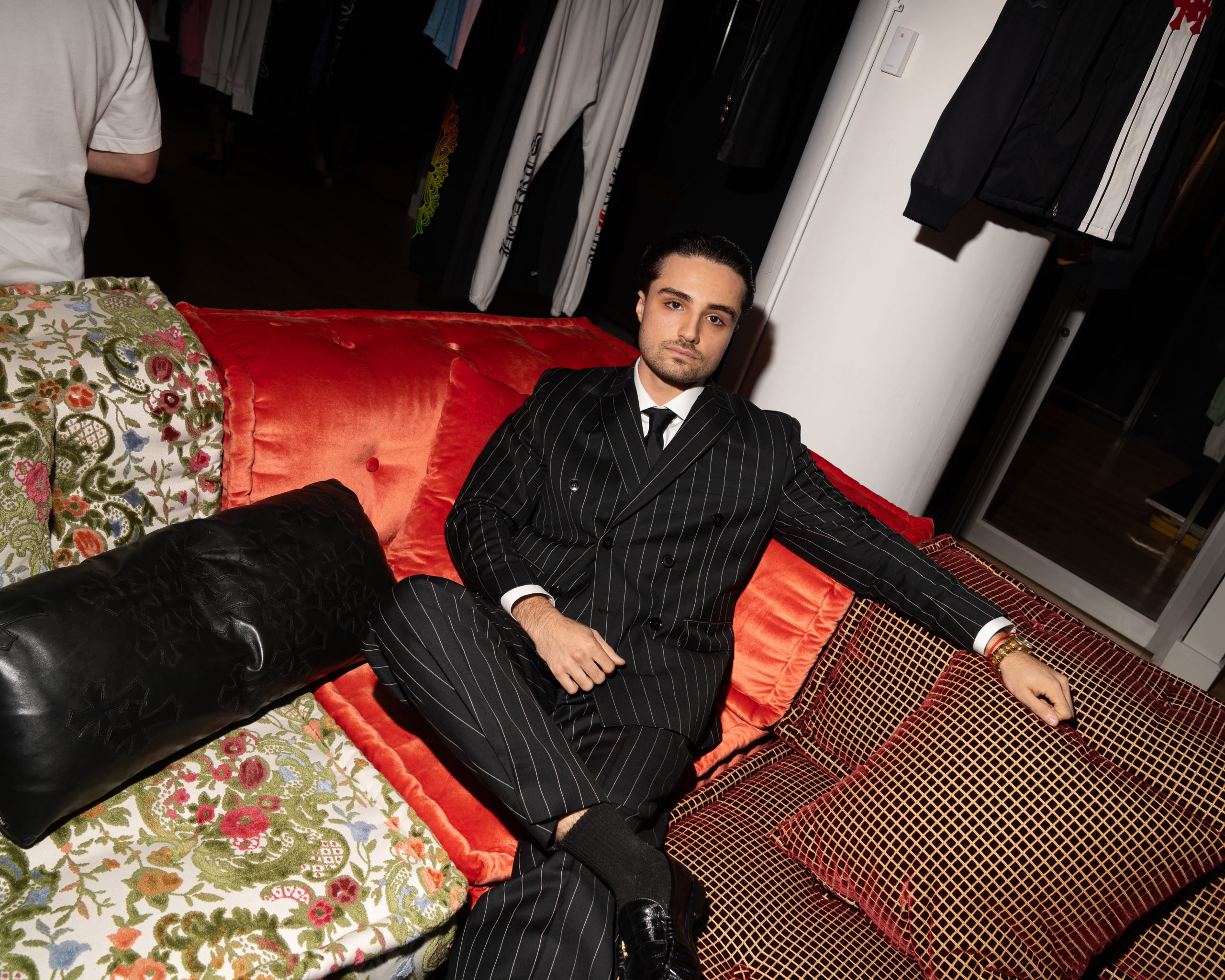
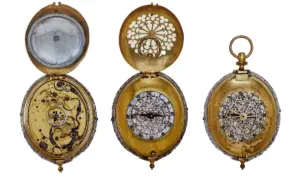
The scale and velocity of the inventory moving through the operation have shifted dramatically in a remarkably short span. Earlier this year, Byraph orchestrated the high-profile sale of 13 pieces from Karl Lagerfeld’s personal Chrome Hearts collection, pulling in a staggering sum exceeding $1 million. Among other notable transactions were a one-of-one Chrome Hearts collaborative pocket watch with Patek Philippe that commanded $350,000, and a custom Chrome Hearts bench purchased by a buyer in Hong Kong for $600,000. For Badalov, who is now 22 years old, these high-stakes milestones are simply the natural byproduct of a dealer who can tell buyers, with absolute certainty, the precise historical and material value of what they are evaluating.
Operating with transparency and rigor in a niche market is a deliberate choice, Badalov explains, noting that the temptation to take shortcuts is ever-present. "Being the authority feels good because it’s very easy to do the opposite," he reflects. "You can run a quick scam, sell fakes, overcharge, take advantage of the fact that Chrome Hearts is an anomaly of a brand and most people can’t tell what they’re looking at. I’ve got love for the game." For Badalov, consciously declining the easy route of deceit and corner-cutting constitutes the foundational work of the profession itself.
The landmark Lagerfeld deal serves as the clearest illustration of this methodology in action. Badalov categorizes the acquisition as a "unicorn"—the rare sort of lot that surfaces only once in a blue moon, carrying with it a rich provenance and a compelling narrative. He treats that story as a direct invitation for collectors to look closer. "99 percent of the decisions I’ve made in this business started on intuition. That’s what gets me to look at something. It’s not what closes it," he observes.
Closing a deal requires exhaustive research. In the case of the Lagerfeld estate, the research presented a very specific logistical and authenticity puzzle. Because Chrome Hearts craftsmanship is extraordinarily detailed and intricate, the physical authenticity of the pieces themselves was never genuinely in question. Instead, the core difficulty lay in successfully separating a regular client’s solid gold items from Karl Lagerfeld’s personal pieces, particularly given that Lagerfeld’s estate went through multiple distinct public sales, leaving a substantial amount of material circulating in the secondary market.
The detective work ultimately paid off through concrete historical verification. "The necklace in the lot is one he was photographed wearing," Badalov points out. "There was also an American flag belt buckle, numbered three of 11, covered in precious stones. And once I did the research, multiple other pieces in the lot turned out to have been seen on him too. That’s what made the call."
Equally specific are the deal-breaking conditions that would have caused him to walk away from the table entirely: a lot priced suspiciously below market value, gold that registered the incorrect weight, or a seller unwilling to grant his verification team the necessary time to conduct a thorough in-person authentication. On the day the Lagerfeld transaction officially closed, the buyer representing a Japanese trading house, the seller, and Joseph Shvarts, Byraph’s president of sales, gathered physically inside the New York showroom. Meanwhile, Badalov managed the final details remotely from Hong Kong at four o’clock in the morning.
That international logistical detail is far from incidental, as some of Byraph’s most significant transactions have materialized in Asia, a trend Badalov discusses with complete candor. Markets in Japan, for instance, consistently command higher prices for genuine Chrome Hearts merchandise because the local collector ecosystem is mature and highly sophisticated.
"There aren’t random Instagram resellers dumping fake one-of-one jeans for dirt cheap," Badalov notes, contrasting the domestic landscape with overseas markets. "There are systems, protocols, tight-knit communities of buyers and sellers with a deep love for the culture." His primary international benchmark is Rinkan, a prominent Japanese enterprise dealing extensively in Chrome Hearts, which reportedly grossed more than $150 million in the previous year alone. If a single niche brand can successfully support that magnitude of commerce, Badalov argues, it proves that the category is durable and enduring. In his view, the only thing that threatens to kill the momentum in Western markets is leaving American buyers undereducated and vulnerable.
The newly established Flatiron space represents his direct architectural response to that educational gap. Having signed the lease on his 22nd birthday, he acknowledges that the expansive venue is more grandiose than strictly necessary, but it reflects his lifelong relationship with New York City and its vibrant streetwear culture.
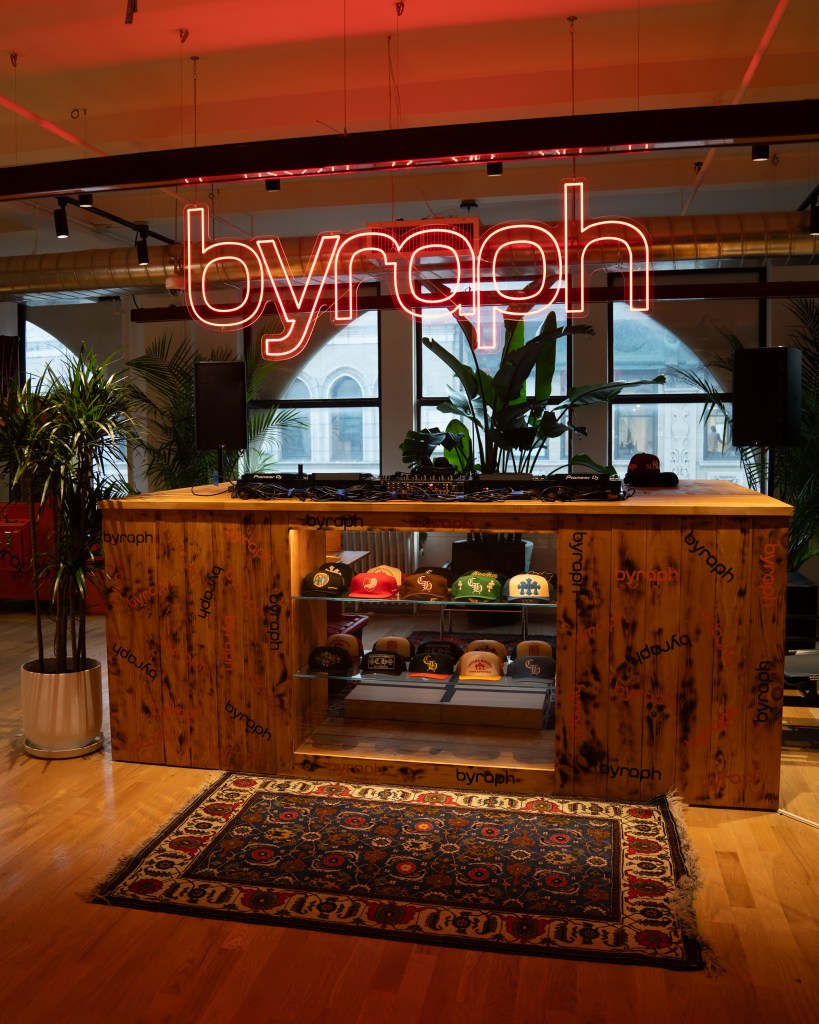
"I built the showroom the way I used to dream about what this city was missing, and then took it further," he says. "I built a home for the unattainable. Somewhere people come in and unwind, spend time, ask questions." Fundamentally, what his business model is selling is undivided attention, and delivering that luxury requires a dedicated, thoughtfully curated physical room.
The layout of the 7,000-square-foot space mirrors the intimate concept of a private residence. A display wall, a relaxed lounge, a private bar, and a rotating glass vitrine are all arranged atop authentic Persian rugs that Badalov sourced himself. This particular design choice stems from his upbringing in a Persian-Jewish household and a lifelong emotional attachment to the craftsmanship of traditional carpets.
"Rugs are warm, they’re homey, they’re playful," he explains. That ambient warmth is critical because the entire commercial premise relies on clients lingering long enough to engage in meaningful dialogue and ask informed questions. The bar, the rugs, and the primary lounge blend together to form a cohesive environment, complemented by a striking contemporary work by artist Matt DiGiacomo hanging prominently within a VIP room that remains closed to the general public. At the time of the showroom’s opening, the central vitrine holds roughly 30 distinctive belts—including several rare one-of-one creations—alongside more than 20 intricate wallet chains, all meticulously selected for how their textures and details read under glass display lighting. Notably, approximately 60 percent of the physical inventory housed within the store never appears on the brand’s public website.
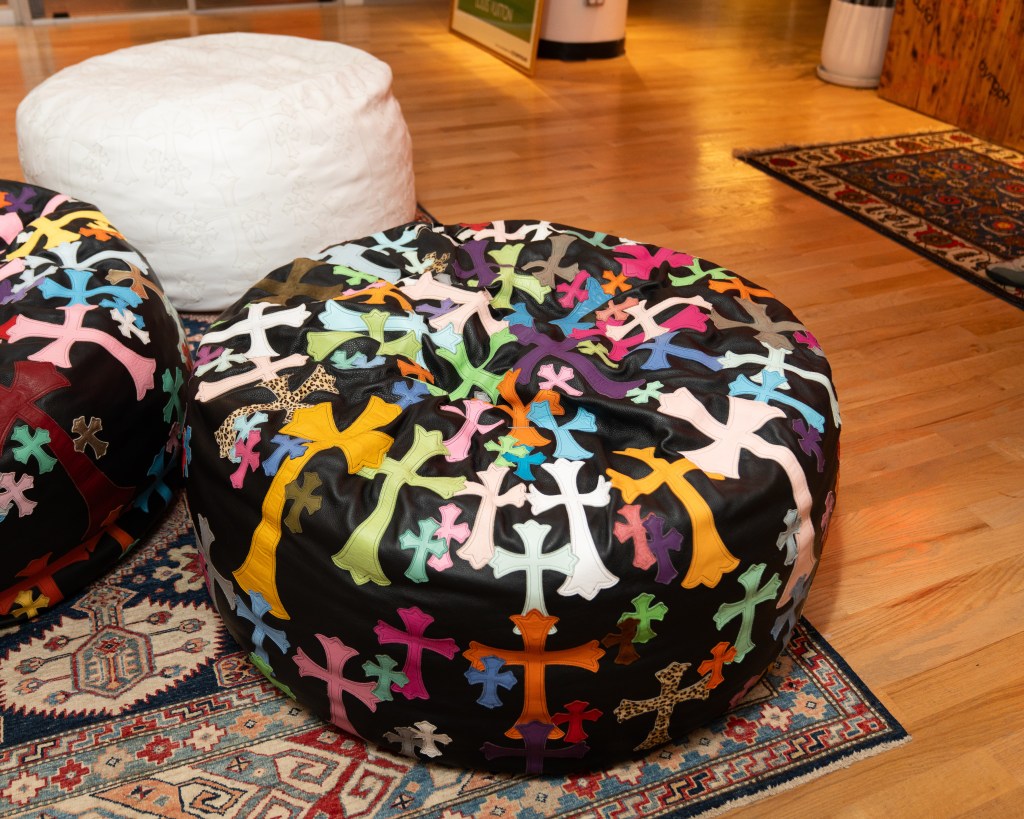
The typical client Badalov envisions is young, newly wealthy, and enthusiastic—individuals who occasionally utilize high-end fashion as a personal creative outlet or follow the wardrobe choices of contemporary rap artists. "Our job is to help them make a decision that feels good in their heart, because that’s how you actually develop a client," he emphasizes. "Popping out in something you genuinely like is a different thing, and that’s the mission." In his perspective, a sustainable collection holding long-term value is built one honest, thoughtful purchase at a time, and the physical showroom exists precisely to slow down that acquisition process.
Looking at the broader trajectory of the luxury category, Badalov perceives virtually no upper ceiling to market valuations. Chrome Hearts has previously released garments featuring solid gold hardware with retail price tags reaching $100,000, and Badalov himself once handled the transaction for a solid gold toilet plunger priced at $30,000. While some extraordinary pieces have verifiable market comparables, others are dictated entirely by raw rarity, secondary resale demand, and pure consumer desire.
To guard against professional complacency, Badalov ensures that his personal wish list evolves fluidly alongside his changing moods. At present, he is focused on completing a coveted set of city-specific denim jeans, with editions dedicated to Hong Kong, Tokyo, Paris, and St. Barths still missing from his personal collection. Beyond Chrome Hearts, his larger long-term ambitions extend into the wider realm of vintage luxury, with plans to channel everything Byraph has learned about running an uncompromising, rigorous operation into new territories.

Ultimately, Raphael Badalov is placing a high-stakes bet that within a luxury category built upon rare goods that most people cannot properly evaluate, trust remains the absolute scarcest commodity in the room. And now, that trust finally has a permanent address in Manhattan.