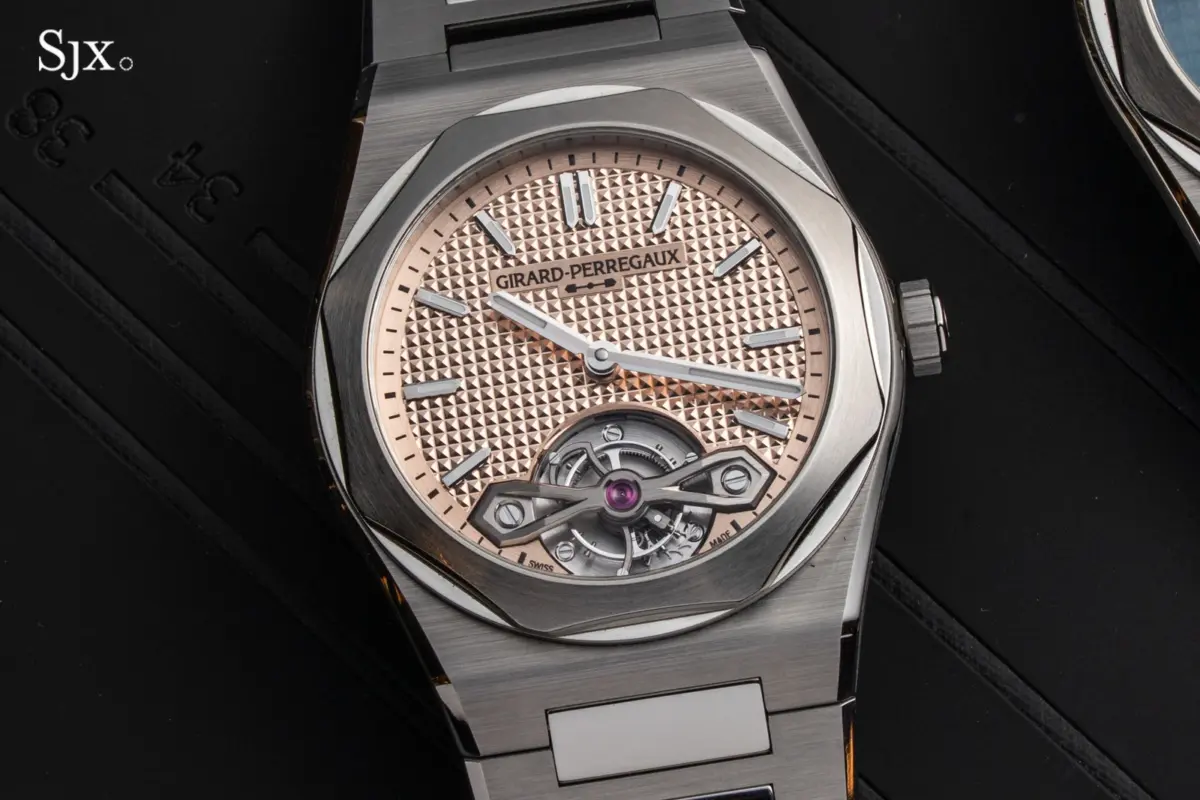
Independent watchmaking is frequently discussed as a realm entirely apart from the operations of major, established brands. Enthusiasts and collectors often draw a sharp mental line between the solo artisan laboring over a bench in a quiet Swiss valley and the sterile, high-volume production lines of corporate-owned manufactures. Yet, this distinction becomes increasingly hazy when examining how specific timepieces are actually constructed and who is behind their creation. Across the industry, high-end artisanal watchmaking is thriving within industrial brands, challenging traditional assumptions about corporate versus independent watch design.
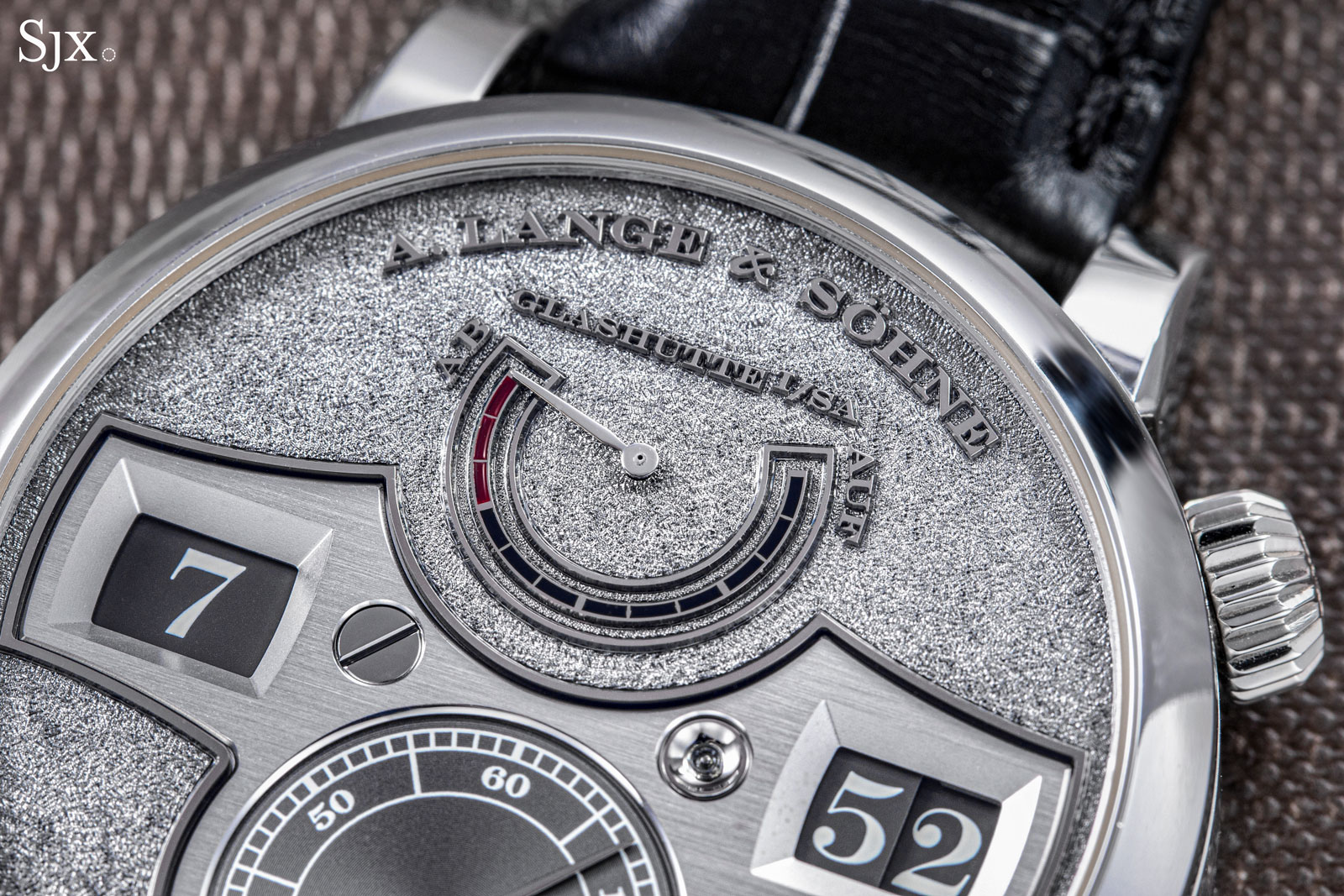
From this perspective, the qualities that once exclusively distinguished the work of independent watchmakers—such as meticulous hand-finishing, unconventional movement architecture, and extraordinarily small production volumes—are increasingly evident within major industrial manufactures. Given the current trend-driven infatuation with independent watchmaking, historical manufactures arguably remain under-appreciated for the caliber of their craftsmanship. If names like A. Lange & Söhne, Louis Vuitton’s La Fabrique du Temps, or Seiko’s Micro Artist Studio were stamped on an independent watchmaker’s dial, their creations would command immense attention and market fervor.

An Objective Measure
Back in 2022, a widely cited market map of the fine watchmaking sector was published based on the concept of watchmaker-hours. The goal was to look far beyond brand positioning, marketing gloss, and prestige narratives to establish an objective, quantitative basis for comparing wildly different approaches to watch production.
The underlying methodology was straightforward: take a company’s available employee hours—essentially the total headcount multiplied by the number of working hours in a standard year—and divide it by its total annual output of finished watches. The resulting figure yields a theoretical maximum number of human hours available for each individual timepiece.
This analytical formula remains useful for establishing clear boundaries between different industrial structures. It helps distinguish categories such as "artisanal-industrial" operations, where each watch might benefit from anywhere between 100 to 299 human hours, from "industrial haute horlogerie," which typically commits between 30 to 99 human hours on average to a given piece.
However, the word "average" is crucial. Critics and analysts have long noted that such metrics fail to account for the specialized, highly artisanal creations tucked away inside larger corporate entities. Seiko Epson Corporation’s fabled Micro Artist Studio serves as a prime example of how broad statistical averages obscure specialized work. Re-examining this topic years later invites a deeper exploration of these edge cases, prompting horological observers to question the true dividing line between corporate conglomerates and independent ateliers.

Independent Appeal
The term "independent watchmaking" itself is somewhat of a misnomer. Taken strictly at face value, it implies little more than a brand operating without external shareholders or corporate parent companies. Yet, under that narrow definition, industrial behemoths like Rolex and Patek Philippe would technically qualify as independent.
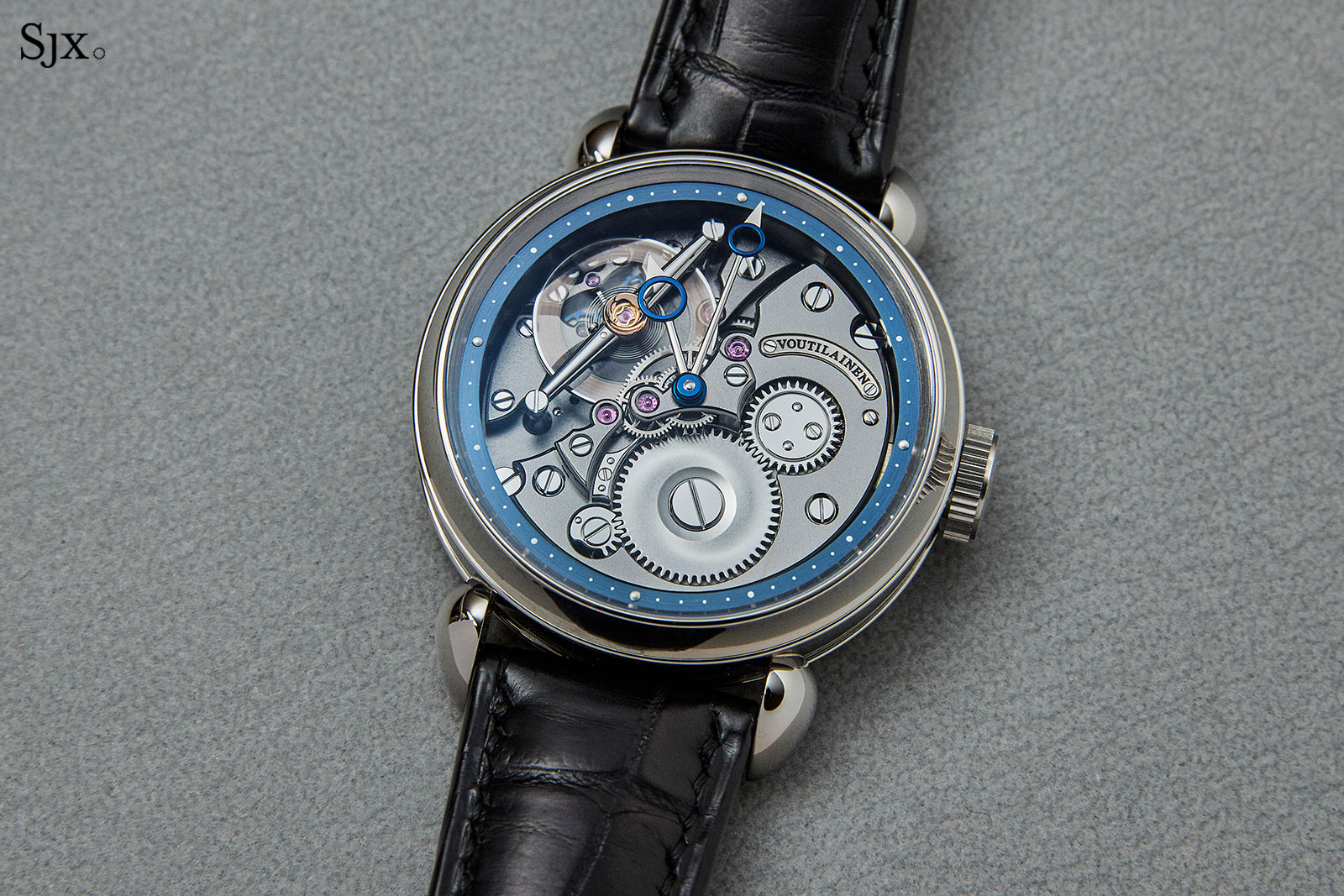
In common industry parlance, the meaning is far more nuanced, usually referring to small-scale makers producing artisanal watches that larger commercial brands would find entirely uneconomical to manufacture. The artisanal aspect of this definition is vital, and it helps explain why the term "micro-brand" has taken root to distinguish the high-end work of makers like Voutilainen from internet-native brands that rely heavily on off-the-shelf industrial components.

The sheer small scale of these operations puts the distinction into perspective. Greubel Forsey, for instance, stands as one of the largest manufactures in the ultra-high-end segment, employing roughly 130 people to produce a mere 200 watches per year. This micro-scale enterprise has deep roots in the brand’s origins as both an independent watch brand and a specialized supplier of heavily complicated movements to the broader industry.
This high employee-to-watch ratio affords an extraordinary investment of human time into every single timepiece, yielding mechanical and aesthetic results that frequently surpass historical benchmarks. But this ratio ultimately describes a manufacturing philosophy rather than a rigid ownership structure. With the right corporate mandate, a small, dedicated team within a large manufacture can operate according to the exact same economic principles, devoting hundreds of hours to each watch while simultaneously benefiting from the deep technical and financial resources of a major industrial organization. This specialized approach can exist within a publicly traded company like Seiko Epson just as readily as it can within a family-owned legacy brand like Patek Philippe.
Industrial Artistry
As originally highlighted in market analyses, an emblematic example of this approach to artisanal craft within a larger institution is Seiko Epson’s Micro Artist Studio located in Shiojiri, within Japan’s Nagano prefecture. Interestingly, Seiko Epson derives nearly three-quarters of its overall revenue from its printing solutions business, while watches and movements account for a meager 3% of revenue. Despite this seemingly insignificant contribution to the corporate bottom line—or perhaps precisely because of it—the company invests extraordinary resources into the Micro Artist Studio by watchmaking standards.
The Micro Artist Studio is home to roughly a dozen staff members, encompassing both master watchmakers and specialized artisans responsible for creating hand-painted porcelain dials. Together, they produce about 30 watches per year—a ratio that is fully competitive with the smallest-scale independent watchmakers based in Switzerland. In the early days of the studio, two of its core watchmakers even traveled to Le Sentier to learn elite finishing techniques from Philippe Dufour, underscoring the independent ethos underpinning their methods.

The results speak volumes. Timepieces like the Credor Eichi II rival some of Switzerland’s most artisanal independent makers when it comes to the finer points of movement decoration, including heat-blued steel components and mirror-polished anglage. Master watchmakers Yoshifusa Nakazawa and Katsumi Nakata have both been honored by the Japanese government with medals of honor featuring yellow ribbons, formally acknowledging them as public role models. While they could easily set up shop as independent masters, they evidently prefer working with full access to the technological and material resources of Seiko Epson.
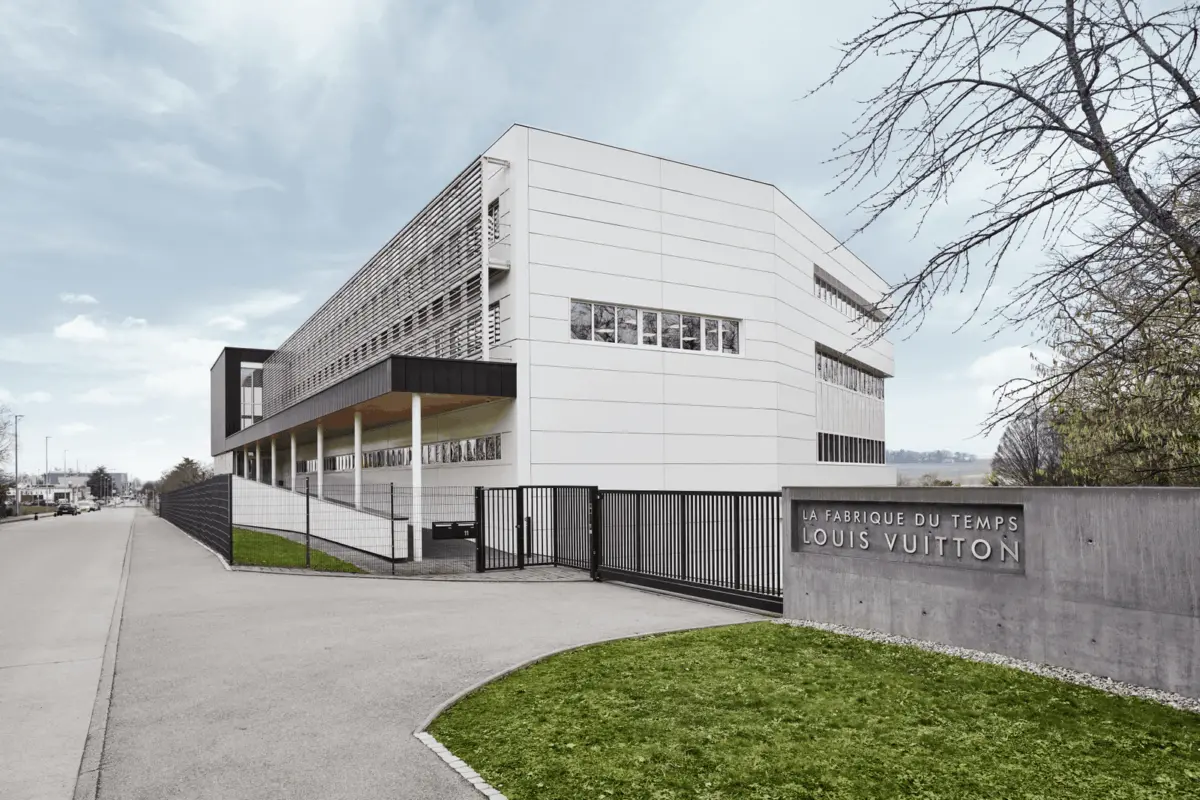
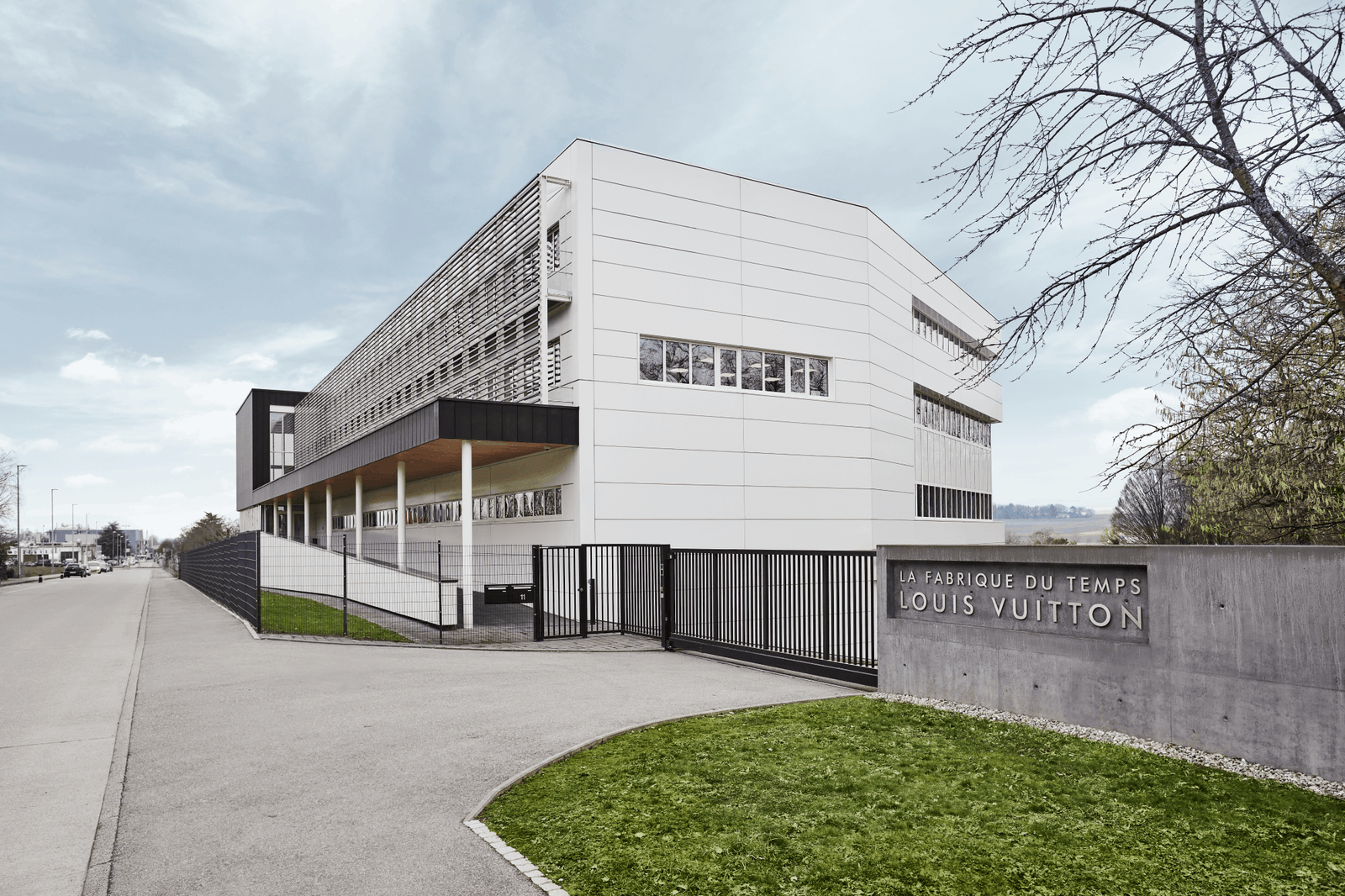
Similar examples of elite artisanal craft embedded within larger organizations can be found across Switzerland. In 2007, Gérald Genta alumni Michel Navas and Enrico Barbasini established La Fabrique du Temps (LFT) as an independent complications workshop intended to supply high-end calibres to larger brands. By 2011, LFT was acquired by Louis Vuitton, one of the firm’s early clients. Louis Vuitton immediately invested significantly in the workshop, opening a state-of-the-art manufacture in the Geneva suburb of Meyrin in 2014.

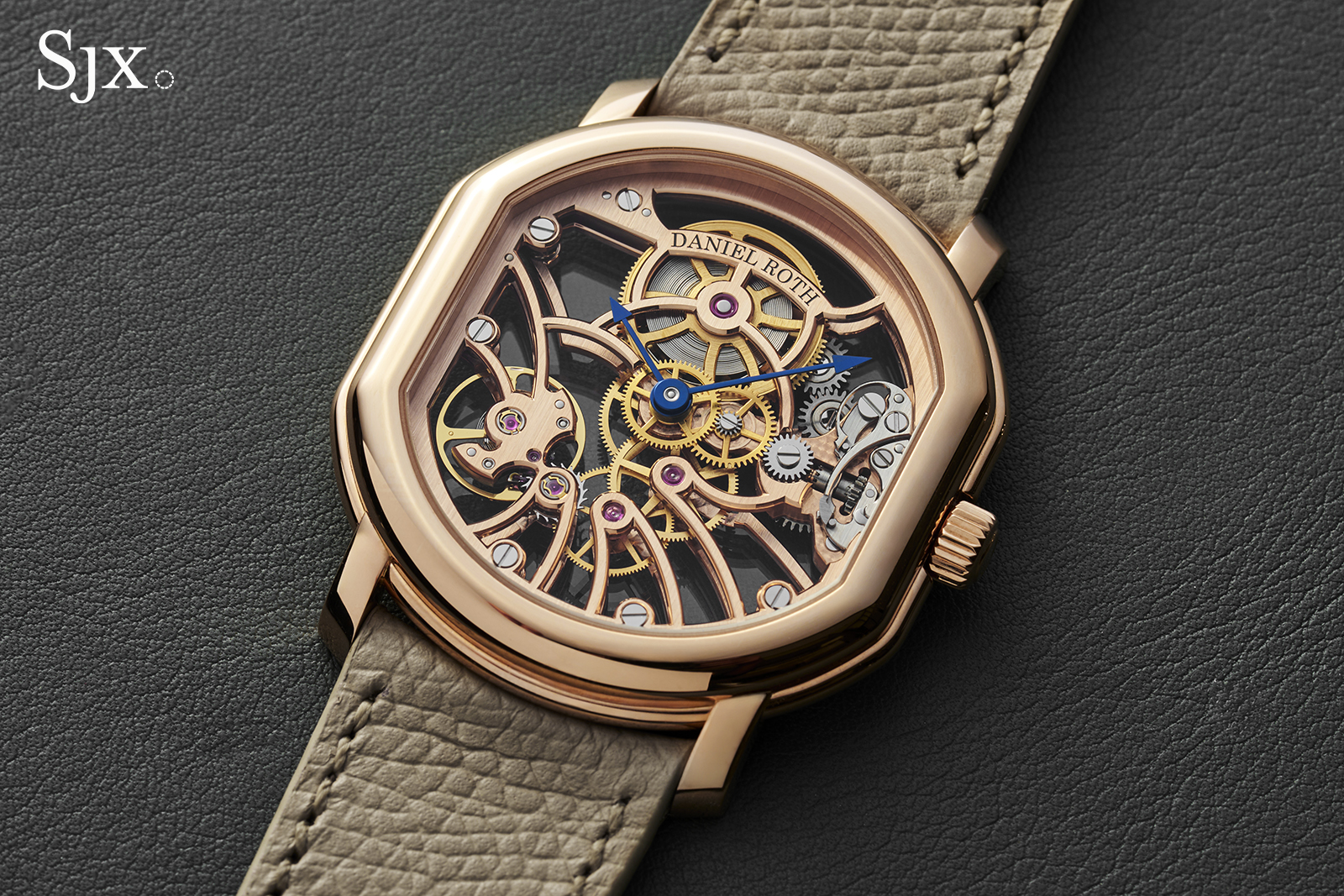
Today, LFT continues to manufacture ultra-complicated movements for Louis Vuitton, such as the Tambour Taiko Spin Time Flying Tourbillon, while also handling the production of all movements for Daniel Roth, another strategic LVMH acquisition from 2011. Daniel Roth remains a seminal figure in independent watchmaking, having helped re-establish the familiar neo-classical Breguet aesthetic in the 1970s before becoming one of the first modern artisans to place his own name on a dial in 1988.
Though independent watchmaking was a precarious business in the 1990s—leading Mr. Roth to sell his firm, which eventually passed to Bulgari and then LVMH—the brand re-emerged with the introduction of the Extra Plat. Powered by an all-new shaped calibre developed by LFT specifically for the iconic double-ellipse case, the Extra Plat and its subsequent tourbillon counterpart proved that corporate backing could elevate artisanal watchmaking rather than dilute it. While honoring Mr. Roth’s original 1990s design language, the modern execution—from the meticulous guilloche dials produced in a dedicated workshop to the superior movement architecture—exceeds the historical originals by a wide margin.

Independents in Service of Brands
When Messrs. Navas and Barbasini established LFT in 2007, they were following a well-trodden path. Back in 1989, François-Paul Journe and Denis Flageollet set up Techniques Horlogères Appliquées (THA) with a nearly identical goal. Jean-Marc Wiederrecht’s Agenhor, founded in 1996, continues this exact tradition today, engineering novel chronographs and mechanical complications for both independent creators and historical brands, including H. Moser & Cie. and Hermès.
Recognizing the vital role these workshops play, MELB Luxe—the family office owning Moser—acquired a minority stake in Agenhor in 2023. Similarly, Chanel has invested strategically in Romain Gauthier, who supplies precision components to the French luxury conglomerate’s watchmaking division. These partnerships illustrate a fundamental truth of recent horological history: some of the most important clients for independent watchmakers have always been the major brands themselves. When Svend Andersen and Vincent Calabrese founded the Académie Horlogère des Créateurs Indépendants (AHCI) in 1985, independent watchmaking was already deeply intertwined with established houses.

Many early academy members spent considerable time developing complex mechanisms for larger companies without public recognition. For instance, Mr. Calabrese’s groundbreaking development of the world’s first wristwatch flying tourbillon still forms the mechanical backbone of Blancpain’s elite haute horlogerie collections. Historically, much of this work was driven by commercial necessity, as the collector market for standalone independent watchmaking was simply not large enough to sustain them. Today, the economic reality has completely inverted.
Brands as Incubators of Independents
The permeable boundary between major corporate brands and independent watchmaking is further highlighted by the role that established manufactures play in cultivating successive generations of talent. Roger Dubuis stands as a classic example, striking out on his own after spending over a decade constructing complicated calibres for Patek Philippe. Throughout his career, Dubuis was guided by the rigorous philosophy of haute horlogerie instilled during his years at Patek Philippe.
Around the same time in the late 1980s, Dominique Renaud and Giulio Papi departed Audemars Piguet to establish Renaud & Papi in Le Locle. Alongside the creation of the AHCI, this venture served as a watershed moment for modern watchmaking, acting as an elite proving ground for some of today’s most celebrated independent watchmakers. Notable alumni include Robert Greubel, Stephen Forsey, and Andreas Strehler, alongside technical directors who moved to major brands, such as Anthony de Haas at A. Lange & Söhne and Carole Forestier-Kasapi. More recently, watchmakers like Gaël Petermann and Florian Bédat honed their skills at A. Lange & Söhne before launching their own critically acclaimed independent workshop.
Independent Dependency
Yet, leaving a major manufacture to launch an independent brand rarely means severing ties with the broader industry. Watchmaking demands such a vast diversity of specialized disciplines that almost no single individual can master every single craft, let alone justify the immense capital expenditure required to own every heavy machine necessary for micro-volume component production.

Consequently, many independent watchmakers are far more reliant on external suppliers than the large industrial manufactures against which they are frequently compared. For makers seeking absolute independence, this creates an unavoidable operational paradox. Making a few dozen watches a year allows for peerless hand-finishing, but it makes justifying an integrated industrial facility nearly impossible without external revenue streams.
Collaborating with third-party clients often provides the financial solution, keeping precision CNC machines and specialized artisans occupied while spreading overhead costs across a broader production base. Ateliers like Comblémine and UhrTeil illustrate this hybrid approach. Kari Voutilainen’s investment in Comblémine secured his control over dial production while allowing the facility to serve external clients, just as Andreas Strehler’s UhrTeil develops movements and components for outside brands alongside his own creations.
Kross Manufacture offers another clear case study. Founded by Marco Tedeschi as Kross Studio, the company initially built its business by manufacturing precision components for outside luxury clients, directly funding its industrial build-out while its own proprietary collections were still being developed. Similarly, Émailleurs de la Cité—established by Rexhep Rexhepi to guarantee the supreme quality of his brand’s enamel dials—supplies select third-party clients to ensure full operational capacity. In each instance, supplying external brands provides a viable path to recouping the heavy investments required to maintain their own independent standing.
The Enduring Appeal of Personality
If exceptional craftsmanship can flourish within large corporate manufactures, and if independent brands often rely heavily on vast networks of specialized suppliers, what truly remains distinctive about independent watchmaking?

The most compelling answer is the living human personality behind the timepiece. The finest examples of independent watchmaking directly express an individual creator’s singular aesthetic vision, specialized technical philosophy, and uncompromising artistic convictions. These intangible dimensions are exceptionally difficult for a faceless corporate entity to replicate. Knowing the artisan, understanding their personal design choices, and following the organic evolution of their craft imbues the finished object with a deep emotional resonance that many collectors find irresistible.
For some collectors, the rare opportunity to directly influence those creative choices is equally paramount. A direct relationship with an independent watchmaker can open the door to bespoke dial treatments, unusual material combinations, or complex commissions tailored explicitly around a client’s personal vision. However, this dynamic can occasionally prove to be a double-edged sword. The rigorous design expertise of a master watchmaker often exceeds that of an individual collector, and some artisans risk compromising their distinct visual identity by being overly accommodating to client demands.

Independent watchmakers also offer patrons a concrete sense of direct support. Buying from a small independent atelier often means helping a specific person realize a lifelong ambition, develop an entirely new mechanical complication, or establish a permanent workshop. Collectors experience the satisfying sense that their financial patronage directly contributed to the creation of something that might otherwise never have existed—a feeling that is difficult to replicate when purchasing from a centuries-old institution that will endure regardless of any single collector’s involvement.
Conclusion
Ultimately, the boundaries separating corporate watchmaking from independent ateliers are far less rigid than marketing labels suggest. Major luxury houses have dramatically closed the gap in tangible mechanical quality, while a maturing ecosystem of specialized suppliers has introduced a degree of standardization across the independent sector. Viewed through the lens of watchmaker-hours, the most artisanal creations from houses like Patek Philippe and A. Lange & Söhne belong firmly in the same conversation as elite independent watchmaking. Operations like Seiko Epson’s Micro Artist Studio and LVMH’s La Fabrique du Temps reinforce the reality that the human time and resources devoted to a watch matter far more than its corporate ownership structure.
Nevertheless, independents retain a distinct advantage in deciding how those precious resources are deployed. Free from heavy layers of corporate bureaucracy and historical baggage, they are uniquely positioned to take bold creative and technical risks. Their finest work gives physical form to an individual conviction that might struggle to survive the approval committees of a larger organization. For collectors, this preserves a rare opportunity: the chance to participate in an artisan’s creative journey and help shape the future of horological art.