






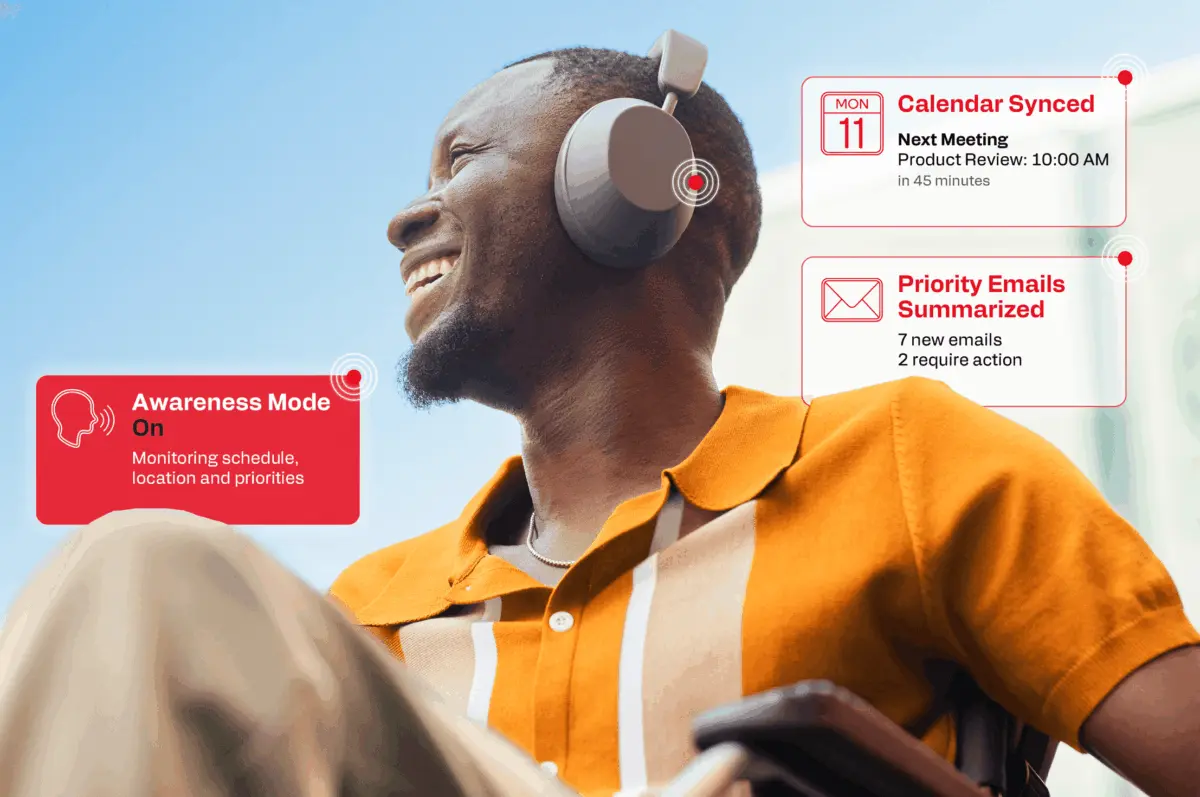
For millions of technology users around the globe, the true promise and enduring appeal of artificial intelligence have finally shifted away from generic, one-size-fits-all tools toward something far more intimate: personal utility. Rather than merely experimenting with standalone chatbots or novelty software, consumers are increasingly eager to discover how advanced AI can meaningfully assist them in the complexities of their daily lives. This evolving consumer mindset is happening in tandem with the rapid evolution and commercial availability of a new generation of wearable technology. These sophisticated devices are no longer confined to running basic operating systems; instead, they are capable of leveraging powerful frontier models while featuring built-in, local intelligence designed to comprehensively understand the nuanced context of an individual user.
The industry is experiencing a profound transition. Hardware that once served primarily as passive accessories—devices whose main function was to mirror smartphone notifications onto a user’s wrist—is rapidly evolving into proactive, intelligent companions. In this emerging paradigm, the traditional dominance of the smartphone as the absolute center of the digital universe is being challenged. While the smartphone remains an indispensable piece of consumer hardware, the personal AI paradigm introduces a fundamental shift where the artificial intelligence itself essentially becomes the user interface. The focus moves away from managing individual applications and shifts entirely toward the user.
Yet, as excitement surrounding these emerging technologies reaches a fever pitch, hardware manufacturers and software developers alike are forced to confront a fundamental question: What do consumers actually want from their personal AI?
To answer this question thoroughly, a comprehensive global study titled the Personal AI Report was recently commissioned by Qualcomm Technologies. Based on an extensive survey of more than 12,000 individuals across key international markets including the United States, the United Kingdom, Germany, India, Brazil, and China, the research offers a deep dive into the accelerating rise of personal artificial intelligence within the context of intelligent wearables and connected device ecosystems.
According to the findings of the report, contemporary survey respondents are increasingly looking past the limitations of single, isolated devices. Instead, they are responding strongly to the broader concept of tightly integrated, connected ecosystems. As consumers naturally expand their personal rosters of technology, this multi-device approach makes intuitive sense. Rather than relying solely on a smartphone and a traditional laptop for digital engagement, modern consumers increasingly incorporate connected technology into their daily commutes via smart vehicles, alongside an array of intelligent wearables such as smartwatches, smart glasses, advanced hearables, and emerging form factors like smart rings, pins, and pendants.
Crucially, consumers want this diverse hardware array to operate in harmonious concert, a goal that requires the decentralization of any single device. Instead of forcing one gadget to shoulder the entire computational and interactive burden, the intelligent solution lies in a unified personal AI agent. This agent possesses a deep, continuous understanding of the user and operates seamlessly across all connected endpoints.
Consider how this ecosystem functions during a typical workday. A user’s smartware detects that it is time to depart for an upcoming morning appointment. With explicit user permission, the personal AI agent dynamically factors in up-to-the-minute calendar details, real-time traffic conditions, and the current battery status across all active devices. Once the user enters their vehicle, the agent proactively suggests the most efficient driving route while simultaneously briefing them on the agenda for the upcoming meeting. As the user arrives at the destination and steps out of the car, a pair of connected smart glasses can discreetly surface subtle reminders, such as the exact meeting location or the name of a newly acquired professional contact, all while the smartphone remains securely tucked away in a pocket. No single device is forced to handle every task; rather, each piece of hardware plays the specific role it is best suited for, orchestrated intelligently by a personal AI agent that comprehends the user’s immediate context and acts strictly under their direction.
With this collaborative paradigm in mind, simply introducing more standalone hardware to the consumer market is no longer sufficient to drive adoption. Even though survey respondents demonstrate a clear openness to experimenting with new hardware form factors, they will increasingly demand higher performance and deeper utility from their overall device ecosystems. Consumers have shown that they are acutely sensitive to points of friction, unnecessary complexity, and redundant features. Consequently, they will require every new device introduced to the market to bring genuine value to the table, demanding incremental intelligence, enhanced convenience, and contextual awareness that existing hardware cannot deliver independently.
Usage statistics underline this growing momentum. The report highlights that consumers who already own and utilize intelligent wearables are interacting with artificial intelligence with remarkable frequency, with 60 percent reporting that they use AI features at least on a weekly basis. This metric indicates that personal AI is rapidly transitioning away from being merely a fun, novel experiment favored exclusively by early technology adopters, and is instead solidifying its place as a critical mass habit for the general public. Furthermore, the inherent "always-on" nature of intelligent wearables appears to be a major factor winning over respondents, reflecting a strong consumer desire for persistent, ambient technological assistance. Ultimately, consumers are searching for AI experiences that are deeply personal, contextually aware, and delivered through smooth, intuitive interfaces governed strictly by privacy, security, and robust user control.
Consumer Trust Is Hard-Won
Despite the palpable excitement and high levels of daily engagement surrounding intelligent wearables, the industry faces a significant gating factor that threatens to stall broader market penetration: consumer trust. As the practical use cases for intelligent wearables expand rapidly into increasingly personal and persistent areas of daily life, establishing and maintaining deep trust becomes an absolute prerequisite for the success of personal AI.
The data reveals that the primary reported anxieties surrounding device adoption center squarely on data privacy, cybersecurity, and individual user control. Consumers exhibit a palpable sense of caution when it comes to deeply personal application categories, such as biometric voice data, personal health metrics, and real-time physical location tracking. Nearly 60 percent of survey respondents explicitly stated that they want to keep the sensitive data generated by their wearables entirely private, or at least insist on maintaining mandatory approval rights before any such information is shared across networks or platforms.
In essence, while premium hardware features—such as high-fidelity audio reproduction, advanced perception sensing, extended battery life, and physical comfort—successfully whet consumer appetites, and while sophisticated agentic AI capabilities strongly drive the desire to upgrade, true long-term market adoption will ultimately depend on consumer trust. Users want absolute assurance regarding security, privacy, transparency, and personal control over their digital footprint.
Notably, the report revealed an intriguing consumer sentiment regarding underlying technology platforms: respondents expressed a significantly higher level of interest and confidence in adopting intelligent wearables when established platforms like Snapdragon were introduced as the foundational enabling technology. This finding reinforces the immense commercial value of relying on a trusted, proven technology foundation within the crowded hardware landscape.
The Industry Remains Fluid
The findings of the research demonstrate that overall consumer appetite for artificial intelligence remains exceptionally robust, with between 60 and 70 percent of survey participants expressing active interest in incorporating advanced AI capabilities when considering the purchase of a new device. While this strong desire for AI integration is a consistent market trend, the specific secondary purchase drivers tend to vary significantly depending on the distinct device category in question.
For true wireless earbuds and traditional headphones, audio playback quality remains the single most influential driver governing consumer purchase decisions. When evaluating smartwatches, however, consumers prioritize physical display quality and interface responsiveness above all else. Interestingly, when considering emerging form factors such as smart rings and decorative pendants, technical specifications take a backseat to pure aesthetic considerations, with consumers placing the highest value on material finishes and overall design elegance. Meanwhile, for smart glasses, purchasing intent is heavily dictated by the method of control, with buyers closely evaluating whether the device relies on voice commands, physical gestures, or touch interfaces.
Running parallel to these hardware-specific purchase drivers is another critical takeaway from the data: the mainstreaming of consumer appetite for Personal AI agents. The report indicates that a commanding 70 percent of respondents express strong interest in utilizing an intelligent AI assistant capable of interacting naturally through conversational voice inputs while seamlessly managing a diverse array of devices, software applications, and everyday administrative tasks. As individuals increasingly position themselves at the center of their own personalized technology ecosystems, natural voice interaction emerges as the most critical and intuitive method for communicating with these intelligent agents.
The marketplace for intelligent wearables presents a remarkably dynamic and exciting landscape for manufacturers. It is abundantly clear that consumer demand for personal artificial intelligence has reached mainstream status, and comprehensive research data provides precise insights into what users truly expect from these technologies. Consumers are looking for artificial intelligence that is inherently personal, deeply understanding of their immediate context, and proactive rather than merely reactive in its assistance. They seek seamless, intuitive experiences anchored firmly by uncompromising standards of privacy, security, and user control.
Because intelligent wearables comprise the foundational hardware of this emerging "ecosystem of you," consumers are naturally gravitating toward interconnected ecosystems rather than siloed, single-purpose devices. They are actively searching for agentic AI capabilities that possess the comprehension required to act effectively on their behalf. Yet, despite these clear signals, much of the broader industry remains undefined and open for innovation. Original equipment manufacturers and technology developers are presented with a massive commercial opportunity to innovate and iterate rapidly upon the robust technological foundations currently being built by platform providers, armed with a clear and definitive roadmap of what modern consumers truly demand from the future of personal technology.