





References to gemstones appear woven throughout many ancient writings, recorded not as subjects in their own right, but as mere decoration, instruments of barter, symbols of wealth, sources of power and magic, or objects of outright adoration. In these earliest records, the gem remained entirely auxiliary to the primary narrative. It was not until the sweeping intellectual contributions of Aristotle that the physical world and its constituent parts became deemed worthy topics of systematic study and documentation.
Aristotle’s division of philosophy into separate, specialized branches—logic, metaphysics, physics, ethics, politics, and art—paved the way for the organized study of nature. The natural world was similarly divided into foundational elements: earth, water, air, fire, and ether. Only then could gemstones be systematically classified, described within these terms, and assigned recorded properties. The academic study of gems and minerals began modestly with the recording of raw observations, the documentation of sources, and the cataloging of surrounding legends and folklore. Initial literary efforts sought to compile everything known at the time, resulting in a fascinating blend of early science and pseudo-science. As human understanding of the natural sciences expanded over the centuries, the specialized disciplines of mineralogy and gemology slowly emerged.
Origins
Theophrastus, a brilliant student of Plato and the direct successor to Aristotle as head of the Peripatetic school of philosophy, is credited with writing the first known treatise entirely dedicated to gems. Of his landmark work, Peri Lithon (Of Stones), only a fraction of the original text has been preserved across the ages. This distinctive Aristotelian mix of physics and metaphysics is widely credited as the intellectual source for a vast amount of the lore passed along in subsequent historical texts. The first English translation of Peri Lithon by John Hill was eventually superseded by two modern scholarly translations: the first executed by E. R. Caley and J. F. C. Richards, and the second by D. E. Eichholz.
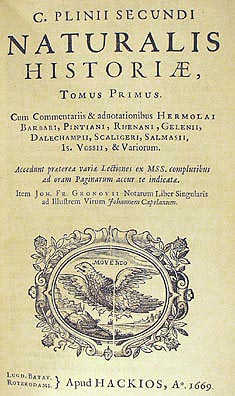
Decades later, the Roman author and historian Gaius Plinius Secundus—universally known as Pliny the Elder—compiled his monumental thirty-seven-volume work, Naturalis Historia (Natural History), published in 77 A.D. Pliny drew from a reported two thousand distinct sources to embrace the domain of natural history in the absolute broadest sense, including astronomy, geography, and meteorology. Beyond what modern readers classify as natural history, his sweeping survey incorporated the fine arts, human inventions, and human relations, ultimately standing as a premier source from which modern historians glean informative descriptions of life during the first century.
Much of Pliny’s information regarding gemstones, however, was not derived from direct observation. His studies frequently relied on retellings from secondhand sources that are now entirely lost to antiquity. Consequently, many stones were lumped together simply by color, mining location, or folkloric attributes. His recounting of myths, alongside assumptions drawn directly from them, laid the groundwork for much of the literature that appeared throughout the Middle Ages. Pliny quickly became the most frequently quoted writer on the subject, with his information relied upon and repeated without question across generation after generation of books.
For the first thirteen centuries of European history, virtually no scientific information was added to the limited pool of knowledge garnered from Pliny’s accounts. Instead, many later authors merely embellished his writings, adding their own speculative leaps and unwarranted conclusions. Despite these limitations, Pliny is rightly credited with pioneering attempts to classify gems according to color and observable external characteristics. Unfortunately, this practice often meant assigning the specific physical attributes of one stone to all other stones sharing a similar color or appearance. Green stones collectively named smaragdus in Latin offer a prime example, with Pliny classifying most green varieties as emeralds. In total, twelve distinct varieties are listed under this umbrella, allowing modern researchers to identify green sapphire, turquoise, smithsonite, malachite, jasper, and even glass buried within his descriptions. Simultaneously, he made remarkably astute classifications, widely believed to be the first to formally recognize the intrinsic chemical and physical connection between beryls and emeralds.
Christian Lapidaries
As the Roman world gave way to the medieval era, the focus of gem literature shifted toward spiritual and symbolic interpretations. Saint Epiphanius, Bishop of Constantia in Cyprus, authored the first treatise dealing specifically with the gemstones mentioned in Biblical writings. This work served as an enduring model for the treatment of Biblical gems in future lapidaries and offered the earliest formal reference to the potential composition and religious significance of the twelve stones embedded within the Breastplate of Aaron. Epiphanius traveled extensively throughout the Eastern Mediterranean and studied deeply in Egypt and Palestine.
Scholars note that these early opinions regarding Aaron’s Breastplate helped establish a cultural allowance for Christian medieval lapidaries. Even devout Christians during this period struggled to completely shake off ancient beliefs asserting that precious stones possessed supernatural powers or significance. This persistent fascination was largely legitimized by focusing scholarly and spiritual attention onto the stones explicitly mentioned in the Bible, particularly the twelve stones of the breastplate and those incorporated into the foundations of the New Jerusalem. The complete text of Epiphanius’s Biblical Lapidary was eventually published in print as part of Conrad Gesner’s De Omne Rerum Fossilium in Zurich in 165.
Shortly thereafter, Isidore, Bishop of Seville, emerged as the leading clergyman of his day, exerting profound influence over the intellectual landscape and literature of the early Middle Ages. His encyclopedic work, Etymologiarum sive Originum Libri XX (Etymologies), contained more than one thousand manuscripts detailing the collected knowledge of the era. Conceived primarily as a dictionary rather than an instructional manual, Isidore’s descriptions, classifications, and assigned attributes for numerous gems made his writings the standard reference for scholars well into the twelfth century.
During the eleventh century, the medieval scholar known widely as Marbod—Bishop of Rennes—composed his influential poetic work Libellus de lapidibus, also known as Lapidaire en Vers. Considered the most important and popular work of its kind, the text consists of seven hundred and thirty-four hexameters concerning sixty distinct kinds of stones. It opens with an introductory section pointing to Damigeron or Evax, King of the Arabs, as the primary source of its lore. Marbod’s poetic lapidary proved so immensely popular that more than one hundred and sixty manuscripts were meticulously prepared in Latin alongside several translations in contemporary vernacular languages.
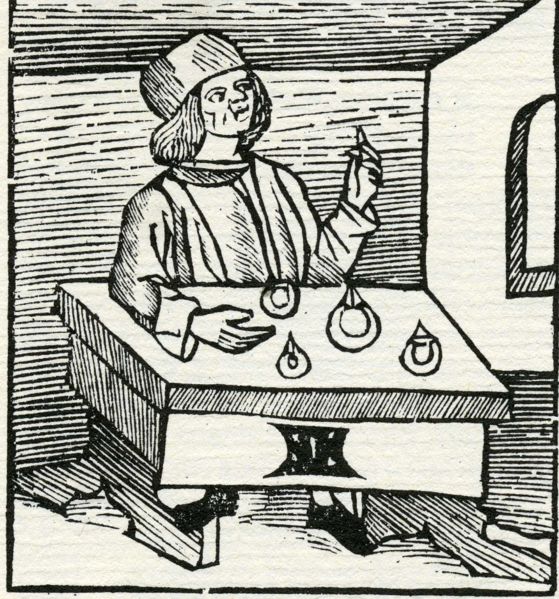
As the intellectual climate of Europe gradually shifted, towering figures such as Albertus Magnus, Bishop of Ratisbon, began applying systematic reasoning and early scientific methods to theological and natural studies. His seminal work, De Mineralibus, represented an impressive, albeit imperfect, attempt to organize the burgeoning science of mineralogy, even while retaining a considerable amount of traditional superstition and speculation. Following him, the thirteenth-century King of Castile and Leon, Alfonso X the Learned, composed the first major work connecting astrology and gemstones. Alfonso methodically classified gems by color, placed each under one of the twelve traditional zodiac signs, and detailed their purported medicinal virtues as influenced by celestial bodies.
Introduction of the Scientific Method
The dawn of the sixteenth century brought a more rigorous analytical approach to the study of stones. Camillus Leonardus, an Italian physician from Pesaro, gathered information from previously published sources but deliberately utilized systematic methods to distinguish between various gems. Published as Speculum Lapidum in 1502, his work treated physical properties—such as hardness, specific gravity, compactness, color, form, and geographic origins—with a thoroughness unseen in earlier texts, though he still maintained that certain medicinal virtues of gems could be enhanced by engraving them with specific symbols.
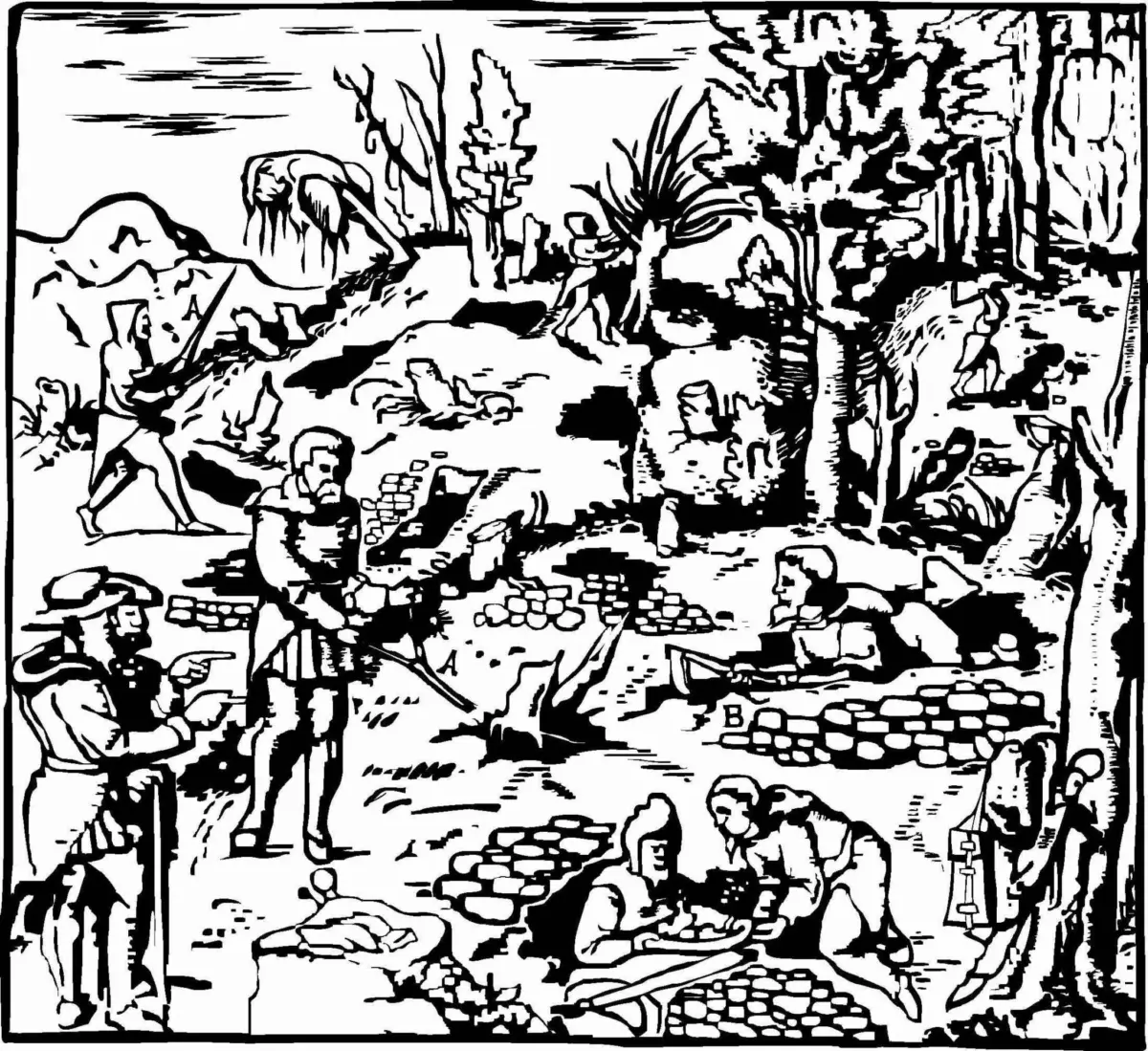
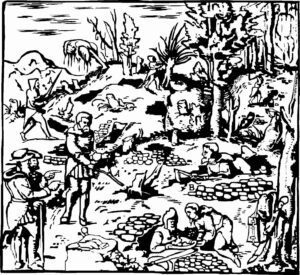
The true scientific transformation of the field, however, arrived with Georgius Agricola, widely celebrated as the father of mineralogy. His masterwork, De Natura Fossilium (1546), stands as one of the most critical mineralogical and gemological texts in history. Agricola provided remarkably accurate commentary on the nature, properties, and treatment of gemstones, backed by clear evidence of firsthand observation, though he still occasionally fell back on Pliny for unfamiliar stones. His precise descriptions of physical characteristics, coupled with early references to scratch tests for hardness, set a new benchmark for scientific inquiry.
Subsequent scholars continued this march toward empirical science. Anselmus Boëtius de Boodt, physician to the royal court of Rudolph II of Prague, published Gemmarum et Lapidum Historia in 1609. De Boodt introduced a five-degree scale of hardness, speculated on the existence of distinct atomic structures within minerals, and openly expressed healthy skepticism regarding the traditional mystical and medicinal virtues attributed to gems. Shortly thereafter, English natural philosopher Robert Boyle published An Essay About the Origine and Virtues of Gems in 1672, utilizing direct observation to explain crystal formation and solution crystallization while dismissing the internal medicinal use of insoluble gems.
Modern Gemology
By the eighteenth century, mineralogy and geology had firmly established themselves as pure sciences, driven by improved record-keeping, specialized laboratory tools, and rigorous chemical experimentation. Gemology proper, however, remained closely tied to the retail jewelry industry, where the enduring romance, legend, and lore of gemstones continued to be viewed as commercially advantageous. Consequently, mainstream gemological research largely languished for generations.
A major revival in the scholarly study of gems arrived late in the nineteenth and early twentieth centuries through the extensive research and writing of Dr. George Frederick Kunz. Serving as a consultant to Tiffany & Co. and as founder and curator of the mineral collections at the American Museum of Natural History, Kunz elevated the field significantly, leaving behind both technical studies and beloved compilations of historical pseudoscience.
The establishment of the Gemological Institute of America in 1931 and the American Gem Society in 1934 by Robert M. Shipley introduced modern professional standards to both gemology and the broader jewelry trade. Today, after more than two thousand years of speculation, rigorous scientific research, and evolving literature, the disciplines of gemology and mineralogy stand firmly established on empirical foundations, continuing to intersect dynamically with physics, chemistry, biology, and medicine.