




From the historic avenues of New York to the grand salons and venues of Paris, the editors and contributors of Vogue Runway logged an immense amount of travel over the course of the international fashion season, attending and reviewing a staggering 440 spring 2027 ready-to-wear shows and presentations. It was, by any measure, an extraordinary amount of fashion to process, analyze, and digest. When faced with such a vast landscape of design, what truly sticks out? What will the industry remember a year from now, or even a decade into the future?

According to the publication’s seasoned critics, a reliable measure of a collection’s lasting power is the unmistakable physical jolt of an adrenaline surge—that sudden, electrifying connection when a show transcends mere presentation and deeply resonates. As Sarah Mower described the sensation, it is about experiencing "full body tingles." It is simultaneously an intensely personal reaction and a powerful collective phenomenon. At the very best and most memorable shows, that energy is palpable, registerable in the expectant body language of neighbors sitting shoulder-to-shoulder on tightly packed benches, everyone eagle-eyed with camera phones at the ready, angling for the absolute best possible view as the models pass by. Across the globe, a select few presentations managed to capture that elusive magic and command the attention of the fashion world.

The journey began in earnest with houses like Dries Van Noten, where Julian Klausner’s spring 2027 collection unfolded like a cinematic narrative. Kicking off with a vintage film poster invite, Klausner utilized vintage movie advertising as a loose jumping-off point while following the daily trajectory of an imagined female star—from the sharp, echoing clack of heels during a morning commute to the quiet, post-filming return home in the evening. As Chloe Malle noted, the color palette was remarkably fresh, full, joyous, and bright, effectively flipping the weather from a gray, rainy Parisian day just as effectively as a Hollywood movie set can alter an atmosphere. It stood as Klausner’s strongest showing to date, cementing a narrative charm that draws devoted followers back to the Quai Malaquais store in Paris season after season.

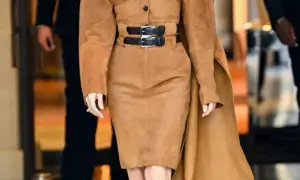
In a season where skirts and dresses threatened to dominate every major runway, The Row offered a welcome counter-narrative with immaculately tailored trousers. Virginia Smith pointed out that the addition of charming, subtle details like antique lace, vintage doilies, and ribbons provided a deeply personal, artisanal touch. In a modern cultural landscape where shouting for attention has become the default mode of operation, The Row’s steadfast commitment to quiet discretion remained the ultimate expression of power and confidence.

That spirit of wearable realism echoed powerfully at Celine, where Nicole Phelps noted the rare and remarkable feeling of finding a collection where every single women’s look felt instantly desirable. Backstage, when Sarah Mower marveled at how un-overdone the clothes and styling appeared, designer Michael Rider explained his philosophy: he responds to how real people dress out in the world, admitting frustration with visual flatness or overly rigid garments, preferring instead when authentic clothes are worn with spontaneity. With 161 detailed shots available in the brand’s digital archives, the collection rewarded a slow, leisurely scroll as the whirlwind season came to a close.

At Christian Dior, Jonathan Anderson addressed the very real, practical challenges of dressing through a persistent global heatwave. Sarah Mower highlighted how Anderson’s remarkably light collection offered intelligent solutions for summer dressing, translating traditional tailoring into airy chiffon and giving skirts mobility through delicate pleating. Presenting a comprehensive wardrobe of interchangeable components, Anderson delivered a masterclass in relevance that is poised to heavily influence the broader market.

Yohji Yamamoto’s presentation functioned once again as a rich Rorschach test of texture and form. Amy Verner observed that rather than focusing purely on silhouette, the collection’s intricate fringes, webbed surfaces, roped fronts, and thatched patterning created striking negative space around the human body, speaking profoundly to the passage of time as Yamamoto celebrated his 82nd birthday. Far from being overly solemn, the clothes radiated a quiet joy, underscored by a model backstage playfully and giddily twirling in a fringed dress.

Deconstruction also took center stage at Junya Watanabe, where Luke Leitch noted a collection that delivered both a creative sugar rush and substantial fashion substance. Working with movement director Pat Boguslawski, Watanabe cleverly sampled two historical modes of runway presentation—the extroverted, performative energy of the 1970s associated with Pat Cleveland, and the poised, chin-up allure of 1950s and 60s haute couture. The garments themselves mirrored this meta-analysis, pulling apart classic biker jackets, trench coats, tweed tailoring, corsetry, and punk hardware before reassembling them into formidable, modern iterations of feminine armor.

Moschino injected a dose of brilliant, disruptive satire into the Milan calendar. Tiziana Cardini awarded the house her top vote not necessarily for the clothes themselves, but for executing a genuinely daring concept. Designers Loris Messina and Simone Rizzo took over a parking garage rooftop, releasing more than 400 people—friends, collaborators, ordinary passersby, dogs, bicycles, shopping carts, and strollers—into the space while models were forced to swim upstream against the chaotic human tide. It served as a brilliant, humorous metaphor for how the polished bubble of the fashion industry must constantly negotiate with the messy force of real life.

In London, Aaron Esh expanded his distinct indie sleaze tailoring idiom with vibrant pops of neon color. Set in the subterranean depths of the Electric Ballroom in Camden, the presentation triggered fond nostalgia for the nineties and noughties club scenes, executed with the precision of master tailoring. Elektra Kotsoni observed that Esh achieved this milestone just a week after launching his inaugural collection for British high street retailer All Saints, marking a monumental achievement for a Central Saint Martins graduate of 2022 and highlighting the local industry’s dedication to homegrown talent.

Copenhagen set the tone earlier in the calendar with Anne Sofie Madsen’s modern, contemplative collection. Laird Borrelli-Persson noted that Madsen, who previously paused her label to focus on her work as an artist, teacher, and mother, wove elements of a children’s storybook about healing the world into an insightful exploration of the design possibilities inherent in a simple geometric square.

In Paris, Chanel offered a feast for the senses inside the Grand Palais, complete with a flock of soaring birds, a stellar soundtrack featuring classics from "You Don’t Own Me" to Britney Spears’s "Gimme More," and playful playing card motifs. Sam Sussman highlighted the emotional resonance of the show, which included nods to Edgar Degas ballerinas and a celebratory moment for model Rachel Ojuromi, who transitioned from recreating Chanel looks in Nigeria to walking the house’s official runway.

Polo Ralph Lauren emerged as a standout sleeper hit of the season. Max Berlinger drew parallels to the relaxed elegance seen at Celine, noting how Ralph Lauren elevated classic American sportswear—chinos, pique polos, shirting, and tailoring—through exceptional styling and silhouette manipulation. From macramé shift dresses fashioned out of cable-knit sweaters to Harringtons finished with beaded collars, the collection demonstrated a witty, sophisticated approach to heritage style.

Eckhaus Latta continued to champion New York’s gritty downtown cool amidst a sea of clean minimalism. Hilary Milnes noted that after presenting a robust lineup of sheer, layerable separates and slouchy trousers, the brand surprised the audience with a burst of DIY confetti, ushering in a collaborative second act with J.Crew that promised to introduce the cult-favorite label to a much broader audience.

August Barron brought a high-energy theatricality to Paris at La Cigale. Naomi Elizee detailed how designers Benjamin Barron and Bror August centered their collection around a fictional cast of glamour-chasing hopefuls caught between cabaret and old Hollywood. By pairing sparkly tops with gym shorts, hoodies with dresses, and platform shoes with athletic socks, the designers captured a delightfully messy, poignant, and highly contemporary take on modern self-presentation.

At Jil Sander, Simone Bellotti challenged the misconception that minimalism is inherently boring or stark. Alexandra Hildreth observed that Bellotti infused his austere tailoring with an avant-garde edge, incorporating sheer paneled argyle sweater dresses, purposefully mismatched details, and dense scenic prints that kept audiences guessing.

Simone Rocha drew inspiration from the dramatic chiaroscuro lighting of Caravaggio paintings housed in the National Gallery of Ireland. Liam Hess noted that Rocha successfully reinterpreted her signature romance—stripping back excessive ornamentation to focus on disheveled lacy slip dresses, wonky argyle knits, and off-the-shoulder blazers that gave her dark fairy-tale aesthetic renewed potency.

Skirts undeniably reclaimed their throne across the international capitals, with Prada leading the charge under Miuccia Prada’s enduring philosophy that a skirt is as fundamental as a simple T-shirt. Christian Allaire pointed out that every single look in the Prada lineup featured a skirt, ranging from sleek satin and distressed leather to Velcro-fastened iterations and heavily bejeweled designs, offering a refreshing departure from years of trouser dominance.

Marni’s Meryll Rogge delivered a sophomore collection defined by tension and paradox, describing the vision as "sexy, but absolutely not sexy." Hannah Jackson praised the designer’s ability to blend ruched balconette bras with no-nonsense dresses, cut-off suit trousers revealing long johns underneath, and technical outdoor minidresses into a quirky yet deeply sophisticated wardrobe.

At Maison Margiela, Glenn Martens shifted focus purely to the garments. Madeleine Schulz observed that Martens successfully balanced conceptual drama with wearability, creating layered, beautiful pieces that fulfilled his stated desire to offer strong design concepts without alienating the consumer.

Kallmeyer struck a harmonious balance between fashion fantasy and commercial desire. Libby Page noted that delicate details like pale pink organza, chiffon embroidery, and beaded headscarves fulfilled dreams of dressing up, while chocolate-brown silk blouses, cummerbunds, and sharp tailoring provided an immediate urge to wear them.

Chopova Lowena captured the raw power of community spirit inside a Bloomsbury bowling alley. Lucy Maguire recalled an ecstatic audience cheering for a collection that fused Slavic folklore with bowling culture, resulting in signature layered skirts, graphic prints, and patchwork knits set against a vibrant drum-and-bass soundtrack.

Louis Vuitton saw Nicolas Ghesquière pivot away from his characteristic architectural armor toward extreme fluidity and lightness. Laure Guilbault reflected on Ghesquière’s use of flying cars as a set piece symbolizing navigation through modern chaos, serving as an apt metaphor for an industry finding its path through a period of profound transformation.

Proenza Schouler’s Rachel Scott staged an unforgettable presentation along the grand staircase of the former Barneys New York building. Taylor Lashley praised Scott’s softened approach to prints and the much-anticipated debut of an updated PS1 handbag.

Alberta Ferretti’s collection under Lorenzo Serafini offered a vibrant departure from traditional pastels. Irene Kim highlighted the brilliant use of color and the practical styling of evening gowns paired with flat shoes, proving that elegance and comfort can effortlessly coexist.

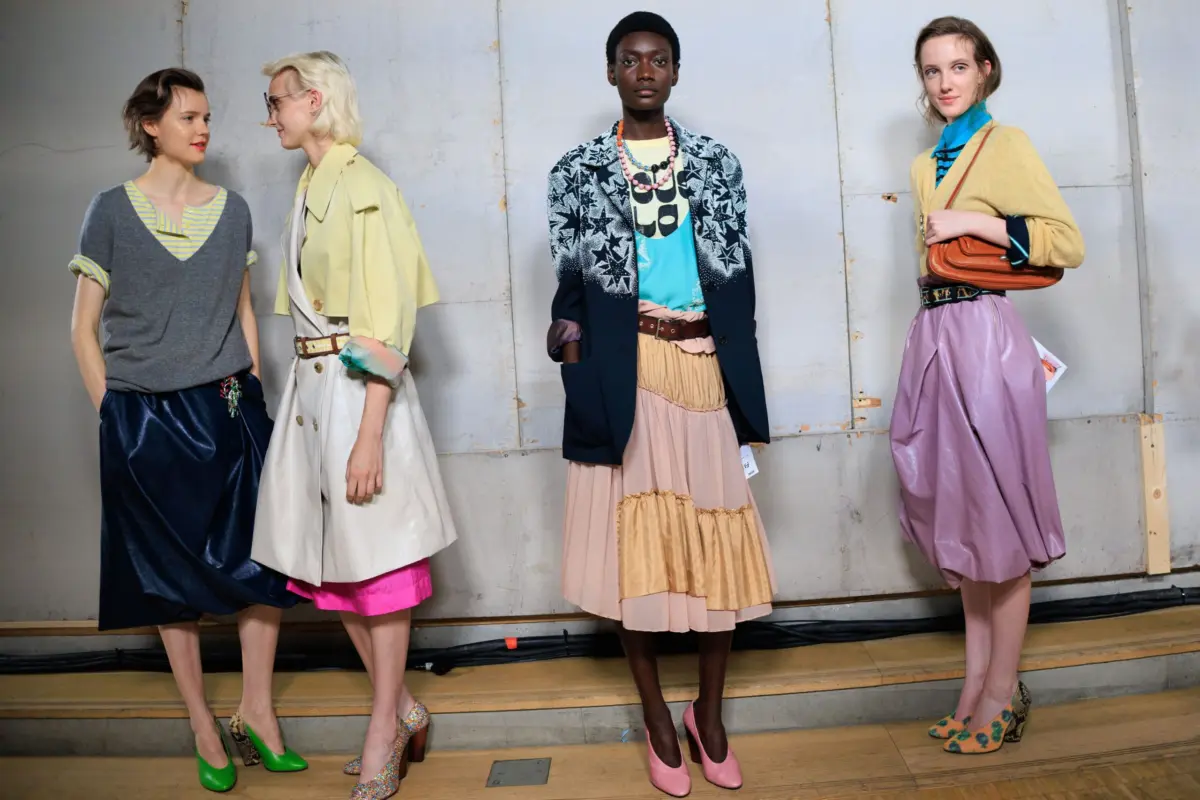
Rounding out the season, Miu Miu captured the restless, youthful energy of the present moment. Joan Kennedy observed that the combination of short-shorts, sneakers, buttoned-up blazers, and lace-up jeans underscored a collection that felt resolutely grounded in the "Here and Now."