





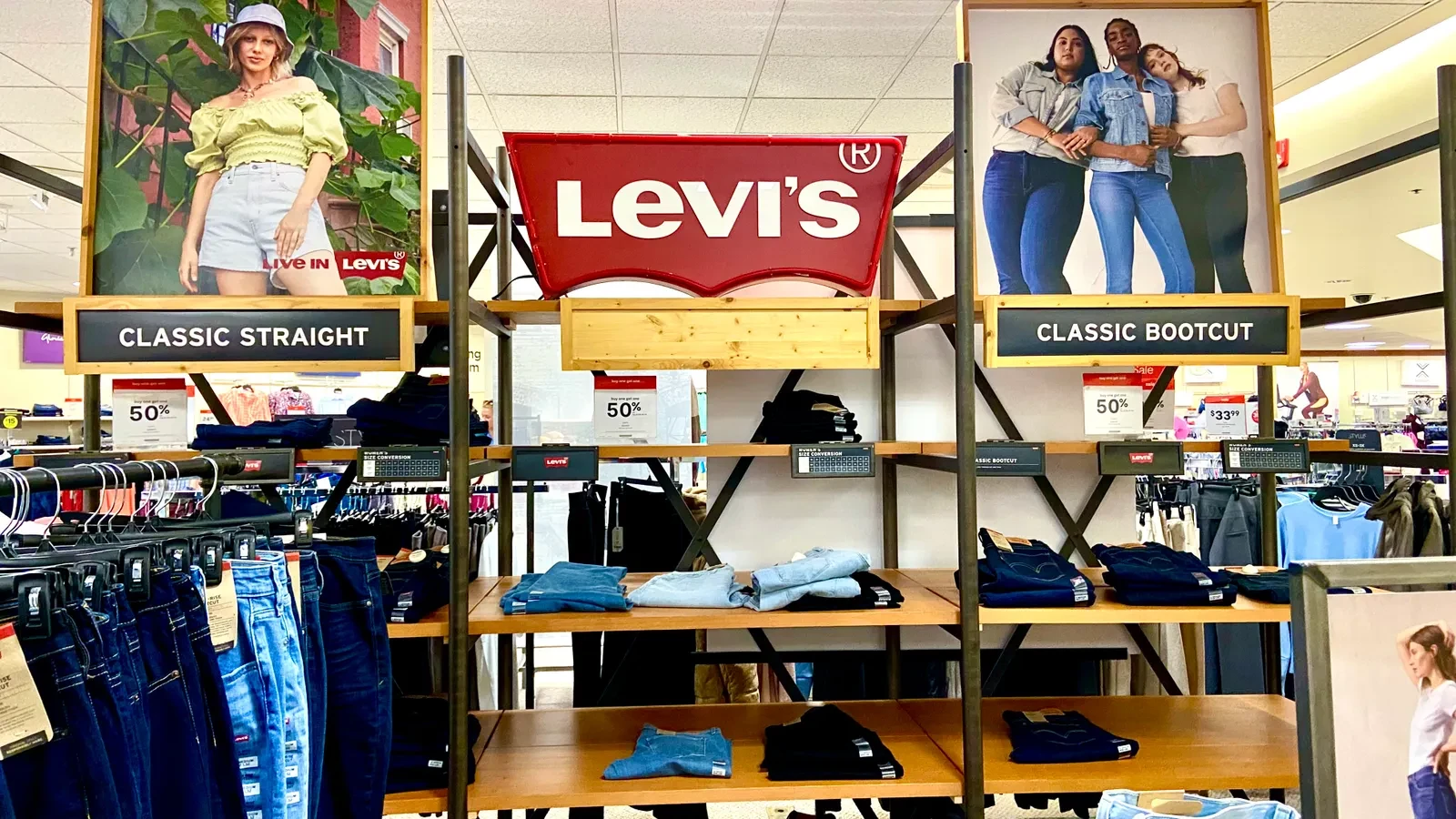
Denim giant Levi Strauss & Co. is leaning heavily on a timely influx of tariff reimbursements and a sharpened marketing playbook to steady its operations after posting an unexpectedly weak quarter in its direct-to-consumer division. The recent financial turbulence, which coincided with the brand’s first net revenue miss in two years according to data from Wells Fargo, highlighted vulnerabilities in retail traffic and shifting consumer preferences on both sides of the Atlantic.
Company leadership addressed the challenges during an earnings call, detailing how sudden headwinds—ranging from unpredictable weather patterns in Europe to miscalculated denim trends in the United States—impacted the third quarter. Despite these hurdles, executives expressed confidence that swift corrective actions, combined with strategic reinvestments of unexpected capital windfalls, are already putting the iconic apparel brand back on solid footing.
Navigating Soft Direct-to-Consumer Performance and Wholesale Resilience
While Levi’s has spent recent years aggressively building out its direct-to-consumer (DTC) footprint through standalone retail stores and digital platforms, the wholesale channel ultimately proved to be the stronger performer during the third quarter in both the United States and Europe. The unexpected softening in DTC sales caught leadership off guard, exposing the delicate margin dynamics inherent in retail operations.
Industry research consistently shows that DTC profit margins often struggle to match the efficiency of wholesale margins. Operating a direct-to-consumer network requires substantial investments in real estate, staffing, e-commerce infrastructure, and ongoing consumer acquisition. Conversely, wholesale partnerships shift a significant portion of marketing expenses, promotional efforts, and operational friction onto retail department store partners and third-party stockists.
Compounding these margin pressures, distribution costs across the United States have remained stubbornly elevated above initial corporate projections, according to Chief Financial Officer Harmit Singh. These lingering macroeconomic expenses placed an additional strain on profitability during a period when top-line growth moderated.
A Timely Capital Infusion and Aggressive Reinvestment
Amid these cost pressures and softer-than-expected retail traffic, Levi’s received a substantial financial cushion in the form of trade and tariff reimbursements. During the third quarter, the denim maker collected approximately $80 million in tariff refunds, capturing nearly the entirety of the expected payout from the regulatory adjustments.
Recognizing the opportunity to counter soft sales momentum, leadership opted to plow roughly three-quarters of the refunded capital directly back into the core business operations. Singh explained to analysts that the funds are being deployed to finance incremental marketing initiatives designed to stimulate consumer demand, upgrade supply chain capabilities to fortify long-term competitiveness, and engineer sharper value propositions for shoppers as the critical holiday promotional window approaches.

Of the total expected refunds, approximately $25 million was utilized during the third quarter, while another $35 million has been earmarked for deployment in the fourth quarter. Executives emphasized that the timing of these funds could not have been better, providing the liquidity needed to aggressively pivot marketing strategies without compromising operational budgets. Thanks in part to this concerted marketing push, Levi’s direct-to-consumer sales have already begun showing signs of a steady recovery from the third-quarter slump.
Addressing Missteps in Back-to-School Trends
Beyond broader margin and cost challenges, Levi’s faced specific tactical hurdles during the critical back-to-school shopping season. CEO Michelle Gass noted that traffic and overall demand fell short of internal expectations due, in part, to a miscalculation regarding prevailing denim silhouettes.
During the period, the company’s merchandising strategy leaned heavily into loose-fitting styles. However, consumer preferences in the domestic market shifted rapidly toward low-rise cuts, leaving certain retail assortments out of step with immediate buyer demand. Gass credited the corporate design and merchandising teams for reacting with notable agility to recalibrate inventory focus and realign product offerings with shifting trends.
Despite the early misstep, executives stressed that loose-fit styles remain a vital and enduring pillar of the brand’s overall product portfolio. Rather than representing a structural shift away from relaxed silhouettes, the back-to-school inventory adjustment was described as a tactical fine-tuning of assortment breadth to better match immediate market tastes while maintaining loose fits as a major volume driver.

Weather Disruptions and Robust Recovery in Europe
Across the Atlantic, Levi’s faced a different set of external pressures that temporarily dampened performance during the peak summer months. Europe experienced a historically severe and prolonged heatwave, which severely depressed foot traffic and consumer appetite for heavy denim products within the direct-to-consumer channel.
However, as seasonal temperatures finally began to moderate and normalize toward the end of the quarter, consumer demand snapped back rapidly. Gass reported that regional trends rebounded sharply as soon as the weather cooled, translating into robust and positive direct-to-consumer momentum across Europe heading into the final stretch of the year.
Furthermore, the brand’s European wholesale operations remained exceptionally strong throughout the period, underscoring the underlying health and enduring cultural resonance of the Levi’s nameplate in international markets. With supply chain enhancements underway, promotional strategies sharpened for the holidays, and fresh marketing campaigns fueled by the recent tariff refunds, executive leadership believes the brand is well-positioned to overcome the temporary setbacks of the third quarter.