





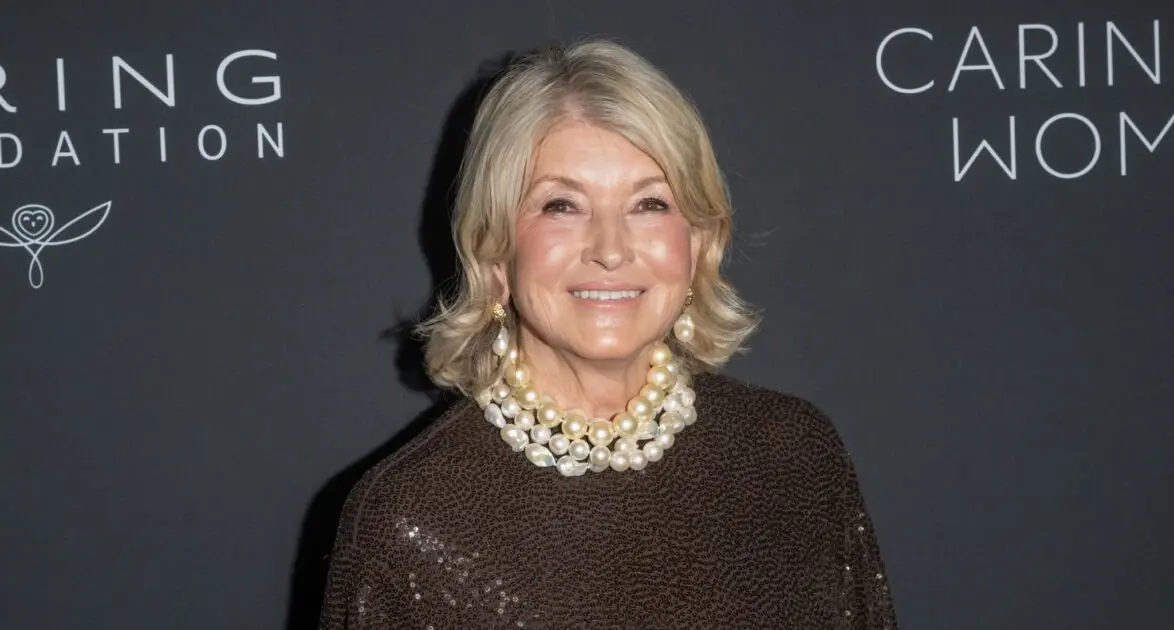
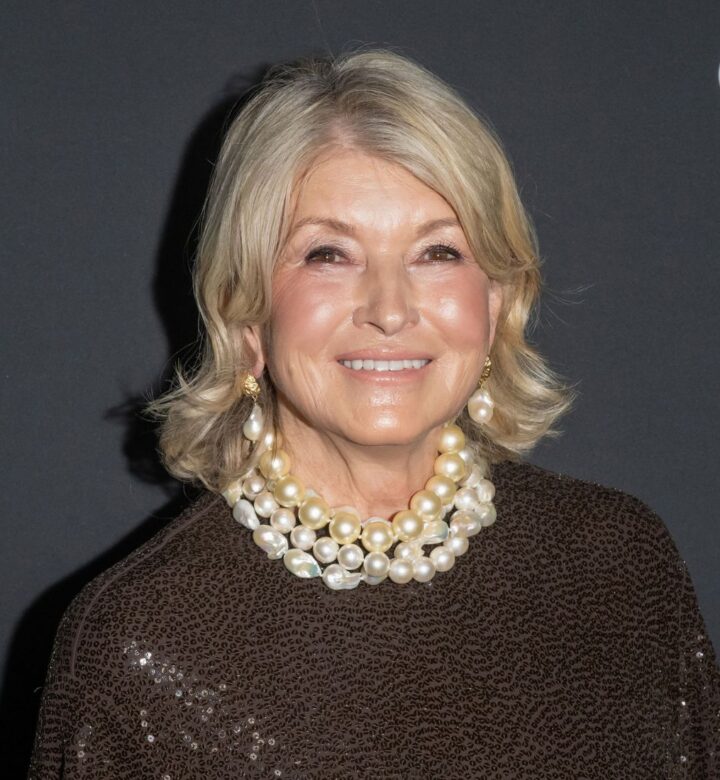
Let’s be honest—we have all wondered at one point or another how much money celebrities actually make. While some public figures are more than happy to put their finances out there for the world to see, others prefer to keep those details firmly under wraps. Lifestyle mogul Martha Stewart, however, is giving fans and aspiring entrepreneurs a rare peek behind the curtain, and her definition of "big money" involves a staggering number of zeros.
During an appearance on the October 6 episode of MasterClass’s new business podcast, Other People’s Business, Stewart sat down with MasterClass founder and CEO David Rogier. Over the course of the conversation, the iconic entrepreneur pulled back the layers on her decades-long career, discussing everything from her humble beginnings in catering to the blockbuster retail partnerships that fundamentally changed her financial trajectory forever.
The Kmart Partnership That Brought in Millions
When discussing the high-water mark of her corporate earnings, Stewart did not hesitate to point to one monumental retail collaboration that defined an era of home goods and lifestyle merchandising.
“Kmart was my first big money, and it was a lot of money,” she shared candidly during the podcast episode. Explaining the sheer scale of the operation, Stewart revealed the jaw-dropping annual figures she was pulling in during the height of the partnership. “I was clearing $65 million a year in royalties. Because we were selling close to $2 billion worth of merchandise.”
That massive influx of capital was a profound quantum leap from the early days of her professional life. Before building a multimedia and retail empire, Stewart ran a modest catering business. Reflecting on those foundational years, she noted that the enterprise brought in a little more than $1 million in revenue—a respectable sum for a small startup at the time, but accompanied by a grueling physical and administrative toll.
“I was killing myself physically,” Stewart recalled of her catering days. “And I had a big staff to pay and everything else. But that was still a big beginner business.”
Why the Golden Age of Royalties Has Shifted
While those golden years with Kmart yielded extraordinary financial rewards, Stewart pointed out that the retail landscape has shifted dramatically over the years. According to the lifestyle icon, securing those kinds of massive, highly lucrative royalty deals is becoming increasingly difficult in today’s modern economic and retail environment.
“It’s harder to do that nowadays because first of all, the royalties aren’t the same,” she explained to Rogier. Describing the current corporate landscape for licensing and product collaborations, she added, “Now it’s three percent of wholesale and, you know, it gets lesser and lesser. Companies are paying such small royalties.”
This observation provides a rare window into the changing economics of celebrity branding and product licensing. Where high-profile figures once commanded enormous percentages tied to billions in retail sales, modern licensing deals often operate under much tighter margins and lower royalty structures, making the kind of multi-million-dollar annual windfalls Stewart enjoyed during her partnership with Kmart a rare relic of retail history.
Surviving a Billion-Dollar Loss and Legal Turmoil
Of course, Stewart’s extraordinary financial journey has not been without its catastrophic lows. Throughout her decades in the public eye, she has experienced staggering financial setbacks and intense public scrutiny, handling these challenges with her trademark resilience.
Reflecting on one particularly difficult period in her life and career, Stewart addressed the financial devastation head-on. With characteristic bluntness, she stated, “I fell in a hole, and I lost about $1 billion.”
She also opened up about the deeply turbulent chapter surrounding her 2004 insider trading scandal, which led to a five-month federal prison sentence. Looking back at the legal fallout and the immense professional disruption that accompanied the crisis, Stewart remarked that her legal representation at the time “took me to the cleaners.”
Despite losing a fortune and facing intense public pressure that could have permanently sidelined a lesser executive, Stewart refused to let the ordeal define the entirety of her legacy. Focusing on her triumphant return to business, media, and retail, she noted with quiet confidence: “I’m back. I’m pretty good.”
The Perks of Modern Celebrity and Influencer Culture
Today, Martha Stewart remains a powerful cultural force, seamlessly bridging the gap between traditional media royalty and modern influencer culture. As a ubiquitous presence across digital platforms, television, and high-profile industry events, her celebrity status continues to command unique and lucrative opportunities.
However, the nature of compensation in the digital age has evolved, sometimes moving beyond traditional cash payments into unconventional forms of value. Stewart noted that modern influencers—a category she readily includes herself in—are frequently compensated with high-end products and luxury goods rather than direct financial remuneration.
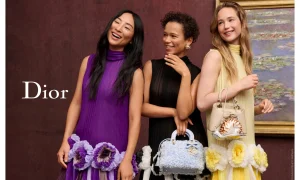
Providing a specific, real-world example of how these modern celebrity perks operate, Stewart detailed a common arrangement involving high fashion. “I get asked to go to a fashion show and I then get $40,000 worth of clothes,” she said. Emphasizing the sheer value of these wardrobe arrangements simply for making an appearance, she added, “That’s a lot of money, $40,000, to dress me to go to the fashion show. Just to show up.”
Clearly amused by the perks that come with maintaining a premier spot in contemporary pop culture and fashion circles, Stewart summed up her feelings about the modern influencer economy with a simple, enthusiastic endorsement.
“I love that gig,” she added.