







A first serious watch usually arrives attached to something—a promotion or a birthday, sometimes just a year of quietly saving for it. It goes on for a reason, and it stays on the wrist long after that reason has passed.
Where it is purchased from is a decision of its own. It could come from a jeweler, a watch salon within a 100-year-old family business, a multi-brand authorized dealer, or the secondary market, where the reference someone has been reading about for a year can be on the wrist by the weekend. Each has its own specialists and its own protections, and each of them is happy to see a first-time buyer walk through the door.
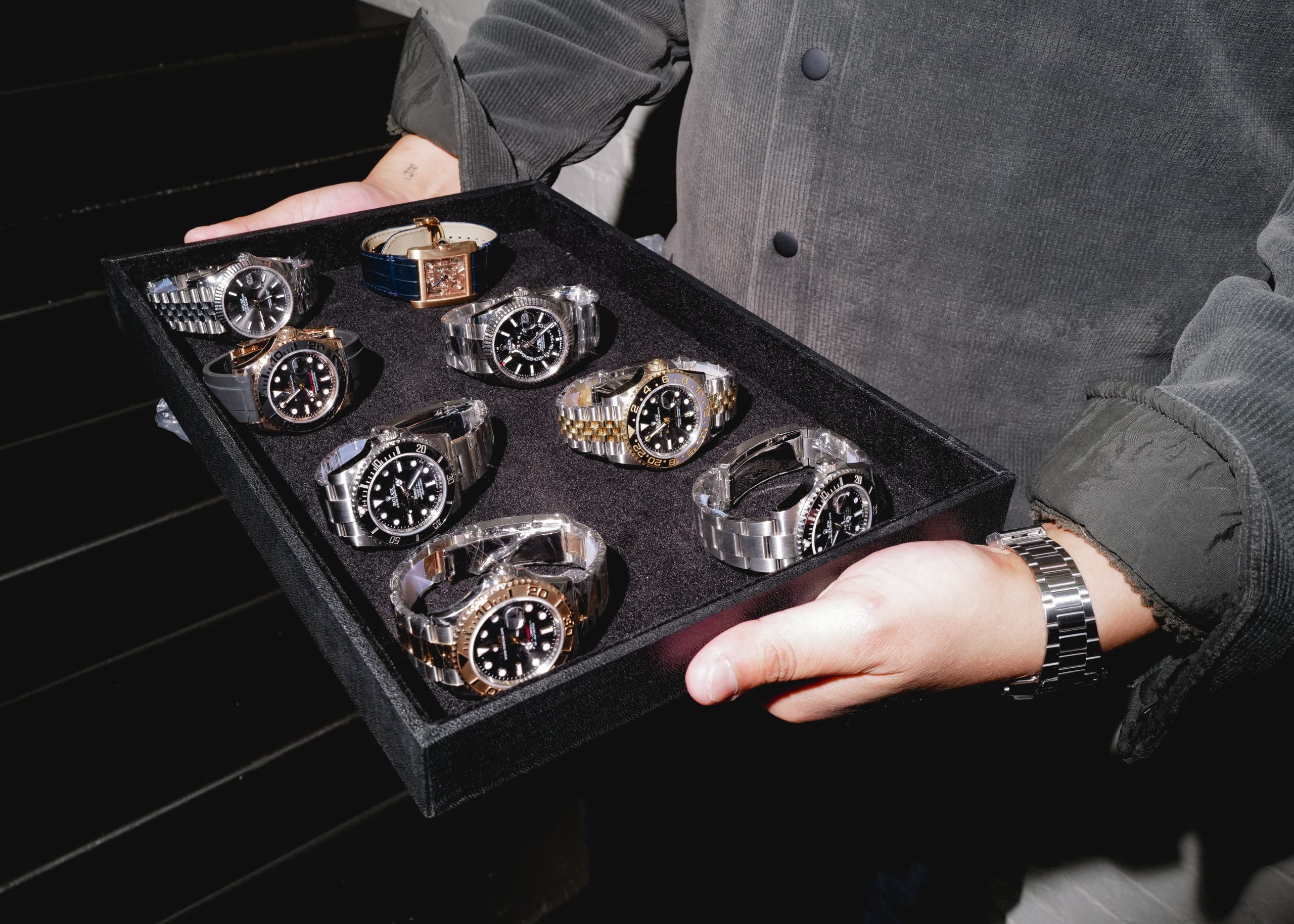
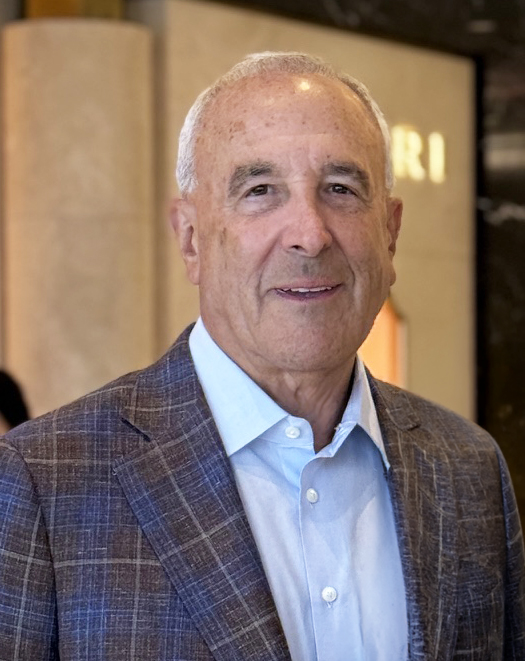
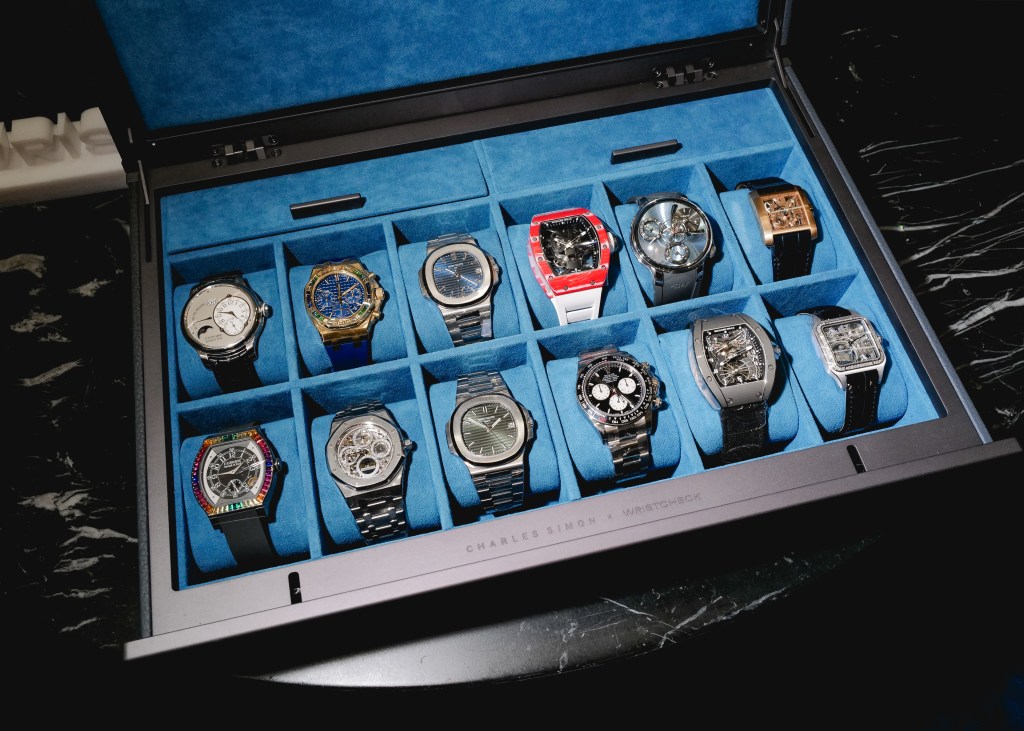
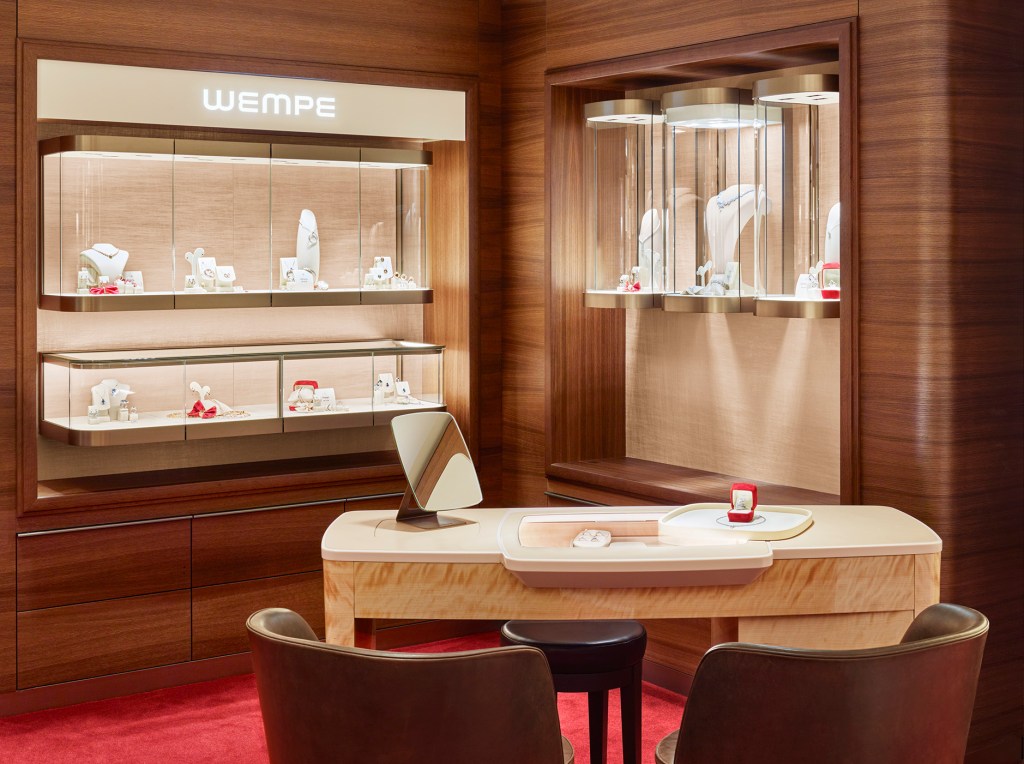
To understand the modern landscape of horology and the nuances of the buying process, insights were gathered from three distinct pillars of the industry. Mark Udell is the CEO of London Jewelers, a third-generation luxury jeweler celebrating its 100th year, featuring comprehensive watch salons across its stores. Ruediger Albers, widely known as Rudy, serves as the President of Wempe USA, the multi-brand authorized dealer on New York’s Fifth Avenue and the American arm of the esteemed German house. Austen Chu rounds out the perspective as the founder of Wristcheck, a prominent secondary-market platform with physical showrooms located in New York, Hong Kong, and Macau.
Start With the Person, Not the Watch
All three industry leaders begin somewhere other than the glass display case. The psychological and personal profile of the buyer always precedes the technical specifications of any timepiece.
“The first thing I would ask is actually not about the watch. I want to know about the person,” Udell explains. “What brought you in today? Is there a milestone attached to this purchase? What do you do for work? What do you normally wear?” Having spent a career watching first-time purchases blossom into decades-long client relationships, Udell knows that these foundational answers reveal what the client is genuinely searching for long before a single watch is extracted from the tray.
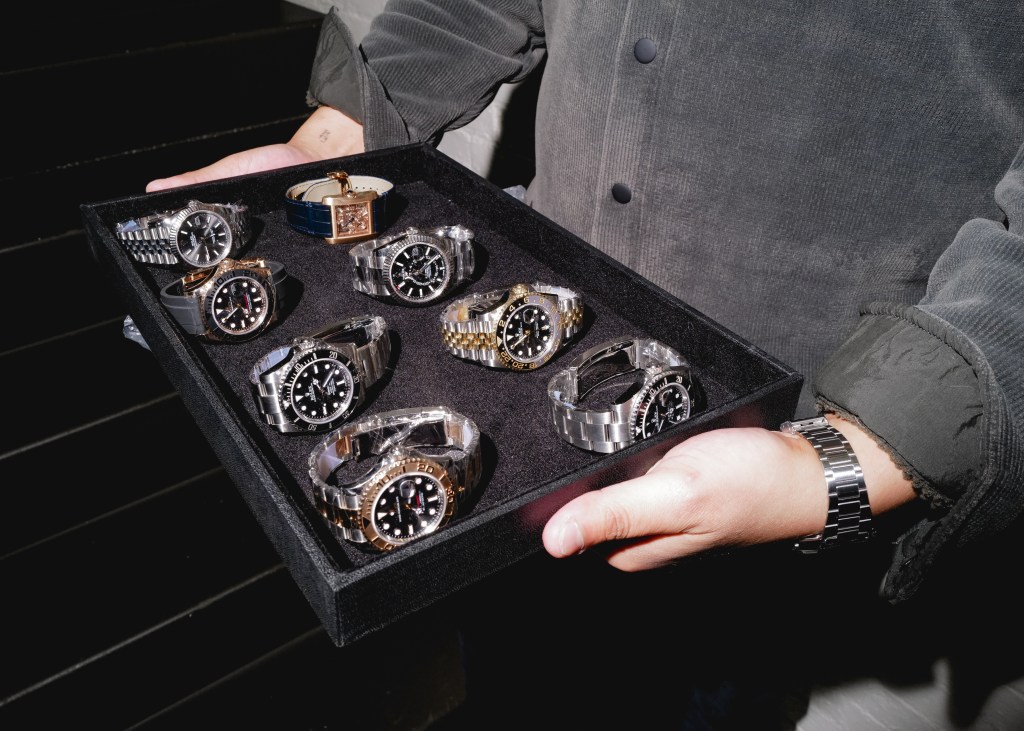
Udell is remarkably deliberate about how to navigate a budget. Whether a client enters the salon with $2,000 or $15,000 to spend, he actively avoids immediately pulling pieces from the absolute top of their financial range. Sometimes that means introducing them to an alternative they never would have considered on their own, and other times it involves offering candid advice, such as telling a client that a specific piece simply isn’t the right match for them. London Jewelers has maintained generational trust with its clientele by making the physical and personal fit the absolute priority.
Albers arrives at this exact philosophical starting point from the perspective of a store built entirely around horology. “The first thing I want to understand is the person, not the budget,” he notes. “What brought you into watches? Is this going to be your everyday watch, something for business, something more casual, or perhaps something to commemorate a special occasion?” He then observes what organically captures their attention, acknowledging that the digital research a modern customer brings to the table has distinct limitations. Most contemporary customers are exceptionally well-informed through internet forums and reviews, but theoretical knowledge and the visceral experience of wearing a watch are two entirely different matters. The ultimate aim is a watch that feels natural, rather than simply something a buyer felt pressured to want by digital trends.
Chu approaches the initial conversation through the lens of daily lifestyle and routine. An individual who wears a tailored suit five days a week is naturally directed toward classic leather straps, while an active client who surfs or swims receives recommendations for robust dive watches on durable rubber or steel bracelets that can handle immersion without a second thought. “We’ll also ask them if they have a grail watch, and where they want to see their collection in one, three, five years’ time,” Chu says. Because Wristcheck sources inventory globally from consignors, mapping out a precise target expedites the entire acquisition process.
When discussing whether a beginner needs a rigid acquisition plan, the experts offer varied yet complementary views. Chu frames his platform as functioning akin to a private banking service tailored specifically for horology. Albers places paramount importance on the sheer volume of tactile experience. For a beginner, exploration is vital. He encourages novices to handle as many pieces as possible across different brands, movements, and materials—comparing a sports watch to a dress watch, or trying the exact same reference on both a leather strap and a metal bracelet. A multi-brand retail floor is intentionally designed for this exact form of education.
What Comes With the Watch
Entering the luxury watch market often comes with common misconceptions, and each expert addresses these pitfalls through the lens of their specific sector.
Albers tackles the widespread frustration surrounding product availability. Many consumers observe watches trading briskly on the secondary market and mistakenly assume that authorized retailers are purposefully holding back inventory or engineering artificial scarcity. He clarifies that this is far from reality. While manufacturing output has risen steadily, the sheer volume of global demand has grown exponentially faster, creating a persistent deficit where far more people are asking for watches than there are physical pieces delivered to stores.
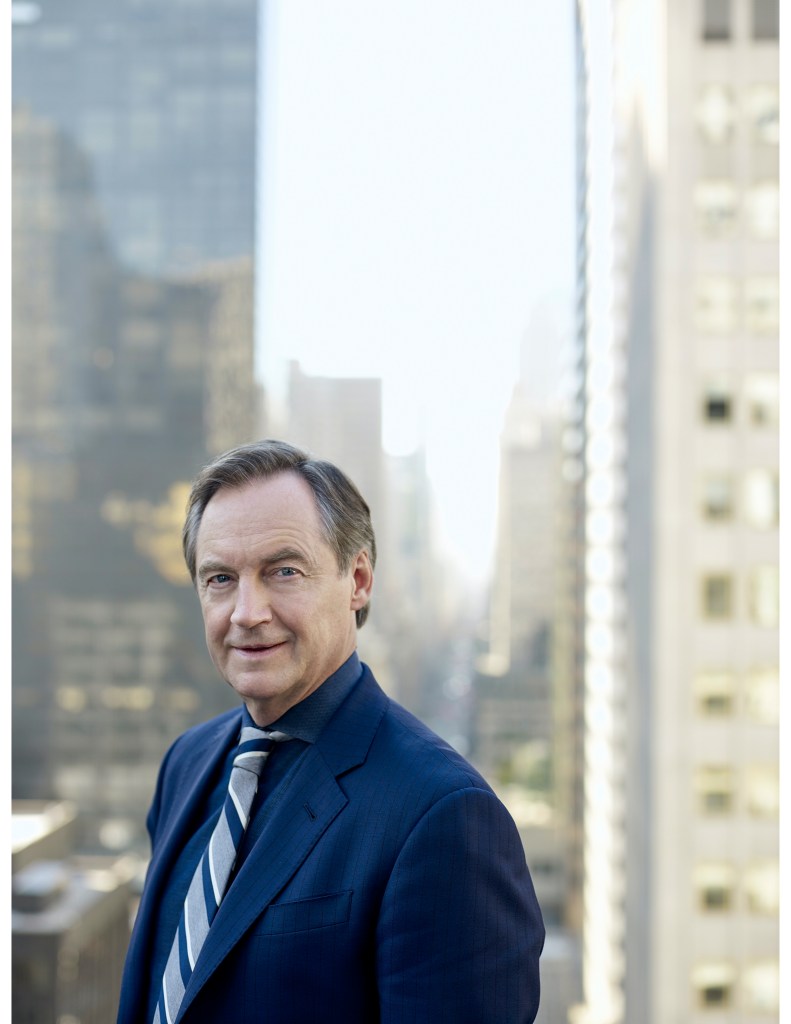
“If the only reason you want a watch is because you believe it will increase in value, I think you are missing a very large part of what makes watches so interesting,” Albers warns. He cautions against viewing any single purchase merely as a transactional ticket to gain access to something else. While long-term client relationships are foundational to Wempe, those relationships must be rooted in genuine appreciation.
For Chu, navigating the secondary market requires acute awareness of authenticity and security. Operating daily in the pre-owned sphere, he notes that the secondary market contains unregulated risks and opportunistic sellers. For a novice collector, relying on a reputable platform is non-negotiable. Attempting to save a nominal percentage can quickly backfire if a buyer ends up with a modified dial or, worse, a piece flagged on international stolen property databases during routine servicing.
Udell echoes the sentiment regarding investment expectations, emphasizing that watches should be purchased primarily for personal enjoyment, treating any future market appreciation as a welcome bonus rather than a financial guarantee. Furthermore, Albers stresses that the physical product must justify itself entirely on its own merits. Outstanding service and luxurious retail environments cannot salvage the wrong watch. He advises buyers to evaluate sellers based on long-term infrastructure: on-site trained watchmakers, direct manufacturer relationships for authentic replacement parts, extended warranties, and a corporate willingness to stand behind every transaction long after the sale is complete.

When the Watch Isn’t in the Case
When a client requests a specific, highly sought-after reference that is not immediately available in inventory, honesty remains the definitive policy for established retailers. Udell believes transparency is the single most important asset in the business. He provides realistic delivery timelines, maintains open communication lines, and processes requests strictly in the order they are received. While exclusive pieces naturally involve extended wait times due to limited manufacturing capacity, Udell always revisits the core motivation behind the request to determine if an alternative might satisfy the client’s underlying design preferences.
Albers refuses to soften reality with false promises. If a watch is entirely unavailable and no accurate delivery forecast can be provided, he states clearly that a retailer must never fabricate hope simply to keep a prospective buyer engaged. His philosophy centers on the discipline of honest communication, ensuring that even if a client departs empty-handed, they leave with a thorough understanding of the global supply dynamics at play.
Chu approaches delayed gratification through the extensive sourcing network he has established at Wristcheck. A significant portion of the platform’s operations involves tracking down rare pieces for clients across international showrooms and thousands of vetted consignors, achieving a high fulfillment rate within days for customized searches, while same-day fully insured shipping applies to existing inventory.
How to Know Who You Are Buying From
For first-time buyers seeking practical protection, evaluating the credibility of a seller is paramount. Chu highlights an internal industry metric that most consumers overlook: whether the vendor employs certified, factory-trained watchmakers in-house. Many secondary sellers lack technical staff and rely entirely on visual inspection to authenticate complex movements. Transparency regarding financial spreads—where buyers know seller nets and sellers know buyer prices—also serves as a vital marker of institutional trust.
Albers points back to provenance as the ultimate safeguard. Purchasing from an authorized retailer guarantees that a timepiece is entirely brand new, factory-fresh, unaltered, and protected by an official manufacturer warranty. He warns that even accompanying documents like boxes and papers can occasionally be falsified, and issues regarding stolen registry records frequently remain dormant until a watch undergoes routine maintenance years later.
Udell emphasizes evaluating both the institutional framework—such as return policies, authenticity guarantees, and service structures—and the interpersonal dynamic across the sales desk. A genuine luxury advisor actively listens to the buyer’s aspirations rather than merely pushing for an immediate transaction.
Where Resale Value Fits
While modern buyers are inevitably informed by real-time auction results and secondary market indices accessible via smartphone, the experts agree that financial speculation should never dictate a horological purchase. Chu notes that outside of a tiny fraction of hyper-exclusive references that trade above retail pricing, the broader market reveals that the vast majority of watch models trade below retail, sometimes offering significant pre-owned discounts. For those primarily seeking investment returns, traditional financial instruments like equities or commodities remain far more logical, cementing luxury watches fundamentally as passion assets.
When asked for specific entry points, Chu categorizes recommendations by lifestyle and budget, pointing toward robust sports models from Tudor or select independent microbrands under $5,000, extending up to modern Submariners or vintage pieces from Cartier and Vacheron Constantin for higher budgets. Albers and Udell similarly encourage buyers to explore historical manufactures that may possess less mainstream social media recognition but offer superior watchmaking craftsmanship and genuine value, discoveries best made side-by-side on a traditional retail floor.
What Happens After the Money Changes Hands
The post-purchase relationship ultimately defines the luxury experience. Chu highlights community events, comprehensive insurance assistance, and rapid liquidation or consignment options built directly into Wristcheck’s ecosystem. Albers envisions the relationship stretching across decades, noting that Wempe regularly welcomes generations of families whose ongoing support transcends simple commercial interactions. Udell summarizes this continuity through family legacy, noting that the relationship truly begins once the transaction concludes, ensuring clients have a singular, trusted professional to call for service, guidance, or counsel as their tastes evolve over a lifetime.