






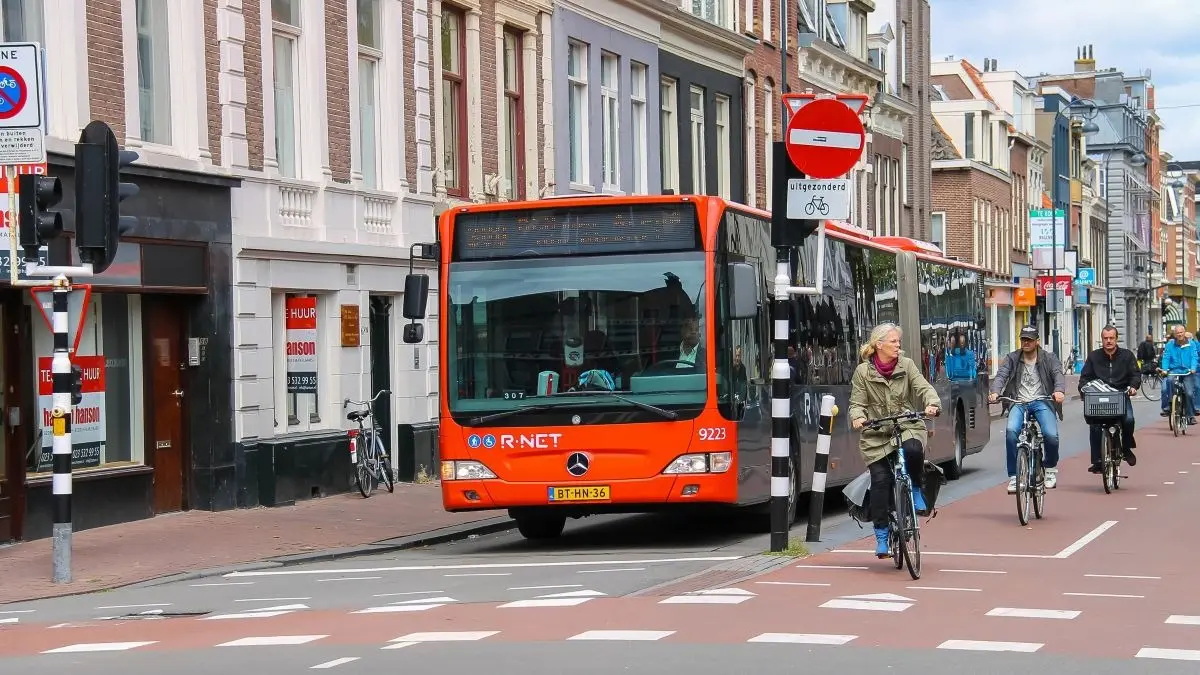
Commuters across the Netherlands received a welcome reprieve this week as major labor unions FNV and CNV announced the suspension of their planned weekly strikes in regional public transport. The decision comes after regional transport employers stepped forward with fresh commitments regarding an ongoing collective labor agreement dispute, offering a temporary glimmer of hope that a lasting resolution can be reached through dialogue rather than disruption.
The two-week suspension means that a wave of walkouts originally scheduled for Thursday was immediately called off, according to an official press release issued by the labor organizations. The sudden halt to the industrial action provides immediate relief to thousands of passengers who rely heavily on regional buses and regional train networks for their daily commutes, school travel, and professional appointments.
The industrial dispute stems from a breakdown in contract negotiations between labor representatives and major regional transport operators such as Arriva, Keolis, and Qbuzz. Earlier in October, frustration boiled over when talks regarding a new collective labor agreement stalled completely. In response to the deadlocked negotiations, unions FNV and CNV announced a coordinated strategy of rolling strikes, vowing to paralyze regional networks for one full day every week until their demands were met.
The first phase of these weekly walkouts took place last week, causing widespread chaos across large swathes of the Dutch countryside and smaller cities. Numerous bus routes were abruptly canceled, and various regional train services operated by private concession holders were grounded, leaving travelers stranded and forcing local authorities to scramble for alternative transport solutions. The impact was felt heavily outside the major metropolitan centers, where regional public transport serves as an essential economic and social lifeline for residents who do not have access to the heavily prioritized national rail networks managed by NS.
At the heart of the labor dispute are fundamental disagreements over compensation and working conditions. The unions are pressing for a robust 9.5% pay rise spread over a two-year period, arguing that steep inflation and the rising cost of living have severely eroded the purchasing power of transport workers. In addition to the broad wage increase, union representatives have placed a strong emphasis on securing improved working conditions and sustainable employment terms for older staff members. These provisions are designed to help aging transit workers cope with the demanding nature of shift work, irregular schedules, and high-stress environments without compromising their health or forcing early departures from the workforce.
The decision to hit the pause button on the weekly strikes indicates that employers have returned to the negotiating table with revised proposals or tangible commitments that satisfy union leadership enough to warrant a temporary truce. While the exact details of the new employer commitments have not been fully finalized, the gesture has been sufficient to defuse immediate tensions and clear the path for renewed, constructive bargaining sessions over the coming fortnight.
For transport operators and commuters alike, the next two weeks will be a critical period. If negotiations progress productively and bridge the gap between the unions’ demands for a 9.5% salary increase and the economic realities faced by regional transit companies, the threat of recurring weekly strikes could be permanently lifted. However, if the talks falter once again, the unions have made it clear that they retain the option to resume their industrial action and reinstate the weekly walkouts across the country’s regional transit networks.