






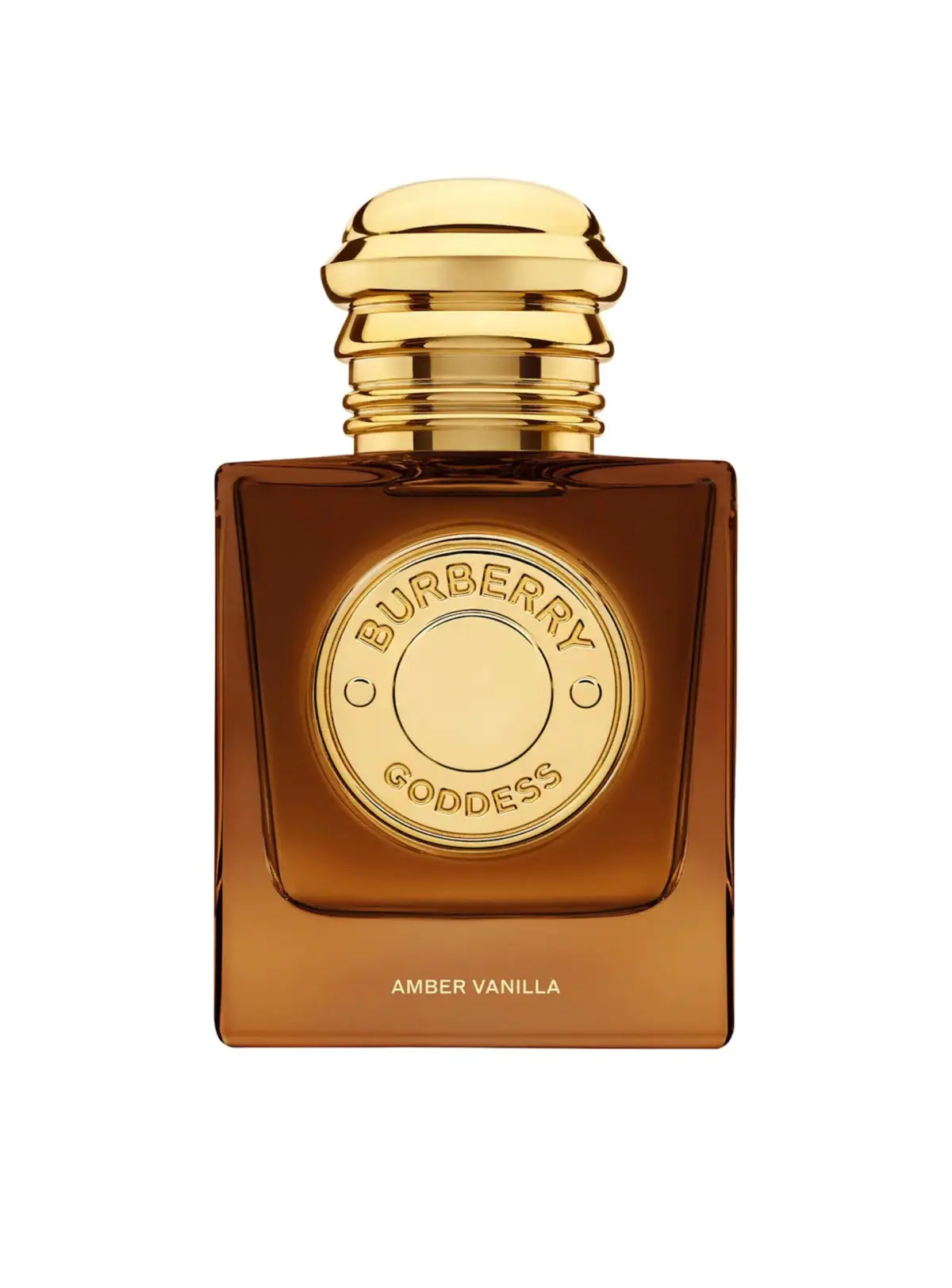
When preparing for a night out, many couples carefully deliberate over their wardrobes to ensure they look like a cohesive pair. From avoiding the style mismatch sometimes seen on red carpets—where one partner appears dressed for a formal gala while the other looks ready for the gym—to harmonizing color palettes, fashion coordination has long been a staple of modern dating. However, a growing number of fragrance enthusiasts and industry experts are arguing that attention should be paid to another invisible yet powerful styling element: scent.
According to perfumers, when two people spend an entire evening in close proximity, their individual fragrances do not simply exist in isolation. Instead, they interact, overlap, and create a shared olfactory experience that can either enhance their presence as a pair or result in an unintentional sensory clash.
Walter Johnsen, vice president of product development and fragrance designer at Interparfums, explains that the volatile nature of perfume means wearing it creates an invisible aura around the wearer. When two people sit or stand close together, those auras overlap, allowing people in the same space to perceive both fragrances simultaneously.
Johnsen notes that individual scents do not suddenly merge into a singular chemical composition when people get close. Much like a developing relationship, each person’s fragrance evolves independently on their own skin, while meeting somewhere in the middle. While this dynamic can be deeply romantic, it also highlights how easily an expensive bottle of perfume can be undermined if it clashes with a partner’s chosen scent.
While individuals constantly brush past strangers at restaurants, on public transit, or in grocery stores, crossing paths momentarily is vastly different from spending an entire evening beside someone. Couples share car rides, walk into venues together, and leave arm-in-arm, causing their individual fragrance bubbles to repeatedly and significantly interact throughout the night.
While fragrance coordination is by no means mandatory, industry professionals suggest that discussing what scents to wear before leaving the house adds a layer of intentionality and intimacy to the evening. Understanding how scents interact, which notes complement one another, and how application volume dictates the overall effect can transform a routine date night into a more immersive experience.
You Don’t Have to Smell the Same
A common misconception when attempting to match scents with a partner is that both individuals need to wear the exact same fragrance or at least formulas featuring identical core notes. However, experts point out that this approach can often feel limiting and uninspired. A person who prefers dark, woody, and sensual aromas does not need to compromise their preferences if their partner leans toward bright floral notes. Achieving balance does not require uniformity.
Patricia Choux, senior perfumer at Mane and a perfumer for Anecdotes by Artists, compares scent pairing to mixing fabrics or colors when assembling an outfit. Just as leather paired against wool or espresso brown combined with sky blue can create striking and beautiful contrasts, different fragrance families can work together harmoniously despite being distinct.
While sharing a common note can certainly help anchor a unified blend, it remains entirely optional. According to Johnsen, the primary objective is to allow each fragrance to evolve naturally rather than forcing one scent to mimic the other. In practice, achieving this balance relies less on matching exact ingredients and more on overall harmony and application technique.
Look for Notes That Play Well Together
For those interested in exploring fragrance coordination, certain scent pairings naturally complement one another, much like culinary flavor combinations. Rich, indulgent gourmand elements—such as boozy rum and vanilla—often pair exceptionally well with structured woody notes. Choux highlights a formulation she created that blended gourmand elements with white aged oakwood to introduce depth. That juxtaposition between aromatic freshness and warm gourmand sweetness is the exact kind of tension that keeps a scent from feeling one-dimensional.
Other naturally compatible combinations include bright blooms paired with syrupy gourmands, such as rose and honey, or tropical citrus notes alongside sugary accents like coconut and vanilla. Sharp, peppery notes placed next to fresh botanicals—such as pink pepper and magnolia—as well as salty aquatics paired with sunlit florals like sea salt and jasmine, offer additional avenues for harmonious pairing.
At the same time, experts encourage embracing unexpected combinations rather than always playing it safe. Non-obvious pairings can yield surprisingly powerful results. For instance, pairing a bright, citrusy fragrance like neroli and basil alongside a warm, earthy vanilla and vetiver can create a surprisingly balanced olfactory profile.
Consider How Much You’re Spraying
Despite the importance of individual notes, application volume remains perhaps the most critical factor in successful scent-syncing. Johnsen emphasizes that two entirely different fragrances can coexist beautifully when applied with restraint, whereas two theoretically complementary scents can ruin the experience if both individuals apply too much. Over-application inevitably causes distinct perfumes to compete rather than harmonize.
Complicating matters further is olfactory fatigue. Over time, individuals naturally grow accustomed to the scents they wear regularly, meaning they no longer perceive their own perfume with the same intensity as those around them. This diminished self-perception often leads people to over-spray, unaware that their fragrance registers much more strongly to everyone else in the room. Even opposing notes will not automatically create an unpleasant blend on their own, but when two people are doused in heavy amounts of perfume, the resulting projection can easily become overwhelming, regardless of the quality of the notes.
Do a Scent Check Before the Date
While fragrance coordination involves various technical nuances, the most practical approach is simply conducting a test run before leaving the house. For many couples, this process begins organically by discussing the destination, the vibe of the occasion, and their chosen outfits, which naturally informs the selection of suitable fragrance notes.
To test how two perfumes will interact, Johnsen recommends spraying each fragrance onto a blotter and holding them side by side. This provides a quick indication of whether the scents feel harmonious or immediately conflict with one another. Because blotters only reveal a baseline impression, Johnsen advises spraying the actual perfumes on skin and waiting thirty minutes before making a final evaluation.
The initial application of any fragrance highlights the fleeting top notes, whereas the subsequent drydown allows the middle and base notes to settle onto the skin. Evaluating the drydown is essential for determining how two distinct formulas will ultimately blend in shared spaces.
While formal scent checks are not necessary for every casual outing, they can serve as an engaging ritual that builds anticipation for special occasions. Many couples apply this method for major life events, such as testing various combinations of perfumes and colognes in the weeks leading up to a wedding until they find their ideal match.
Ultimately, the practice of fragrance coordination is not about imposing strict rules on personal scent choices. Instead, it offers a shared appreciation for fragrance and a creative way for couples to enhance how they present themselves together.