





In the intricate world of gemology, the way a gemstone interacts with light is fundamental to determining its beauty, value, and identification. Among the myriad terms used by gemologists and jewelers to describe these optical phenomena, "adamantine" stands out as one of the most striking descriptors. Primarily associated with diamonds, this specific type of luster denotes an exceptionally brilliant, almost diamond-like reflection that has captivated observers for centuries. Understanding this property requires delving into the science of optics, historical nomenclature, and the physical characteristics that separate extraordinary gemstones from standard minerals.
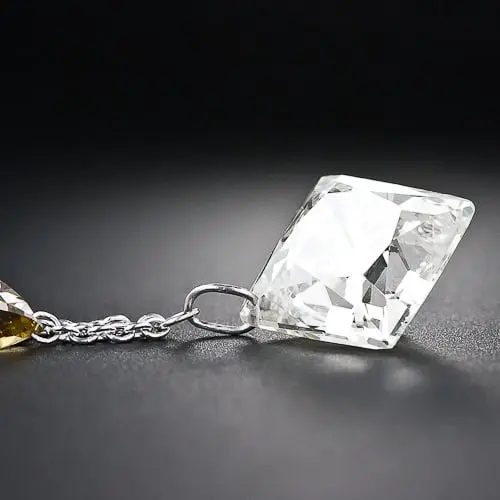
At its core, adamantine is the specific term used in gemology and mineralogy to describe the brilliant, highly reflective luster exhibited by diamonds and other gemstones possessing a high refractive index. Generally, gems that fall into this elite category feature a refractive index ranging between 1.9 and 2.5. The refractive index itself measures how light bends as it passes from air into the gemstone; the higher the index, the more the light is slowed down and bent, resulting in heightened brilliance and internal fire. When a mineral possesses this specific high range of optical density, its surface reflection takes on an intense, adamantine quality that immediately distinguishes it from materials with vitreous (glassy), pearly, or greasy lusters.
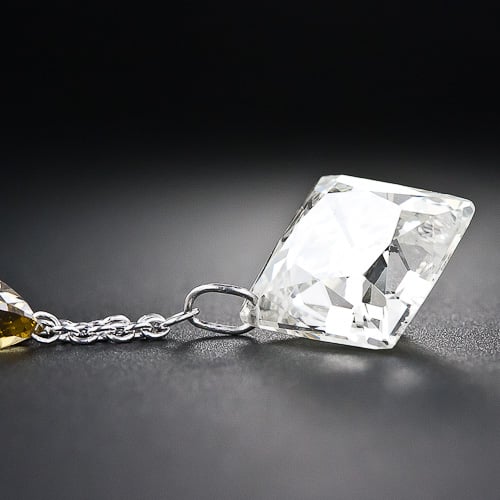
The etymology of the word offers a fascinating glimpse into how ancient societies perceived these remarkable materials. The root word of adamantine is "adamant," which derives directly from the ancient Greek word adamastos, meaning untameable or invincible. Throughout history, the term adamant was not confined solely to what we now scientifically classify as diamond; rather, it was used broadly in reference to any substance composed of a particularly hard material, whether it was a diamond or another exceptionally durable mineral. Over time, as scientific terminology evolved, the linguistic link between extreme physical hardness and optical brilliance became formalized in gemological science, where adamantine now serves a dual purpose, describing both the supreme durability and the characteristic bright luster of the hardest stones known to humanity.
While the diamond remains the quintessential benchmark for adamantine luster, the spectrum of gemstone optics includes gradations that fall just below this elite threshold. Gemologists frequently encounter stones that display what is known as a subadamantine luster. This classification refers to a surface reflection that is slightly less intense than that of a diamond, yet still noticeably brighter and more brilliant than a standard vitreous luster. A classic example of a gemstone exhibiting a subadamantine luster is zircon. Zircon is renowned in the gemological community for being highly dispersive, meaning it splits white light into its component spectral colors with remarkable efficiency, creating flashes of fire that rival many other popular gemstones. Despite this high dispersion and considerable brilliance, its refractive index places it just shy of the true adamantine category, earning it the subadamantine designation.
The distinction between adamantine and subadamantine lusters is more than just academic nomenclature; it plays a crucial role in the practical evaluation and identification of rough and cut gemstones. When gemologists examine an unfamiliar crystal or cut stone under a microscope or with a standard refractometer, the surface reflection provides immediate visual clues regarding the internal optical properties of the material. A stone that flashes with an unmistakable adamantine brilliance immediately narrows down the possibilities for identification, pointing toward minerals with high optical density and tightly packed crystal lattices. Conversely, recognizing a subadamantine luster helps experts differentiate stones like zircon from diamonds or other high-index synthetics, ensuring accurate grading, appraisal, and authentication in the global gem and jewelry market.
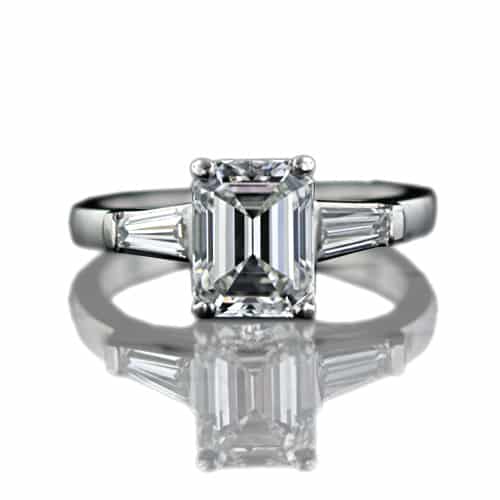
As the study of gemology continues to blend historical traditions with modern scientific precision, terms like adamantine remain vital bridges to the past. They connect the ancient fascination with untameable, indestructible materials to our current understanding of light physics and crystal chemistry. Whether observing the unmatched brilliance of a top-tier diamond or analyzing the subadamantine gleam of a dispersive zircon, professionals in the field rely on these precise definitions to articulate the visual splendor of nature’s most enduring creations. Through careful measurement of refractive indices and a keen eye for surface luster, the hidden properties of these remarkable minerals are brought to light, maintaining a tradition of scientific inquiry that spans millennia.