




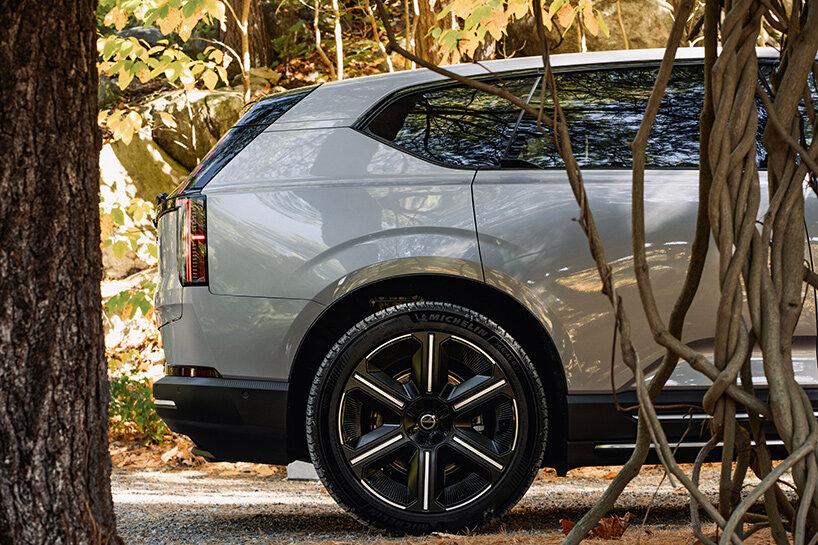
From seasonal color studies that span an entire year to an innovative interior lighting system that projects cascading leaves onto its seats, Volvo’s all-electric EX60 draws profound design inspiration from the natural world. To showcase this philosophy, the Swedish automaker recently orchestrated an exclusive design experience that transported journalists from the bustling streets of Manhattan into the tree-lined, autumn-glowing roads of the Hudson Valley, culminating at Manitoga—the iconic woodland home of legendary American industrial designer Russel Wright in Garrison, New York.
The scenic drive north served as a fitting backdrop for Volvo’s newest midsize electric SUV, an automobile whose very conception is rooted in organic textures, seasonal color palettes, and a harmonious relationship with the environment. During the mid-twentieth century, Wright spent decades painstakingly transforming a former stone quarry into a sprawling, 75-acre woodland estate. His experimental and pioneering modernist home seamlessly incorporates the surrounding forest into its architecture, creating a living space that feels less like a traditional dwelling and more like an architect’s woodland fairytale.
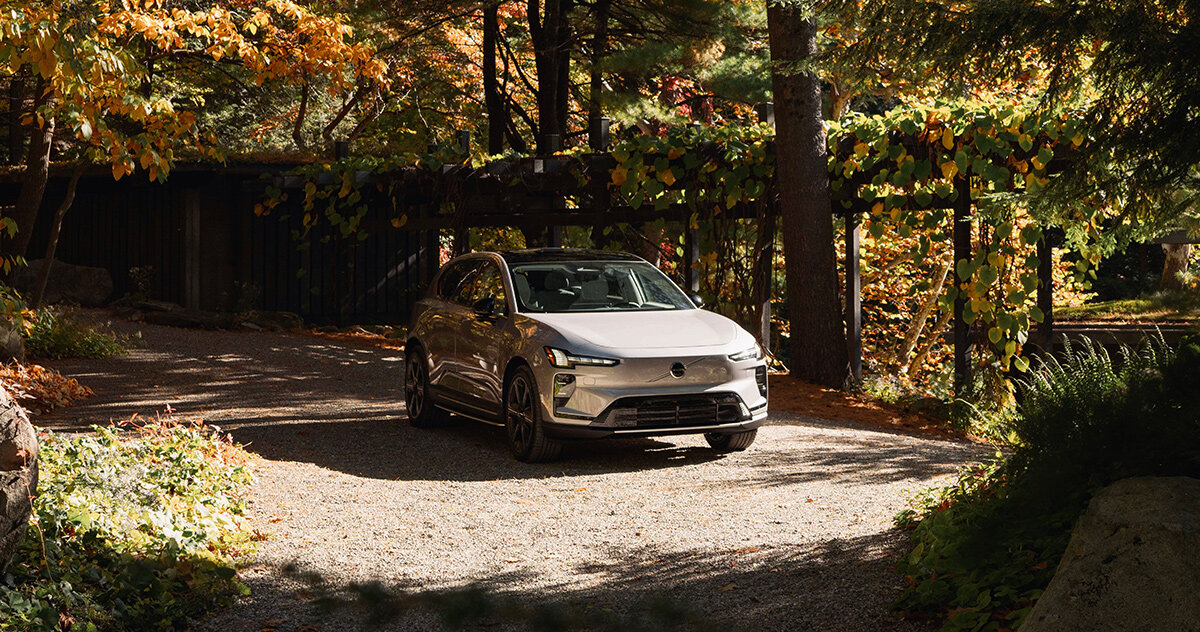
Volvo’s design teams have spent recent years exploring strikingly similar concepts, closely analyzing natural materials and the subtle, shifting hues of the landscape to shape the sensory experience inside their latest generation of vehicles.
The All-Electric EX60 and Its Cutting-Edge Platform
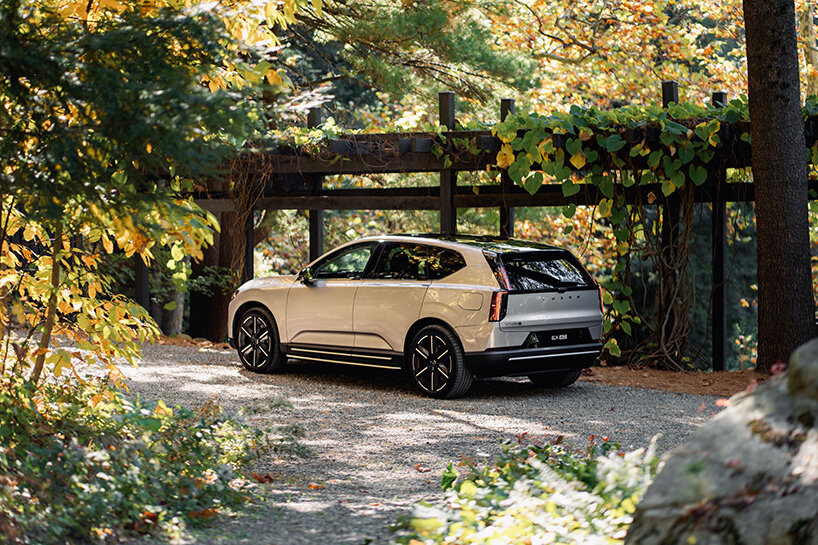
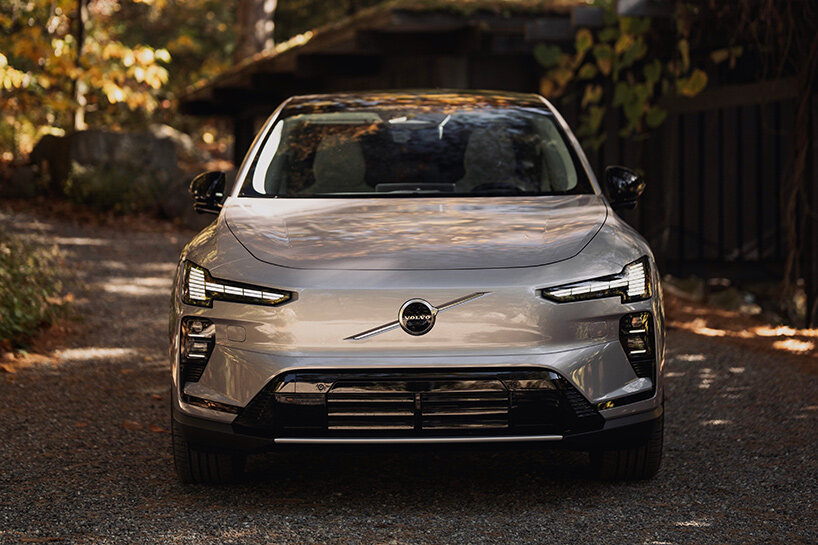
The EX60 successfully translates the familiar, well-loved proportions of Volvo’s popular XC60 SUV into a dedicated, fully electric vehicle architecture. Its aerodynamic profile features a low-slung front end and a gently sloping roofline that together contribute to an impressive drag coefficient of just 0.26, maximizing both efficiency and highway range. Beneath this refined exterior bodywork sits Volvo’s advanced SPA3 electric architecture, a next-generation platform engineered to redefine structural efficiency.
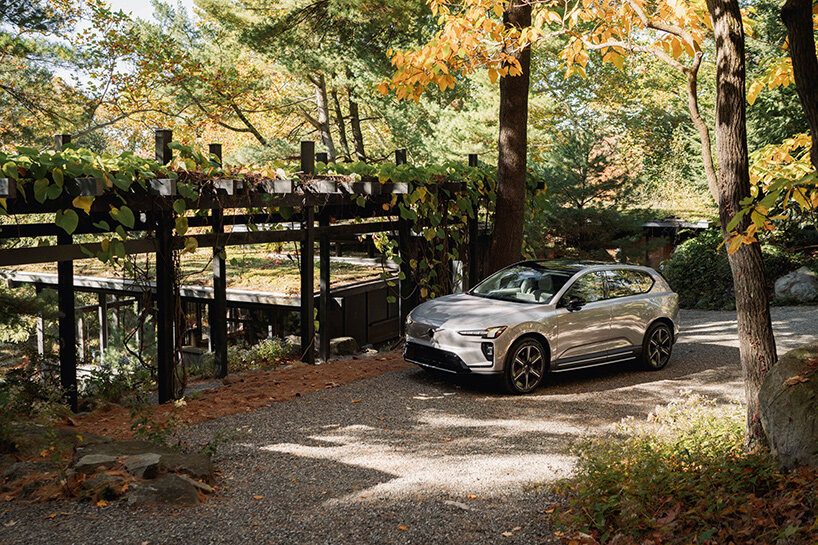
The platform introduces advanced manufacturing techniques, including large-scale megacasting and cell-to-body battery integration. These structural innovations significantly reduce overall vehicle weight while optimizing interior packaging and energy storage efficiency. For the North American market, the high-performance P10 all-wheel-drive variant delivers a robust 503 horsepower alongside an impressive EPA-estimated driving range of up to 330 miles on a single charge. Furthermore, the vehicle’s electrical architecture supports rapid DC fast charging, capable of replenishing the battery from 10 to 80 percent in as little as 16 minutes under optimal conditions.
Material and Color Choices Rooted in the Natural World
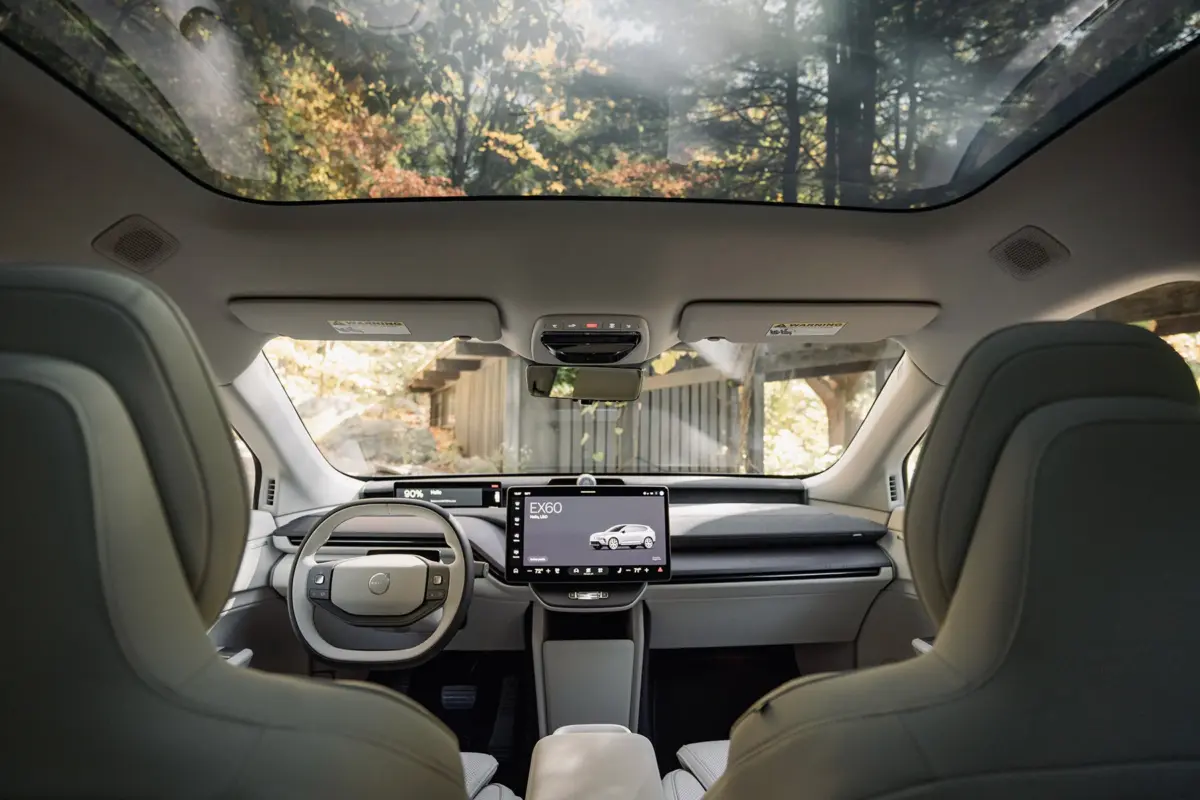
Stepping inside the EX60 reveals a cabin that carefully balances advanced digital technology with warm, tactile finishes. The minimalist layout is anchored by a striking 15-inch curved OLED center display, which integrates Google Gemini directly into the vehicle’s infotainment system. Yet, rather than feeling sterile or overly futuristic, the interior is softened by natural textures and thoughtful material selections designed to evoke a sense of organic calm.
Upon arriving at Manitoga, guests met with Sara Erichsen Susnjar, Volvo Cars’ Senior Color and Material Design Manager. Having spent two decades with the company, Susnjar oversees the color and material strategies for its midsize vehicle portfolio. During a presentation showcasing various material samples, she drew particular attention to the EX60’s available tailored wool-blend upholstery.
Unlike conventional synthetic materials, wool possesses a remarkable natural capacity to respond to fluctuations in human body temperature, ensuring long-lasting comfort across varying weather conditions. Its inherent breathability proves especially beneficial for drivers returning to a parked vehicle on a hot summer day. While utilizing high-grade natural wool introduces distinct challenges regarding production costs and shifting consumer expectations, Susnjar emphasized that its superior practical qualities make it a compelling choice for modern sustainable luxury. Describing the design decision, she noted that it represents a brave choice while offering undeniable functional benefits.
The conversation quickly shifted toward the intricate science of automotive color development. Susnjar explained that formulating a brand-new vehicle finish can require an exhaustive year of evaluation. During this development cycle, painted vehicle panels are taken outdoors across all four seasons to observe how their pigments react to vastly different natural light conditions. Designers must thoroughly analyze how a color behaves under various environmental exposures, ranging from the warm, direct sunlight of midsummer to the crisp, cool illumination of a bleak winter morning.
Russel Wright’s Manitoga: A House Shaped by the Forest
The visit to Manitoga offered a fascinating historical parallel to Volvo’s contemporary design methodologies. Russel Wright famously approached color as a dynamic element that should actively respond to the changing seasons, frequently altering aspects of his home’s interior palette throughout the year. Warmer tones were intentionally introduced during the colder winter months, while cooler hues welcomed the arrival of summer. Best known for his revolutionary American Modern dinnerware line introduced in 1939, Wright maintained a lifelong fascination with how thoughtful design could elevate everyday domestic environments and deepen human comfort.
In 1942, Wright and his wife Mary acquired the former quarry and logging property in Garrison, New York. The sprawling estate eventually culminated in Dragon Rock, a masterpiece completed in 1961 in collaboration with architect David Leavitt. Touring the residence reveals an interior filled with radical, handmade experiments. Massive, untouched natural boulders extend directly into the living spaces, while actual pine needles are permanently embedded within the green plaster walls. In other creative flourishes, Wright pressed delicate butterfly wings and wildflowers between sheets of translucent plastic, transforming gathered natural materials into decorative screens that filter ambient light.
Outside the main residence, a dramatic waterfall cascades into the former quarry pool, while winding walking trails meander through the dense surrounding woodland. Historical guides explain how Wright meticulously cultivated the landscape, encouraging native mosses to spread by actively removing competing vegetation to slowly transform the forest floor into a curated ecological canvas. Today, the estate stands as a designated National Historic Landmark, managed by the nonprofit Russel Wright Design Center to ensure the ongoing preservation and restoration of both the modernist home and its surrounding landscape.

Bringing the Forest into the Electric Cabin
One of the most distinctive features engineered into the EX60 is its newly developed Forest Light ambient lighting system. This subtle interior feature projects an intricate pattern of leaves across the rear seats and the central console. Susnjar detailed the conceptual origins of the system during the site visit, explaining that the design team wanted to capture a fragment of the outdoor woodland experience and translate it into the enclosed architecture of the vehicle. Because the demonstration took place during daylight hours, visitors experienced only a faint impression of the effect, which is intentionally optimized for viewing in total darkness.
While Wright relied on large expanses of architectural glass to flood his home with shifting views of the changing forest throughout the day, Volvo approaches the concept from a digital perspective. By leveraging contemporary cabin lighting technology, the automaker introduces an atmospheric homage to the natural world directly into the driver and passenger experience, bridging the gap between modern electric mobility and timeless organic inspiration.