





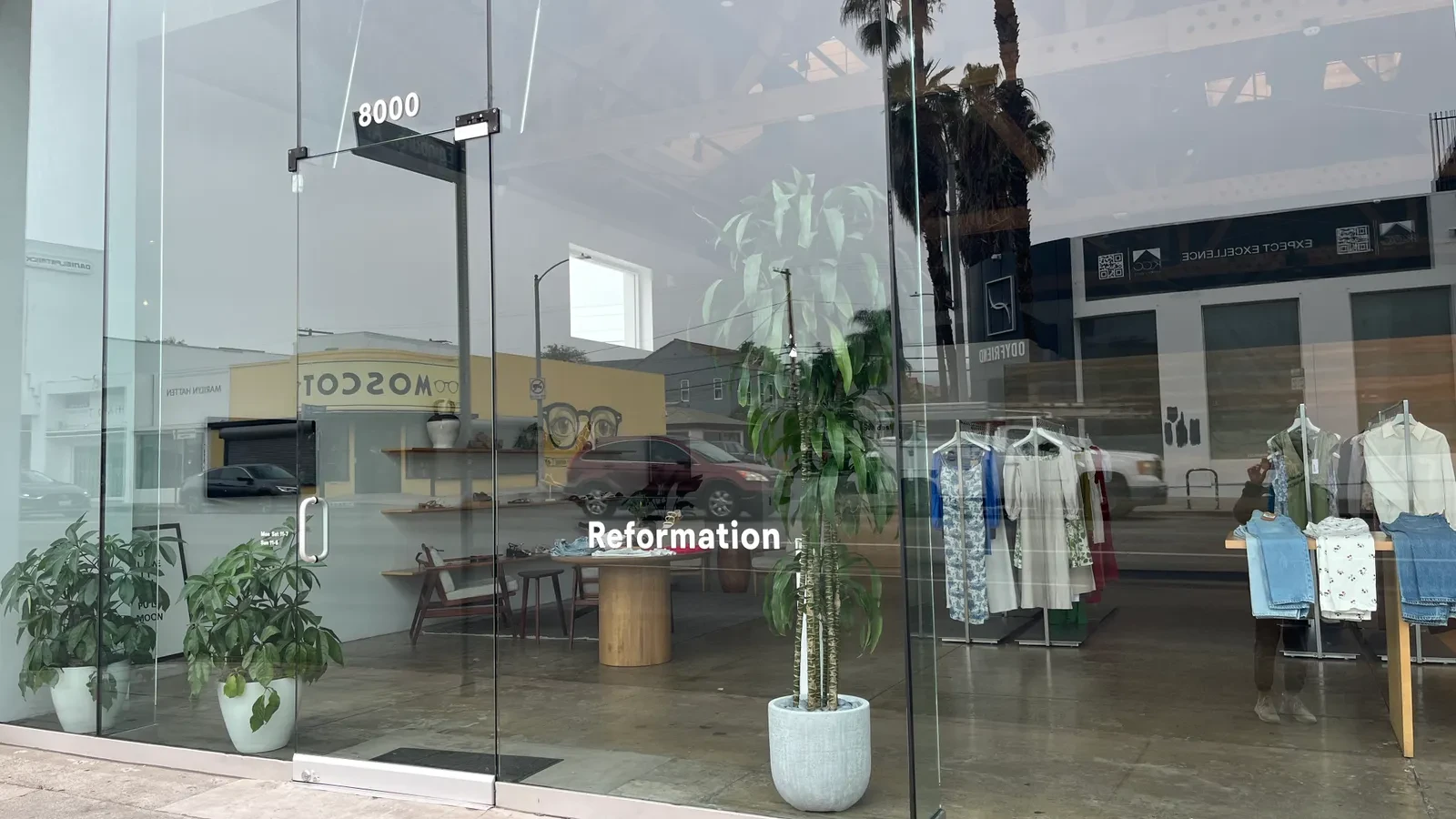
Popular direct-to-consumer apparel and lifestyle brand Reformation has delivered a robust financial performance in its second quarter, easing initial market doubts following its public market debut earlier this year. The company’s net revenue surged by 24%, marking an encouraging start to its journey as a publicly traded entity and reinforcing confidence in its unique retail and supply chain model.
The strong financial results come on the heels of Reformation’s initial public offering in July, an event that drew significant attention across the retail sector. When the company first announced its public listing plans, leadership was aiming for a $1 billion valuation. However, when shares finally hit the public market, initial trading ended up settling toward the lower end of its projected price range. Market analysts pointed out that the modest debut reflected a broader, healthy skepticism among investors toward newly public apparel retailers, many of which face volatile demand and shifting consumer preferences.
Despite that cautious initial reception, recent financial indicators and strategic execution have begun to shift sentiment. In a note published on Friday, analysts at William Blair expressed renewed confidence in the brand’s long-term trajectory, pointing to upcoming store expansions and category extensions as powerful catalysts for future growth.
"While we understand some skepticism around any newly public apparel retailer, between these drivers and the clear visibility in the model, we have deeper conviction in out-year estimates, and the compelling opportunity for shares at these levels," the William Blair analysts wrote. At the same to time, the financial firm acknowledged the inherent challenges of the sector, noting, "We see the largest risk as volatility in the model, which comes with short lead times that are more reactionary in nature."
A Responsive Supply Chain Model
That emphasis on short lead times has long been a core component of Reformation’s business strategy, setting it apart from traditional fast-fashion competitors and legacy apparel brands alike. In its initial IPO filings, the company detailed how it successfully operates an agile merchandise production framework designed to minimize excess inventory and align closely with actual consumer demand.
During a conference call with analysts on Thursday, Reformation CEO Hali Borenstein elaborated on the structural advantages of the brand’s supply chain strategy, contrasting it with traditional inventory forecasting methods.

"Rather than making large inventory bets up to 12 months in advance like many brands, we respond to what customers actually tell us they want," Borenstein told analysts. "Our supply chain is built for speed, sustainability, and quality. We produce more than 50% of our products in 60 days or less and approximately 90% of DTC revenue comes from styles with proven performance behind it."
This demand-driven approach allows Reformation to test designs in smaller batches, scaling up production only after a style demonstrates commercial viability through direct-to-consumer channels. By keeping inventory commitments tight and responsive, the brand aims to reduce markdowns, protect profit margins, and maintain its strong identity around sustainability—a key selling point for its core demographic.
Expanding the Physical Footprint
Beyond its agile digital and supply chain operations, Reformation is placing a major strategic bet on physical retail expansion. Brick-and-mortar storefronts have increasingly served as both marketing touchpoints and vital revenue drivers for digitally native brands, and Reformation is no exception.

At the conclusion of the second quarter, the brand operated a total of 70 retail stores. According to Borenstein, the company has mapped out a clear, multi-year path to double that retail fleet over the next five years, scaling its physical presence across high-traffic urban locations and key shopping districts.
The growth trajectory is already underway for the current fiscal year. Chief Financial Officer Joshua Moore outlined the company’s near-term development schedule during Thursday’s earnings call, noting that Reformation expects to open an additional nine to 10 stores during the second half of the year. This pipeline brings the total projected new store openings for 2026 to between 15 and 16 locations, steadily advancing the brand toward its long-term expansion goals while maintaining disciplined capital allocation.