






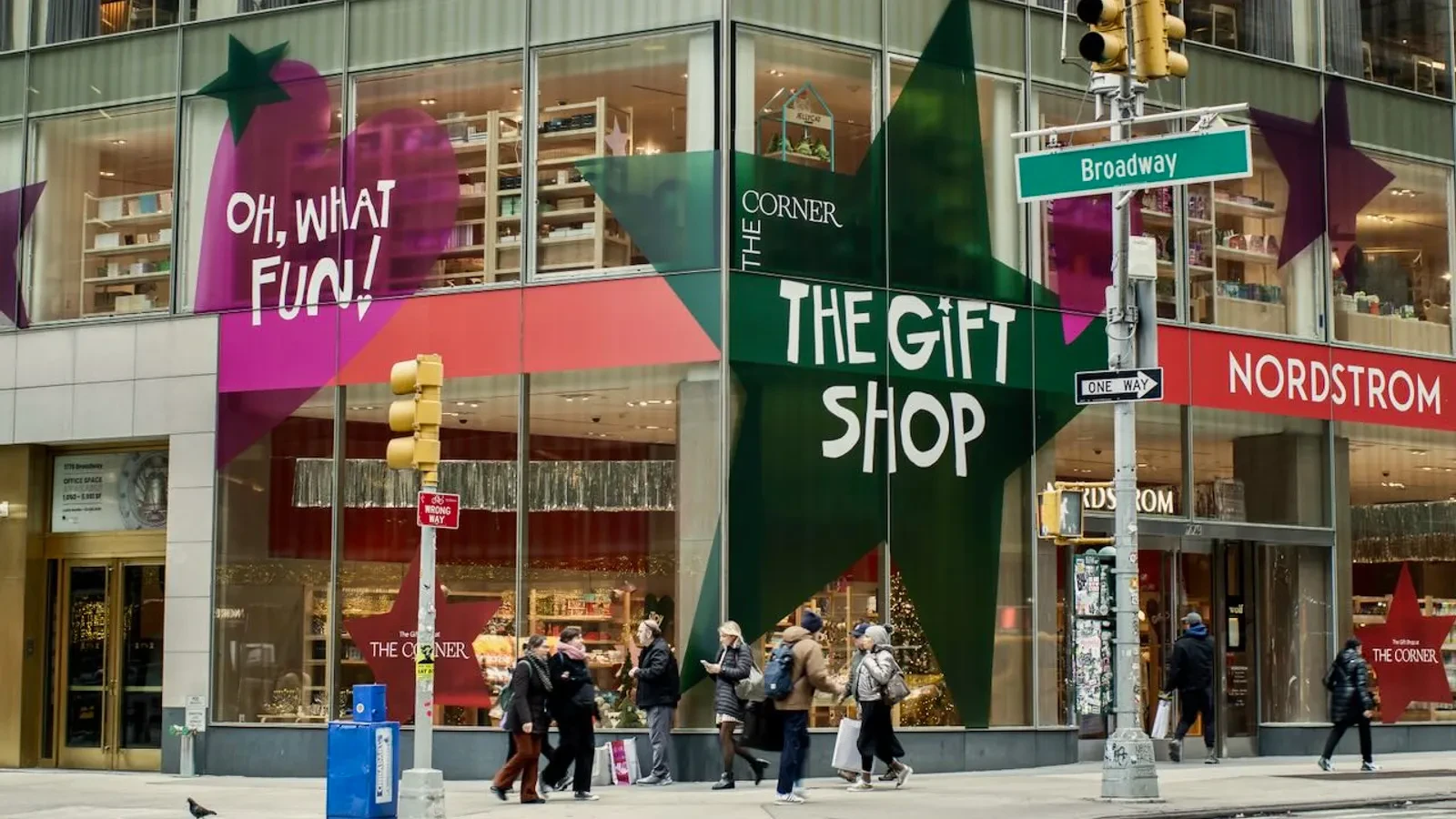
Rising prices and widespread economic uncertainty are casting a long shadow over the current holiday shopping season, forcing both retailers and their customers to approach the festive months with heightened caution and deliberate planning. As the cumulative impacts of years of inflation continue to squeeze household budgets, shopping habits are undergoing a noticeable shift. Consumers are stretching their timelines, leaning heavily on promotional sales events, and increasingly turning to artificial intelligence to protect their wallets from runaway expenses.
For many U.S. households, careful and strategic financial planning has become an absolute necessity rather than a mere preference. According to recent survey data from The Financial Health Network and the University of Southern California, lower-income cohorts have faced mounting pressures over the past twelve months, with fewer households managing to pay all their bills on time compared to the same period a year ago. Furthermore, the researchers found that more than 30% of individuals in these vulnerable groups are currently dealing with what they classify as "unmanageable levels of debt."
These financial strains extend well beyond lower-income brackets as families across the economic spectrum grapple with persistent inflation. Heading into the heart of the holiday season, 45% of consumers surveyed by cash-rewards app Ibotta openly describe their household finances as insecure. Additionally, over 70% of respondents in the Ibotta research report indicate that saving money will remain a primary focus for them throughout the holiday season.
Data from consumer research firm Numerator highlights the stark reality behind these sentiments: since January 2018, prices across the retail landscape have risen precipitously. Low-income consumers are currently confronting everyday prices that are up by more than a third, while high-income consumers are paying over 30% more for comparable goods and services compared to several years ago.
Naturally, consumers are expecting gifts and other seasonal items to cost significantly more this year as well, a trend corroborated by recent research from Accenture. Because a growing number of shoppers have been forced to tap into their dwindling personal savings or rely on high-grade, high-interest credit cards just to cover basic everyday bills, holiday expenses are looming much larger in their minds. Dat Ngo, an accountant and personal finance adviser at Vetted Prop Firms, noted in an email interview that families will need to establish strict boundaries for their spending this year.
"The real problem is not one expensive month. It is entering January with credit card balances that take months to pay off, while regular expenses continue," Ngo explained. "A smaller holiday is much easier to recover from than several months of expensive debt."
Despite these warnings, consumer expectations remain mixed. Accenture’s research reveals that while more than 30% of U.S. consumers actually expect their total holiday budgets to be larger than they were a year ago, more than half of those anticipating spending the same amount or more admit that it is simply because everything has become more expensive.
"Consumers are just having to be a little bit more thoughtful and intentional about where they’re spending, why they’re spending, and how they’re spending," said Kelly Askew, global retail industry lead at Accenture, speaking during a virtual industry event hosted by Retail Dive earlier this month.
The Plan
As households shell out more money for basic essentials such as groceries, fuel, and utility bills, they are tackling their holiday shopping lists from entirely different angles to make their limited funds go further.
To effectively stretch their budgets, shoppers have started their purchasing journeys much earlier than in previous years, with some initiating their gift hunts as early as the summer months. According to Ibotta’s research, more than a third of shoppers actively purchased items for the holidays during promotional sales events over the summer, and 30% anticipated starting their holiday shopping even earlier than they did last year. In fact, Accenture’s data indicates that more than twice as many people conducted holiday shopping over the summer months this year compared to the previous year.
Promotional events—ranging from traditional dates like Black Friday and Labor Day to online phenomena like Prime Day—largely dictate what shoppers ultimately decide to buy. Ibotta found that these targeted sales events influence purchasing decisions far more heavily than traditional gift lists, family recommendations, or even a brand’s established reputation.
Technology is also stepping in to assist consumers in staying within their strict financial boundaries. Consumers surveyed by Accenture reported that they expect generative artificial intelligence to influence roughly 45% of their total holiday spending. Among the various applications of AI, finding the best deals emerged as the top use case for shoppers, closely followed by comparing alternative product options and deciding precisely where to make their purchases.
The Selection
However, price is far from the only factor driving consumer choices in the current marketplace. Shoppers are searching for genuine value and are determined to find the exact items they are looking for, a task that could prove somewhat tricky this year due to retailer inventory strategies. According to Phillip Blee, a consumer equity research analyst at William Blair, retailers are purposefully maintaining lean inventories heading into the peak season.
This cautious approach by merchants will likely translate to fewer opportunities for last-minute shoppers, according to both Blee and Askew.
"Everyone’s a little bit concerned that inventory is light, and that out-of-stocks could happen," Blee said during the Retail Dive virtual event. "So I think consumers want what they want, and value is important. But value doesn’t mean just deep discount or low price, right? The consumer wants the quality product, and they want it at the right price."
That consumer demand for value also encompasses product newness and innovation, Blee noted. During the height of the COVID-19 pandemic, when global supply chains were severely roiled and unpredictable, retailers aggressively stocked up on goods whenever and wherever they could. This eventually resulted in an overabundance of merchandise as consumer tastes shifted and shoppers grew tired of the available product assortments. That historical miscalculation has left retailers understandably "on edge" when it comes to managing their inventory planning for the holidays.
"Especially with transportation costs being so high, input costs being so high, tariffs being all over the place, I think that there’s a lot of risk for them to take on with inventory," Blee explained. "So I think that they’re feeling very much… that they need to keep inventory light. I think that they would prefer to potentially miss out on a little bit of sales in order to avoid an inventory glut at the end of the season that would require high clearance rates on an already very expensive product."
The Place
While the modern digital landscape makes online shopping easier than ever—with convenient opportunities spanning mobile applications, social media platforms, and increasingly sophisticated AI tools—consumers continue to maintain a strong affinity for physical brick-and-mortar stores, particularly during the holiday season.
Some of this enduring preference stems from practical considerations. According to Accenture, over 40% of shoppers deliberately visit physical stores to inspect merchandise in person before committing to a purchase. Interestingly, shoppers even show a preference for traditional retail stores over generative AI tools when seeking out personalized advice or product recommendations.
Yet the appeal of physical stores runs deeper than mere practicality, as Askew pointed out.
"A third of people say they visit it for inspiration and ideas and just kind of the vibe and energy that comes in a retail environment around the holidays," Askew said.