






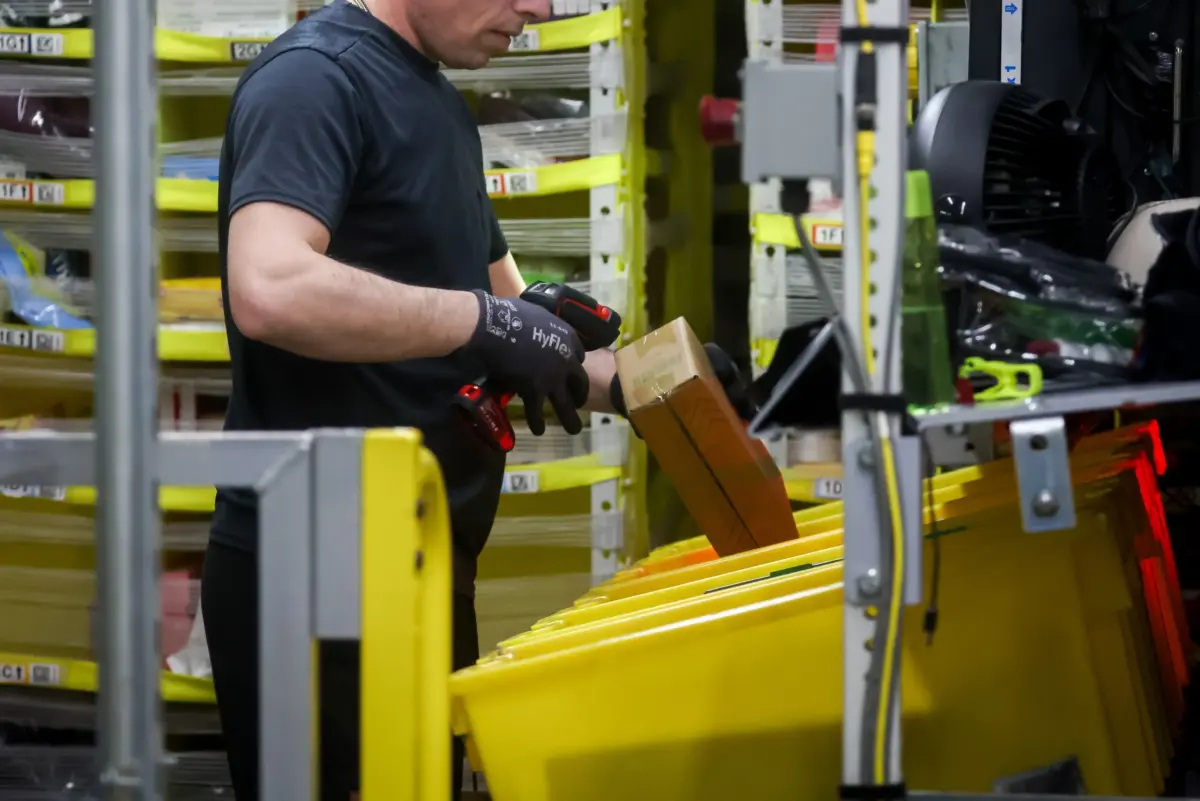
Amazon has announced a significant investment in its workforce, raising the minimum starting pay for its core U.S. operations workers, including fulfillment center employees and delivery drivers, to $20 per hour. The adjustment brings the company’s average hourly pay for these roles to nearly $24 per hour. According to the retail and technology giant, the higher pay represents a direct increase of $1 per hour for eligible employees across its vast logistics and warehousing network.
The nationwide wage adjustment, announced on September 16, 2026, marks the latest move by the company to attract and retain hourly workers in a competitive labor market. The broader compensation package also includes newly introduced financial services and expanded grocery discounts, alongside a slate of existing benefits that the company highlights to demonstrate its overall investment in its workforce.
The multi-billion-dollar commitment underscores the sheer scale of Amazon’s operations, which rely heavily on hundreds of thousands of frontline workers to sort, pack, and deliver millions of packages daily. However, while corporate leadership emphasizes the tangible value of the total compensation package, the reception among the workforce on digital forums highlights ongoing discussions regarding the true impact of these corporate perks against the backdrop of everyday living costs.
A Multibillion-Dollar Investment in Frontline Wages
The total financial commitment for these wage increases amounts to over $1.5 billion. While substantial in absolute terms, the figure represents about 0.06% of Amazon’s massive $2.68 trillion market capitalization, a metric often cited by labor analysts when evaluating the tech behemoth’s capacity to absorb labor cost increases.
Udit Madan, Amazon’s Senior Vice President of U.S. Operations, detailed the adjustments in an official company blog post outlining the changes to workplace compensation and benefits. Madan emphasized that hourly wages are only one component of the broader economic value provided to frontline employees.
"When you add in the value of our industry-leading benefits, average total compensation comes to more than $32 per hour," Madan wrote.
For the average warehouse associate or delivery driver, the move pushes base earnings higher at a time when inflation and cost-of-living pressures remain a central concern for hourly wage earners across the United States. By establishing a $20 floor for core operations, Amazon aims to maintain a competitive edge over rival retailers, shipping companies, and fast-food chains that have similarly elevated starting wages in recent years to combat labor shortages.
Expanding Financial Services and Grocery Perks
Beyond the direct wage increases, Amazon is rolling out a series of supplemental benefits designed to address financial wellness and everyday consumer expenses for its hourly workforce.

Among the new additions is access to a low-cost banking system branded as Day 1 Financial, along with membership opportunities in the First Tech Federal Credit Union. These financial tools are intended to provide workers with accessible banking options, savings vehicles, and credit services that may otherwise involve higher fees through traditional commercial banking institutions.
In addition to financial services, Amazon is leveraging its corporate ecosystem to offer retail discounts to its employees. Workers will now receive a 20% discount on purchases made in-store at Whole Foods Market, the premium grocery chain acquired by Amazon in 2017. Furthermore, for employees who prefer the convenience of home delivery or curbside pickup, a 10% discount will apply when ordering Whole Foods groceries online through Amazon.
These new perks join an existing suite of corporate benefits that Amazon frequently promotes to prospective and current employees. The company already provides free Prime memberships, prepaid college tuition and career training programs through its Career Choice initiative, and comprehensive healthcare coverage options from the first day of employment.
Workforce Reactions and Skepticism on the Ground
Despite the corporate emphasis on the comprehensive nature of the compensation package, initial reactions from some frontline workers suggest a mixed sentiment, particularly regarding the newly introduced retail perks.
On online communities such as the Amazon fulfillment center subreddit, where warehouse workers frequently discuss workplace conditions, pay, and corporate policies, the response to the Whole Foods discount was met with characteristic internet skepticism. Because Whole Foods has long carried a reputation for higher price points—often colloquially referred to by consumers as "Whole Paycheck"—some employees questioned the practical value of the grocery discount.
One worker captured the prevailing skepticism in a widely discussed forum comment regarding the 20% in-store discount: "So it would make it cost almost the same as a regular store, then? Hahaha."
The commentary reflects a broader tension between corporate benefits messaging and the everyday financial realities of warehouse staff, many of whom navigate tight household budgets where discount grocery stores and budget supermarkets remain the primary option regardless of corporate retail perks.
Nevertheless, the baseline wage increase to $20 per hour represents a direct boost to weekly take-home pay for eligible operations employees. As Amazon continues to scale its logistics footprint and navigate evolving labor dynamics, the company’s latest investment signals an ongoing effort to balance rising labor costs with the operational demands of running the nation’s largest private logistics network.