






To the uninitiated traveler, Reykjavík is often envisioned as a pristine, postcard-perfect gateway to Iceland’s dramatic natural wonders—a clean, colorful cluster of houses huddled beneath an expansive northern sky. But to those who know it intimately, the world’s northernmost capital is something far more textured. As celebrated Icelandic fashion designer Steinunn Sigurðardóttir aptly describes it, the city is "quirky, whimsical, and wonderfully peculiar."
Sigurðardóttir speaks from a place of profound experience. Having spent years abroad designing for global fashion heavyweights like Ralph Lauren, Calvin Klein, and Tom Ford at Gucci, she ultimately felt the pull of home. In 2000, she returned to found her eponymous label, STEiNUNN, drawing the core of her visual language directly from the raw textures, shifting light, and elemental landscape of her homeland.
"It is a city of mismatched architecture, where old houses sit beside modern buildings, and some buildings have the most unexpected details, colors, and styles," Sigurðardóttir observes. "Reykjavík does not always try to be polished or perfectly coordinated. Its little architectural surprises, unusual combinations, and unexpected touches give the city a personality of its own."
That distinct sense of individuality permeates Reykjavík’s thriving creative community. Fellow designer Hildur Yeoman, who meticulously crafts vibrant prints, patterns, and handmade jewelry in her studio hovering directly above her downtown boutique, shares this sentiment. Together with acclaimed photographer and stylist Saga Sig, these three leading creative voices have mapped out the city they know, love, and continuously return to—offering a masterclass in how to experience the Icelandic capital far beyond the traditional tourist track.
"I sometimes feel that visitors experience a version of Reykjavík that is largely created for tourists," Sigurðardóttir notes. "Pero Reykjavík is so much more than that."
Where to Stay
For travelers looking to anchor themselves in the capital’s vibrant cultural rhythm, the city offers a diverse array of accommodations that blend contemporary luxury with deep historical roots.
Positioned dramatically beside the striking Harpa Concert Hall on the Old Harbour, The Reykjavík EDITION stands as the city’s premier contemporary choice. Boasting 253 sophisticated rooms and suites, the property places guests within effortless walking distance of the waterfront and the bustling downtown shopping district. Its signature dining venue, Tides, places a heavy culinary emphasis on sustainable Icelandic seafood, locally sourced meats, and modern Nordic cooking, while the adjoining café provides a more relaxed setting for morning coffee and pastries. Grace Bunker, a Europe travel specialist at Scott Dunn, highlights its prime location: "It’s right on the waterfront. It has beautiful modern interiors and a great rooftop bar overlooking the harbor."
For a more intimate, design-forward urban experience, Sigurðardóttir points exclusively to the 101 Hotel. Housed in a former 1930s office building on Hverfisgata that opened its doors to guests in 2003, the hotel features striking Icelandic art installations throughout and chic interiors curated by owner Ingibjörg S. Pálmadóttir. It serves as an ideal base for travelers who want to seamlessly fold a morning swim, gallery visits, harbor walks, and a fine dinner into a single day.
Travelers with an appreciation for architectural heritage often gravitate toward Hotel Borg. Overlooking Austurvöllur Square and dating back to 1930, the historic property features 99 rooms and suites dressed in sophisticated Art Deco interiors. With Parliament and the Reykjavík Cathedral situated just across the square, guests find themselves perfectly positioned to explore the historic core on foot before retreating to the downstairs Borg Spa for hot tubs, steam baths, and specialized wellness treatments.
Just a short journey outside the city lies an experience that bridges urban culture with the wild expanse of the countryside: The Retreat at Blue Lagoon. Situated amidst an otherworldly landscape of moss-covered lava fields and mineral-rich geothermal waters, the 60-suite sanctuary features floor-to-ceiling windows that seamlessly invite the stark beauty of the exterior indoors. Select suites even open directly onto their own private lagoons. Guests can indulge in the subterranean Retreat Spa—which features its own private lagoon and the signature Blue Lagoon Ritual—and dine at the Michelin-starred Moss restaurant, where chef Aggi Sverrisson crafts innovative tasting menus blending seasonal Icelandic ingredients with subtle Asian influences.
Where to Swim and Unwind
In Reykjavík, stepping into water is not merely a leisure activity; it is a vital social ritual deeply embedded in the civic fabric. For Saga Sig, who spent seven years living in London, the everyday accessibility of neighborhood pools and saunas was what she missed most during her time away. Her advice to incoming visitors is absolute: "You MUST bring your swimsuit."
For an authentic local morning routine, Sigurðardóttir recommends Sundhöllin. Featuring both indoor and outdoor swimming pools, traditional hot tubs, a sauna, and a steam bath, the historic facility offers endless reasons to linger long after completing a few laps. "Swimming pools are such an important part of Icelandic life," Sigurðardóttir reflects. "I think spending time there gives visitors a glimpse into everyday Icelandic life that they might otherwise miss."
Families and those looking to venture into the city’s quieter neighborhoods will find a warm welcome at suburban facilities like Árbæjarlaug and Breiðholtslaug. Recommended by Hildur Yeoman, both locations extend far beyond basic swimming lanes. Árbæjarlaug features an expansive outdoor pool, hot tubs, children’s splash zones, and water slides, while Breiðholtslaug combines indoor and outdoor aquatic spaces with hot tubs, a dedicated cold plunge, a sauna, a steam room, and slides, making them ideal spaces for adults to soak while children play.
For a nature-immersive geothermal experience close to the city, Saga recommends Sky Lagoon. Framed by a breathtaking oceanfront setting, the facility utilizes the rigorous seven-step Skjól Ritual, which guides guests through alternating temperatures via a cold plunge, an ocean-view sauna, a refreshing cooling mist, an exfoliating body scrub, and a traditional steam room.
Further afield in Hvalfjörður, Hvammsvík offers an entirely different scale of wilderness. Here, eight distinct geothermal pools hug the shoreline, shifting in depth and warmth as the ocean tide rolls in. Bathers move fluidly between the natural stone baths with the open fjord right beside them, offering a raw, elemental counterpoint to the more structured lagoons closer to the capital. "It’s a unique experience, and they have a great restaurant," Saga notes.
Following exposure to the bracing Atlantic winds, local experts emphasize the absolute necessity of skincare. Saga’s personal regimen champions products sourced directly from the island, including the Blue Lagoon’s mineral masks and lip balms, Bioeffect’s Hydration Cream, specialized items from Angan and Sóley, body oils from SwimSlow, and nourishing hair care from Hvammsvík. SwimSlow’s physical concept store and wellness studio at Aðalstræti 9 serves as a central hub bringing these local wellness treasures together under one roof. "It’s incredible how many amazing skin products are being produced here," she remarks.
Where to Shop
Reykjavík’s retail landscape reflects the nation’s broader creative independence, populated by designers who draw heavily upon their stark environment. At Steinunn Sigurðardóttir’s flagship store in the Grandi harbor district, her garments tell a deliberate story about her relationship with the Icelandic terrain. Knitwear forms the beating heart of the label, drawing continuous inspiration from the countless manifestations of snow—from delicate fresh powder to wind-sculpted drifts and hard frost.
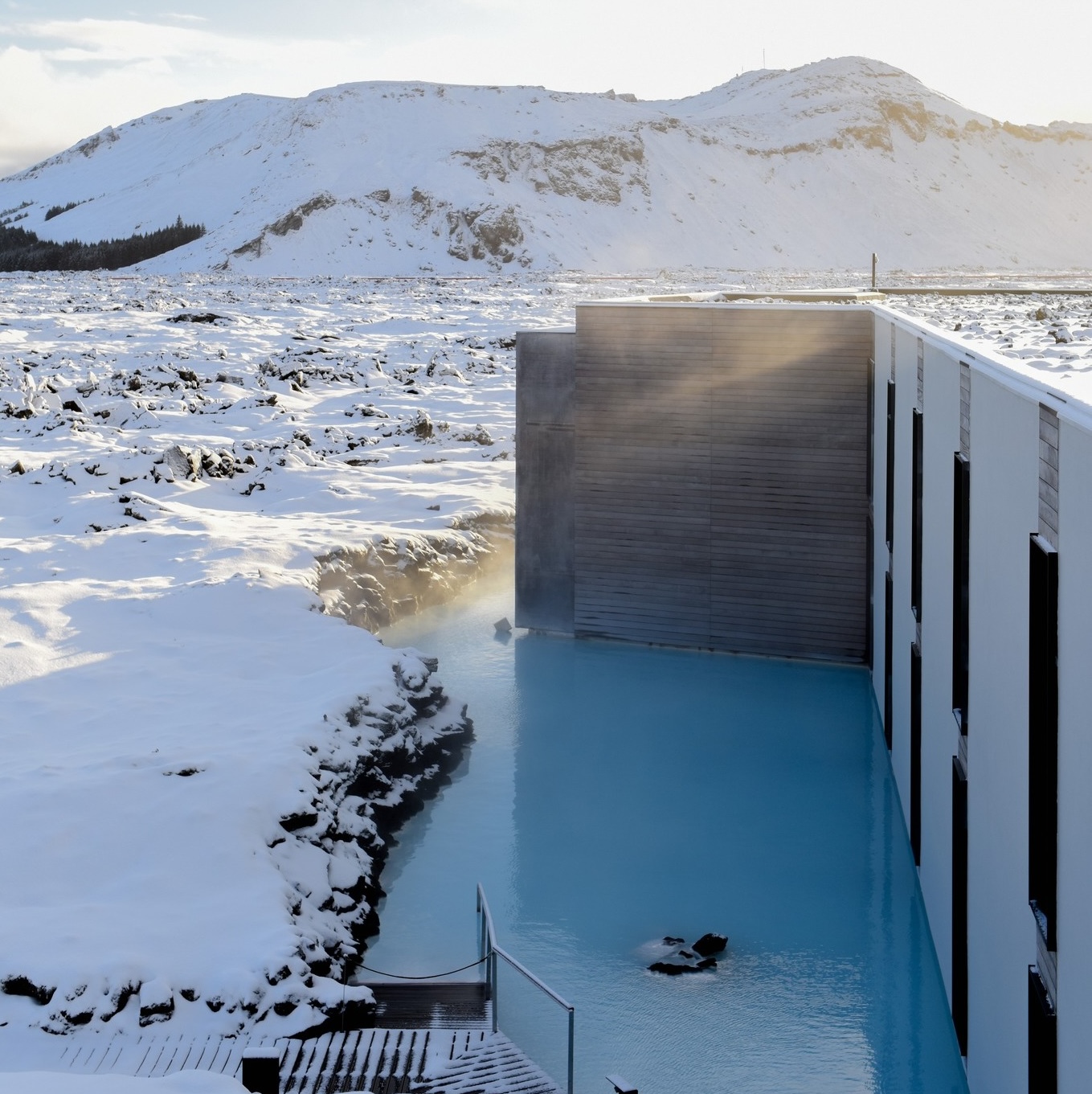
"These experiences have become part of my visual language," Sigurðardóttir explains. "Iceland is not simply the place where I live. The landscape, the light, the weather, and its extraordinary contrasts have shaped the way I see the world and, inevitably, the way I create."
This direct proximity between creation and commerce is echoed at Hildur Yeoman’s downtown boutique, where clothing hangs on the ground floor while prints, textile patterns, and handmade jewelry are actively forged in the studio directly above. "We have womenswear for all ages," Yeoman says. "We make our own prints, patterns, and handmade jewellery in our studio above the store." Saga counts Yeoman among her top shopping destinations, alongside designer Anita Hirlekar.
For traditional and contemporary Icelandic knitwear, both Yeoman and Sigurðardóttir frequently direct friends toward Farmers Market. Established in 2005, the label blends Nordic heritage with contemporary country life across a robust collection of knitwear, outerwear, and accessories, with a Grandi outpost that fits naturally into an afternoon harbor stroll. Another notable knitwear destination is As We Grow, a children’s and adult label dedicated to garments engineered with longevity and room for growth in mind.
Men seeking sophisticated local tailoring are steered toward Kormákur & Skjöldur, where offerings span classic suits, shirts, blazers, and an exclusive Icelandic Tweed collection woven entirely from native wool. Additional outerwear recommendations include Feldur for specialized jackets and the ubiquitous Icelandic staple, 66°North.
For an entirely multi-sensory retail journey, Saga considers Fischersund an absolute must-visit. Founded by a creative family that includes Jónsi of the acclaimed band Sigur Rós, the family-run perfumery and art collective fuses artisanal fragrance, experimental soundscapes, visual art, and storytelling within its atmospheric downtown shop, where visitors can also book guided scent explorations.
The Grandi district, built around the former industrial harbor, rewards leisurely, unhurried exploration. Alongside independent makers and small businesses, Sigurðardóttir points visitors toward design co-op KIOSK and Sóley for local skincare. "It has the sea, the old harbor buildings, small shops, artists, designers, and people making things with their hands," she says. "There is a wonderful sense of creativity and independence there." Downtown shoppers will likewise find curated fashion at Stefánsbúð and Andrá, alongside home goods and design pieces at OFFICINA and Mikado.
Where to Eat and Drink
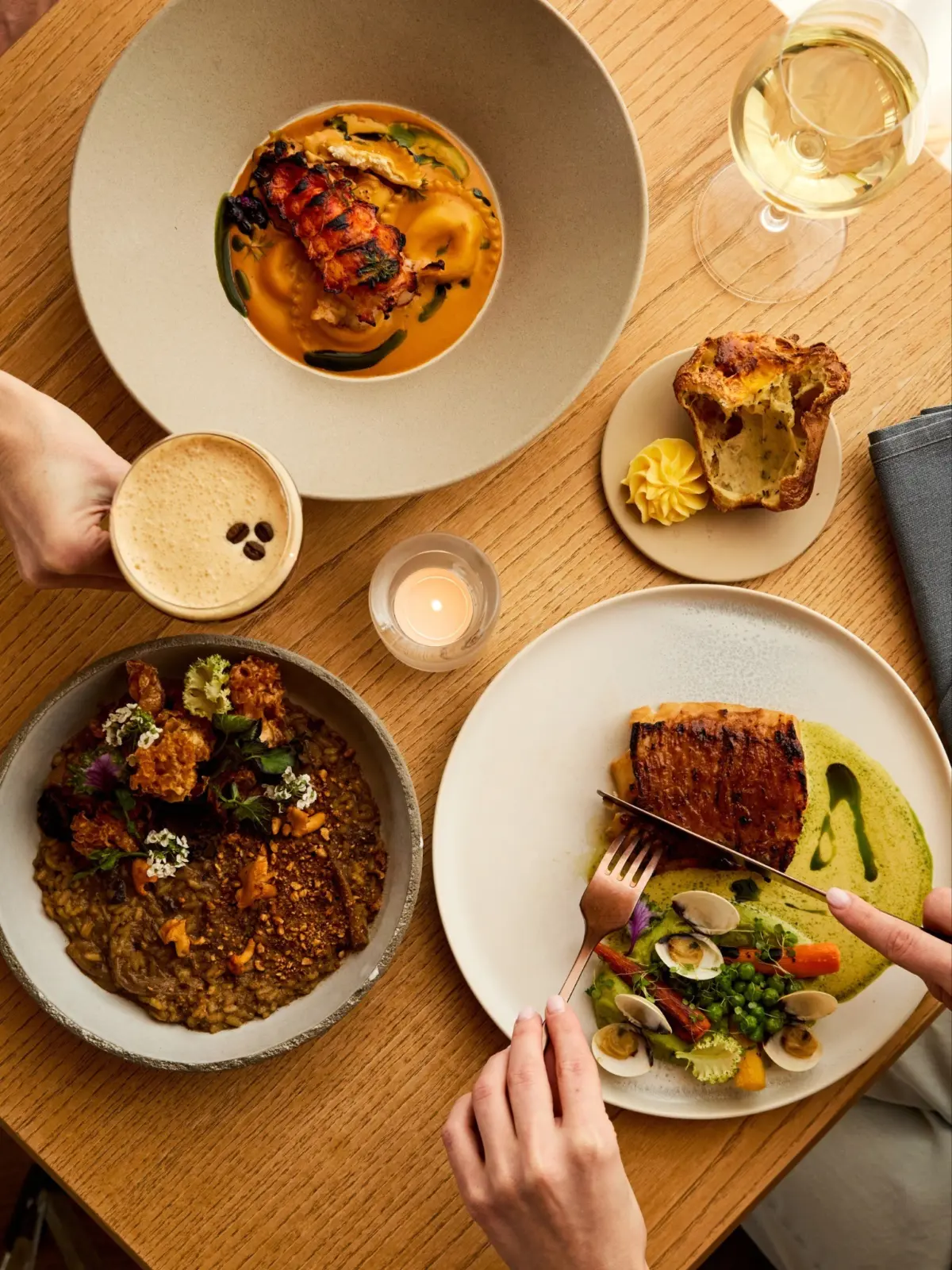
The capital’s culinary scene is characterized by a bold willingness to experiment with wild local produce, fresh seafood, and global flavor profiles. Among local favorites, Hósinó commands consistent praise, with Hildur Yeoman naming it her absolute top pick for dining. "The menu changes every week," Yeoman notes. "I would recommend trying out as many courses as your table can handle. Everything tastes amazing. They also make mean cocktails." For visitors looking to transition from dinner into late-night revelry, Yeoman recommends heading directly to Róntgen "to dance through the night."
For those craving vibrant international fusions, Saga recommends Sumac, where native Icelandic ingredients meet the aromatic spice profiles of the Middle East and Lebanon through sharing-style meze menus. Another favorite, SKÁL, places its culinary focus squarely on hyper-local Icelandic produce paired with natural wines, craft cocktails, micro-brews, and house-brewed sparkling teas.
Travelers seeking a dedicated, slow-paced gastronomic journey will find world-class tasting menus at Dill, where traditional Icelandic ingredients and historical culinary methods take center stage, and at ÓX, where an intimate 17-seat kitchen counter experience is preceded by a welcome drink inside a retro cocktail bar modeled after the grandmother of chef Þráinn Freyr Vigfússson.
In the Grandi district, La Primavera—located inside the cultural hub of Marshall House—delivers northern Italian cooking traditions filtered through an Icelandic lens, serving as an effortless dinner stop following an afternoon spent browsing the building’s contemporary art galleries. For seafood enthusiasts, Grace Bunker highlights Fish Company, which structures its ambitious tasting menus around two distinct philosophies: "Around Iceland," which celebrates native proteins, and "Around the World," which introduces international spices and herbs to local catches.
For a casual neighborhood atmosphere, Sigurðardóttir frequently frequents Kaffi Vest, a lived-in local spot whose unpretentious character reminds her fondly of New York’s iconic Odeon. "I love places like that, where you feel that you are part of the neighborhood rather than simply a visitor," she shares. For a memorable brunch, she directs visitors to the café at Kjarvalsstaðir, situated within Klambratún Park, where floor-to-ceiling windows overlook parkland and changing exhibitions of modernist and contemporary art.
Where to Wander
Reykjavík’s cultural institutions and open spaces offer a profound window into the nation’s vibrant artistic pulse. Sigurðardóttir is a regular visitor to i8 Gallery, a contemporary art space established in 1995 that represents artists working across sculpture, painting, textiles, installation, and video. Alongside its main harbor-adjacent space, i8 Grandi occupies two floors inside Marshall House, mounting year-long single-artist exhibitions. "The Icelandic art scene is really blooming at the moment, and I find myself not wanting to miss a single exhibition," she says.
BERG Contemporary, housed within a former glass factory, presents another essential stop for contemporary programming featuring both emerging and established talent. Beyond private galleries, the National Gallery of Iceland and the Reykjavík Art Museum anchor the city’s civic art offerings, while the National Museum of Iceland provides a thorough chronological grounding in the country’s complex history.
For Hildur Yeoman, Marshall House serves as an indispensable cultural anchor, housing the Living Art Museum, Kling & Bang, and i8 Grandi under one roof alongside La Primavera. For an excursion that combines a scenic coastal walk with artistic contemplation, Sigurðardóttir recommends the Sigurjón Ólafsson Museum in Laugarnes. Dedicated to the late sculptor, the museum occupies his former studio space on the water’s edge. "The walk itself is part of the experience," she notes. "You have the sea beside you and beautiful, ever-changing views of the Reykjavík coastline. And then you arrive at the museum, where you can spend time with the sculptures and afterwards sit by the window with a really good cup of coffee, looking out over the sea. Who wouldn’t want that?"
For an absolute escape into uncultivated nature, Yeoman suggests taking the brief ferry ride across to Viðey island. "It’s such a beautiful place to have a walk in nature, to collect gems or seashells or flowers, and to find a great spot for a picnic," she says.
Back within the city limits, wanderers can uncover quiet historic pockets like Þingholt, home to traditional old houses and the peaceful Einar Jónsson Sculpture Garden, or explore the lush expanses of Laugardalur Botanical Garden and the winding river valley of Elliðaárdalur.
Ultimately, the best advice for navigating Reykjavík remains as intuitive as the city itself. "Wander a little further," Sigurðardóttir urges. "Take a different road. Follow your curiosity and see where it takes you. Those are often the places that stay with you, the unexpected discoveries, the quiet moments, and the little encounters that become the memories you take home with you."