



Defining a truly great outfit in 2026 has become remarkably complex. For years, the metric of elite personal style shifted from wearing pristine designer labels to unearthing rare vintage pieces, and later, cultivating an insider’s instinct for up-and-coming indie labels. While all of these elements still contribute to what industry insiders call a high "fashion IQ"—a sophisticated understanding of fashion’s past, present, and future—a new stylistic standard has emerged.
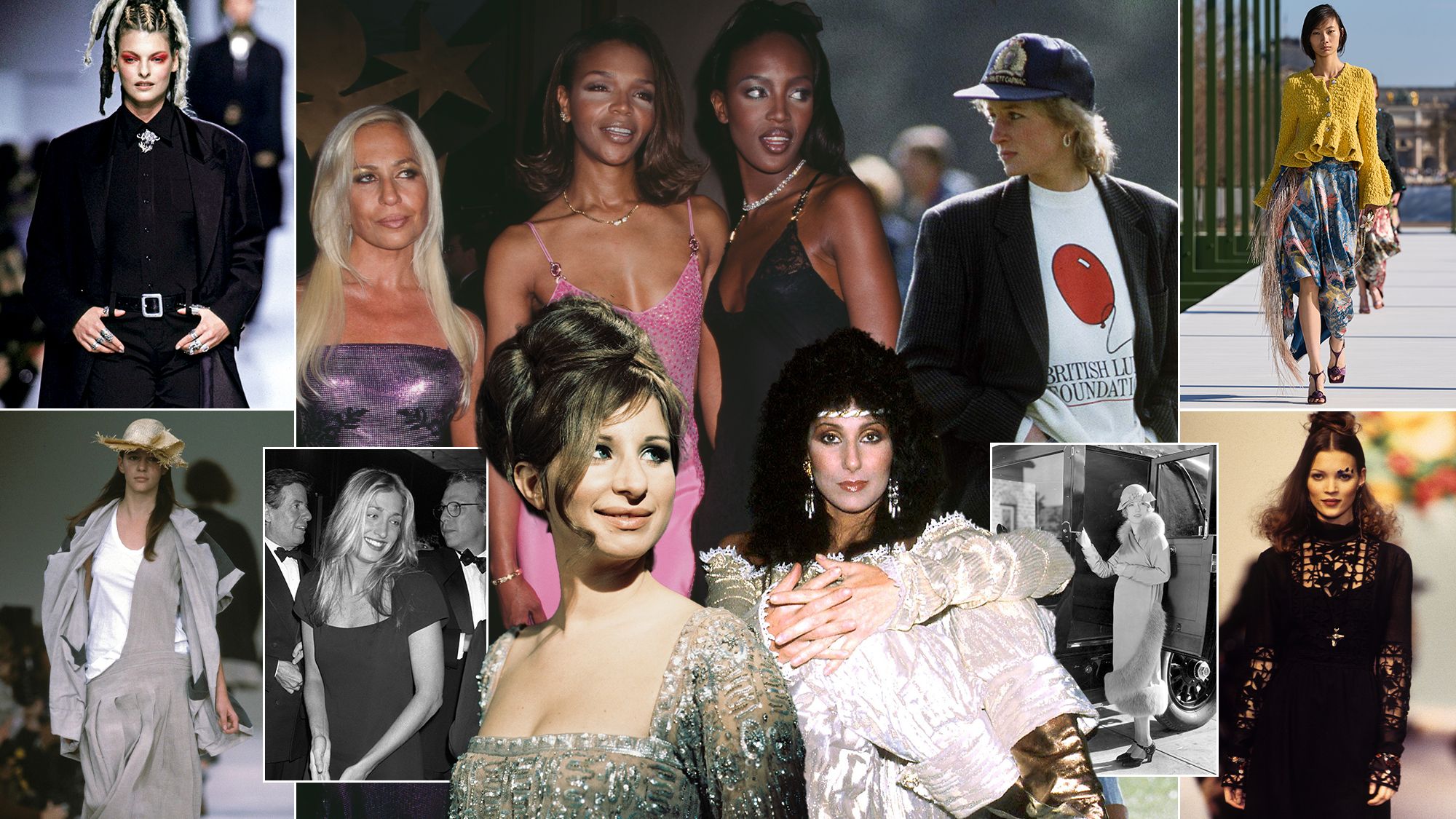
This latest evolution is less about what can be spotted with the naked eye and more about a sophisticated level of storytelling. It signals both a sharp sartorial intellect and a deep commitment to wardrobe sustainability at a time when climate realities, from global weather disruptions to ecological shifts, make mindful consumption more pressing than ever. Industry tastemakers are calling this movement "eras dressing": the meticulous art of weaving multiple seasons, years, and historical epochs into a single, cohesive look.
While high-profile celebrities often excel at making headlines with their wardrobes, everyday dressers actually have a distinct advantage in mastering this technique. Famous figures are frequently contractually obligated to wear complete, head-to-toe designer looks straight off the runway, leaving little room for eclectic mixing. However, even global style icons embrace this ethos during their off-duty moments. Rihanna, for instance, famously paired a 1984 Comme des Garçons cut-out jersey dress—worn nonchalantly shrugged off one shoulder—with sold-out sneakers from the Jacquemus and Nike collaboration.
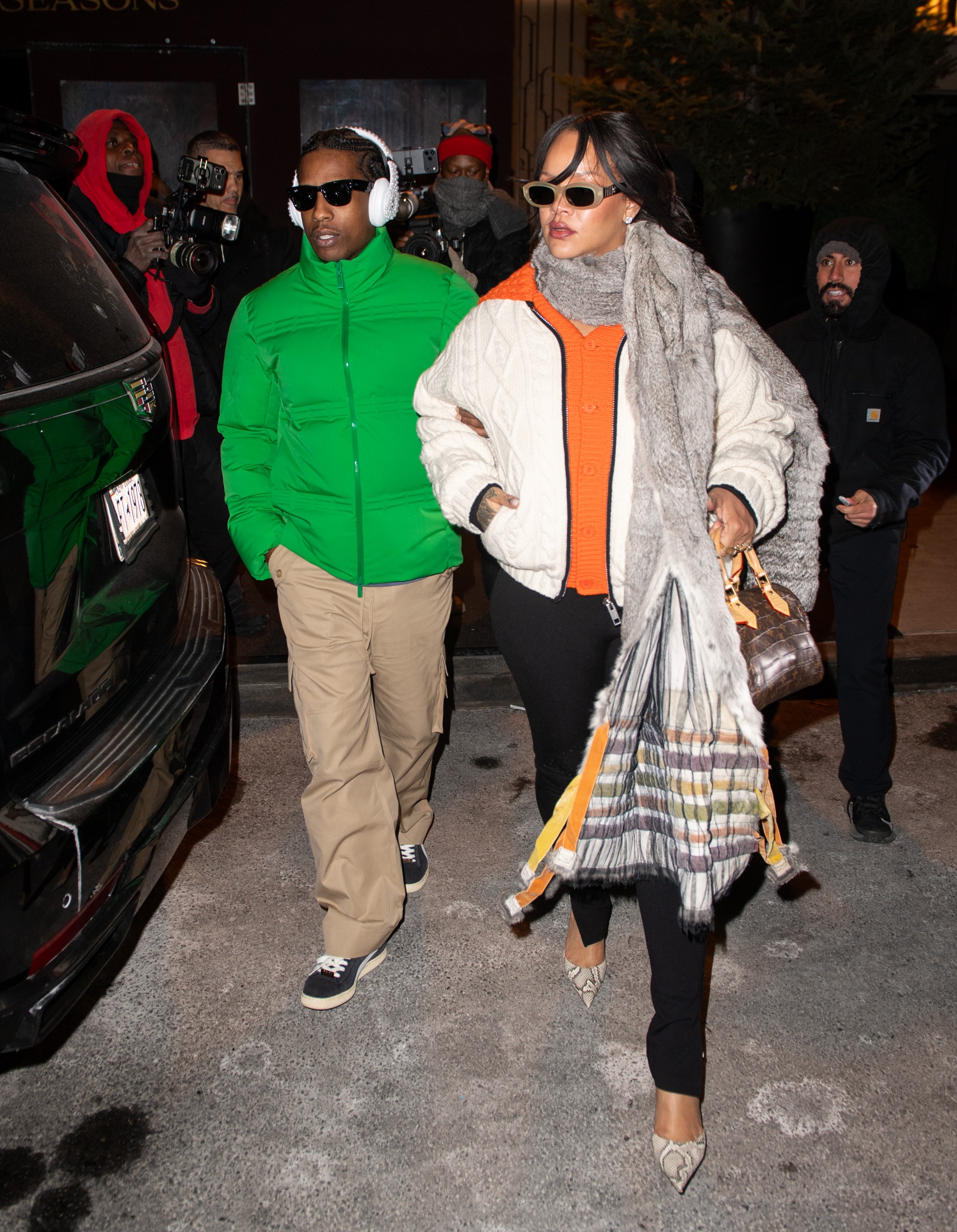
Earlier this year, Rihanna incorporated at least three distinct decades into a single street-style appearance: Versace’s monochrome sunglasses from 1996, John Galliano’s patchwork fur scarf from 2002, and Dior’s contemporary cable-knit jacket. Neither of these outfits arrived in a protective garment bag as a pre-packaged deal. Instead, they reflect a wardrobe built not as a random accumulation of garments, but as a deliberate collection that mirrors different eras of design origin alongside the wearer’s evolving personal style.
This approach is increasingly favored by international tastemakers who curate their outfits with the explicit intent of pooling historical references. Trendsetter Qin Huilan demonstrated this concept after attending Miu Miu’s Tales & Tellers exhibition in Shanghai, a cultural celebration highlighting the role of women as historical conveyors of knowledge and storytellers. Reflecting on her outfit choice, Huilan noted that if stories can connect across time, clothing can do the exact same thing. She constructed her evening look using Miu Miu pieces spanning a wide timeline, drawing from garments released in 2003, 2010, 2012, 2014, 2015, and 2020.
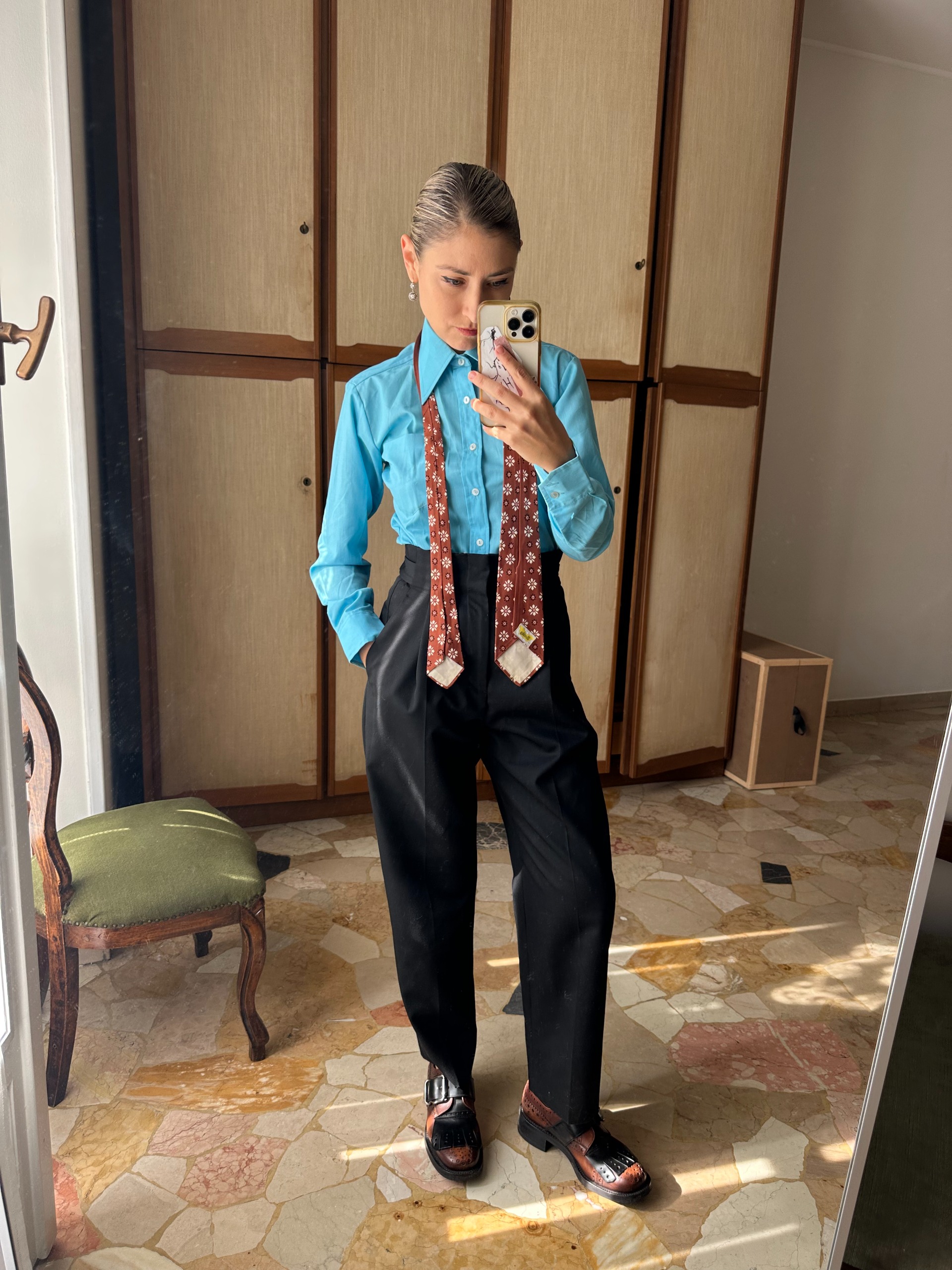
Building a multi-decade collection that charts the evolution of a single house doesn’t just result in outfits rich with cultural meaning; it can also prove to be a remarkably prudent financial investment. The enduring value of archival fashion was underscored when Kerry Taylor Auctions offered 265 lots belonging to Octavius La Rosa, the founder of the legendary boutique dot COMME and a prolific collector of Comme des Garçons. The auction generated £154,999 in total sales. Among the standout items was a complete look from the iconic Spring/Summer 1997 Body Meets Dress, Dress Meets Body collection—widely known as the "lumps and bumps" show—which commanded an impressive £14,300.
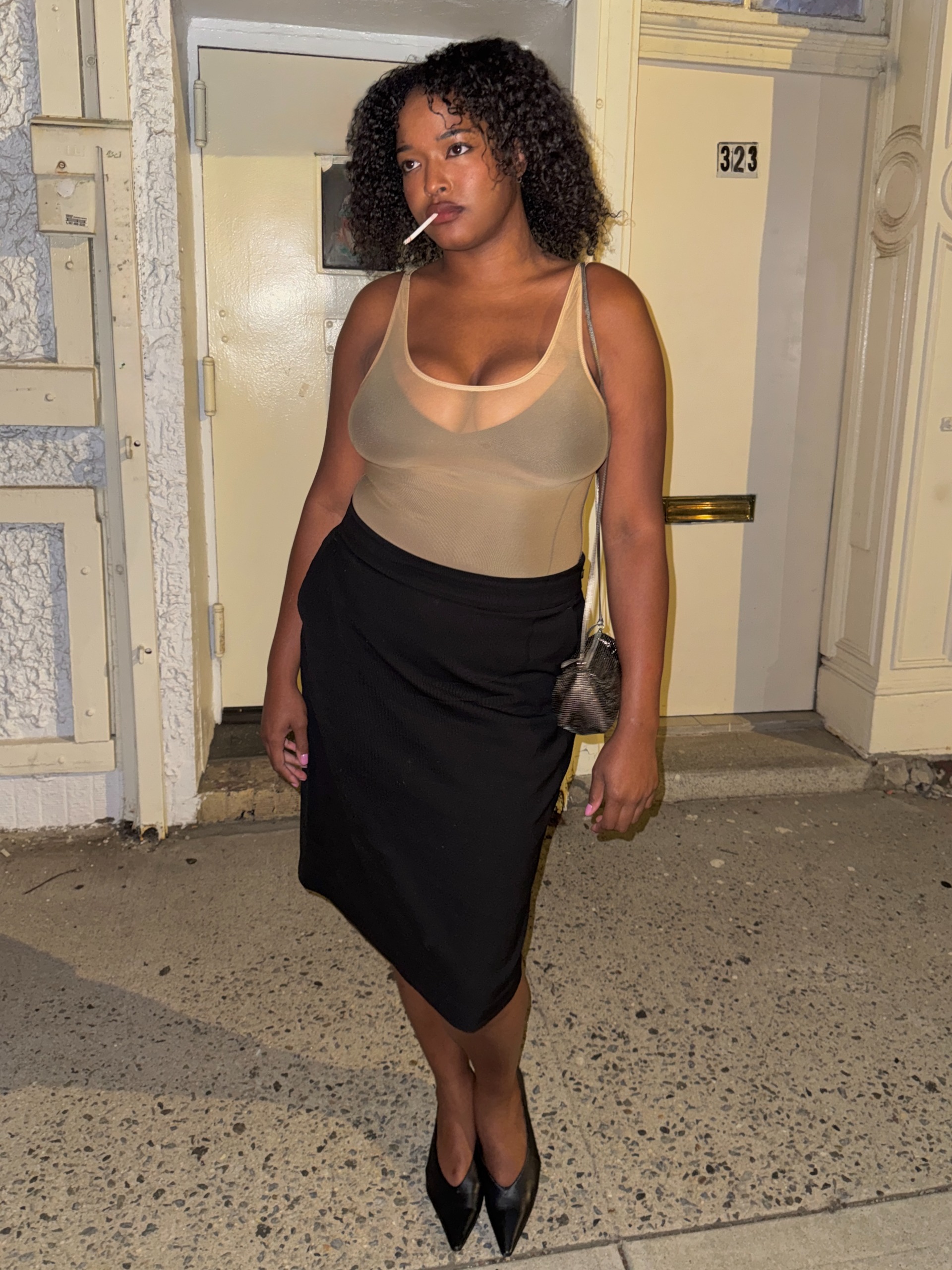
While assembling an auction-worthy archive may be out of reach for the average wardrobe, curating a personal collection that spans multiple decades is entirely attainable. As fashion and culture writer Judith noted on her Substack, contemporary culture has conditioned consumers to endlessly purchase rather than preserve, making personal archives essential for the future of style.
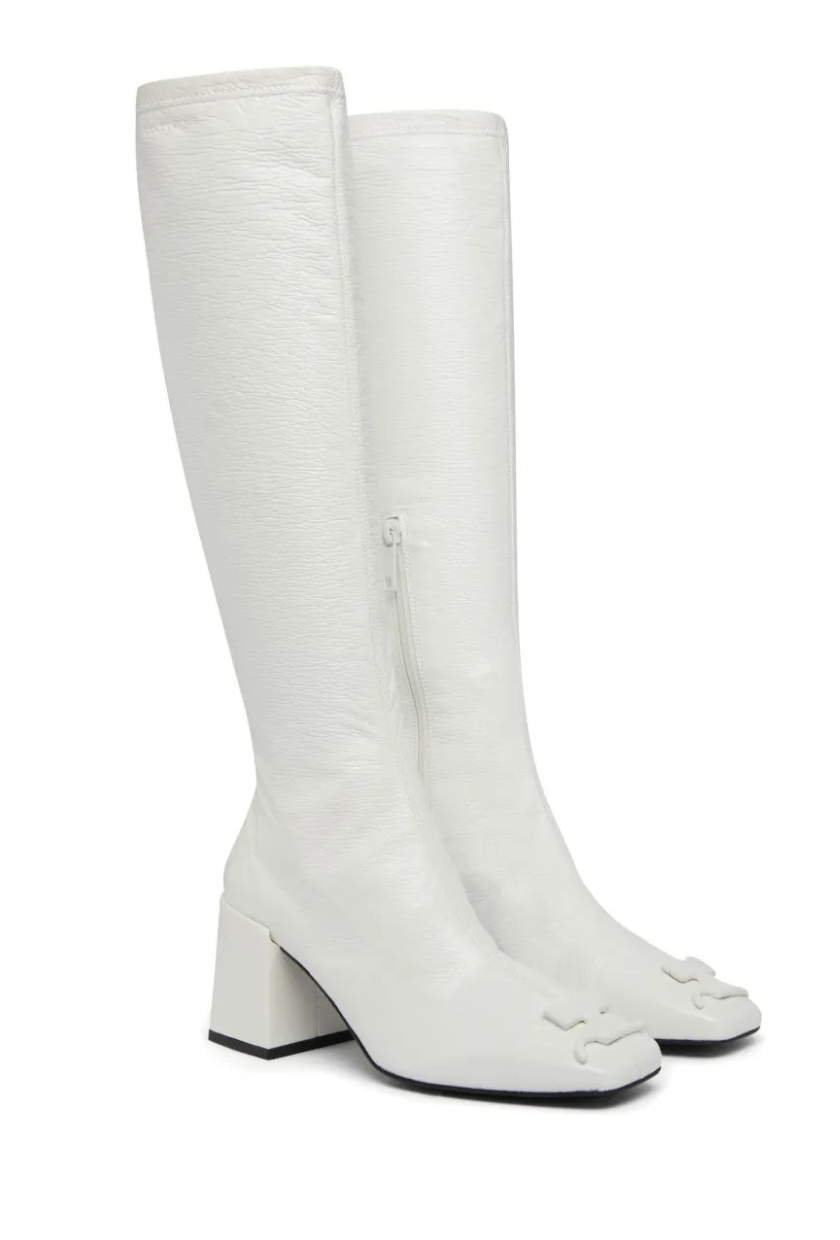
Vintage shopping serves as the natural starting point for this methodology. Clemmie Myers, owner of the London vintage boutique Lime Green Bow, views personal style as a collage of inspirations. "Eras, textures, materials, objects and styles—a look is a mix of many things," she explains. "It’s a collage of ideas and inspirations; a road map back to yourself, your many selves or your ever-evolving self."
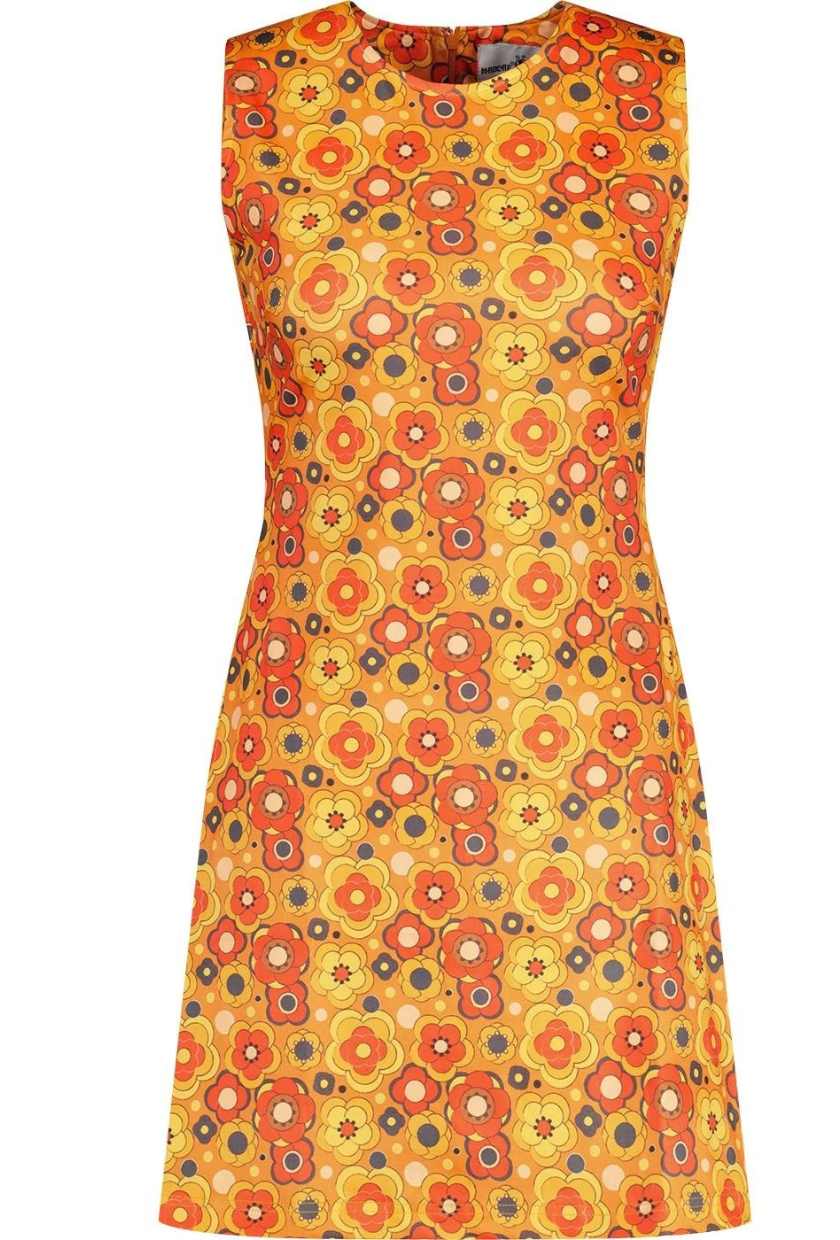
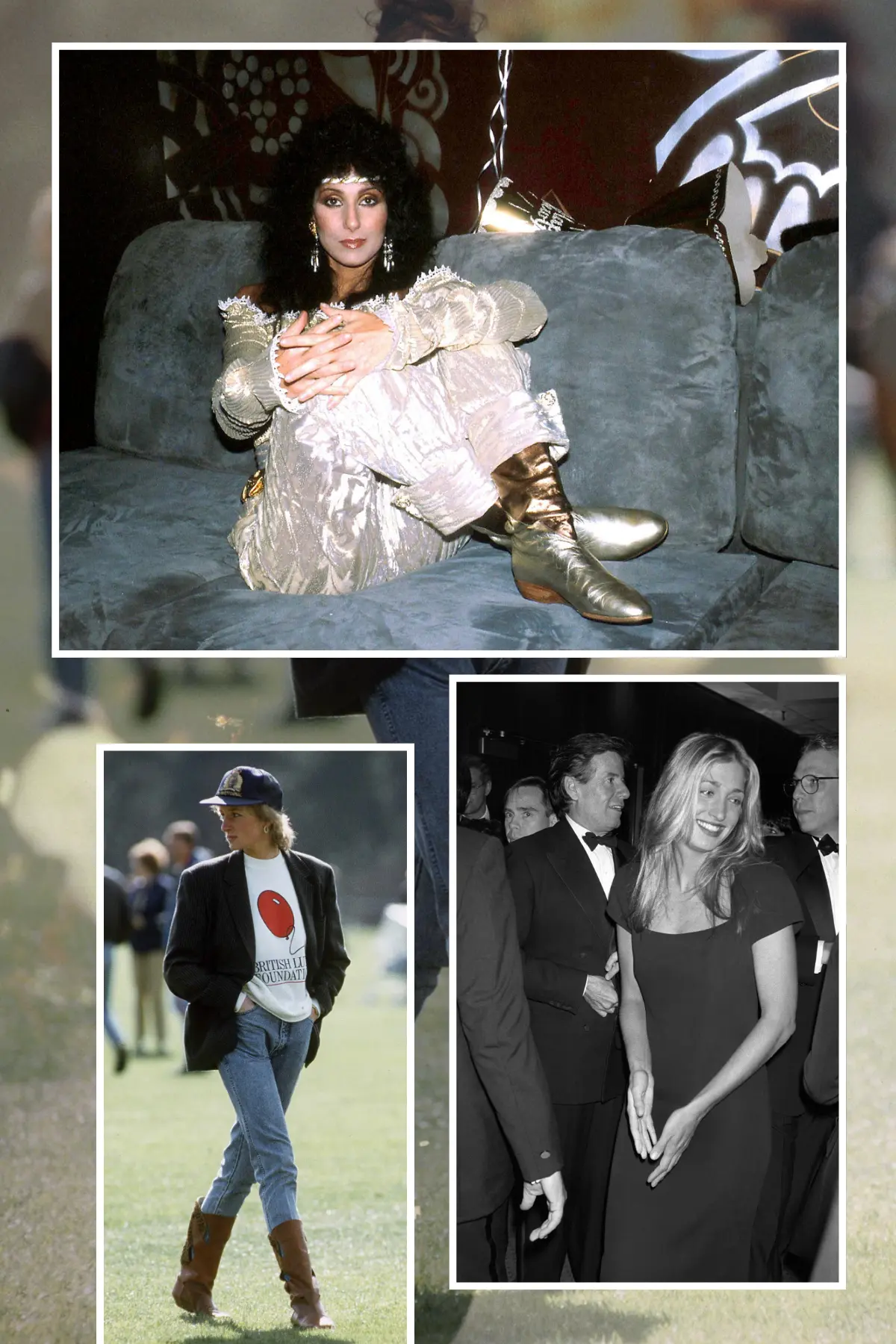
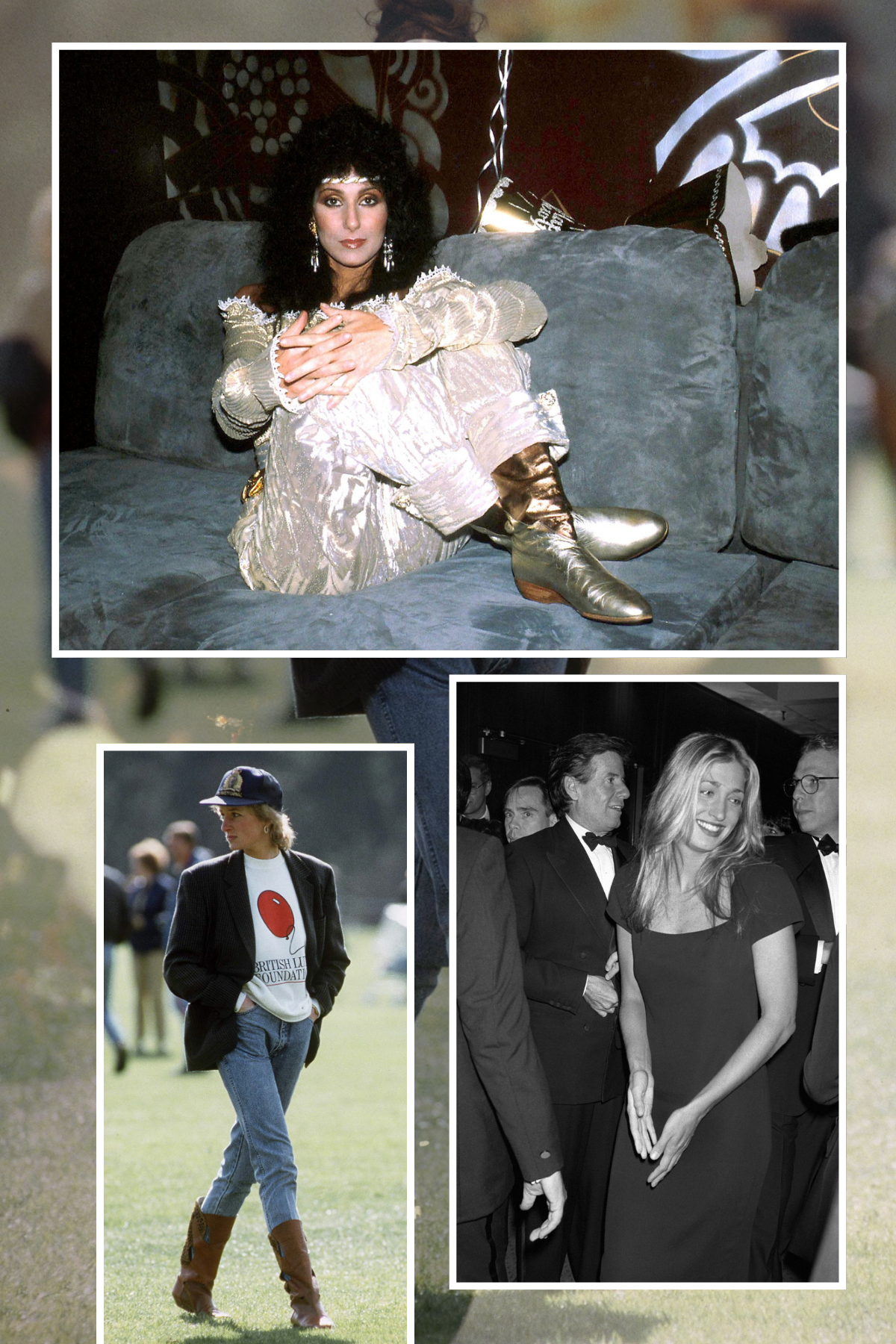
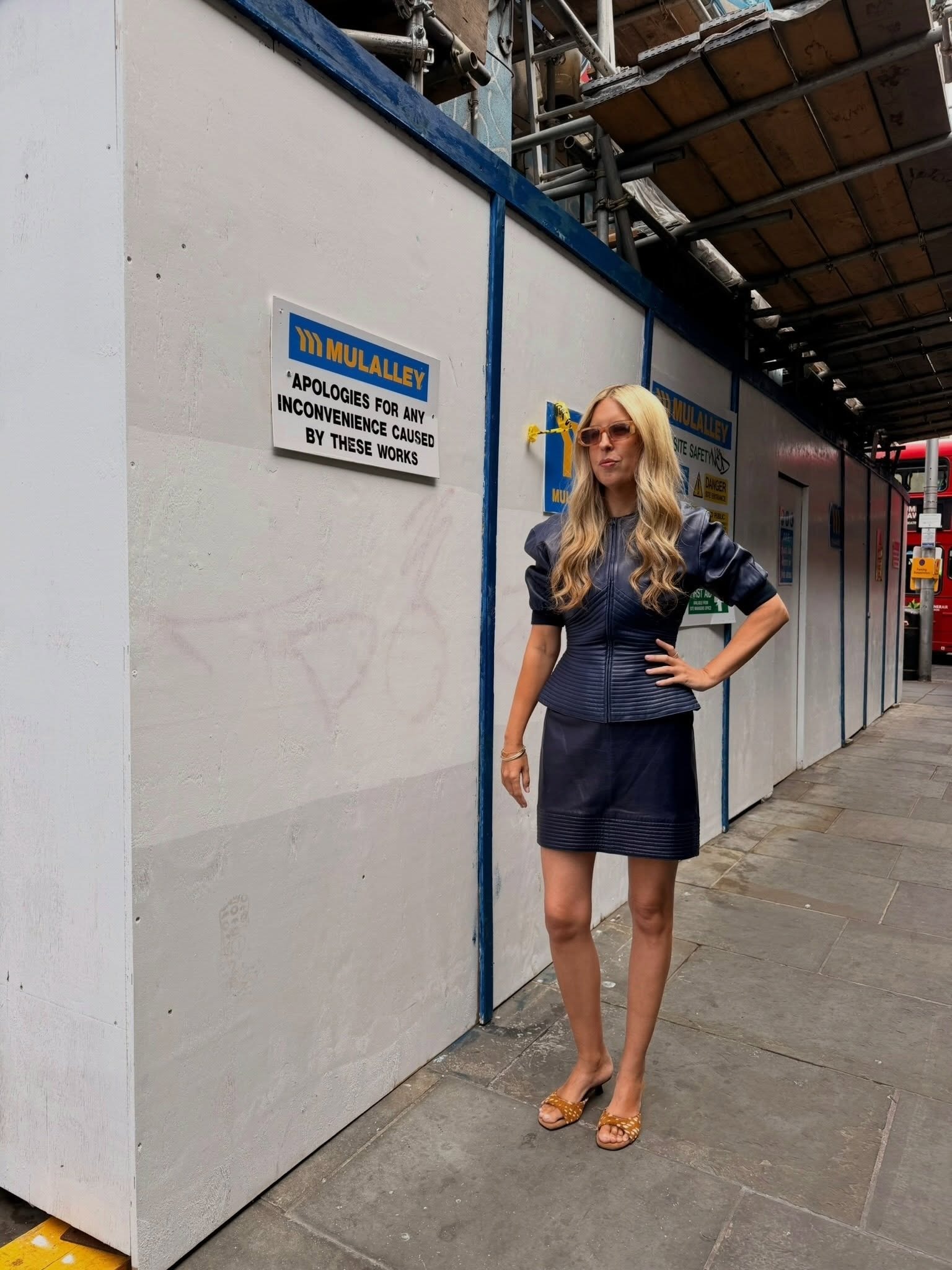
Reflecting on her recent wardrobe choices, Myers shares that she has deeply enjoyed experimenting with 1990s and Y2K pieces—two periods she missed fully experiencing the first time around. By pairing a simple, killer dress with minimal jewelry, alongside present-day accessories and her mother’s vintage Prada sandals, she found a way to bridge nostalgia with personal history. Other compelling combinations include pairing 1980s elements with modern tailoring, mixing antique finds with 1970s silhouettes, styling a punk-inspired piece with a structured jacket, or anchoring a 1990s gothic slip dress with rugged 1980s cowboy boots.
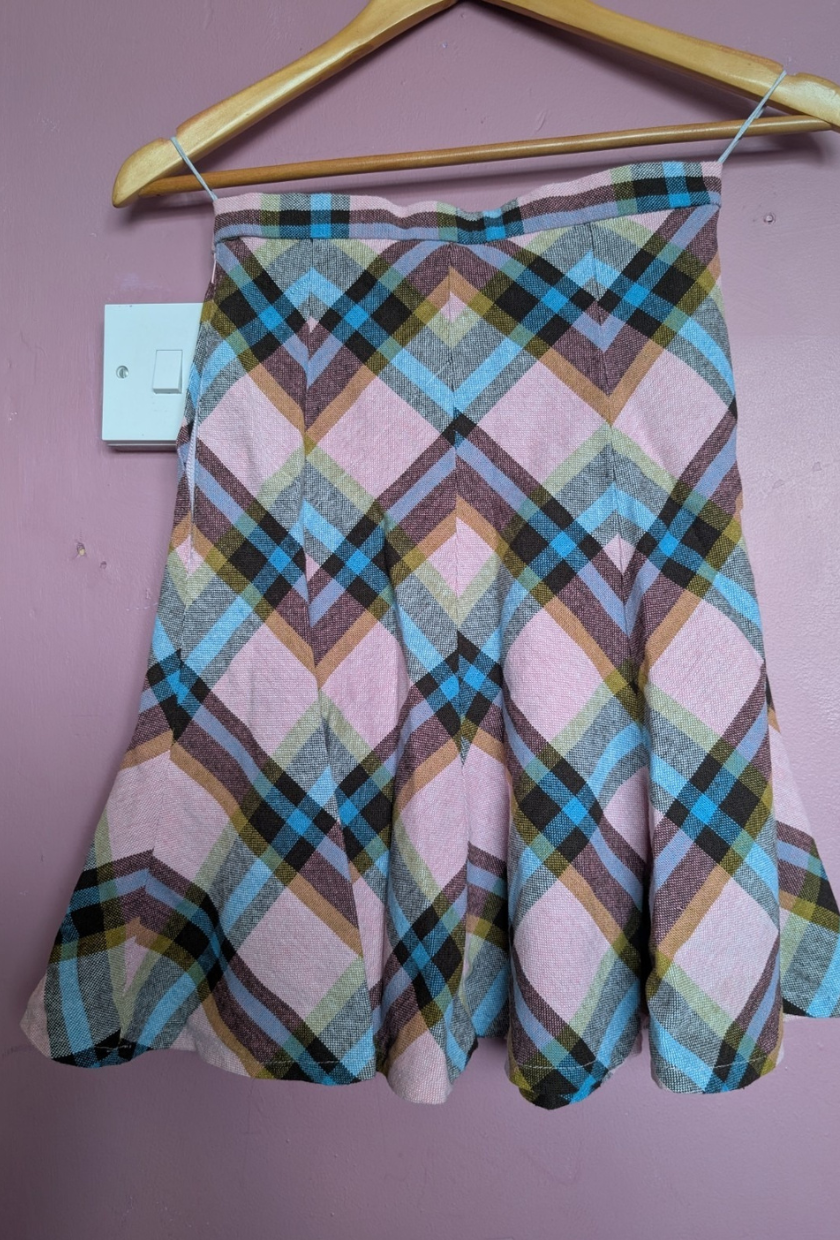
Jenny Walton, a vintage connoisseur and author of Jenny Sais Quoi: Adventures in Vintage & Personal Style, similarly gravitates toward historical periods defined by social liberation. "I like eras that had a spirit of freedom," she notes, highlighting the 1920s and the 1960s for their revolutionary shifts in women’s silhouettes, such as shorter skirts and cropped hair. According to Walton, combining different eras transforms garments into a narrative device. Because each era reflects specific social movements, mixing them creates an imaginary conversation between different points in history. She even suggests exploring gender-fluid styling by pairing traditional menswear proportions from a specific decade with womenswear from the same period.
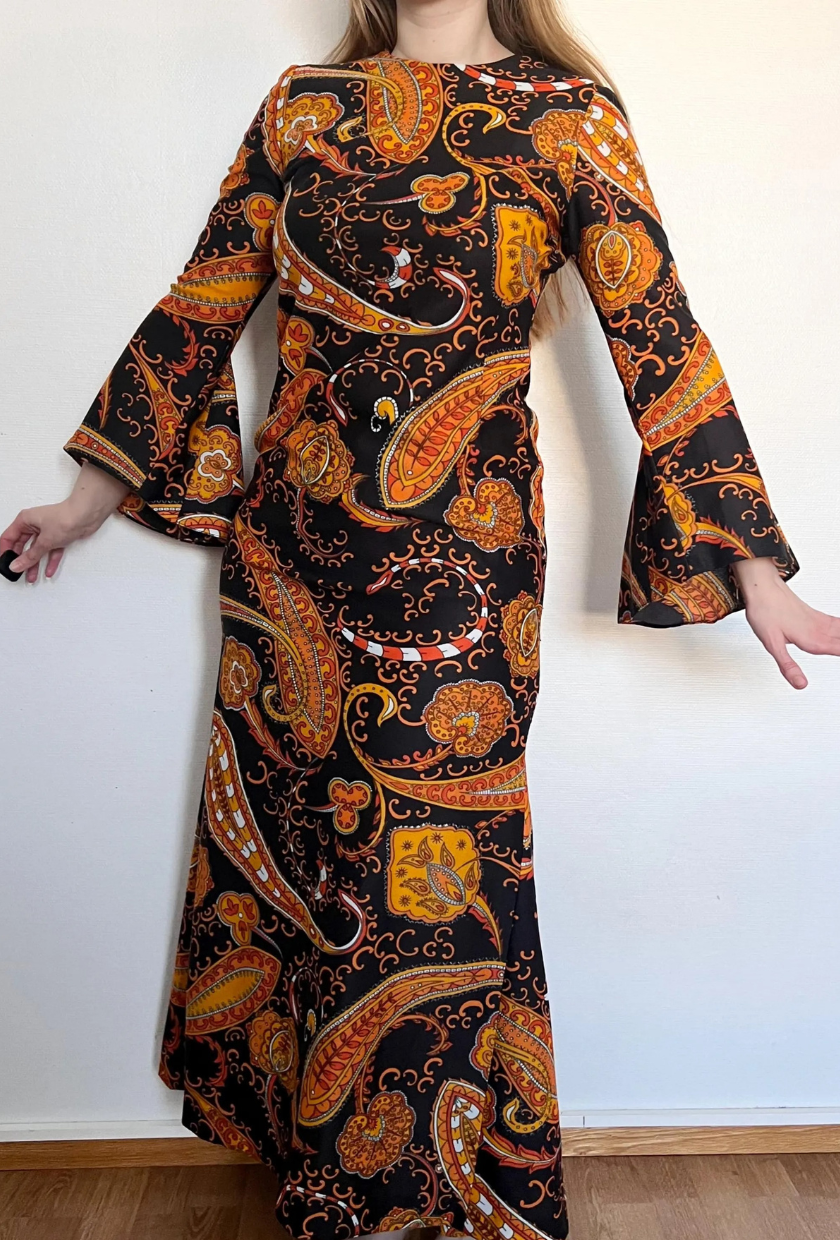
This interplay of time periods is equally evident in period cinema and cultural analysis. Imani Randolph, a writer, brand consultant, and author of the Substack Desire Paths, points to Barbra Streisand’s costumes in Funny Girl as a prime example. While the silhouettes align with the film’s early 20th-century setting, the hair and makeup radiate the brash, modern glamour of the 1960s era in which the movie was actually filmed.
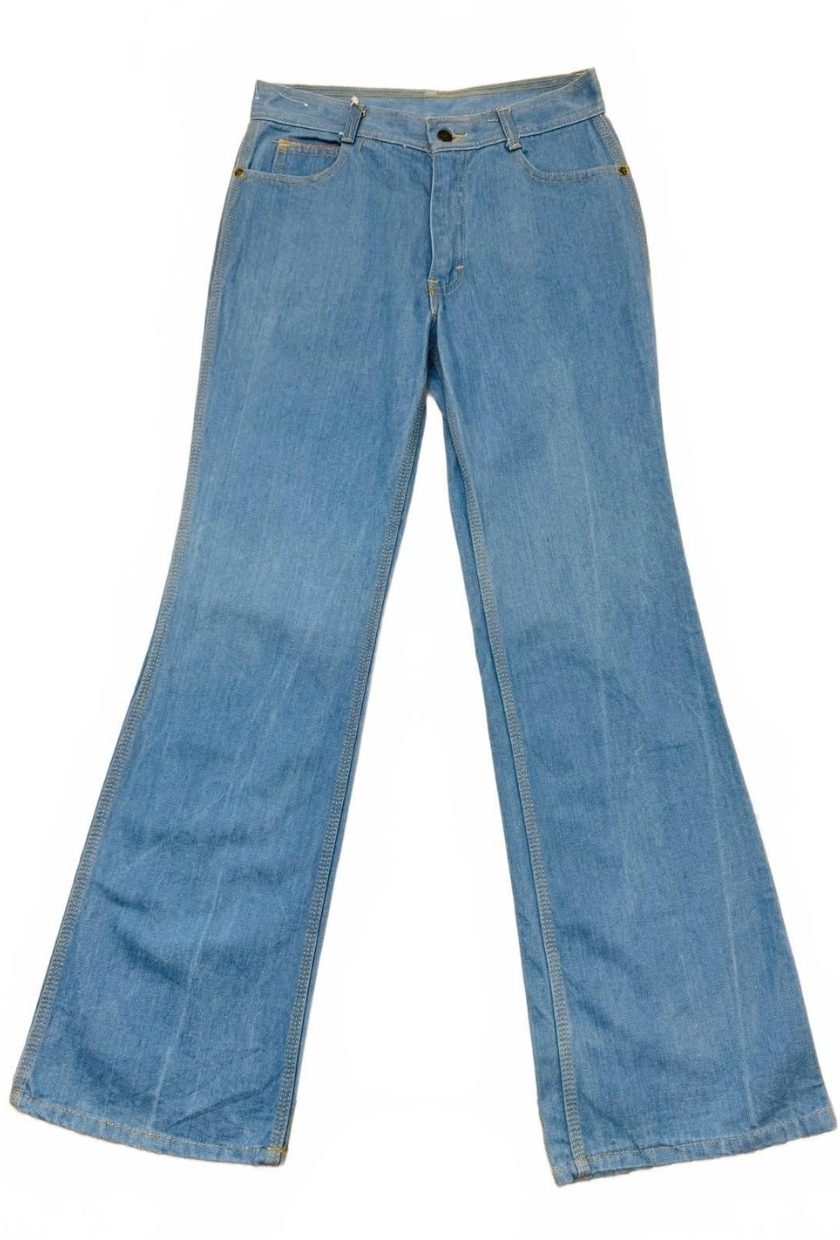
In her own daily wardrobe, Randolph has frequently leaned toward bold 1980s silhouettes, balancing top-heavy proportions with a sleek pencil skirt or a slim-cut jean paired with classic pumps. By maintaining a minimalist approach inspired by 1990s aesthetic restraint—keeping her hair, makeup, and color palette clean and muted—she successfully contrasts two distinct decades. This intentional juxtaposition prevents the look from feeling overly costumey while retaining a distinct attitude.
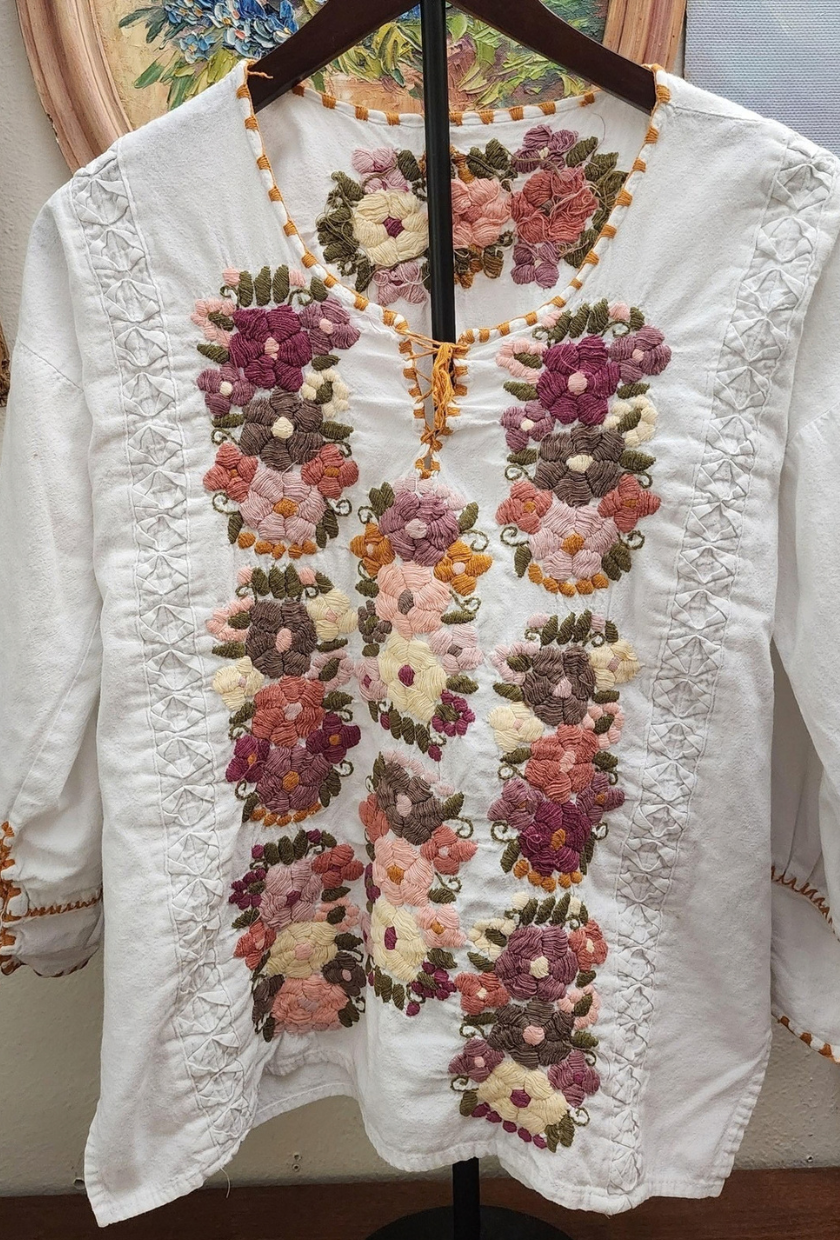
Ultimately, eras dressing represents a shift away from fast-paced micro-trends and toward a thoughtful curation of personal history and design heritage. By treating clothing as an ongoing narrative rather than temporary disposal, fashion enthusiasts are finding new ways to signal intelligence, individuality, and respect for the craft across generations.