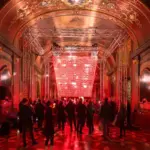




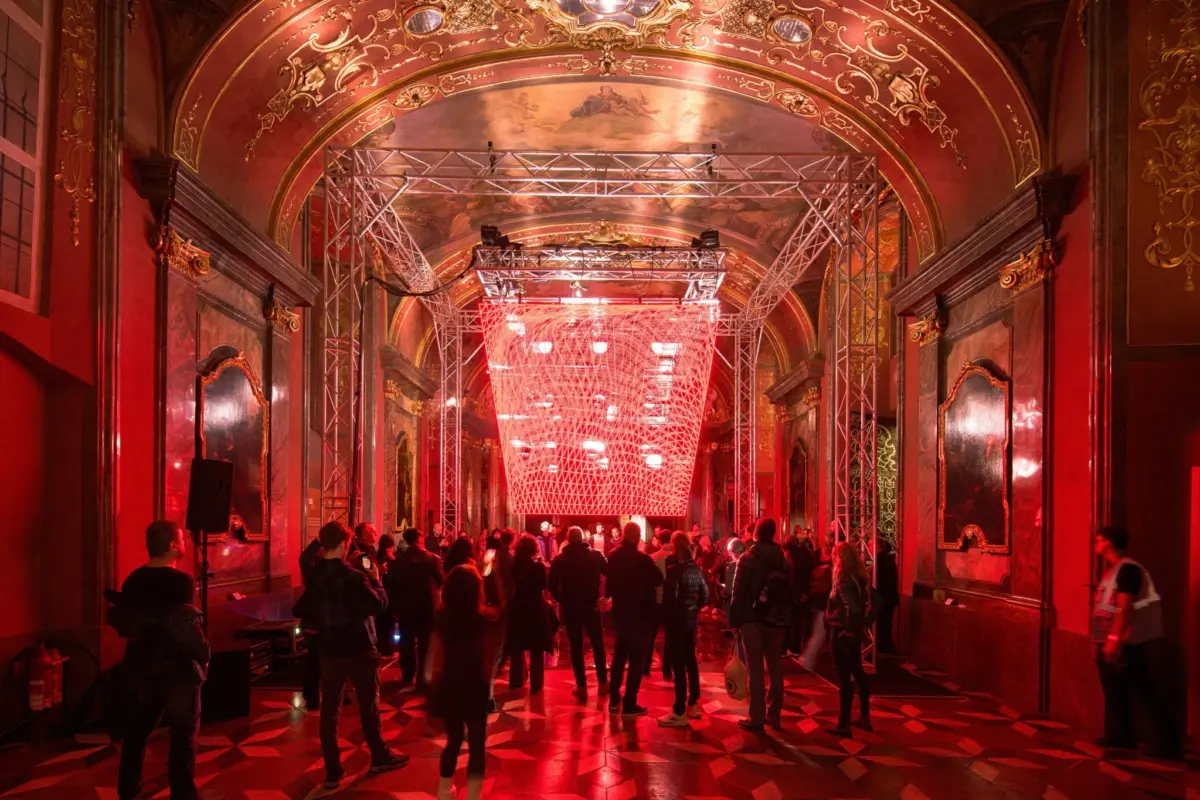
When travelers map out itineraries for Europe’s great historic capitals and cultural hubs, the traditional checklist is reliably predictable: medieval monuments, world-class museums, and celebrated culinary traditions usually occupy the top spots. Yet, an increasingly powerful draw lies in contemporary creative expressions that breathe new life into ancient stone. This vibrant collision of past and present was vividly on display during the annual Signal Festival in Prague, an event that has transformed the historic Czech capital into a sprawling canvas of light, video mapping, and digital art every October since 2013.
During its 14th edition, running from October 15 to 18, the festival blanketed the city with 21 distinct light and audiovisual installations crafted by a roster of talented Czech and international artists. These modern masterpieces temporarily claimed Prague’s historic streets, grand public squares, and architectural facades, offering residents and international visitors a wholly unique perspective on the city’s architectural heritage. Amidst the bustling crowds and glowing monuments, festival director and co-founder Martin Pošta sat down for an extensive conversation regarding the origins, evolution, and cultural footprint of one of Europe’s most celebrated celebrations of digital culture.
From Early Cinematic Aspirations to Digital Discovery
Pošta’s journey into the world of large-scale event production began early. At approximately 14 years old, he started working for the Karlovy Vary International Film Festival in Western Bohemia, an event he describes as the premier A-list film festival of the Czech Republic. That foundational exposure set the course for his professional trajectory. The pull of the industry eventually led him to FAMU, Prague’s prestigious film academy, where he studied alongside his concurrent enrollment at the Prague University of Economics and Business.
Equipped with a robust understanding of both artistic creation and economic organization, Pošta transitioned into producing independent cultural events. The conceptual spark for Signal Festival ignited when a longtime friend pitched him a video mapping project. Pošta’s initial reaction was one of complete bewilderment: "What the bleep is mapping?" he recalls asking. Three years of intensive research, planning, and creative development later, he officially conceived the Signal Festival alongside curator Jan Rolník and artist Amar Mulabegović.
Research and benchmarking played a critical role during the festival’s nascent stages. Recognizing that similar events existed in other parts of the world, Pošta traveled extensively to study their operational models. He analyzed international approaches and adapted those insights to fit the unique architectural and cultural landscape of Prague. According to Pošta, one of the initial hurdles was simply educating the public about the core concept. Communicating what digital and light art entailed and explaining the overarching vision to a city deeply rooted in classical traditions required considerable effort.
When asked about the primary benchmark that inspired those early endeavors, Pošta points immediately to France. "In a sense, it still is: Fête des Lumières in Lyon. We jokingly call it the mother of the festivals," he notes. The roots of the Lyon tradition run exceptionally deep, tracing back to 1852 when the citizens of Lyon spontaneously placed small candles on their windowsills in a communal gesture honoring the Virgin Mary. Today, however, light festivals in Lyon, Prague, and cities around the globe have evolved far beyond the simplicity of candlelight, transforming into massive showcases of cutting-edge technology and fine art.
Scaling Up and Expanding Horizons
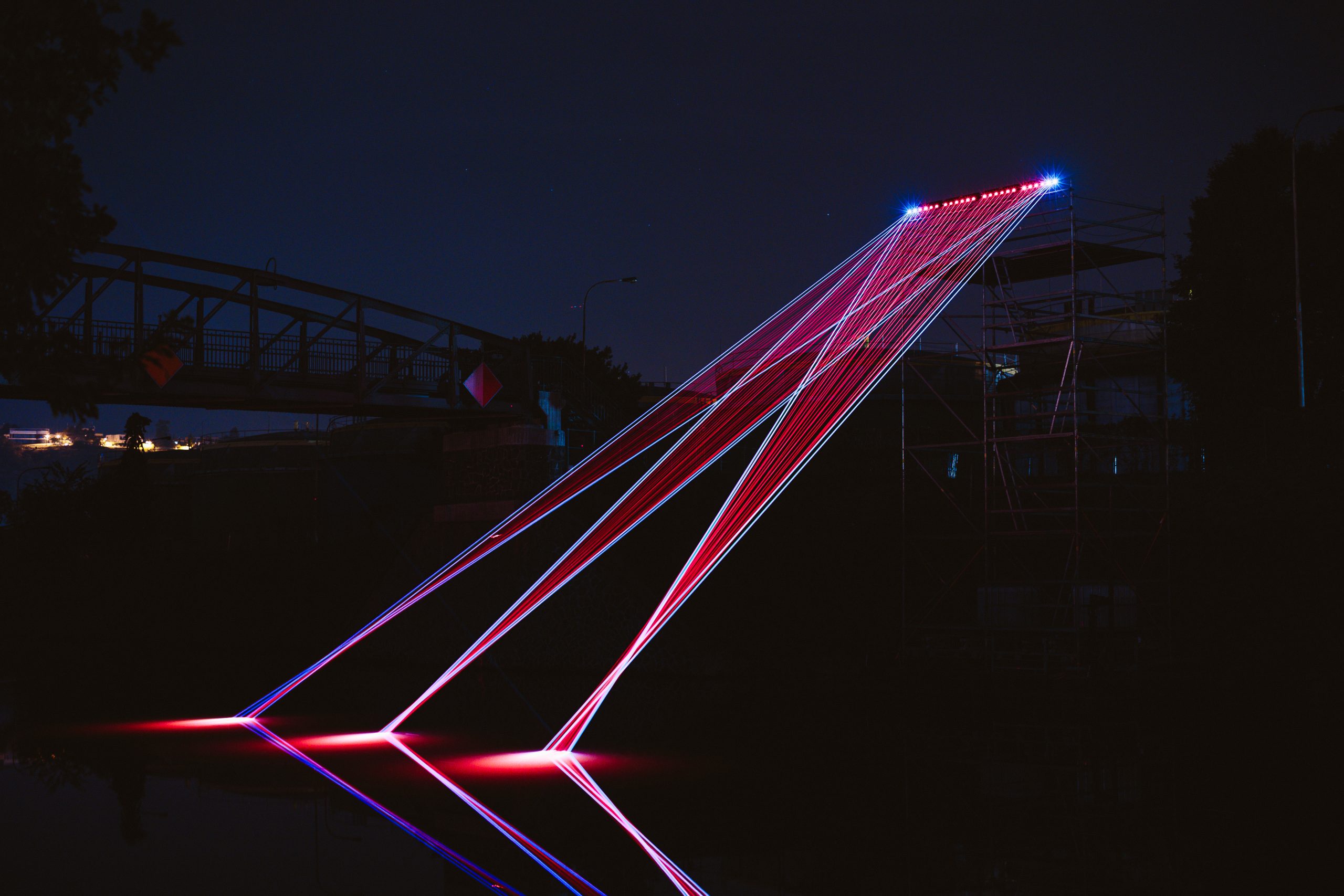
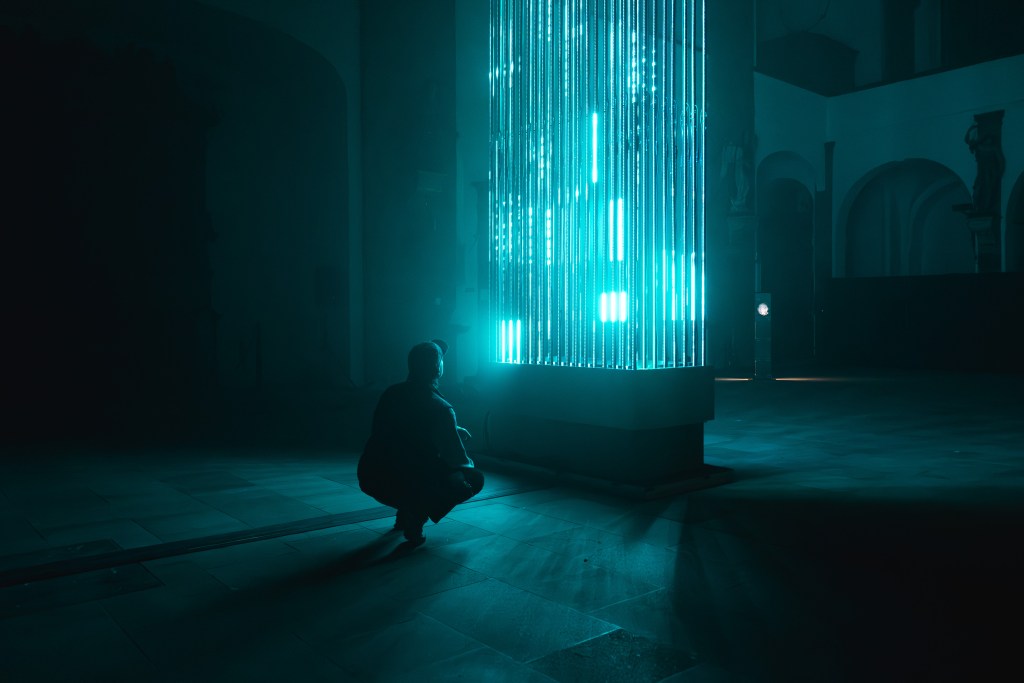
The sheer scale of recent editions underscores just how far the Signal Festival has come since its inception. The 14th edition featured 21 installations divided cleanly between 13 free public displays and eight ticketed works housed within the dedicated Signal INSIDE zone. Recent iterations have consistently drawn approximately 500,000 visitors, cementing the festival’s status as a major fixture on the European cultural calendar.
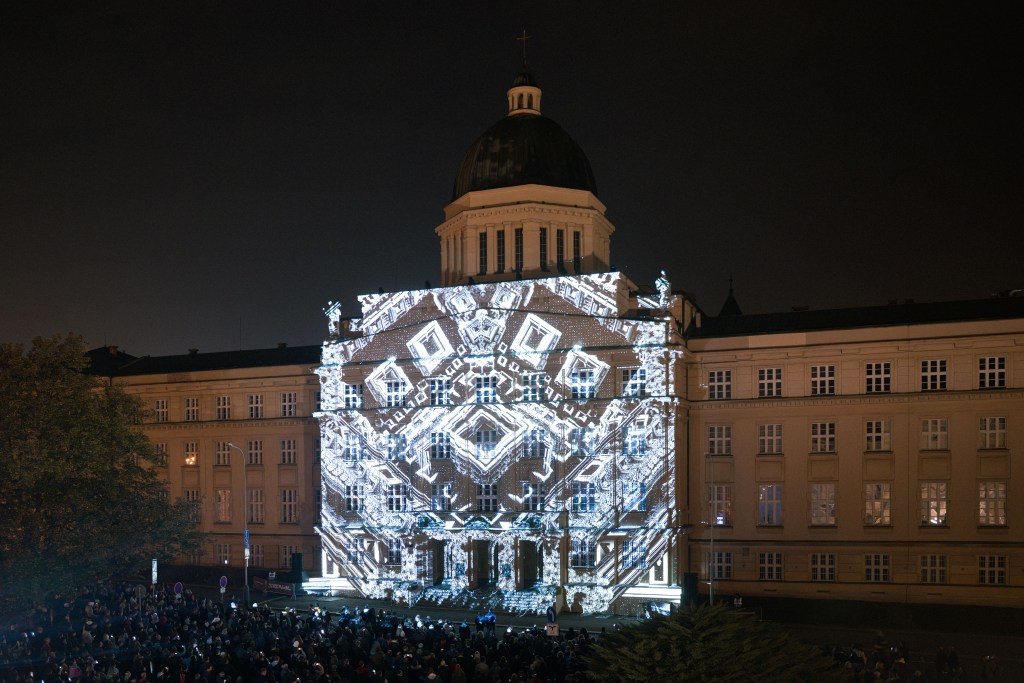
The 2026 edition introduced an innovative new route winding through the Dejvice neighborhood. Along this path, artist Felix Frank presented Missing Interval, a stunning video mapping project that dynamically wrapped the facade of the Archbishop’s Seminary. Furthermore, the festival hosted the third edition of Signal Forum, an accompanying conference dedicated to exploring the broader landscape of digital and creative culture.
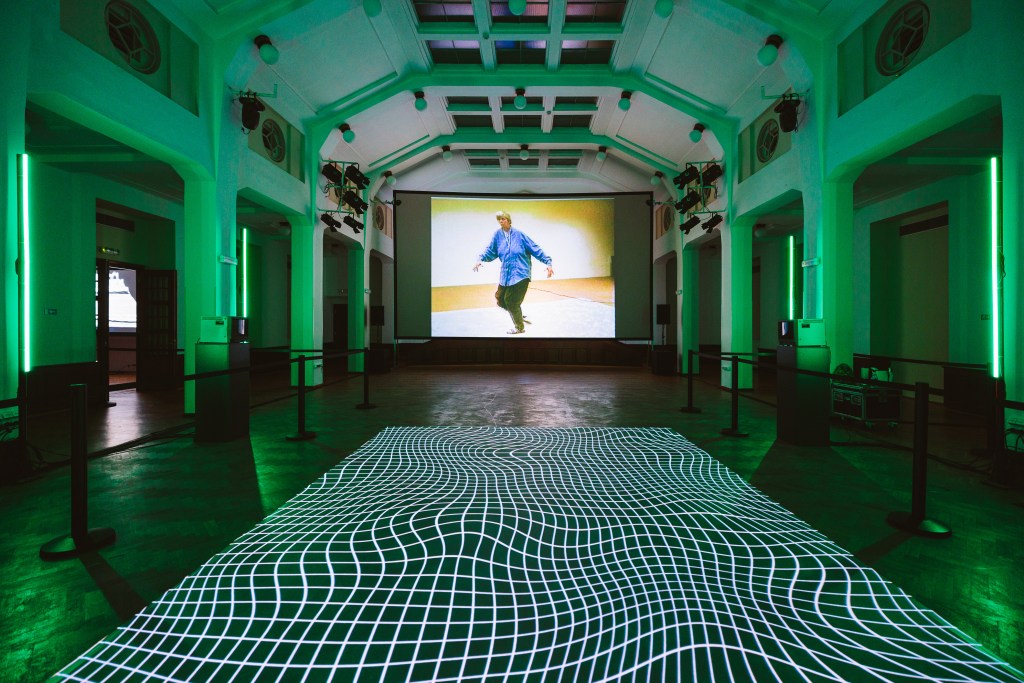
The festival’s growth has also broken the temporal constraints of its traditional four October nights. In the fall of 2025, the organizing team permanently expanded their operations by opening Signal Space, a dedicated permanent gallery for digital and immersive art situated inside Prague’s historic Old Town Market Hall.
The artistic ambition of the event was clearly reflected in its curatorial theme, "Dream On! Dreams and Visions." Curation has undergone a significant transformation since the festival’s early days. Pošta notes that true professional curation began roughly a decade ago, whereas the inaugural edition was essentially a straightforward wish list of artists the founders personally admired. By 2026, the roster featured a formidable lineup of celebrated creators, including Laurie Anderson, Milan Cais, Jim Campbell, Aka Chang, ENCOR Studio, Felix Frank, Kurt Hentschläger, Hsin-Chien Huang, Yiannis Kranidiotis, Laterna magika, Media Tribe, Svitlana Reinish, and Maxim Velčovský.
Navigating Public Reception and Art Criticism
Reflecting on the evolution of public reception over the past fourteen years, Pošta addresses the inevitable critiques that accompany high-profile public art. While the earliest editions were met with universal pleasant surprise, public sentiment shifted as the festival matured. Adopting a characteristically sarcastic tone, Pošta remarks that locals seemed to open art history books overnight and transform into professional critics.
The festival has learned to embrace and playfully counter this wave of public critique. In previous years, the organizing team created official merchandise featuring actual negative comments pulled directly from social media platforms. T-shirts were printed bearing slogans such as "Last year it was better" and "Next time I’m not going." For the 2026 edition, a new favorite emerged from the commentary: "I had no expectations, but I’m still disappointed." By leaning into the humor of public feedback, the festival demonstrates a lighthearted approach to the complexities of staging large-scale public art.
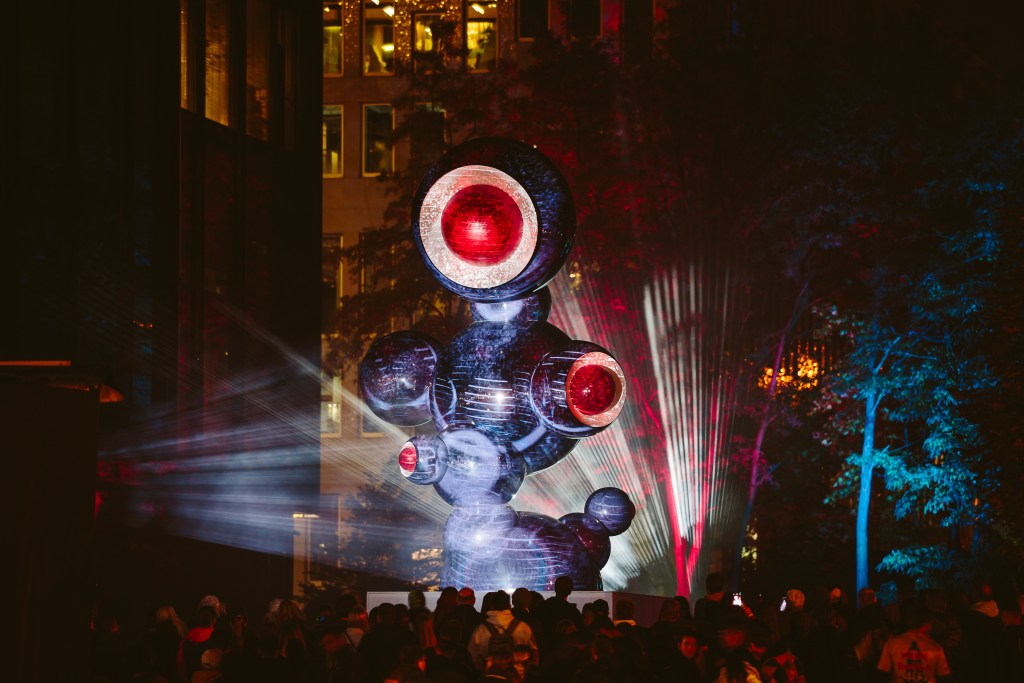
Addressing the perpetual debate over whether light festivals constitute legitimate fine art or merely mass entertainment, Pošta maintains that artistic value remains fundamentally subjective. For him, the core of the work lies in human feeling and perception. While acknowledging that experimental initiatives naturally involve trial and error, he expresses absolute confidence in the quality of the individual pieces presented. He emphasizes the deeply collaborative nature of the medium, noting that the combination of creatives, technologists, coders, programmers, and scientists mirrors a distinctly Renaissance approach to artistic production.
Art, Activism, and the Social Fabric
Many installations featured at the Signal Festival inherently encourage viewers to slow down, pause, and engage in deeper contemplation. Because thoughtful reflection serves as a powerful tool for civic engagement, the question naturally arises as to when an artwork crosses the threshold into activism. Pošta believes that this measure rests ultimately with the individual viewer. While comprehensive background information is provided for every installation, visitors are equally welcome to simply immerse themselves in the visual splendor and raw scale of the light displays.
At the same time, the festival has not shied away from powerful political and social statements when the moment demanded it. In 2022, artist Maxim Velčovský presented an installation titled The Physical Possibility of Death in the Mind of Someone Living, which featured actual civilian vehicles from Ukraine that had been shot through, burned, and destroyed. Placed centrally in a public square with minimal lighting and no musical accompaniment, the simple presentation of the wreckage in the darkness spoke volumes. Pošta recalls the profound reaction of the audience: massive crowds stood in complete, respectful silence, processing the stark reality of the situation without a single word spoken.
While Pošta occasionally jokes that the festival contributes to making the world a better place "homeopathically through art," he is realistic about the limitations of cultural events in the face of broader geopolitical turmoil. Admitting that global conflicts persist despite artistic interventions, he maintains a steadfast belief in the long-term value of culture. History demonstrates that cultured societies tend to be more advanced because they possess the capacity for empathy and deep understanding.
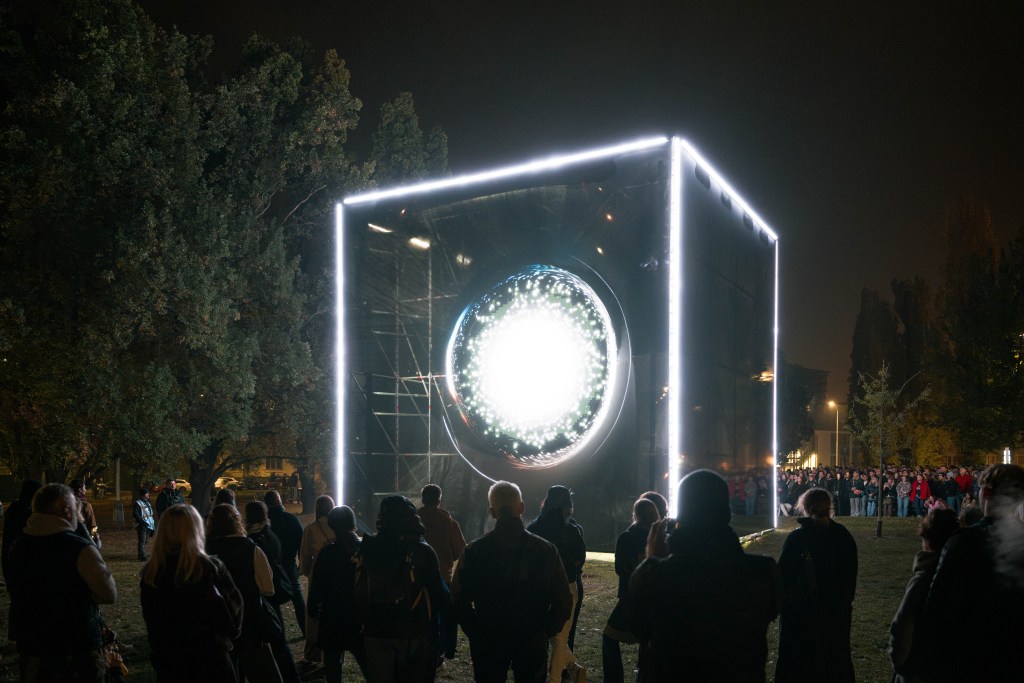
Encouraging people to travel, immerse themselves in diverse cultures, and open their minds allows them to better grasp the complexities of the modern world. When individuals allow themselves to become fully immersed in art, Pošta suggests, their brains function differently, fostering a deeper connection to shared human experiences.
Following the immense success of its latest iteration, the Signal Festival is already preparing its next chapter, scheduled to return to the historic streets of Prague from October 14 to 17, 2027.