





The dynamic evolution of India’s culinary landscape has taken center stage with the release of the official rankings for the Condé Nast Traveler x District Top Restaurant Awards. Now in its seventh edition and powered by Visa, the newly announced list for 2026 captures a compelling balance of continuity and rapid transformation within the country’s vibrant dining and drinking scene.

The prestigious rankings were unveiled during a grand celebration held at The Grand Hyatt in Bambolim, Goa, honoring the exceptional talent of chefs, bartenders, and restaurateurs who are continually redefining how India eats and drinks. As a definitive barometer of gastronomic excellence, this year’s top 50 list reflects significant geographical shifts in the nation’s culinary geography.

For the first time in the history of the awards, Goa has risen to equal footing with Mumbai, with both regions securing 13 restaurants each among the top 50 spots. This milestone underscores the maturation of Goa’s dining scene, proving that it has firmly expanded far beyond its traditional reputation as a mere holiday detour. Following closely behind are Bengaluru with six entries, Chennai and Kolkata with four apiece, and New Delhi with three. Meanwhile, Shillong has doubled its presence with two establishments, while Kasauli, Hyderabad, Jaipur, Gurugram, and Karaikudi each claimed a single spot.

The compilation of this definitive list is the result of a rigorous evaluation process. Condé Nast Traveler curates an extensive initial shortlist of over 1,000 restaurants from across the country, allowing establishments to self-nominate via application forms. A diverse, 105-member jury comprising prominent tastemakers—including food critics, writers, chefs, fashion designers, artists, and curators—then undertakes a private, two-phase voting process. Deloitte Touche Tohmatsu India LLP serves as the process advisors, ensuring rigorous screening for conflicts of interest and maintaining a balanced national perspective through built-in regional diversity.

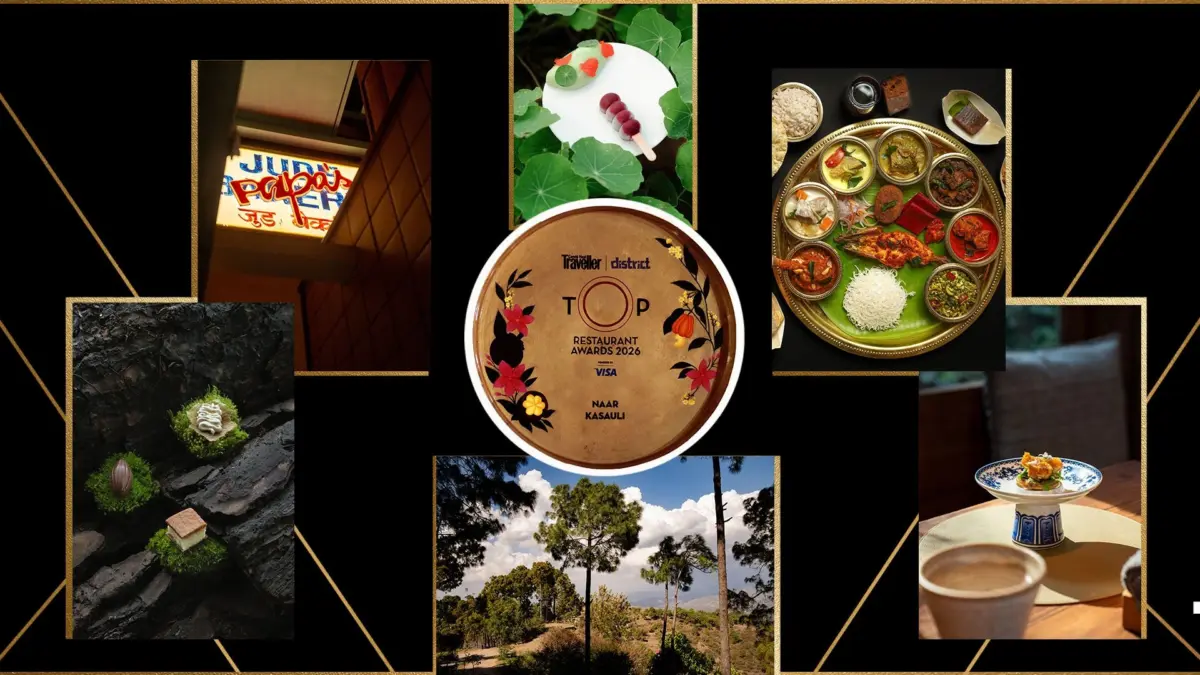
At the pinnacle of this year’s rankings stands NAAR, located on the edge of a cliff near Darwa village in Kasauli, Himachal Pradesh. Founded by Chef Prateek Sadhu, who left the Kashmir Valley as a child in 1990, the restaurant takes its name from the Kashmiri word for fire. Seating just 16 guests in a cluster of wood and slate huts, NAAR operates on six distinct menus that mirror the six seasons of the Himalayas. Prepared by Sadhu and Chef Kamlesh Negi over a juniper-smoked hearth, the dining experience is deeply rooted in the surrounding terrain.

Securing the second spot is Mumbai’s enduring landmark, The Table. Active since 2011, the kitchen is anchored by head chef Louis Gomes, who began his tenure as a line cook over 15 years ago. The establishment successfully bridges classic mainstays, such as the famous SoBo Salad and smoked goose-fat pâté, with daring creations like lamb brain and morel vol-au-vent, following a bold reset led by Chef Will Aghajanian.

Taking third place is Papa’s, also in Mumbai. Perched above a Bandra sandwich shop and seating a mere 12 diners, the venue is helmed by Chef Hussain Shahzad. It offers a playful, rule-breaking 12-course menu featuring inventive items like a Kashmiri Wellington, char siu pork in a modak, and a course incorporating ants, accompanied by an equally creative cocktail program.

In fourth place, FarmLore in Bengaluru sits across 37 acres of mango and coconut groves that supply the majority of its ingredients. Chef Johnson Ebenezer oversees an 18-seat dining room lit by wood stoves, where tasting menus follow the rhythms of the farm’s seasons, incorporating hyper-local elements ranging from charred lettuce with smoked ghee to adventurous dishes utilizing farm-raised fire ants.

Rounding out the top five is Sienna Calcutta in Kolkata. Originating in 2010 as a Shantiniketan pottery store, it has blossomed into a major cultural project celebrating Bengal’s land and people. The café’s menu reinterprets local market ingredients into dishes like bhetki à la Kiev made with radhuni butter, cementing its status as a cornerstone of the city’s modern culinary identity.

Further down the list, establishments like Izumi Assagao in Goa bring meticulous Japanese techniques to an indoor-outdoor setting, while iconic pioneers like New Delhi’s Indian Accent continue to redefine contemporary Indian cuisine from its home at The Lodhi. Regional diversity shines brightly across the remaining rankings, from contemporary Burmese cuisine at Bomras in Goa and sophisticated South Indian tasting menus at Avartana in Chennai, to lively neighborhood favorites and innovative regional bars like Rynsan in Shillong and Nutcase Etc. in Kolkata.

As the culinary community looks ahead, the 2026 rankings demonstrate that India’s food culture is thriving not only in its traditional metropolitan powerhouses but also across emerging culinary destinations driven by local ingredients, heritage preservation, and unbridled creativity.