






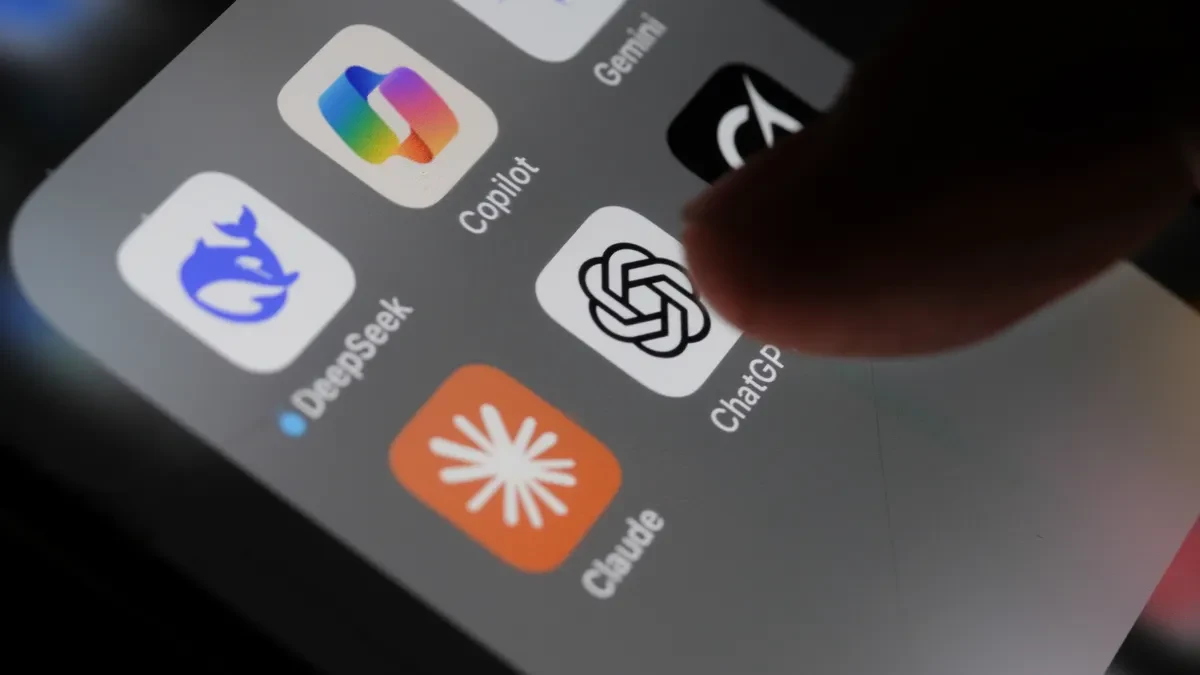
OpenAI is expanding its capabilities to court both shoppers and retailers on its platform, rolling out a new virtual try-on feature that allows users to see how clothing and accessories look on them prior to making a purchase.
Under the newly introduced functionality, a "try on" button will appear directly on product listings for apparel and accessories within ChatGPT. Users can either take a fresh selfie or upload an existing photo of themselves to generate tailored images, bridging the gap between digital discovery and visual confirmation. This latest development marks a significant escalation in OpenAI’s ongoing efforts to transform its conversational AI platform into a comprehensive shopping destination.
The introduction of the try-on tool comes as an increasing number of retailers experiment with ChatGPT and broader artificial intelligence ecosystems to capture consumer attention. The retail industry has seen a rapid wave of AI integration over the past year and a half, with major brands and marketplaces building a direct presence within conversational search environments.
In April, David’s Bridal established a presence on Shopify’s Agentic Storefronts for ChatGPT and Microsoft Copilot, enabling shoppers to effortlessly sift through the retailer’s diverse assortment by silhouette across both AI platforms. The following month, online marketplace Etsy officially debuted its dedicated app on ChatGPT, further opening the door for conversational search and discovery. These milestones follow OpenAI’s launch last year of a dedicated shopping research feature, designed to recommend and compare products seamlessly based on complex user search queries.
With the rollout of the new virtual try-on tool, OpenAI is directly catching up to product visualization features pioneered by tech rival Google. The competitive landscape for AI-driven shopping has intensified dramatically since 2023, when Google debuted its generative artificial intelligence virtual try-on tool, allowing consumers to digitally try on women’s tops. Google subsequently expanded the utility of the feature the following year, extending virtual try-ons to dresses, and further broadened the capability to shoes last year.

The race among major technology companies to incorporate virtual try-on technology is heavily underscored by changing consumer preferences and proven retail metrics. Research indicates that companies across the retail sector are aggressively seeking out immersive digital tools to drive sales and reduce online return rates. Brands that have successfully implemented virtual try-on technology have seen their sales conversion rates more than double, according to a 2024 study by Perfect Corp. Furthermore, consumer sentiment heavily favors these digital innovations, with more than a third of respondents—specifically 38.4%—stating that virtual fitting rooms and try-on capabilities represent the ideal way to recreate traditional physical shopping experiences within an online environment.