






It has been another fast-paced week in the retail sector, delivering more industry developments than there are hours in the day. From major corporate acquisitions and leadership transitions to consistent financial milestones and expanding regulatory crackdowns, the retail landscape continues to evolve at a rapid clip. Below is a comprehensive breakdown of some of the most notable stories you may have missed during the busy week, alongside the key trends and ongoing investigations that industry observers are still thinking about.
What You May Have Missed
Roots CEO Exits Following Go-Private Acquisition
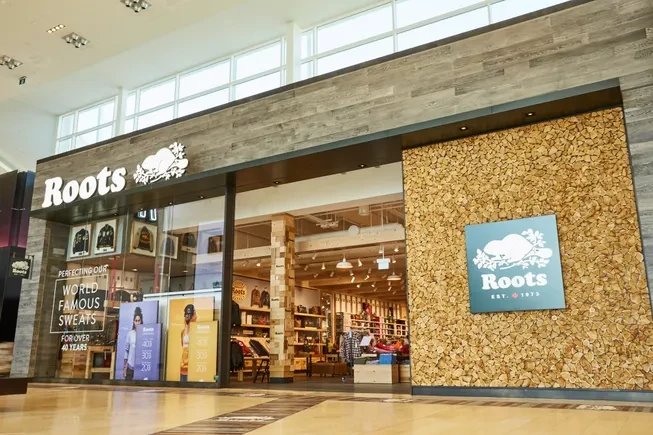
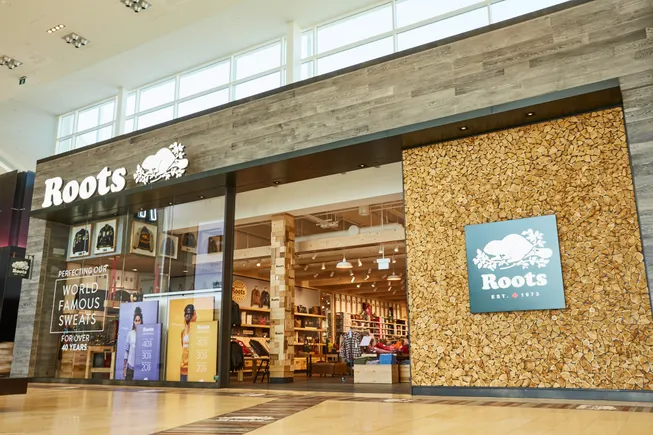
Canadian apparel and lifestyle retailer Roots has officially completed its go-private transaction, marking a major turning point for the brand. The transaction comes several months after the retailer entered into an agreement to be acquired by brand management firm Marquee Brands back in August.
As a direct result of the ownership transition, Meghan Roach has stepped down from her roles as president and chief executive officer of Roots. However, Roach will not sever ties with the company entirely, as she is set to continue on in an advisory capacity to help guide the brand through its next phase. Roach first joined Roots as its interim chief financial officer in 2019 before stepping up to the chief executive position in 2020, steering the company through a turbulent period in the global retail market.
Reflecting on her departure and the completion of the deal, Roach noted in a public statement that the conclusion of the transaction presented the natural juncture for her to step aside. She expressed full confidence in the leadership team’s ability to carry the brand forward and voiced enthusiasm for the company’s future under Marquee Brands.
Brooks Notches 13th Consecutive Quarter of Revenue Growth
Privately held running footwear and apparel brand Brooks delivered positive financial news, announcing that it has achieved its thirteenth consecutive quarter of revenue growth. The impressive streak was bolstered by strong performance in both global performance running and U.S. premium performance running footwear during the third quarter.
Looking at the broader financial picture for the first nine months of the year through September, Brooks reported a 12% increase in total revenue. The growth was broadly distributed across all major geographic regions, highlighting the brand’s international appeal. Specifically, the company posted a 9% increase in both the Americas and the Asia-Pacific region, alongside a remarkable 24% surge in Europe, the Middle East, and Africa. Categorically, footwear sales increased by 11%, while the apparel segment outpaced it with an 18% growth rate. Furthermore, the company maintained its position as the number one market share leader within specialty retail footwear for the third quarter.
Dan Sheridan, CEO of Brooks Running, emphasized the brand’s global expansion strategy in a statement, noting that the team is constantly pushing the boundaries of what is possible in product design, consumer experiences, and shared ambitions with runners. He credited the consistent results through the first three quarters of the year to the persistent momentum of that mindset and the dedication of teams worldwide.
Retail Therapy
Fancy Feast Lets the Cat Out of the Bag with Designer Collaboration
Some brand collaborations feel unexpected, while others immediately make complete sense. The introduction of "The Little Gem"—a tiny, limited-edition micro-bag inspired by Fancy Feast’s iconic white cat—firmly falls into the latter category. Designed by accessories designer Susan Alexandra and popularized by television personality and dedicated cat lover Paige DeSorbo, the collaboration bridges luxury novelty accessories with pet culture.
Susan Alexandra has a well-established history of designing cat-themed bags, including a popular pink beaded accessory appropriately dubbed the "Meow Meow" bag. Meanwhile, DeSorbo is well-known among her fan base for her affection for her own white cat named Daphne.
Despite the playful nature of the partnership, these micro-bags are designed to be genuine collector’s items and are exceptionally rare. Fancy Feast produced only 25 of the handmade bags, with each piece individually crafted and hand-embroidered with intricate beadwork. To give fans an opportunity to secure one of the exclusive items, a special sweepstakes launched on Wednesday, offering participants a chance to get their paws on the coveted accessory.
What We’re Still Thinking About
17% Compound Annual Growth
That figure represents the upper end of the ambitious compound annual growth rate projected by Aritzia for its upcoming five-year business cycle. The fashion retailer expects to generate at least $6.8 billion in revenue by 2032, a target that would more than double its most recent annual revenue figures.
To achieve this scale, Aritzia has mapped out a multi-pronged expansion strategy. Over the five-year period, the company plans to open between 12 and 14 new stores annually, while simultaneously repositioning five to seven existing stores each year to optimize its retail footprint. Beyond physical store expansion, the brand is heavily leaning into product diversification. This includes a major revamp of its denim line slated for next year, alongside exploratory steps into adjacent categories such as handbags and beauty products.
What We’re Watching
The FTC’s Escalating Battle on Pricing Strategies
The Federal Trade Commission made its regulatory priorities abundantly clear, signaling a sharp turn toward how retailers establish, communicate, and manage their pricing strategies.
The agency kicked off the week by taking direct aim at Dollar General, joining forces with 20 state attorneys general to sue the rural retail giant over alleged deceptive pricing practices. The FTC’s official complaint highlighted widespread consumer complaints regarding instances where prices at the register were higher than those displayed on shelf tags, backed by details from an undercover investigation conducted by federal officials. In response, Dollar General stated that while the company strives for complete pricing accuracy, occasional price discrepancies can unfortunately occur during store operations.
Regulatory pressure intensified further when the FTC announced that it had issued formal orders to nine major companies, including retail heavyweights Walmart and Target. The agency required these corporations to supply detailed information and internal documentation to help federal regulators assess whether pricing for products, services, food deliveries, and other offerings varies from one consumer to another based on advanced personal data analysis, artificial intelligence, and algorithmic profiling.
This heightened scrutiny from federal regulators arrives at a critical juncture, compounding the pressure as both retail operators and everyday consumers navigate economic uncertainties heading into the crucial holiday shopping season.