





TikTok has quietly taken a major step forward in its aggressive e-commerce expansion by launching a stand-alone TikTok Shop application in select international markets. First brought to light by prominent social media consultant Matt Navarra, the dedicated shopping app has appeared on both iOS and Android platforms in Singapore, Malaysia, Thailand, and the Philippines. This strategic move signals a profound shift for the entertainment-driven social media giant, moving beyond in-app tabs to establish a standalone digital marketplace capable of going toe-to-toe with traditional e-commerce giants.
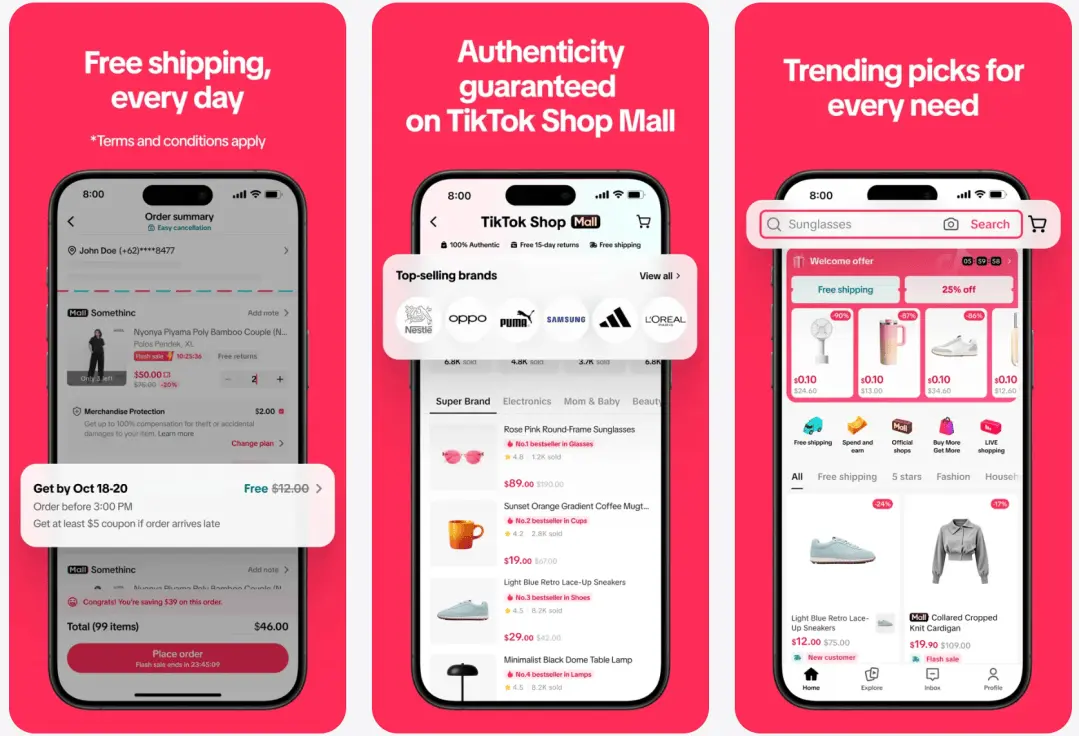
The newly introduced application is designed to function as an all-in-one shopping destination, offering users personalized product recommendations, seamless in-app checkout mechanisms, comprehensive order tracking, and integrated customer support services. Furthermore, the platform integrates core features that made social commerce successful on the main app, including the ability for consumers to browse and purchase items directly through immersive livestreams and short-form video content.
By pulling the shopping experience out of the main social media feed and housing it within its own dedicated application, TikTok is providing the service with a distinct identity and operational runway. Industry analysts note that this separation allows TikTok Shop to capture a different segment of online shoppers—those who may be looking strictly for retail therapy rather than social entertainment—while simultaneously positioning the platform to compete more directly with established heavyweights in the global digital retail space, such as Amazon and Temu.
Despite the significance of the international rollout, TikTok has maintained a measured public posture, declining to respond to media requests for comment regarding the strategic release and its broader future implications. At present, company executives have not disclosed whether there are concrete plans to expand the availability of the stand-alone application to additional Western markets, most notably the United States.
If TikTok ultimately decides to introduce the stand-alone shopping app to the U.S. market, it would enter a fiercely contested retail arena. Beyond squaring off against international discount powerhouses like Temu and tech titan Amazon, the platform would also face formidable competition from traditional big-box brick-and-mortar retailers such as Walmart and Target. Over recent years, these traditional retail giants have cultivated massive, highly loyal customer bases that have grown thoroughly accustomed to routinely browsing, purchasing, and managing orders directly through dedicated store applications.
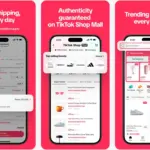
To entice consumers away from these entrenched competitors and incentivize adoption, the new TikTok Shop app is leveraging a series of aggressive promotional offerings. According to official app store descriptions, new users gain access to attractive incentives such as free shipping promotions and exclusive first-order benefits. Additionally, the platform emphasizes secure payment infrastructures designed to ensure safe checkouts. By curating app-exclusive deals and discounts, the company is actively encouraging its user base to migrate their shopping habits over to the dedicated marketplace rather than relying exclusively on the shopping features embedded within the primary social media application.
This aggressive pivot into standalone e-commerce creates an intriguing full-circle moment in the modern history of tech industry rivalries, particularly concerning the tactical chess match between TikTok and Amazon. A few years prior, Amazon made its own counter-offensive move into the social video space by introducing "Inspire," a dedicated short-form shopping feed supporting both photos and videos. That feature was explicitly designed to capture consumer attention, keep users engaged within Amazon’s ecosystem, and draw eyeballs away from entertainment-first apps like TikTok. Now, TikTok is executing a nearly identical playbook in reverse. By launching a dedicated commerce application, TikTok is actively attempting to pull digital consumers out of traditional retail ecosystems like Amazon and funnel those high-intent shopping habits directly into its own proprietary digital economy.
The debut of the stand-alone shopping application marks merely the latest chapter in TikTok’s broader, multi-year strategy to branch out far beyond its original identity as a social media and entertainment network. While the company initially achieved global cultural phenomenon status through short-form video sharing and viral dance trends, it has steadily and systematically ventured into a wide variety of new digital verticals and service industries over the past several years.
This quiet diversification has transformed the platform’s digital footprint considerably. In addition to building out a robust global e-commerce infrastructure through TikTok Shop, the company has integrated digital gaming hubs, local restaurant guides, dedicated sports content sections, hotel booking integrations, and serialized microdramas into its core software offerings. Furthermore, industry reports indicate that the company continues to explore proprietary digital payment systems to further solidify its growing financial infrastructure.
As TikTok continues to scale these various non-social initiatives, the introduction of a dedicated shopping app represents a foundational pillar of its broader super-app ambitions. Whether this regional testbed in Southeast Asia will eventually serve as the blueprint for a worldwide retail rollout remains one of the tech industry’s most closely watched questions, setting the stage for an intense new phase of competition in global social commerce.