





In the world of fashion, history, and decorative arts, the terminology surrounding personal adornment carries deep cultural significance. Among the most evocative of these terms is accessoires—the French designation for items that individuals wear or carry to serve a distinct, practical purpose. While contemporary parlance often broadens this category to encompass virtually any supplemental fashion item, a historical examination reveals a fascinating lineage of functional craftsmanship, intricate utility, and social status.
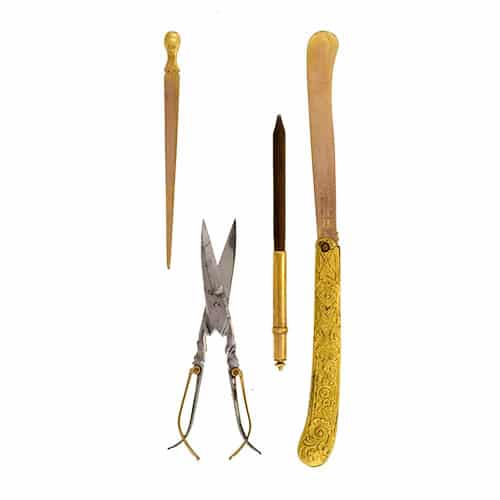
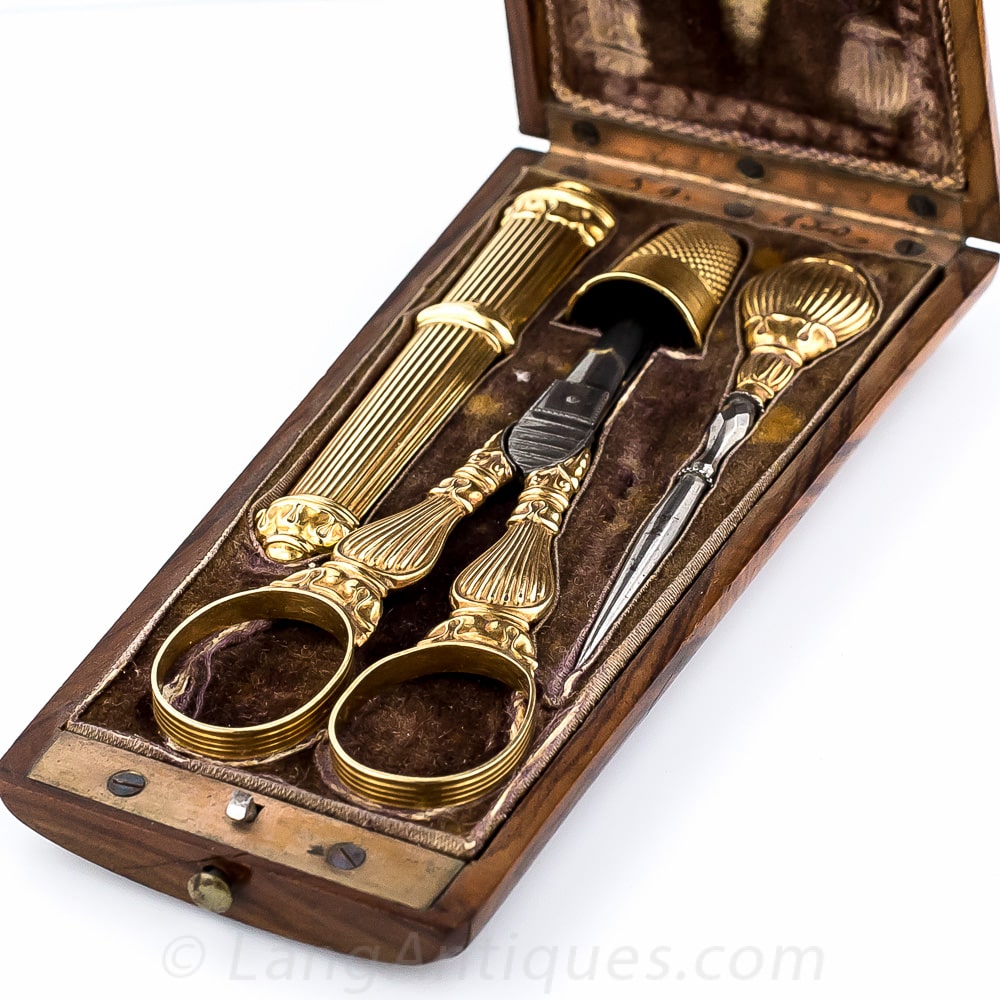
Historically, these indispensable items were not merely decorative flourishes; they were utilitarian utensils or nécessaires designed for daily practicality. In eras past, these functional tools were frequently suspended from a chatelaine—a decorative belt hook or clasp worn at the waist—or attached to a watch chain. Safely housed within an étui, a small ornamental case, these objects formed an essential part of a well-appointed wardrobe.

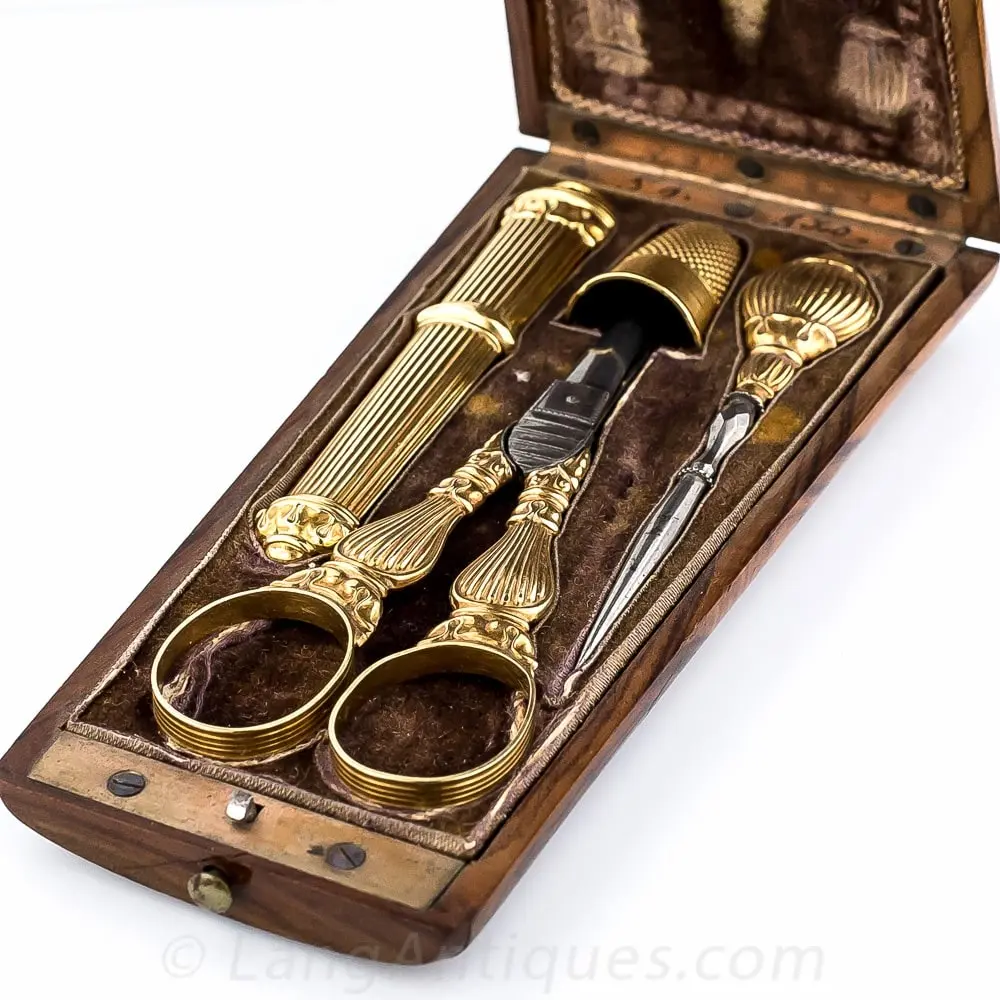
The contents of a historical étui or chatelaine attachment offer a captivating window into the daily lives and social expectations of previous centuries. A typical ensemble might include specialized sewing gear such as miniature scissors, bodkins, and needles, alongside small writing implements, pocket knives, tweezers, and even toothpicks. Alongside the ubiquitous étui, other common sights suspended from chatelaines included pomanders—small perforated containers used to hold aromatic substances to mask unpleasant odors—and miniature containers for personal provisions. These accessories represented a portable toolkit, allowing individuals to manage minor wardrobe malfunctions, write notes, or maintain personal grooming while away from home.
As fashion, societal roles, and technology evolved over the centuries, the definition and physical manifestation of the accessoire shifted accordingly. More contemporary iterations of these functional objects reflect the changing habits of modern society, transitioning from mechanical tools and sewing kits to items centered around personal care, cosmetics, and modern social rituals. Today, a representative list of functional personal accessories might include a decorative powder compact, a sleek lipstick case, a sophisticated cigarette case, or a minaudière—a small, rigid evening handbag often adorned with jewels or precious metals that functions as both a purse and a compact vanity case.

Beyond these pocket-sized utilities, the broader category of accessories has long included foundational elements designed to complete an entire ensemble. Items such as belts, handbags, and various secondary garments and adornments share a linguistic and conceptual heritage with their smaller, utilitarian ancestors. Whether suspended from a lavish Victorian chatelaine or tucked into a modern evening bag, these items bridge the gap between utility and high fashion, serving as testaments to the enduring human desire to keep practical tools close at hand while maintaining an impeccable aesthetic presentation.

For historians, curators, and antique enthusiasts, exploring the evolution of these personal items provides crucial context for understanding material culture across different periods. Collections housed in prestigious institutions, such as the Victoria and Albert Museum, preserve exquisite examples of eighteenth-century equipages, gold-fitted sewing kits, and intricately crafted chatelaines. These artifacts demonstrate not only the high level of artistry achieved by period jewelers and metalsmiths, but also the meticulous organization required of individuals navigating the formal social structures of the past.

Ultimately, the enduring appeal of the accessoire lies in its dual nature. By successfully marrying form and function, these objects transformed mundane daily tasks into opportunities for artistic expression and personal branding. From the pocket-sized étui of the Georgian era to the glamorous cigarette cases and compacts of the Art Deco period, personal accessories continue to reflect the practical needs, aesthetic values, and cultural shifts of the societies that produced them.