





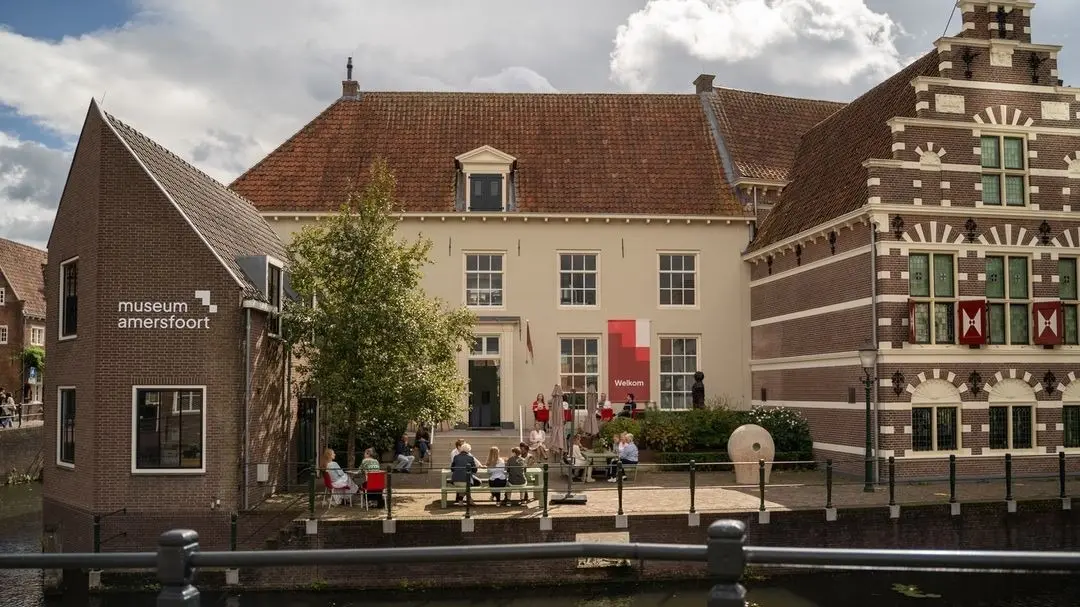
AMERSFOORT — Amersfoort Mayor Lucas Bolsius has intervened to rescue a high-profile local exhibition celebrating centuries of Jewish heritage, after the museum originally scheduled to host the event abruptly cancelled it amid heightened geopolitical tensions and security concerns. Following urgent discussions between city officials, museum leadership, and representatives of the local Jewish community, all parties have agreed to collaborate on finding a viable path forward to stage the exhibition.
The exhibition, titled “300 Years Amersfoort Shul,” has been years in the making and was designed to mark a monumental milestone for the local Jewish population. Its last-minute cancellation earlier this week sent shockwaves through the region, sparking intense criticism from community leaders and raising broader questions about how cultural institutions handle public safety and social pressures amid international conflicts.
The sudden reversal comes after Mayor Bolsius made clear that he was neither informed of nor in agreement with the museum’s initial decision to scrap the cultural showcase. Following emergency talks held on Thursday, the Municipality of Amersfoort released an official statement confirming that the city, the Amersfoort Museum, and the local Jewish community will jointly explore how the rich history of 300 years of Jewish life in the city can be properly displayed to the public.
A Last-Minute Cancellation and Immediate Outrage
The controversy began when the Amersfoort Museum announced it was pulling the plug on the exhibition, citing the ongoing situation in the Middle East and a perceived rise in global tensions. The museum argued that the climate had made the subject matter too volatile to handle safely.
The decision provoked immediate and profound outrage within the Jewish community, who viewed the cancellation as an unfair and alarming conflation of local heritage with foreign politics. Alexander van Dijkhuizen, chairman of the Jewish Community of Amersfoort, voiced his profound frustration in comments reported by the U.S. Jewish newspaper The Algemeiner.
“Apparently, many struggle to distinguish between Jewish identity and Israel,” van Dijkhuizen said. “The reflex to cancel performances in situations like this is becoming increasingly common across the cultural sector.” He emphasized that preserving and sharing historical narratives is more critical now than ever, stating, “It is essential not only to reflect on the past, but also to acknowledge the difficult circumstances facing the Jewish community today.”
The timing of the cancellation was particularly painful for organizers because the Amersfoort Synagogue, which dates back to 1727, holds a unique and historic status as the oldest functioning Ashkenazi synagogue in Western Europe. To commemorate its upcoming tricentenary, the local Jewish community had carefully planned an extensive programme featuring a variety of cultural events, concerts, and educational performances designed to highlight centuries of peaceful integration, culture, and communal resilience in the Dutch city.
Security Realities versus Institutional Responsibilities
When defending the museum’s original decision to scrap the project, museum director Paul Baltus pointed to the immense operational and emotional pressure facing his staff. In an interview with regional newspaper AD, Baltus explained that the institution is small and vulnerable, making potential public reactions difficult to safely manage.
“As a small and vulnerable organisation, I do not want to expose my staff to that kind of pressure,” Baltus told the publication. He acknowledged that while physical security measures could theoretically be scaled up through hired guards and security cameras, the human element remained a significant hurdle. “While security guards can be hired and cameras installed, the reality is that our volunteers would still have to deal with a range of possible reactions.”
Despite these institutional concerns, the city leadership quickly distanced itself from the shutdown. Mayor Bolsius expressed deep personal dismay over the museum’s unilateral move, noting that he had not been consulted before the announcement was made public. Speaking before the city council, Bolsius made a passionate case for the essential place of Jewish history within the civic fabric of Amersfoort.
“I am enormously saddened,” Bolsius told the city council. “Jewish history and present-day life belong to our city. That must get the attention it deserves.” He added that it was deeply painful for local residents to be made to feel that their heritage and community were unwelcome or not permitted to exist in the public sphere during times of international friction.
Finding a Path Forward
Following the high-level meetings brokered by the mayor on Thursday, the tone shifted from friction to constructive cooperation. The municipality, museum authorities, and community leaders committed themselves to overcoming the logistical and security hurdles that had initially derailed the project.
Describing the summit as a constructive turning point, Mayor Bolsius praised the willingness of all parties to re-engage with the core mission of the exhibition. “It was a good and intensive conversation,” Bolsius said in the municipal statement. “We jointly concluded that we consider it important that there is an exhibition telling the story of 300 years of Jewish culture in Amersfoort.”
The collaborative effort aims to design a presentation framework that honors the historical depth of the Amersfoort Shul while ensuring that the safety, well-being, and dignity of staff, volunteers, and visitors are thoroughly safeguarded through municipal and institutional partnership.
A Wider Trend Across the Cultural and Educational Sector
The controversy in Amersfoort does not stand as an isolated incident within the Netherlands. Observers note a growing pattern of caution, self-censorship, and sudden cancellations across Dutch cultural and educational institutions as they grapple with the fallout from international geopolitical conflicts.
Earlier in the same week, tensions manifested on a university campus when a scheduled lecture organized by a Jewish student association at Maastricht University was abruptly called off less than an hour before its scheduled start time. University officials in Maastricht stated at the time that they could no longer guarantee the safety of participants, echoing the security anxieties expressed by museum leadership in Amersfoort.
These recurring incidents have amplified national debates regarding freedom of expression, institutional courage, and the protection of minority communities from external pressures. As Amersfoort works to reverse its museum’s cancellation, local leaders hope the revived exhibition will serve as a resilient reminder of the enduring history and presence of Jewish culture within Dutch society.