






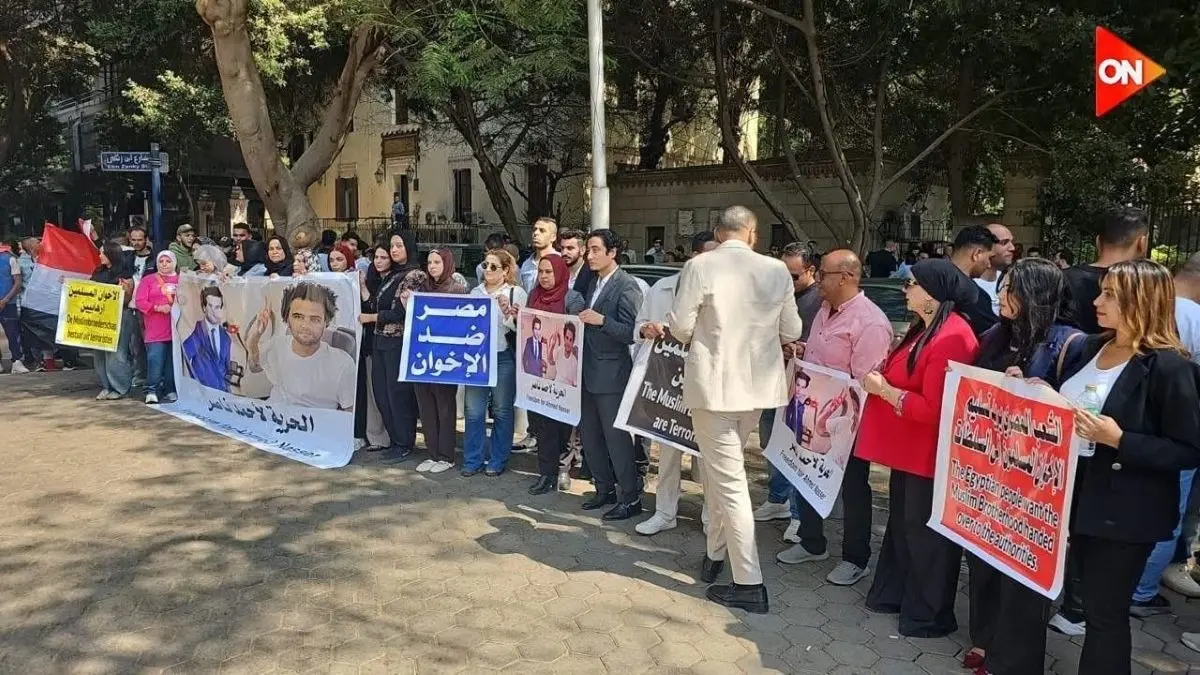
The Netherlands has taken the drastic step of closing its embassy in Cairo to the public until further notice, following more than a week of mounting tensions, continuous demonstrations outside the diplomatic compound, and the temporary evacuation of embassy personnel. The announcement, made by diplomatic officials on social media, marks a significant escalation in a diplomatic standoff between The Hague and Cairo that has been simmering for weeks, fueled by a high-profile arrest on Dutch soil and an ongoing international dispute involving political activism, embassy security, and freedom of expression.
The closure comes after nine consecutive days of turbulent protests staged directly outside the Dutch diplomatic mission in the Egyptian capital. Demonstrators have maintained a persistent presence outside the building, voicing intense anger over the detention of Ahmed Nasser, the deputy head of a prominent pro-government Egyptian youth organization. Nasser was taken into custody by Dutch authorities in the Netherlands on October 10, setting off a chain reaction of political friction, bilateral phone calls between foreign ministers, and heightened security concerns for diplomatic personnel stationed in both countries.
According to reports from Dutch public broadcaster NOS, Nasser was detained on specific allegations of threatening Anas Habib, a politically active Egyptian expatriate living in residence in the Netherlands. The nature of the alleged threats has not been fully detailed by authorities, and it remains unclear precisely how Nasser is accused of intimidating Habib. Following his arrest, Nasser appeared before a Dutch judicial magistrate, where his pre-trial detention was formally extended by an additional 14 days as prosecutors continue their investigation into the incident.
The roots of this diplomatic crisis stretch back to the summer, when Anas Habib captured international headlines and sparked widespread controversy through a dramatic act of political protest. Deeply critical of the Egyptian government’s policies—specifically the prolonged closure of the Rafah border crossing between Egypt and the Gaza Strip amid the ongoing humanitarian crisis—Habib filmed himself physically padlocking the heavy iron gates of the Egyptian embassy in The Hague. The striking protest imagery quickly circulated across global social media platforms, drawing intense scrutiny to Egypt’s regional posture and inspiring a wave of solidarity actions.
Habib’s audacious demonstration in The Hague did not remain an isolated incident. Instead, it served as a catalyst for a broader wave of civil disobedience, triggering similar protests targeting Egyptian diplomatic missions in more than 16 countries around the world. As the wave of demonstrations grew, drawing international media attention and putting pressure on Egyptian diplomatic outposts, the political landscape shifted. Supporters of Egyptian President Abdel Fattah el-Sisi mobilized in response, organizing counter-demonstrations and gathering outside Egyptian embassies globally with the stated intention of "protecting" their nation’s sovereign diplomatic properties from further disruptions.
As the focal point of these tensions shifted back to the Netherlands, the arrest of Ahmed Nasser on October 10 dramatically raised the stakes. The detention of a senior figure associated with a pro-government youth organization struck a nerve in Cairo, prompting swift and direct intervention from the highest levels of the Egyptian government. Just days after Nasser was placed behind bars, Egyptian Foreign Minister Badr Abdelatty placed a formal telephone call to his Dutch counterpart, Tom Berendsen. During the high-level conversation, Abdelatty made it unequivocally clear that Cairo demanded Nasser’s immediate release, while simultaneously pushing for significantly enhanced security measures to protect Egypt’s embassy and diplomatic personnel in The Hague from further activist actions.
The diplomatic dialogue between the two nations has sought to address these competing security concerns. Following his conversation with the Egyptian foreign minister, Dutch Foreign Minister Tom Berendsen took to social media to outline the substance of their diplomatic exchanges. Berendsen stated that the two officials had discussed the pressing need for progress on the security of their respective diplomatic missions and consular affairs, highlighting the delicate balancing act facing Dutch authorities as they attempt to manage domestic safety, uphold the rule of law regarding criminal investigations, and protect international diplomatic channels.
However, the ongoing fallout from Nasser’s arrest quickly outpaced diplomatic reassurances on the ground in Cairo. The continuous demonstrations outside the Dutch embassy grew increasingly disruptive over the nine-day period, ultimately forcing embassy leadership to take the unprecedented step of evacuating staff from the premises and suspending all public consular services until further notice. The closure leaves citizens seeking consular assistance and visa services without local access, underscoring the severity of the security risks currently facing the diplomatic mission.
As the 14-day extension of Nasser’s pre-trial detention runs its course, authorities in both the Netherlands and Egypt remain locked in a tense diplomatic dance. With the Cairo embassy shuttered indefinitely and local demonstrations showing no immediate signs of a permanent resolution, the situation highlights the complex and volatile intersection of transnational political activism, diaspora politics, and the security of diplomatic posts abroad.