




A consortium of high-profile buyers, featuring independent watchmaker François-Paul Journe and French luxury powerhouse Chanel, has reached a binding agreement to acquire a 95-percent stake in Ebel from Movado Group for $66.5 million. The transaction marks a major turning point for Ebel, a once-mighty Swiss watch brand that achieved massive success during the quartz crisis era before falling into relative obscurity under corporate ownership.
The deal signals a growing wave of strategic investments aimed at reviving faded historic Swiss watch names that hold deep heritage and strong consumer nostalgia. Under the terms of the agreement, Movado Group—which is publicly listed on the New York Stock Exchange and originally purchased Ebel from luxury conglomerate LVMH back in 2004—will retain a five-percent minority stake in the business once the transaction is finalized.
Leading the operational charge of the revitalized brand will be Pierre Jacques, a seasoned and widely respected luxury watch industry executive who previously headed high-end independent manufacturer De Bethune for more than a decade. Jacques is slated to take over as the chief executive officer of Ebel. The strategic buyer group is led by Geneva-based Montres Journe SA, alongside the participation of Chanel and Jacques himself.

The acquisition includes the transfer of trademarks, intellectual property, inventory, and various core assets dedicated specifically to the Ebel business. Notably, this transfer encompasses the Villa Turque, a historic modernist architectural landmark designed by the renowned architect Le Corbusier located in La Chaux-de-Fonds, Switzerland. Furthermore, certain personnel currently within Movado Group who are dedicated to the Ebel operations will transition to become employees of a newly formed Swiss subsidiary established by Movado to facilitate the transaction. Both parties expect the deal to officially close within the next few months, at which point 95 percent of the equity interest in the new subsidiary will be transferred to the buying consortium.
A Storied History of Innovation and Global Prominence
Founded in La Chaux-de-Fonds in 1911, Ebel has a rich and complex history that spans over a century. For decades, the brand remained under family ownership, reaching its golden era during the 1970s, 1980s, and 1990s under the leadership of Pierre-Alain Blum, a third-generation member of the founding family. Blum possessed a rare combination of business acumen, clever marketing instincts, and an eye for au courant designs that allowed Ebel to thrive while many traditional Swiss manufactures struggled to survive the disruptive quartz crisis.
During its peak years, Ebel stood proudly among the five largest Swiss watch manufacturers in the world. The brand operated its own manufacture with more than 500 employees, producing its own quartz movements and specialized components. Ebel’s manufacturing prowess and design reputation were so well-regarded that the company famously produced watches for Cartier during that era.

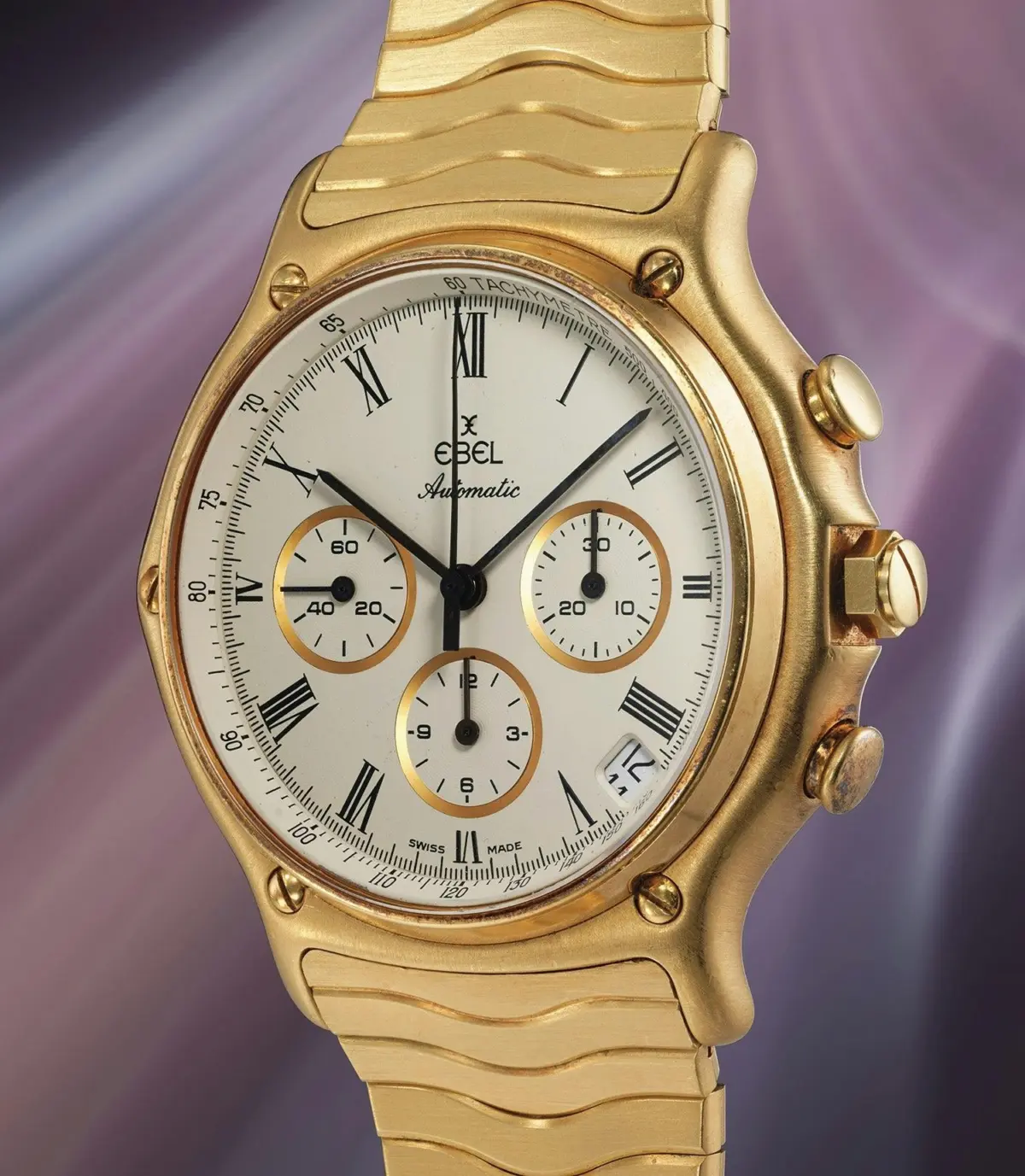
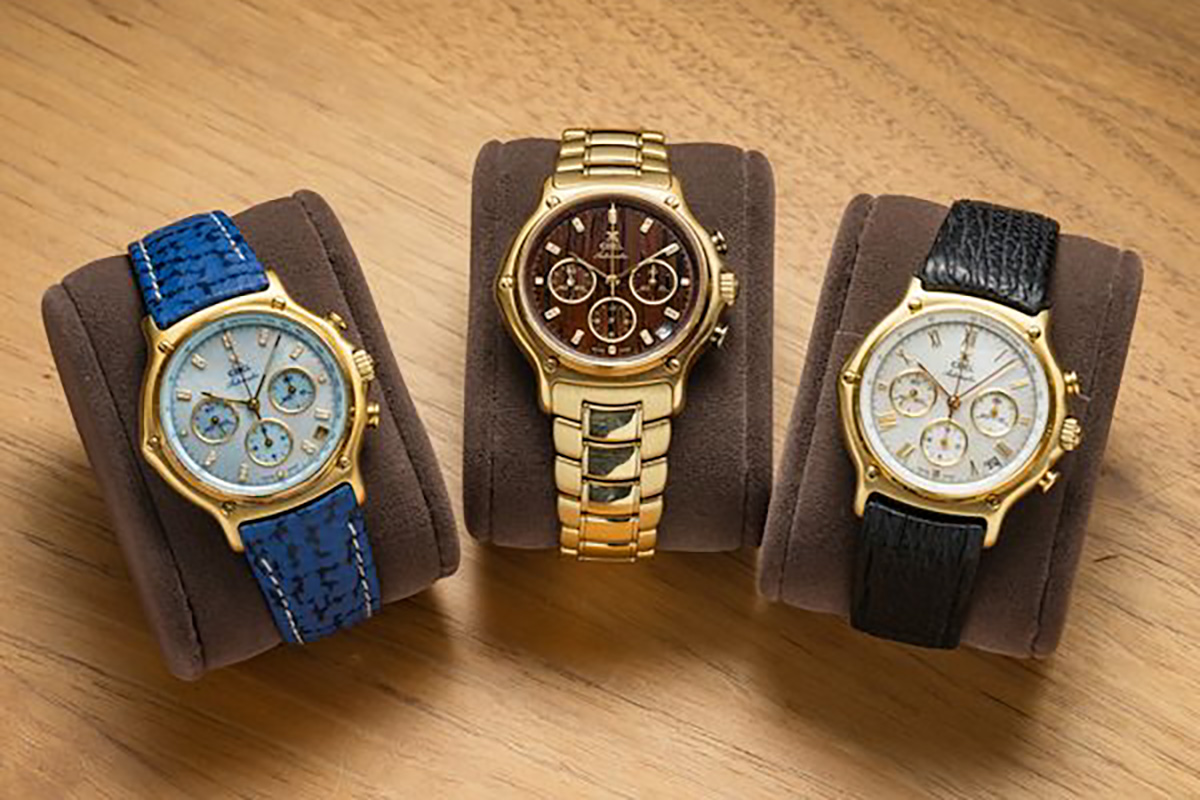
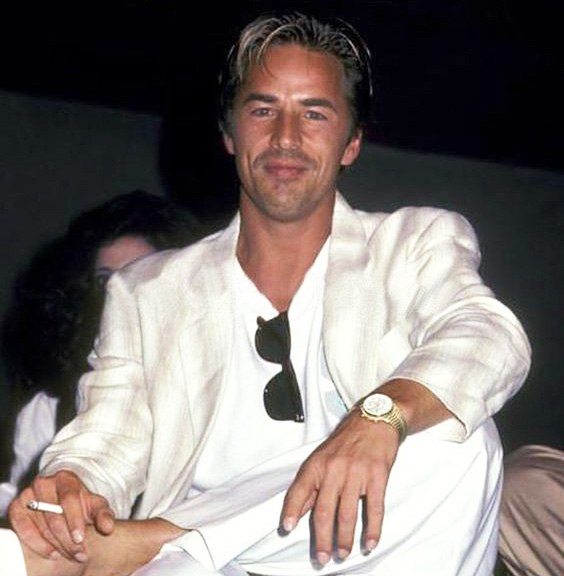
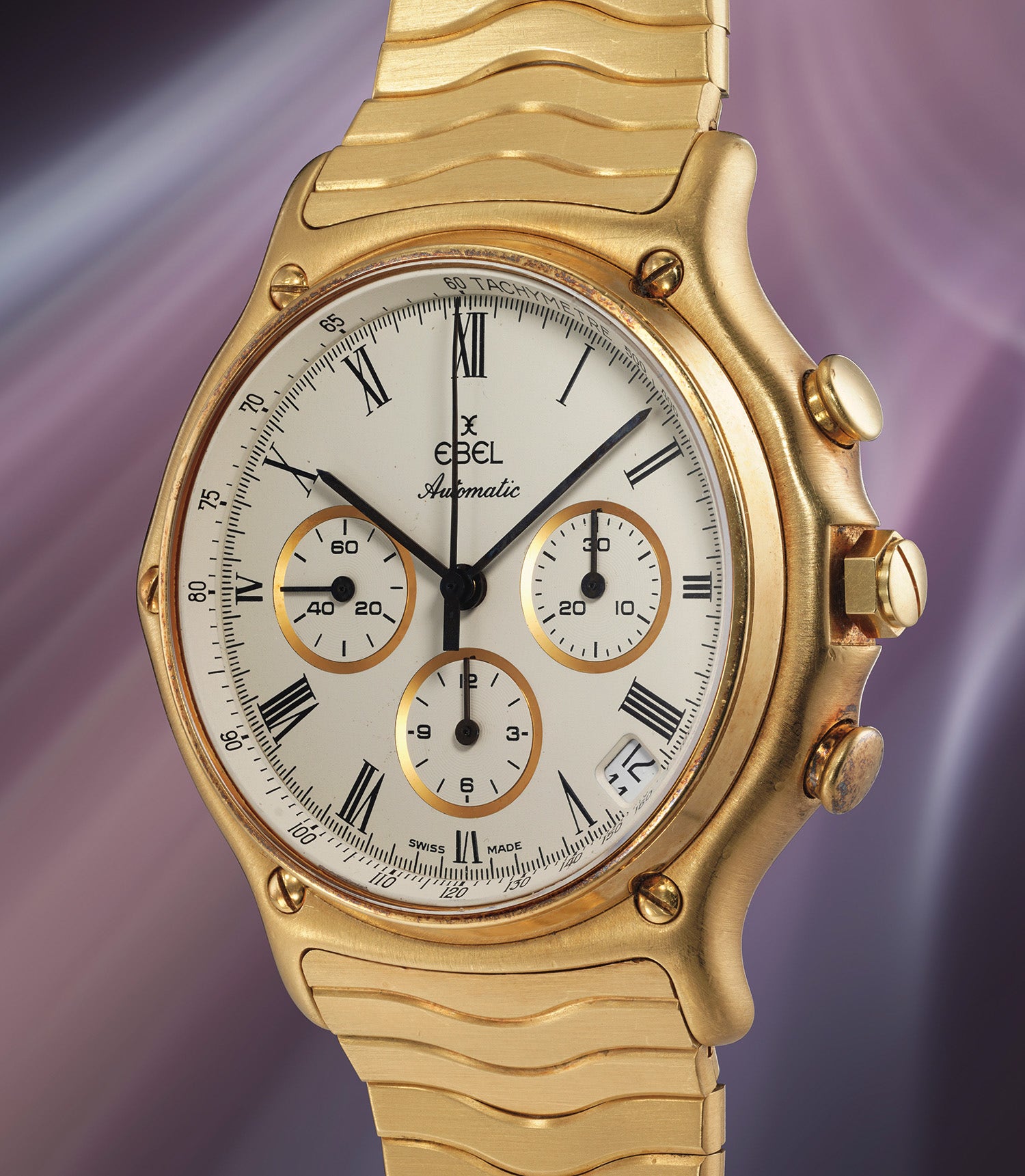
The brand is perhaps most universally recognized for its iconic ‘Wave bracelet,’ introduced on the Sport Classique model, which defined a distinct aesthetic language for luxury sports watches. Ebel’s cultural footprint expanded exponentially in the 1980s when actor Don Johnson wore an Ebel 1911 chronograph powered by a Zenith El Primero movement while playing Detective James ‘Sonny’ Crockett in the legendary television series Miami Vice. This timepiece has since transformed into a coveted neo-vintage classic, championed by prominent collectors such as Alfredo Paramico, who notably sold a significant portion of his personal Ebel collection through a themed auction at Phillips in 2024.
However, financial pressures stemming from other business ventures outside of core watchmaking ultimately forced Pierre-Alain Blum to sell the family-run enterprise in 1994 to Investcorp, a Bahrain-based private equity group. Five years later, in 1999, LVMH acquired Ebel as part of an aggressive series of watch sector acquisitions that also brought TAG Heuer and Zenith into the French luxury conglomerate’s portfolio. Interestingly, Zenith had previously supplied automatic chronograph movements to Ebel before those movements were famously adopted by Rolex for its iconic Daytona model.
Despite changing hands multiple times, Ebel struggled under its successive corporate owners to maintain the market penetration, sales volumes, and prestige it had enjoyed during its family-owned heyday. In 2004, Movado Group acquired the brand from LVMH, integrating it into its diverse portfolio of watch brands, where it eventually faded into relative commercial obscurity compared to its illustrious past.
Industry Momentum and the Revival of Heritage Brands
The acquisition of Ebel by Journe, Chanel, and Jacques underscores a broader, highly lucrative trend within the contemporary watch industry: the aggressive pursuit and revival of dormant or faded Swiss luxury watch marques. Investors and independent horological leaders are increasingly recognizing the inherent value found in historical archives, intellectual property, and vintage brand equity.
A prominent parallel occurred earlier this year when Breitling invested more than 60 million Swiss francs to acquire the Universal Genève brand name and its historical archives, setting the stage for its eventual relaunch as a high-end luxury marque. As heritage supply becomes scarcer and modern consumers display an insatiable appetite for authentic horological history, brands with legitimate backstories are commanding renewed interest from major market players.
While the buying group and newly appointed leadership have kept specific details regarding future product roadmaps under wraps, the industry pedigree of the consortium suggests a deliberate, product-first approach. A spokesperson for F.P. Journe—an independent brand whose timepieces have experienced astronomical valuation surges at both physical auctions and secondary markets worldwide—declined to comment beyond the official press release.
However, François-Paul Journe offered a clear glimpse into the philosophy guiding the venture in the official statement announcing the acquisition. "Like Michelangelo and so many others after him: the product, the product, the product," Journe said. "Ebel has always stood for exceptional product, and I am delighted to contribute to its next chapter alongside my friends and partners."
Chanel’s Deepening Footprint in Swiss Watchmaking
For Chanel, the investment in Ebel represents another strategic milestone in its long-term campaign to establish a commanding presence at the highest levels of Swiss watchmaking. The French luxury fashion house already holds a substantial 20-percent equity stake in F.P. Journe, a partnership that demonstrated Chanel’s willingness to support elite, low-volume independent watchmaking.
Beyond Journe and now Ebel, Chanel has methodically built a vast portfolio of strategic investments across the Swiss watch manufacturing landscape. The luxury house has previously acquired stakes in prominent independent watchmaker Max Büsser & Friends (MB&F), movement maker Kenissi (which is controlled by Tudor), high-end component maker Kross Studios, and independent watchmaker Raymond Gauthier.
Frédéric Grangié, President of Chanel Fine Watches and Jewelry, emphasized that this latest acquisition reflects the maison’s profound confidence in Ebel’s enduring legacy and commercial potential.
"Ebel is one of the great names of Swiss watchmaking, with a rich heritage, a distinctive creative identity, and a strong foundation for future growth," Grangié said. "This investment reflects our confidence in the brand’s long-term potential and our commitment to supporting its development while preserving the craftsmanship, excellence, and values that have defined Ebel for generations."
With a seasoned executive like Pierre Jacques stepping into the role of chief executive officer, backed by the independent genius of François-Paul Journe and the financial might and retail expertise of Chanel, Ebel is poised to embark on a meticulously planned renaissance. As the final regulatory and structural steps of the transaction near completion over the coming months, the global watch community will be watching closely to see how the new leadership team breathes fresh life into the classic wave-bracelet aesthetic and heritage designs that once made Ebel a titan of the Swiss watch industry.