





Thirty years of radical architectural experimentation are giving way to an expansive new public chapter in the heart of London. Ten years after the passing of the visionary architect Zaha Hadid, the Zaha Hadid Foundation is officially flinging open the doors of her former London headquarters to the public, transforming a private nerve center of avant-garde design into a vibrant cultural destination.
Located at 10 Bowling Green Lane in the vibrant district of Clerkenwell, the striking Victorian schoolhouse served as the administrative and creative core of Hadid’s practice for more than three decades. Following a meticulous revitalization project, the historic building is set to welcome its first visitors for a preview on October 29th, ahead of its official public opening on November 3rd, 2026. Rather than operating as a static monument or a quiet museum behind glass, the refurbished building will function as a dynamic hub accommodating public galleries, a lecture hall, dedicated learning facilities, and rolling collection displays. It will also host a diverse calendar of public exhibitions, creative workshops, and artist residencies, welcoming a completely new kind of audience into spaces that once birthed some of the most influential architectural concepts of the modern era.

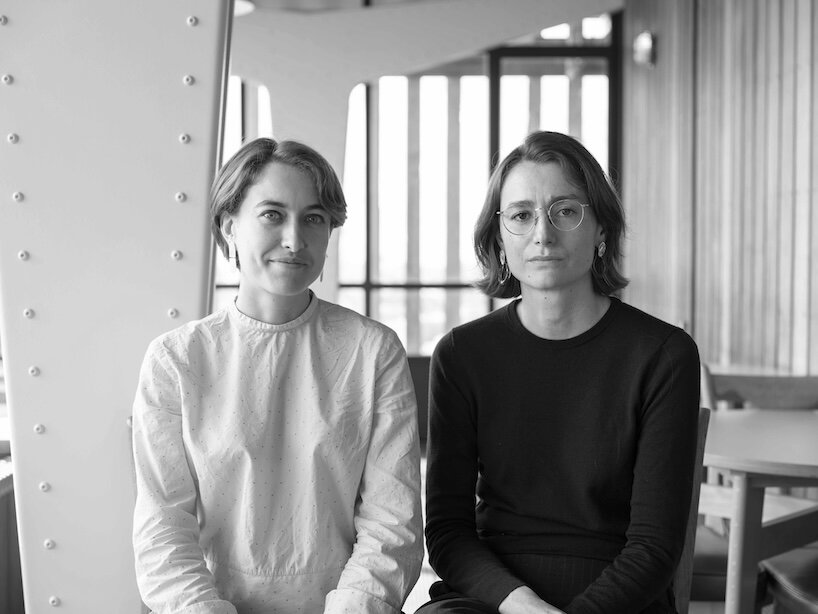
The sensitive renovation of the Grade II-listed structure—originally built in the early 1870s—was spearheaded by Studio KA, founded by architects Katherine Nolan and Alex Butterworth. Tasked with adapting a historically protected building to modern public use, the design team adopted a careful, nuanced approach. The ground floor layout has been thoroughly reorganized to improve visitor circulation and accessibility. At the same time, the restoration team breathed new life into the structure by reopening original Victorian fireplaces and doorways. To infuse the historic interiors with a sense of Hadid’s distinct artistic spirit, the architects introduced new finishes featuring a curated color palette drawn directly from Hadid’s own vivid abstract paintings.
Rather than erasing the layers of recent history inscribed into the walls during Hadid’s long tenure, the intervention preserves distinctive, custom architectural details installed while she occupied the building. Visitors will be able to spot original Z-shaped door pulls and striking shard-like flooring insets that echo the fragmented geometries of her built works. Furthermore, furniture and decorative objects created by Zaha Hadid Design inhabit the refurbished interiors, ensuring that the architect’s unmistakable visual language remains an active, everyday part of the spatial experience.
Zaha Hadid’s Stage Designs on Display

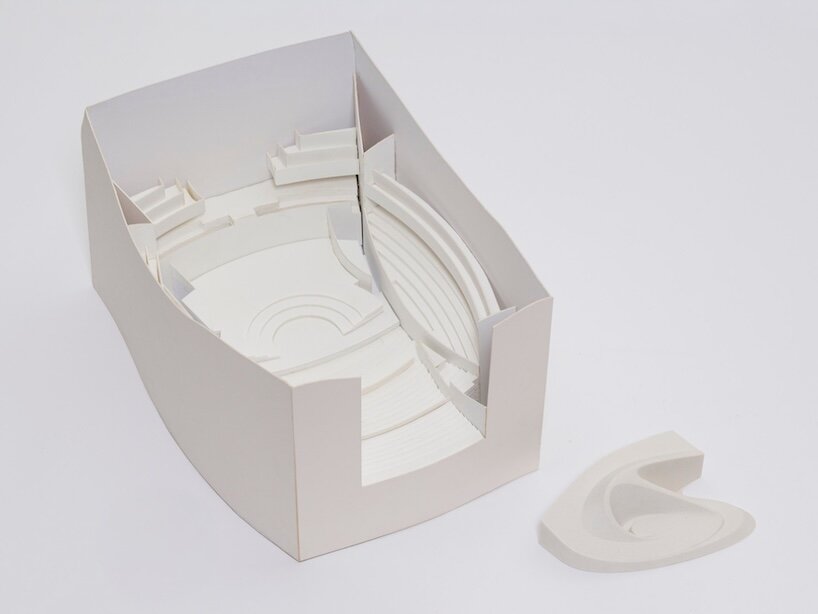
The opening public program looks far beyond the permanent buildings that cemented Hadid’s global fame, choosing instead to explore the breadth of her multidisciplinary creativity. The inaugural exhibition, titled Zaha Hadid: Architecture of Performance, marks the Foundation’s first collection-based showcase dedicated entirely to the architect’s extensive work in stage and set design. Co-curated by Catherine Howe and guest curator Libby Sellers, the exhibition meticulously traces Hadid’s lifelong fascination with performance environments across dance, opera, and popular music.
The featured projects span a remarkable chronology of creative exploration. They range from her pioneering 1989 collaboration with choreographer Rosemary Butcher and the futuristic Music Video Pavilion in Groningen to elaborate stage designs for the Pet Shop Boys’ Nightlife World Tour and a striking realization of Mozart’s Così fan tutte at the prestigious Walt Disney Concert Hall. Together, these pieces reveal how Hadid’s rigorous investigations into movement, abstraction, and spatial geometry routinely broke free from the constraints of conventional architecture to inhabit the realms of performance and theater.
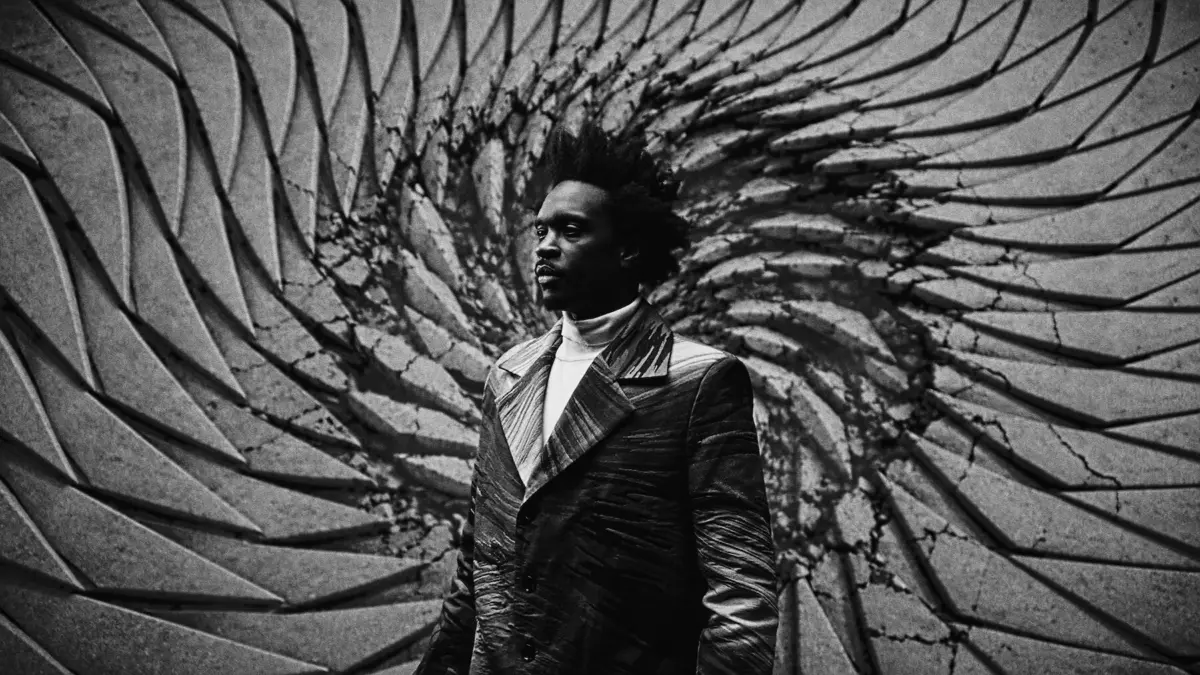
Complementing the main exhibition in a secondary gallery is a specially commissioned work by London-based artist LionHeart. Titled The Rebar Beneath, the 11-minute, dual-channel video installation weaves together film, poetry, and live performance. Developed through exhaustive research within the Zaha Hadid Foundation’s extensive archive, the piece examines the unseen structural elements that lie beneath visible architectural forms, utilizing layered projections and fragmented spatial compositions to evoke Hadid’s design philosophy.
In the building’s foyer, visitors are greeted by another major newly commissioned artwork: Pulitzer Prize-winning illustrator Mona Chalabi’s The Completely Exhausting Inexhaustibility of Zaha Hadid. This playful yet deeply researched visual timeline maps out the staggering breadth of the architect’s life and creative output. Chalabi’s animated work is projected directly onto a large textile surface, which was specially inspired by an Issey Miyake coat once famously worn by Hadid herself. Alongside these core visual presentations, the Foundation’s inaugural season will feature an engaging schedule of public talks, architectural tours, interactive workshops, and a pop-up branch of the renowned AA Bookshop.
Experimental Jetset Reimagine Zaha Hadid’s Visual Identity
To mark this major transition into a public-facing institution, the Foundation commissioned Amsterdam-based design studio Experimental Jetset to craft a brand-new graphic identity. Extending Hadid’s lifelong appetite for formal experimentation into the realm of visual communications, the designers abandoned the concept of a rigid, static logo. Instead, they developed a flexible typographic language governed by a distorting grid system. This framework allows letters and typographic compositions to shift fluidly across different applications, mirroring the concepts of spatial transformation and continuous questioning that defined Hadid’s architectural practice.
This innovative graphic framework is seamlessly integrated into a completely redesigned website developed by London-based digital studio Made by ON. Set to launch during the week of October 12th, the digital platform will serve as an accessible window into the Foundation’s ongoing programs, educational initiatives, and expansive historical archives.
To further celebrate the opening of this new chapter, the Foundation is partnering with the Architectural Association and the Serpentine Galleries to present 89° of Zaha Hadid, a two-day symposium taking place across their respective London venues on October 30th and 31st. The concluding day of the symposium symbolically marks what would have been the architect’s 76th birthday. This collaborative initiative reflects the Foundation’s broader ambition to actively animate its archive through rigorous academic research, educational programming, and dynamic exchanges with emerging creative voices.
As Rana Hadid, Chair of the Foundation’s Trustees, explains, the overarching intention behind the new public hub is to faithfully preserve her late relative’s legacy while continuously carrying her radical ideas forward into the future. By transforming a former Victorian schoolhouse-turned-architectural studio into an accessible public cultural destination, the Zaha Hadid Foundation is ensuring that the architect’s legacy remains a living, breathing space for ongoing experimentation, rather than a relic preserved quietly behind glass.