


In a compelling guest essay reflecting on the elusive nature of modern pleasure, contemporary artist Chen Wei examines how ecstasy is performed, imagined, and reconstructed. Published as part of designboom’s SPECTATOR AND SPECTACLE chapter—presented in partnership with SolidNature—the essay draws from nightlife experiences, staged photography, personal memories, and the recounted stories of friends to interrogate the commercialized simulation of joy in contemporary society.
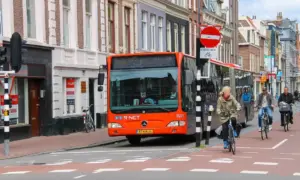
For Chen, the inquiry into ecstasy began unexpectedly in the public sphere. He recalls standing before a slow-moving public bus plastered with a gigantic image of a woman portrayed from the chest up. Her hair was lathered in thick shampoo foam, her eyes closed, eyebrows lifted, and lips half-open.
"This shampoo advertisement is about ecstasy and pleasure," Chen writes. "It is also the safest and the most appropriate kind of inebriation modeled on mass experience, that champions cliché performance and apparent pretense. Ecstasy embodies the highest level of enjoyment. As poetic as it may be, it is also not trustworthy."
This encounter sparked a long-standing fascination with the condition of artificial euphoria, the systems it constructs, and its intrinsic relationship with performance art. To understand how this state is conceptualized, the artist began reviewing his own history with enjoyment. From frequenting disco clubs and roller-skating rinks in the 1990s to performing in various bars and outdoor venues with his music band at the turn of the millennium—pogoing with crowds and executing solo noise performances on stage—Chen realized that the peak state of ecstasy remained slippery. Either he could no longer remember it, or perhaps he had never truly reached it.
Driven by this realization, he embarked on a more realistic search, frequenting contemporary nightclubs, conversing with friends, and losing himself among sweaty crowds. He describes ecstasy not as a permanent destination, but as a catalyst: a force that could pierce through layers of poster walls, allow him to step over spilled drinks on sticky floors, and guide him across the dance floor back into the heart of midnight.
In the Waves
This philosophical exploration of collective euphoria heavily informs Chen’s artistic practice, particularly in his meticulously staged photographic series, including In the Waves.
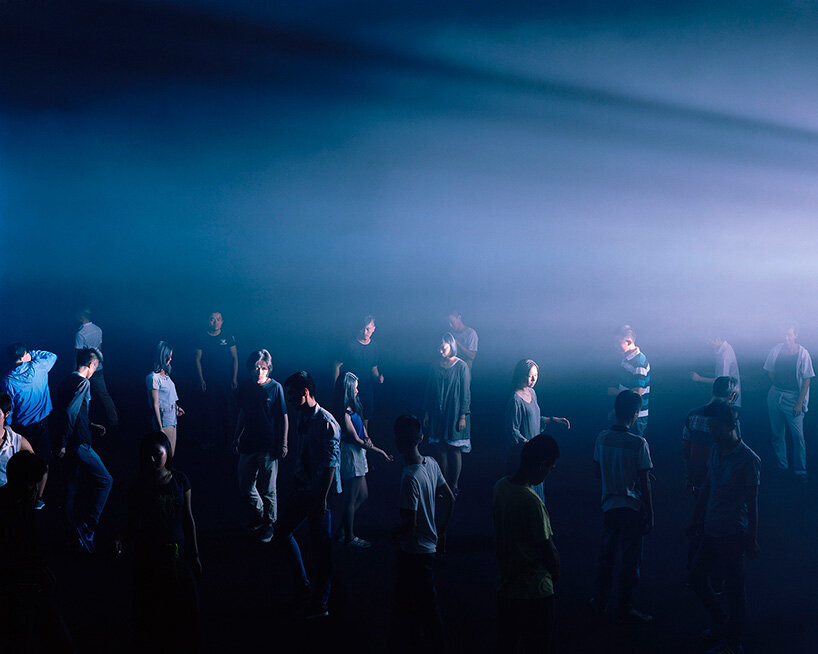
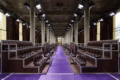
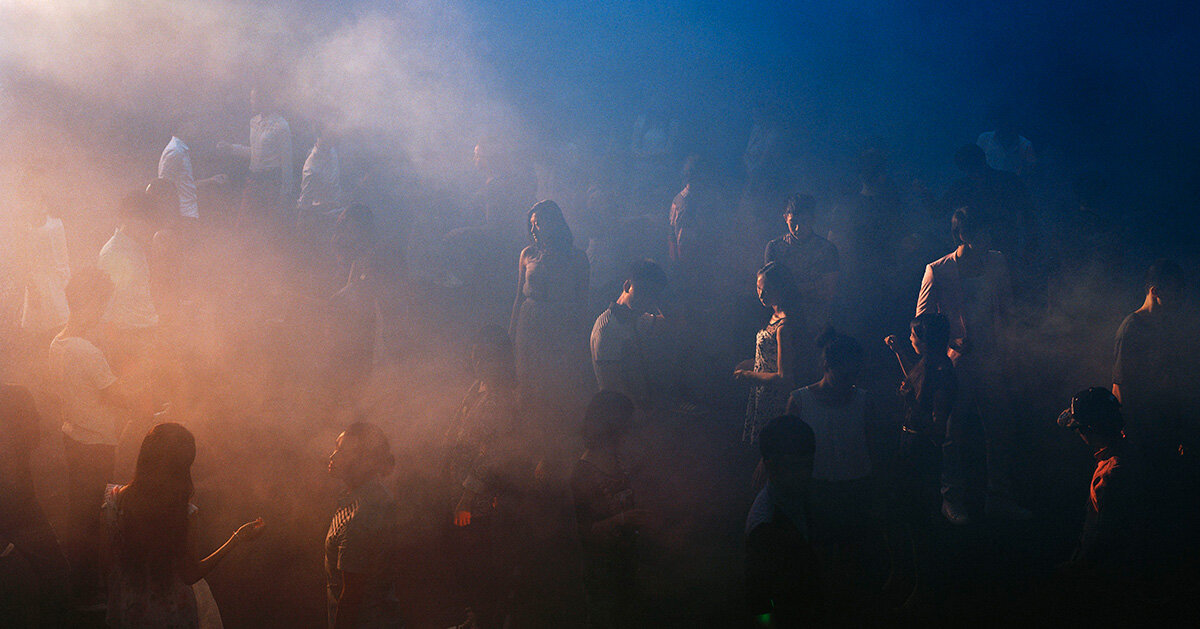
In a controlled film studio environment, Chen assembled hundreds of extras, instructing them that they would be captured in a group photograph pretending to dance and act as if they were heavily inebriated on a club dance floor. Under intense studio lighting and without prior consensus among the participants, the rehearsal commenced. Almost immediately, the extras adopted the exact posture and expression seen on the shampoo advertisement bus.
As production orders were amplified through loudspeakers, the participants began attempting to surrender to the scene, yet their bodies visibly stiffened. Unsure of how to authentically perform a state of intoxication under bright lights and prolonged exposure, the atmosphere grew tense. Sustaining a single fixed position over an extended period under these artificial conditions proved exhausting and repetitive, while a smoke generator periodically flooded the space with thick, artificial fog.
"Well, they do not look quite right actually," Chen observes of the process. "Are they dancing or doing something else, are they enjoying it? They gather together in the fog, some even seem somewhat at loss and restless."
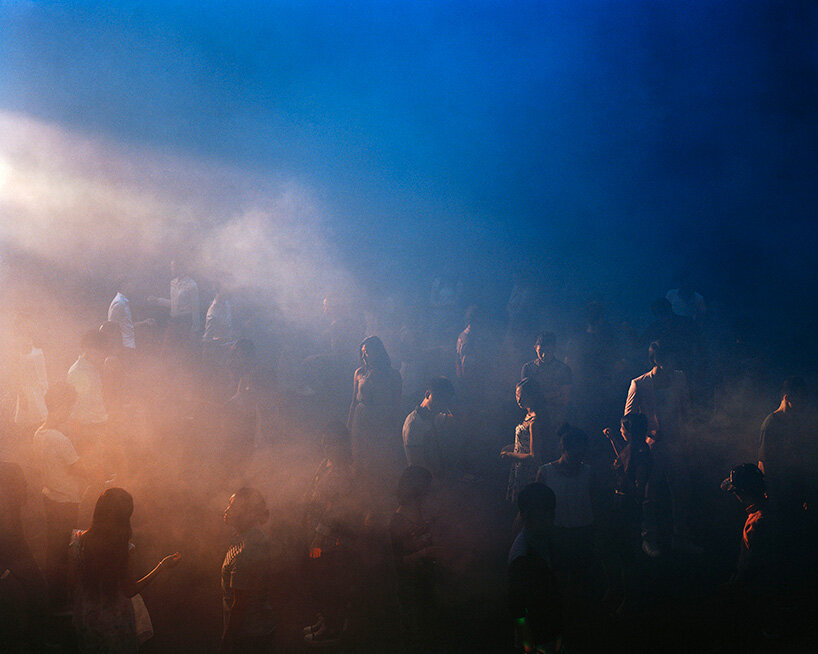
These complex, staged moments—capturing the gulf between real human exhaustion and the mandated performance of joy—formed the basis of a striking series of group photographs and portraits. In discussing this body of work, Chen evokes the timeless imagery of Arthur Rimbaud’s poem The Drunken Boat: "I, a boat lost under the hair of coves, hurled by the hurricane into the birdless ether."
Fiction
In recent years, Chen is frequently asked whether he actively visits nightclubs or participates in dancing. In reality, his schedule leaves him little time or energy for nightlife, and he visits clubs rarely outside of professional research. Instead, he relies heavily on a vital secondary source: the diverse and spectacular nightlife experiences recounted by friends and acquaintances.
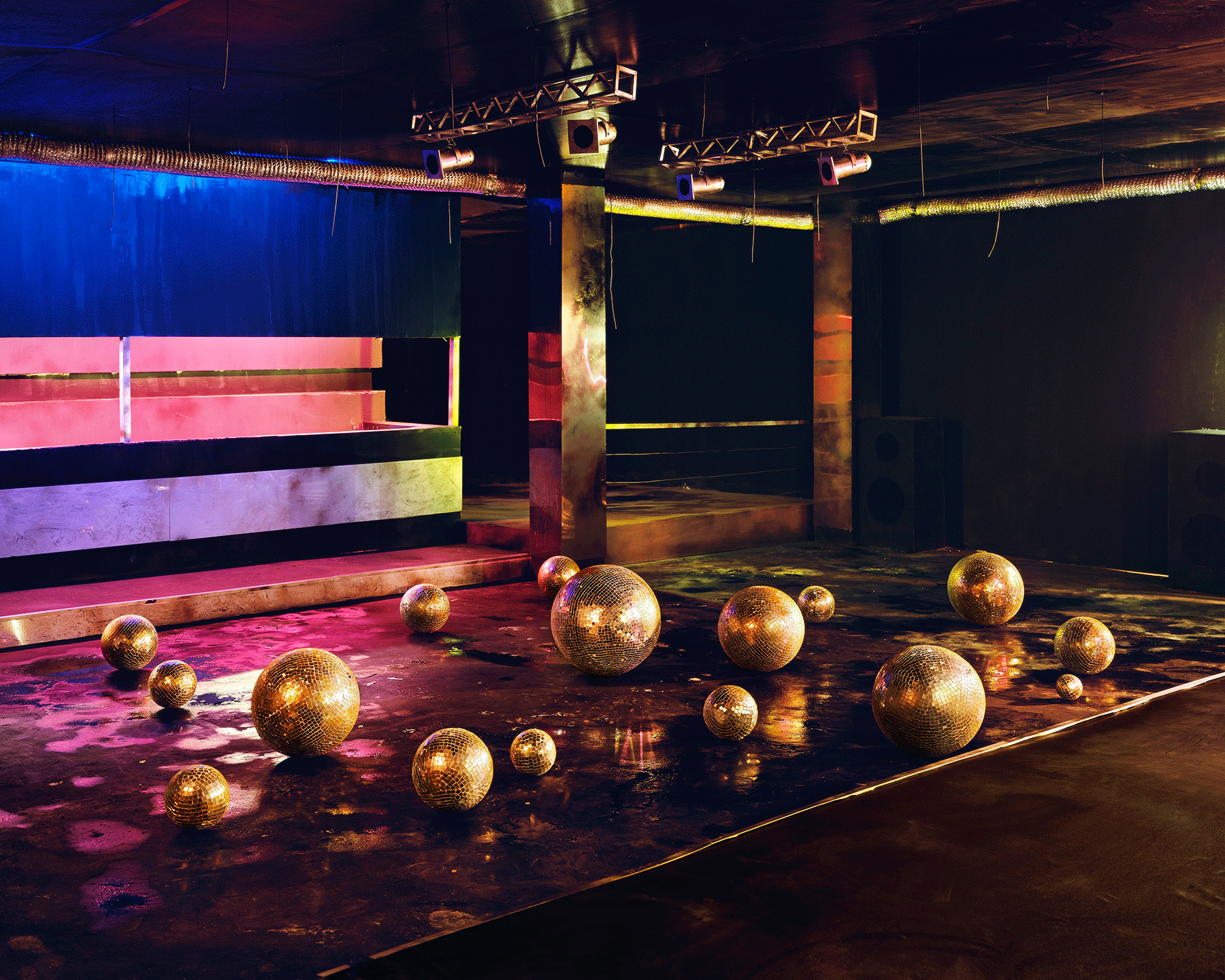
These descriptions serve as the foundational literary and conceptual references for the dance floors Chen meticulously reconstructs within his studio. By attempting to visualize these remnant fragments of memory, the artist bridges the gap between reality and fiction.
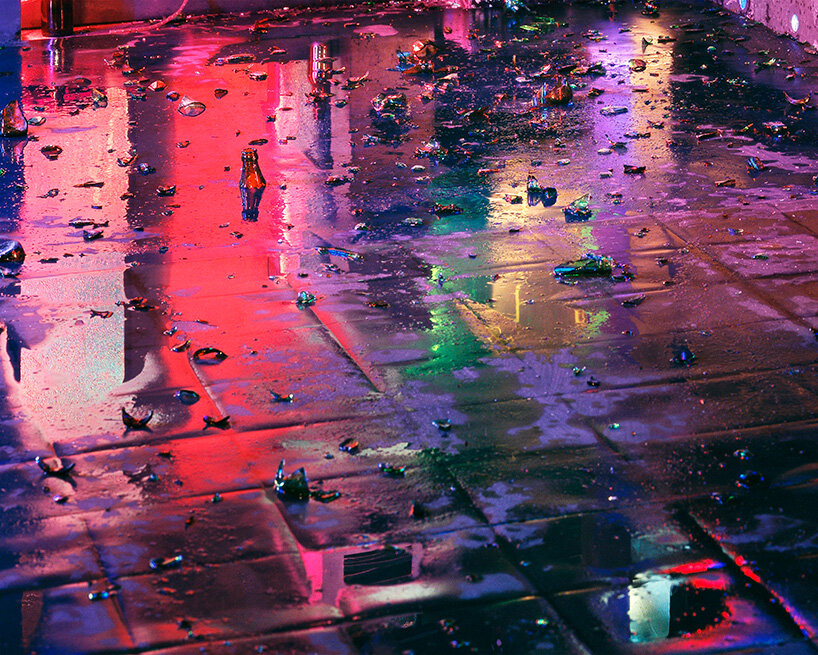
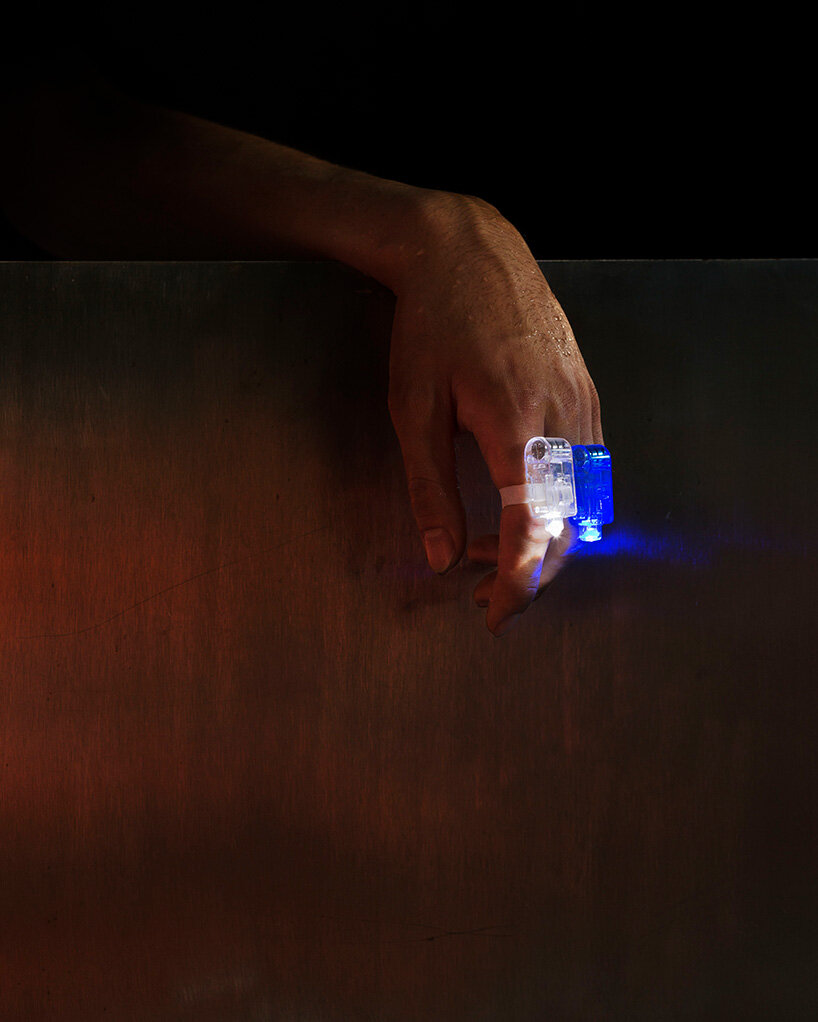
He likens the process to a game of charades, where different individuals offer varying interpretations of the same core subject. Yet, his primary interest lies not merely in the narrative differences of these recollections, but in how modern nightlife environments have evolved. Contemporary clubs utilize artificial fog, complex lighting grids, mirroring reflections, and fluorescent materials to engineer a deliberate disappearance of physical space.
According to Chen, these monotonous architectural installations and design choices are intended to rapidly isolate consumers from the outside world. Guided by the DJ and swept along by repetitive rhythms, patrons are invited to wander and escape without a destination—because none is required.
This sensory isolation enables revelers to dance into the early morning hours until dawn breaks, eventually emerging from semi-basement clubs to hail a taxi on a damp city sidewalk. For Chen, this transition from simulated euphoria back to mundane urban reality embodies the inherent fiction of contemporary life.
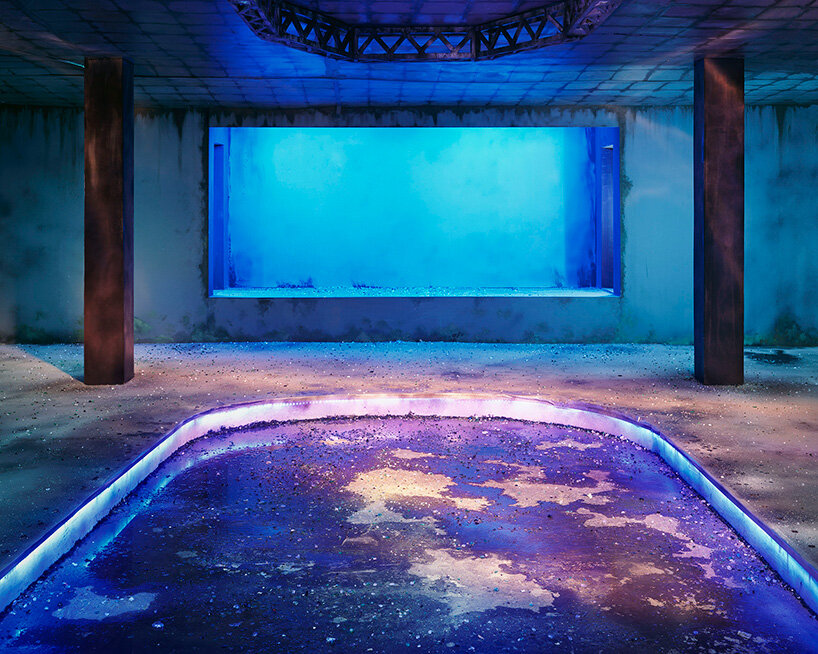
"Perhaps, this in itself is the fictional component of life," Chen reflects. "Of course, we would once again step into midnight, and return to the same fictional component."
About the Artist
Born in 1980 in Zhejiang, China, Chen Wei lives and works between Beijing and Tokyo. His artistic trajectory originated in Hangzhou, where he was initially immersed in experimental music performance and sound art before expanding into photography, video, and installation. Renowned for meticulously constructed sets and a deeply theatrical approach to spatial design, his practice continuously negotiates the boundaries between reality and fiction, the everyday and the dreamlike, to probe the psychological landscapes of contemporary existence. In recent years, Chen has increasingly translated these photographic methodologies into immersive gallery environments, employing video, sound, and sculptural installations to reshape the dialogue between images, narrative, and spatial architecture.
His work has been showcased in major international institutions and biennials, including recent solo exhibitions such as Sweet Dreams at Fotografiska Shanghai (2024); Make Me Illusory at the West Bund Museum, Shanghai (2021); Good Night at the HOW Art Museum, Shanghai (2021); The Club at the Centre for Contemporary Photography in Melbourne (2017); and Noon Club at JNBY Art Space in Hangzhou (2016).
Furthermore, his projects have been featured in group exhibitions at M+ in Hong Kong; the Centre Pompidou in Paris; the Tokyo Photographic Art Museum; the Gwangju Biennale; the Vitra Design Museum in Weil am Rhein; the Asia Society in Houston; the Museum Folkwang in Essen; the 21st Century Museum of Contemporary Art in Kanazawa; and the UCCA Center for Contemporary Art in Beijing.