






As LGBTQ+ history month is observed across the United States, Canada, and Australia, a familiar seasonal shift is taking place across the commercial landscape. Major corporations, high-street retailers, and fast-fashion conglomerates are once again rolling out their annual campaigns, swapping out standard brand logos for rainbow-coloured variations designed to capture consumer attention and drive sales. Yet, behind the vibrant marketing displays, a growing chorus of critics and sustainability advocates is pointing out a persistent disconnect. Mainstream fashion and beauty brands have largely failed to ensure that the LGBTQ+ community—both broadly in society and specifically within their own corporate supply chains—receives ongoing, meaningful support.
This superficial engagement was recently underscored by JD Shadel, brand director at Good On You, in a comprehensive report examining the fashion industry’s widespread reliance on pinkwashing, alongside its counterpart, pinkhushing. Shadel’s research highlighted a troubling contradiction: many of the fast-fashion giants and large-scale retailers that proudly display rainbow logos throughout Pride and history months routinely manufacture their clothing and personal care items in nations where queer and transgender individuals face severe social stigma, systemic discrimination, and active legal persecution. Despite profiting off the aesthetics of the queer community, these corporate entities typically offer little to no advocacy, protection, or financial support for the very people whose identities they borrow for marketing purposes.
For conscious consumers looking to move beyond performative corporate gestures, industry experts suggest that the most effective way to celebrate and support the community is to intentionally redirect spending habits. Rather than purchasing mass-produced rainbow merchandise from major companies with questionable ethical records, integrating purchases from independent, LGBTQ+-owned brands into regular shopping practices helps sustain the livelihoods, autonomy, and wellbeing of community members year-round. To assist shoppers in making more informed and ethical choices, independent ratings platforms are shining a light on smaller, independent labels that have been rigorously evaluated and rated as "Good" or "Great" against strict sustainability and ethical methodologies.
Independent Assessment and the Push for Transparency
The challenge of navigating the ethical retail landscape often lies in cutting through marketing claims to find verifiable action. Independent evaluation agencies assess brands by examining public evidence regarding their performance across three critical pillars: people, the planet, and animals. By relying strictly on transparent public disclosures and verified actions rather than self-reported marketing claims, these assessments encourage accountability and give consumers a clearer picture of a brand’s true impact.
While the market features countless independent creators and small businesses, several stand out within the evaluated networks
for meeting rigorous standards while proudly identifying as LGBTQ+-owned. Among these are innovative beauty enterprises, ethical apparel makers, and specialized lifestyle brands that prioritize sustainable practices, transparency, and social responsibility without compromising on quality or design integrity.
Leading the charge in the personal care sector is Disruptor London, a PETA-approved vegan beauty brand that has built its operational model around the explicit goal of replacing unsustainable personal care items with lower-impact alternatives. The brand’s philosophy rests on five foundational principles designed to minimize environmental degradation: ingredient transparency, responsible consumption, waterless formulations, responsible manufacturing, and entirely plastic-free packaging. By rethinking how everyday cosmetics and skincare products are made, packaged, and distributed, Disruptor London demonstrates that beauty brands can maintain high ethical standards while addressing the pressing environmental challenges facing the beauty and personal care industry.
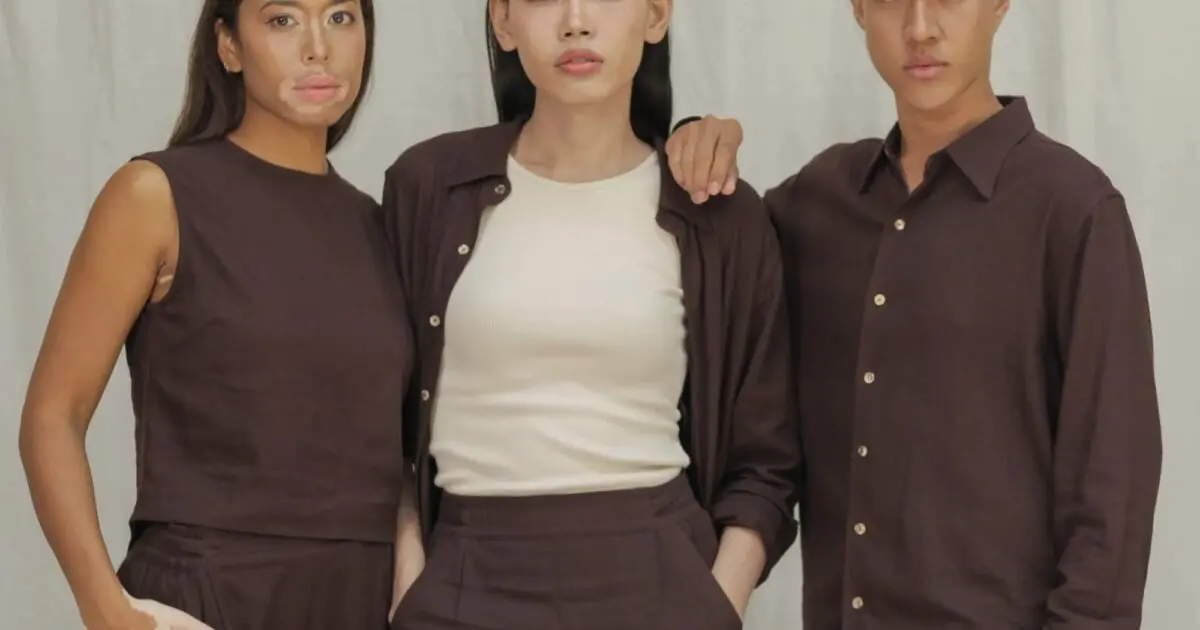
In the realm of everyday apparel and conscious wardrobe building, brands like Dorsu offer an alternative to the rapid churn of seasonal fashion. Operating out of Cambodia, Dorsu focuses on the creation of everyday basics and signature wardrobe essentials designed for longevity and versatility rather than transient trends. By emphasizing durable materials and thoughtful design, the brand provides consumers with foundational pieces that reduce the need for constant replenishment. Furthermore, the brand makes its comprehensive range available across a wide spectrum of sizes, ensuring accessibility for shoppers looking to build a sustainable wardrobe that aligns with their personal values and identity.
Meanwhile, the intersection of luxury fashion, environmental advocacy, and ethical ownership is exemplified by Kampos, an Italian lifestyle and swimwear brand. Kampos operates on the belief that modern luxury must be coupled with a deep conscience and integrity to safeguard the planet for future generations. The brand’s product lines are explicitly designed to raise consumer awareness surrounding critical environmental crises, most notably over-fishing and severe marine pollution. To combat these issues, Kampos utilizes innovative materials crafted from recycled plastic bottles, discarded fishing nets, and other lower-impact organic fabrics, transforming marine waste into high-end apparel. Available widely across various sizes, the brand proves that high-end fashion can actively contribute to environmental restoration while supporting independent, diverse leadership.
While these brands represent a fraction of the ethical options available in the global marketplace, they illustrate the tangible impact of supporting independent businesses that align social responsibility with inclusive ownership. As consumers continue to scrutinize the corporate practices behind seasonal marketing campaigns, turning toward verified, community-owned enterprises offers a practical pathway for creating lasting, positive change within the fashion and beauty sectors.