





In contemporary interior design, electrical fixtures are almost invariably treated as the final, functional details of a space—relegated to the background once the heavy lifting of architecture and spatial planning is complete. Sockets and switches are installed out of necessity, selected to blend into walls rather than stand out as centerpieces of aesthetic expression. However, a bold new project by Parisian design collective Studio 5.5 completely upends this conventional hierarchy, treating the humble wall switch not as a finishing detail, but as the foundational starting point for a radical creative exploration.
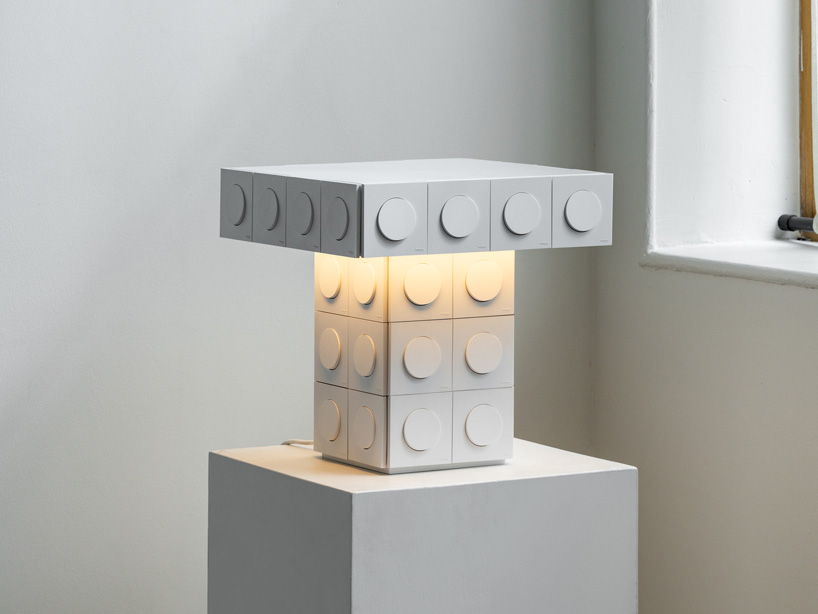
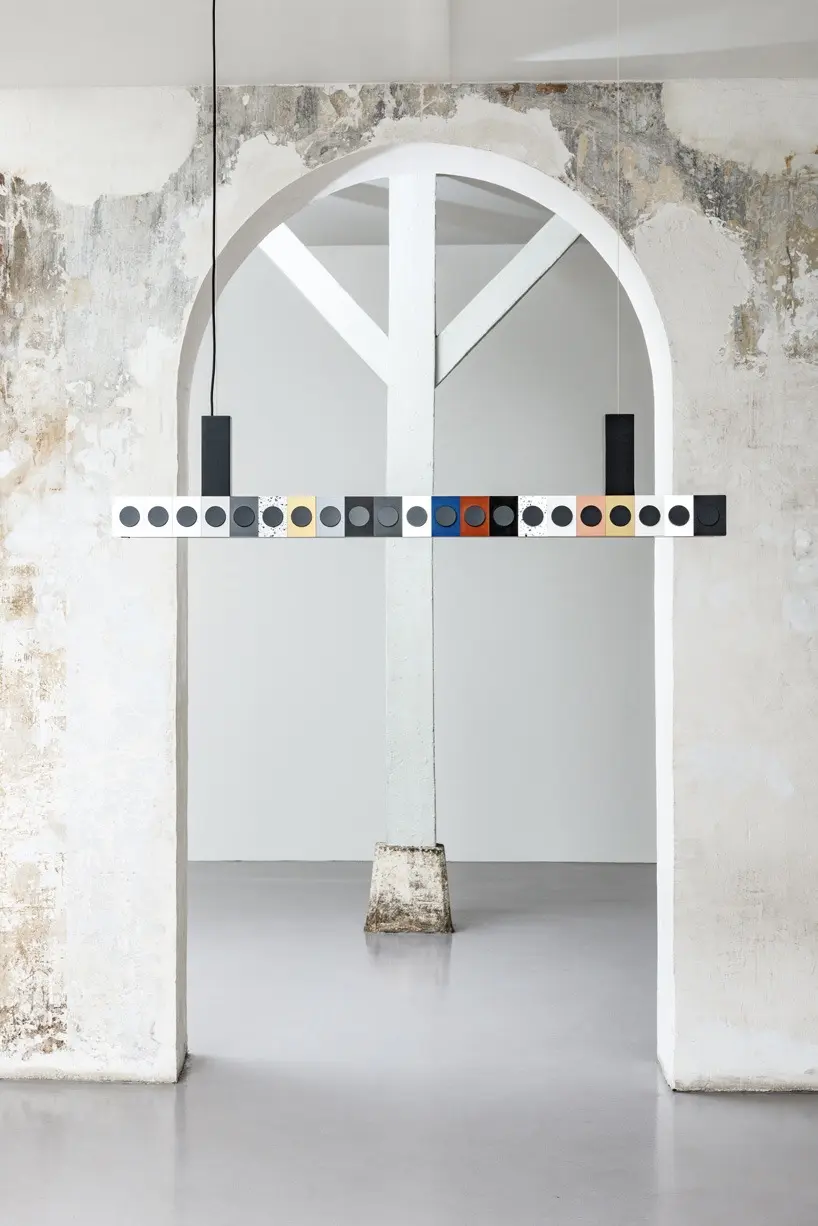
Developed by designers Vincent Baranger and Anthony Lebossé, the project—titled Volt Face—reinterprets Schneider Electric’s familiar Odace range of sockets and switches, transforming an ordinary industrial catalogue into a versatile vocabulary of lighting and furniture. By taking everyday electrical components out of their standard context and recombining them, Studio 5.5 has crafted a diverse collection that includes wall lights, tables, bedside nightstands, pendant fixtures, and various lamps. Across every piece in the lineup, switches and sockets are placed front and center, serving as the structural and visual focal points of the design.
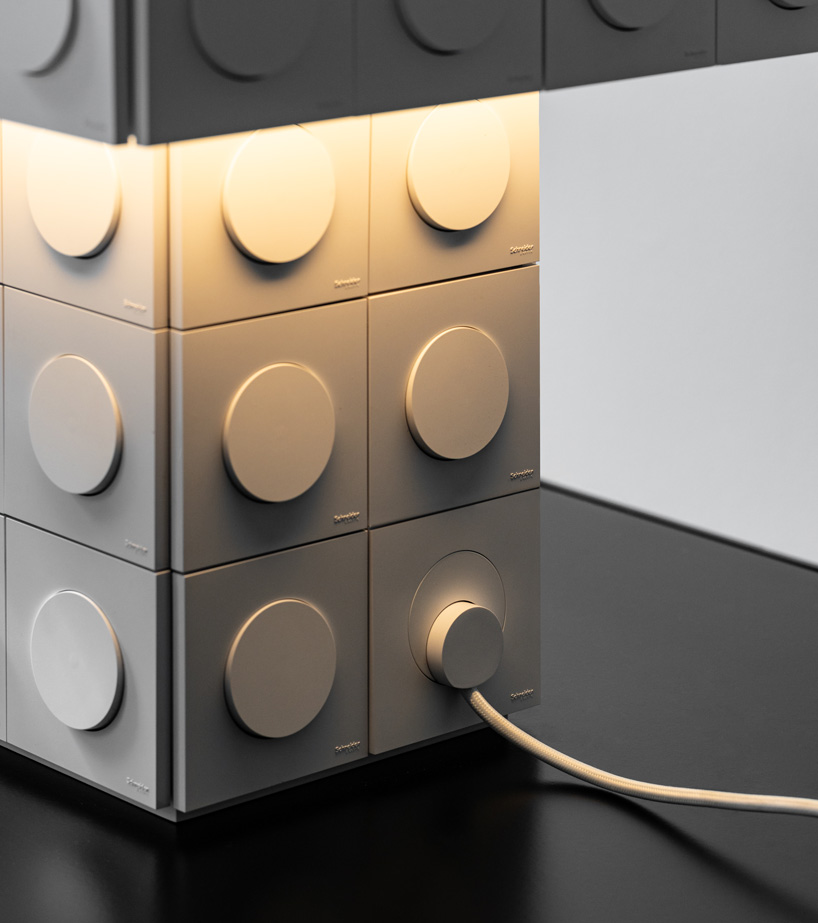
The collaboration bridges the gap between mass-produced industrial components and bespoke furniture design. Rather than designing entirely new custom hardware, Baranger and Lebossé chose to "hack" an existing, highly ubiquitous commercial range. The Odace series, known for its clean lines and widespread residential and commercial application, is stripped of its mundane utility and reborn as a modular system of building blocks. Through careful repositioning and creative aggregation, the project explores the materials, colors, finishes, and tactile qualities of components that are typically glanced at and touched daily without a second thought.
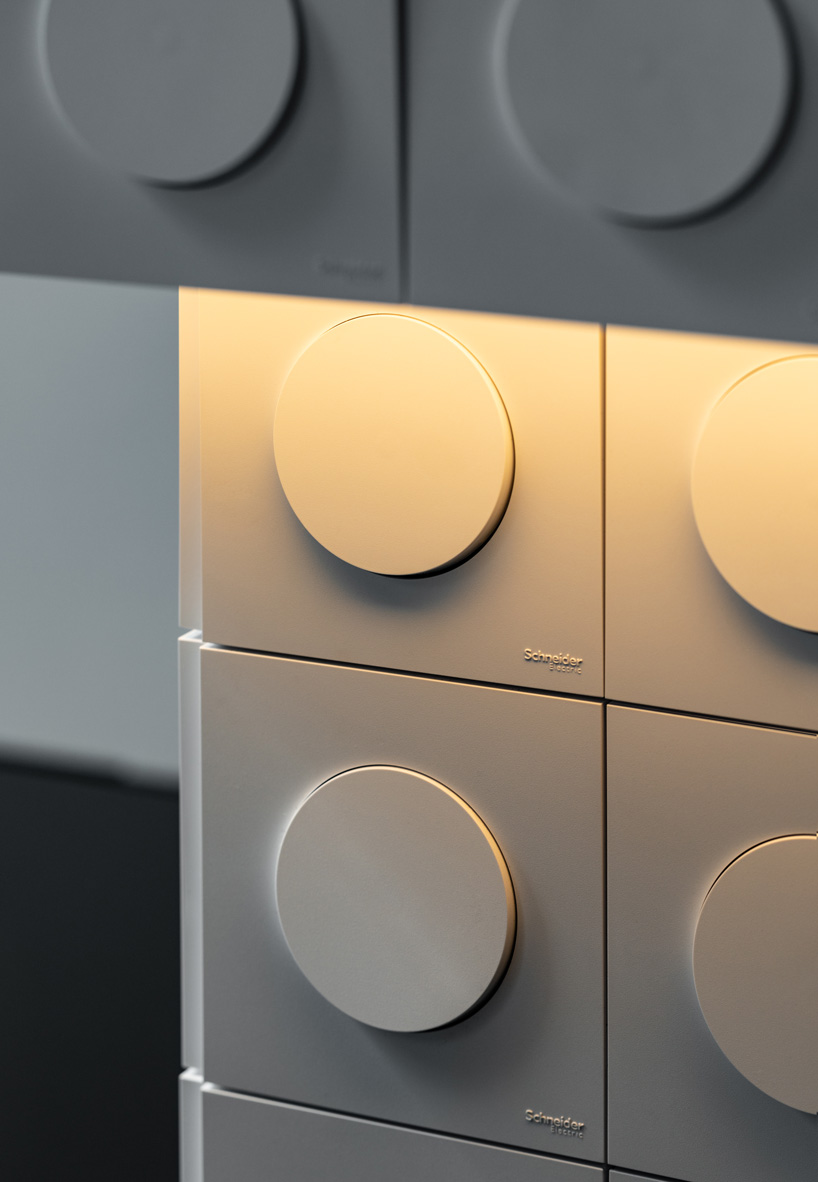
Studio 5.5 Turns the Familiar Switch into a Point of Interaction
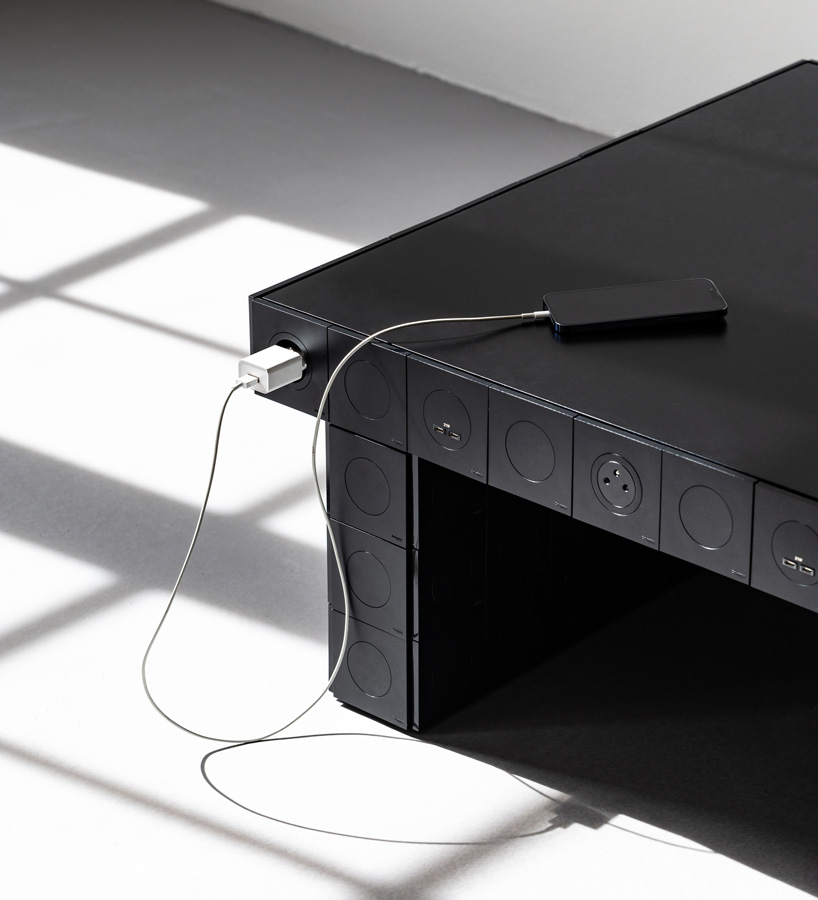
By inverting the traditional design timeline—where electrical systems are integrated at the very end of an interior project—Volt Face forces both designers and occupants to reconsider how they interact with their immediate physical surroundings. In a standard interior, a switch is a passive interface, an invisible bridge between human intent and illumination. In Studio 5.5’s vision, that familiar act of pressing a switch becomes an active, deliberate physical dialogue with the furniture and lighting fixtures themselves.
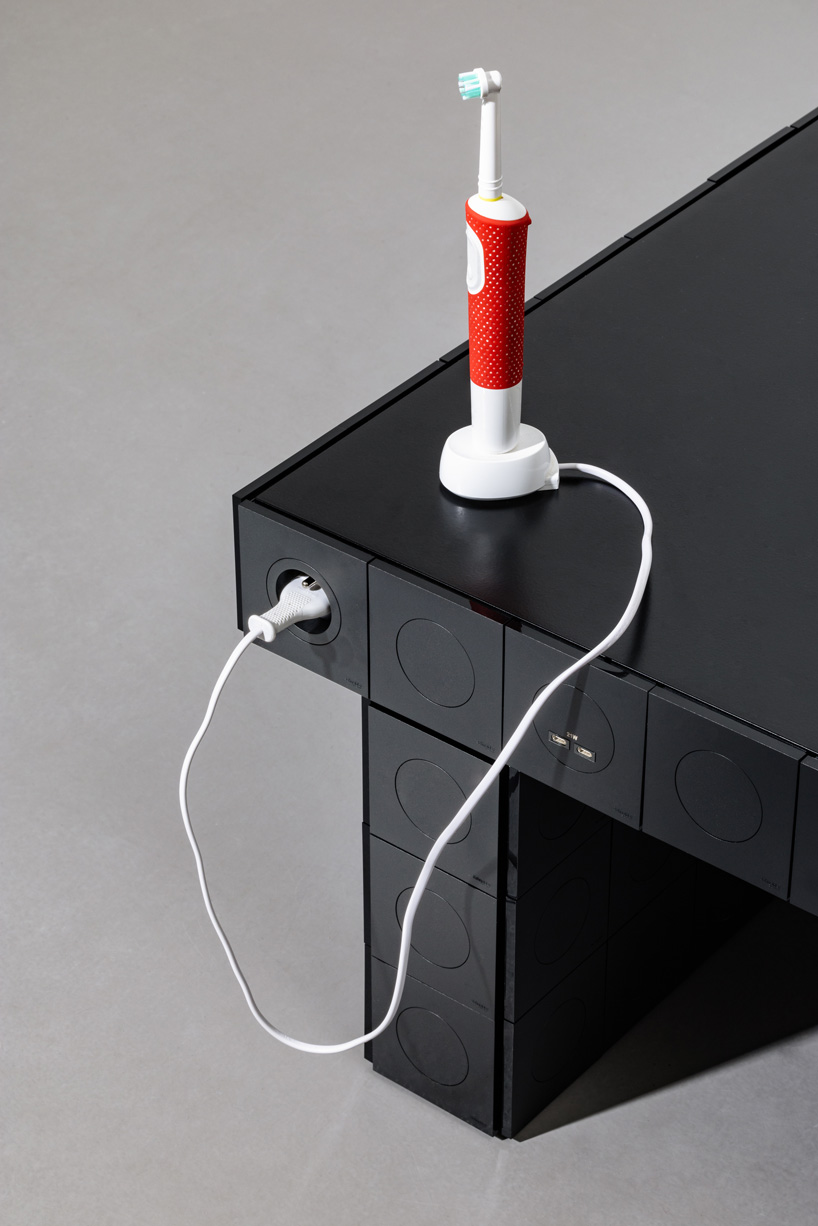
The tactile nature of the components is elevated to a primary design feature. The distinct, mechanical resistance of a toggle and the characteristic audible "click" that accompanies it are brought to the foreground, contributing significantly to the multi-sensory experience of the collection. This playful approach invites users to reconsider the boundaries between the architectural envelope of a room and its movable contents.
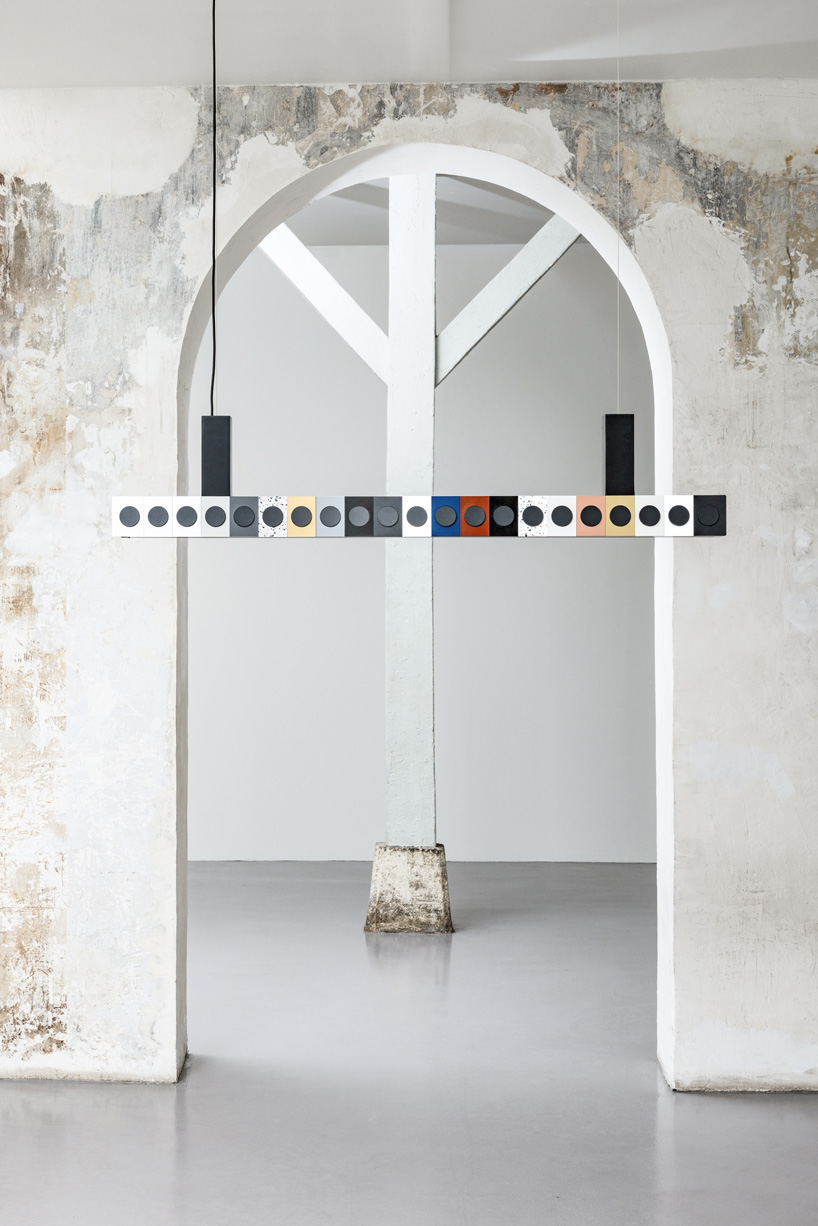
Furthermore, the project presents the Odace range as a flexible, modular design vocabulary. Instead of viewing an industrial catalogue as a collection of static, finished products to be ordered and installed as-is, interior architects and designers are encouraged to look at commercial hardware as a dynamic toolbox. The individual sockets and switches can be combined, repeated, rotated, and built upon in unexpected ways, serving as modular building blocks for entirely new architectural and sculptural configurations.
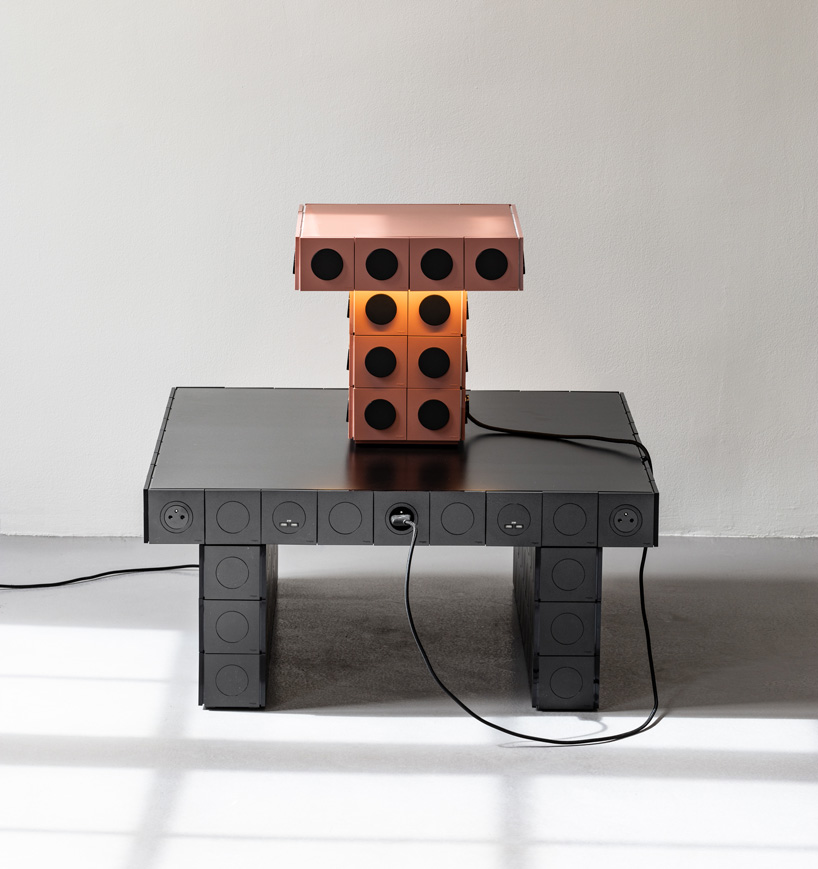
The ‘Click’ Becomes Part of Volt Face’s Tactile Design Language
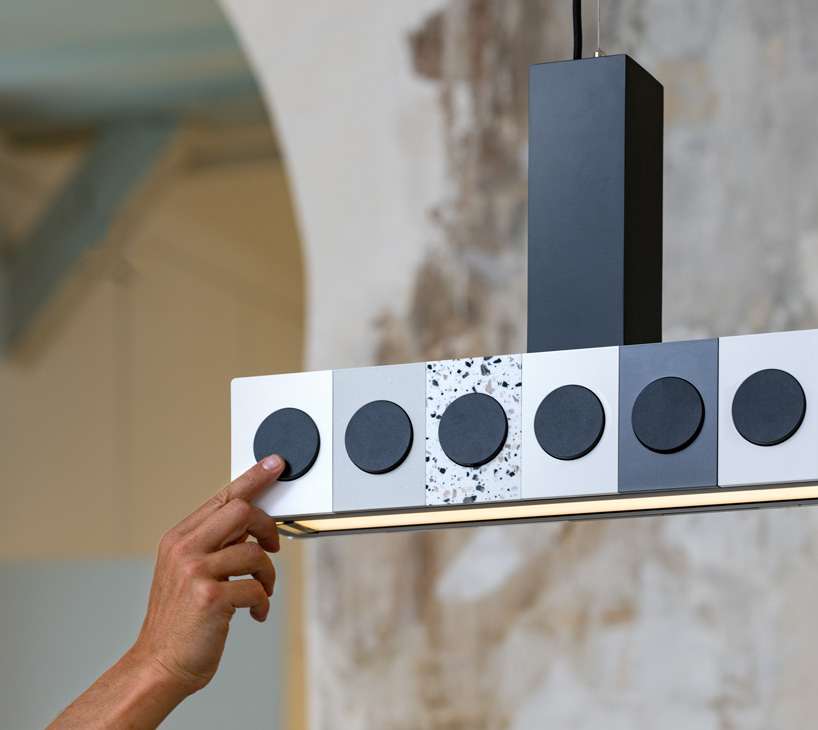
The philosophical underpinnings of Volt Face stem from a desire to spark curiosity and challenge preconceived notions about industrial mass production. The design team sought to create objects that actively demand physical engagement, prompting users to reconsider the objects they encounter every day in domestic and professional environments.
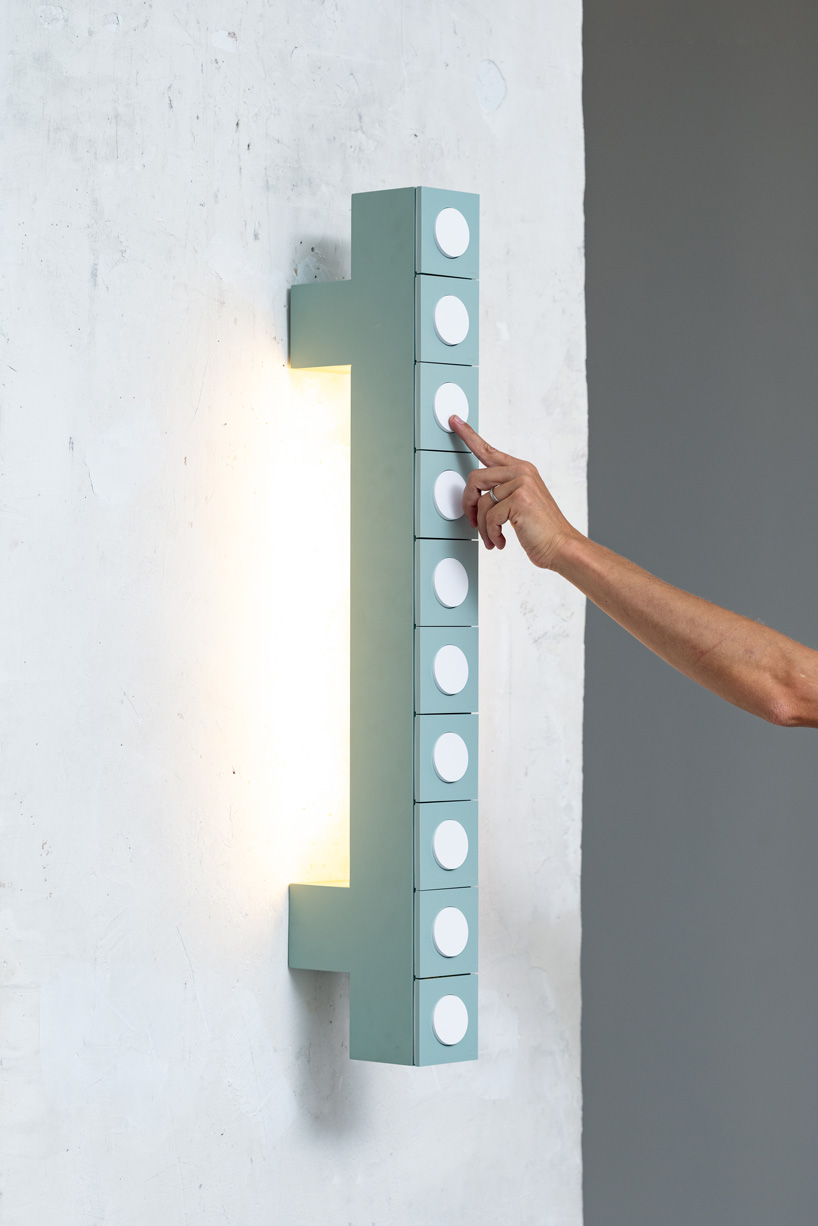
"We wanted to encourage people to try them, to make them want to touch them, to make them wonder whether everything is actually functional, whether it works when you press this one," the Studio 5.5 design team shares, highlighting how the physical gesture of activation becomes an integral, performative part of the project. The famous, reassuring mechanical "click" is no longer just a functional confirmation of an electrical circuit closing; it is codified as an essential element of the collection’s tactile design language.
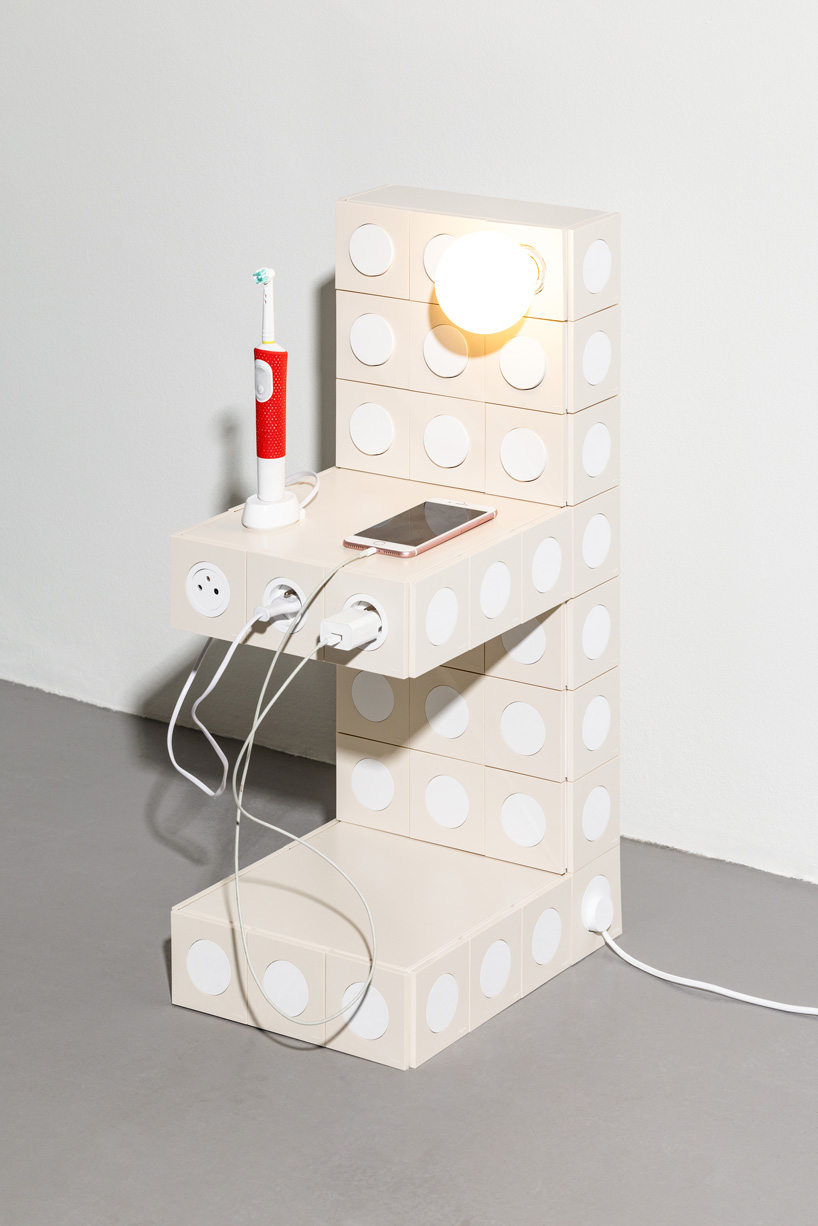
Through this lens, Volt Face demonstrates that an industrial range is never merely an end in itself. By treating mass-manufactured electrical hardware as a linguistic toolkit, Studio 5.5 bridges the gap between industrial design and artistic experimentation. The resulting collection—spanning wall-mounted luminaires, sculptural pendant lamps, minimalist bedside tables, and occasional furniture—showcases how everyday elements, when viewed through a lens of creative subversion, can transcend their original purpose and inspire an entirely new way of thinking about interior space.